
Dàn karaoke phù hợp cho tiệc gia đình không nhất thiết phải là bộ lớn nhất hay nhiều tính năng nhất. Lựa chọn đúng là bộ hợp với phòng thật, dễ dùng cho nhiều độ tuổi, vocal rõ, micro ổn định và đủ đơn giản để cả nhà có thể bắt đầu hát nhanh mà không phải dừng lại chỉnh kỹ thuật liên tục.
Biên soạn bởi Toan Ho — đội ngũ biên tập Tittac.
Bài này dành cho: người đang muốn mua dàn karaoke cho các buổi tiệc gia đình tại nhà, cần một bộ dàn dễ dùng, rõ giọng, phù hợp với nhiều thế hệ và không biến buổi hát thành một việc quá phức tạp.
Bài viết được biên soạn dựa trên: những yếu tố ảnh hưởng trực tiếp đến trải nghiệm karaoke gia đình thực tế, gồm diện tích phòng, số người thường hát cùng lúc, cách chuyền micro, độ dễ dùng, độ rõ vocal, khả năng chống hú, mức độ tiện khi setup và giá trị sử dụng lâu dài.
Nếu bạn cần chốt nhanh theo phòng, ngân sách và kiểu sinh hoạt của gia đình, Tittac có thể tư vấn bằng tiếng Việt và tiếng Anh tại showroom Garden Grove hoặc qua trang liên hệ.
Với tiệc gia đình, câu hỏi đúng không phải là “dàn nào mạnh nhất?”. Câu hỏi đúng là: bộ nào giúp mọi người hát vui, hát dễ, hát liền mạch và còn muốn dùng lại trong những lần sau. Một bộ dàn quá lớn, quá rối hoặc phải chỉnh liên tục có thể làm buổi hát mất tự nhiên, dù thông số nhìn rất ấn tượng.
Ngược lại, một dàn quá yếu hoặc quá đơn giản so với nhu cầu thật cũng dễ gây hụt hẫng khi nhà có đông người, hát nhóm nhiều hoặc dùng trong phòng khách rộng. Vì vậy, trước khi mua, bạn nên nhìn vào ba thứ: phòng đang dùng, số người thường tham gia và mức độ dễ dùng cho cả nhà. Nếu muốn xem bức tranh tổng thể trước, bạn có thể bắt đầu từ cách chọn dàn karaoke phù hợp cho gia đình.
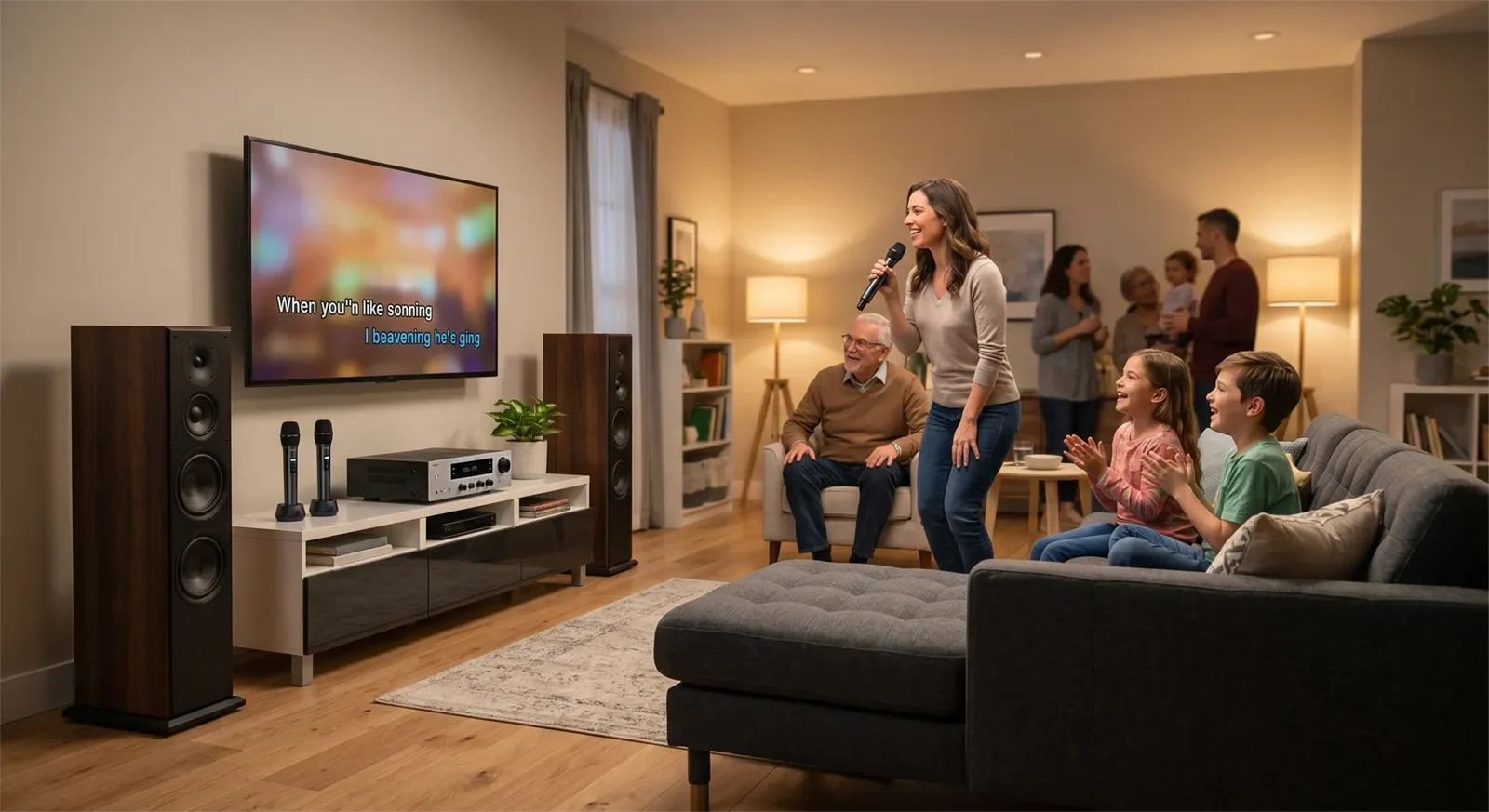
Mục lục
Trả lời nhanh
Dàn karaoke tốt cho tiệc gia đình nên có âm thanh rõ, micro dễ cầm, thao tác đơn giản và mức công suất vừa đủ với phòng. Với gia đình thỉnh thoảng hát vào cuối tuần, sinh nhật, lễ Tết hoặc khi có khách, một bộ dễ dùng và linh hoạt thường đáng mua hơn một hệ thống quá lớn. Với nhà hát thường xuyên, có phòng khách rộng hoặc có vị trí đặt cố định, một hệ thống ổn định hơn sẽ cho trải nghiệm lâu dài tốt hơn.
Nói ngắn gọn: hãy mua theo cách gia đình bạn thật sự hát, không mua theo buổi tiệc đông nhất trong năm. Dàn đúng là dàn giúp cả nhà nhập cuộc nhanh, hát rõ lời, đổi bài mượt, chuyền micro dễ và không cần một người rành kỹ thuật đứng chỉnh suốt buổi.
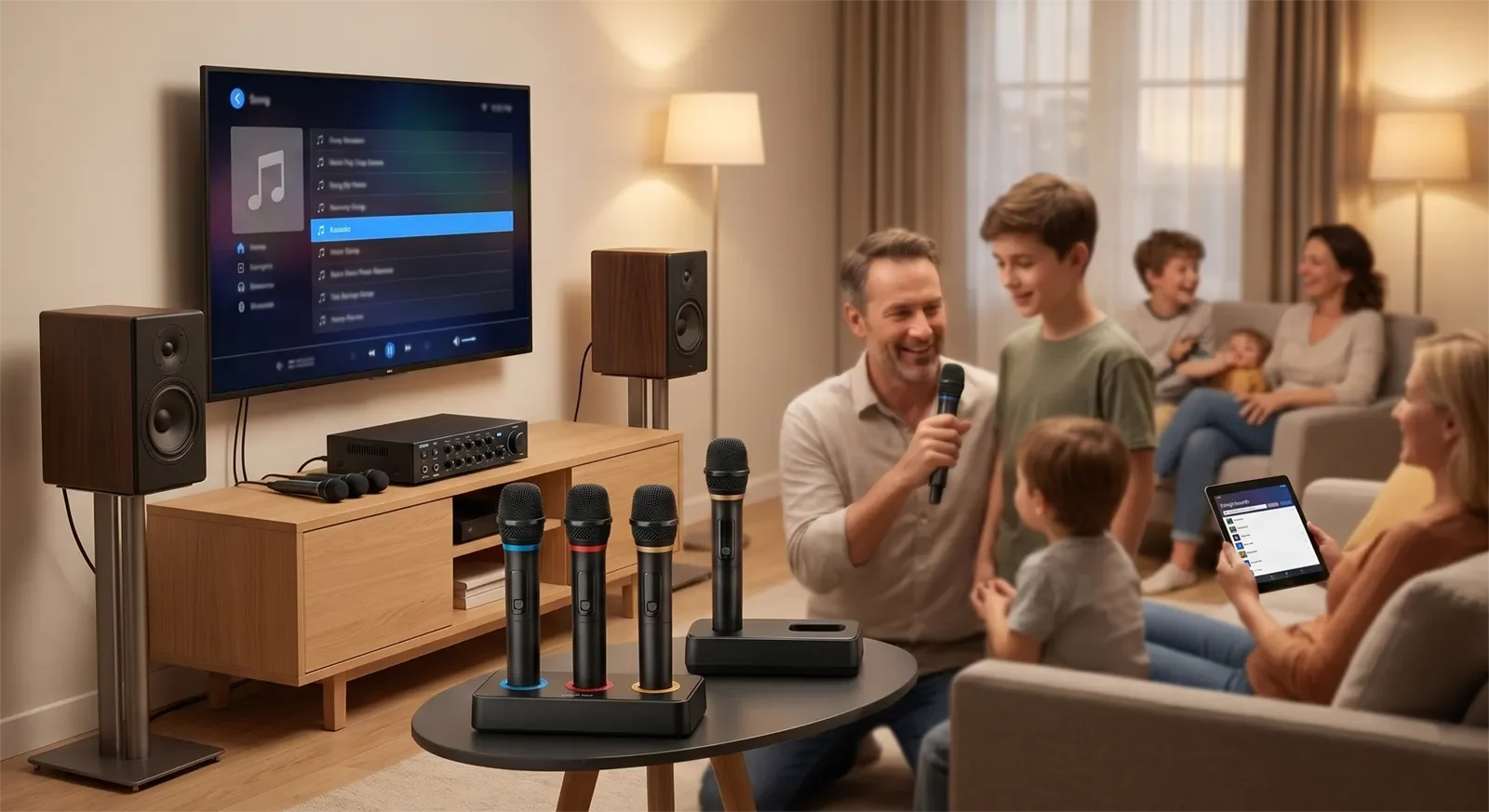
Yếu tố quan trọng nhất khi chọn dàn karaoke cho tiệc gia đình
1. Phòng hát thật sự của nhà bạn
Tiệc karaoke gia đình thường diễn ra ở phòng khách, phòng sinh hoạt chung, không gian mở nối với bếp hoặc khu TV. Đây không phải phòng hát chuyên nghiệp, nên bộ dàn cần hợp với không gian thật. Phòng nhỏ cần âm thanh cân bằng, không quá chói và không làm người ngồi gần bị mệt. Phòng lớn hoặc không gian mở cần độ phủ tốt hơn để người ngồi xa vẫn nghe rõ giọng hát.
Một lỗi thường gặp là chọn dàn theo cảm giác “càng mạnh càng tốt”. Thực tế, công suất chỉ có ý nghĩa khi nó phục vụ đúng không gian. Với nhiều gia đình, âm thanh rõ, vocal sạch và dễ kiểm soát còn quan trọng hơn cảm giác thật lớn.
2. Độ dễ dùng cho nhiều thế hệ
Một buổi karaoke gia đình có thể có cha mẹ, ông bà, con cháu, bạn bè và người ít khi hát. Vì vậy, dàn karaoke nên dễ mở, dễ chỉnh âm lượng, dễ chuyền micro và không làm người mới dùng cảm thấy ngại. Nếu mọi thứ phải phụ thuộc vào một người biết chỉnh, buổi hát rất dễ bị ngắt nhịp.
Dàn karaoke gia đình tốt phải làm giảm ma sát. Người hát không cần hiểu quá nhiều về kỹ thuật vẫn có thể cầm micro, chọn bài và hát tự nhiên. Với người lớn tuổi, sự dễ dùng đôi khi còn quan trọng hơn rất nhiều so với tính năng cao cấp.
3. Vocal rõ và micro ổn định
Trong karaoke, giọng hát là trung tâm. Một dàn nghe nhạc mạnh chưa chắc đã hát karaoke dễ chịu nếu vocal bị chìm, bị chói hoặc micro khó kiểm soát. Với tiệc gia đình, vocal cần rõ lời, dễ nghe và đủ mềm để người hát không phải gồng giọng.
Micro cũng là phần không nên xem nhẹ. Micro tốt giúp hát đôi, hát nhóm và chuyền mic tự nhiên hơn. Nếu nhà bạn hay có nhiều người cùng tham gia, hãy cân nhắc sớm giữa dàn karaoke 2 mic hay 4 mic, vì số micro ảnh hưởng trực tiếp đến flow của buổi tiệc.

4. Khả năng chống hú và kiểm soát âm lượng
Tiệc gia đình thường có người đi lại, ngồi gần loa, đổi vị trí cầm micro hoặc hát trong phòng có nhiều bề mặt phản âm. Đây là lý do chống hú và khả năng kiểm soát âm lượng rất quan trọng. Một bộ dàn dễ bị hú sẽ làm người hát mất tự tin và khiến cả buổi phải dừng lại chỉnh.
Không cần phải chọn hệ thống phức tạp nhất, nhưng nên chọn bộ có khả năng xử lý micro ổn định, dễ chỉnh và phù hợp với cách đặt loa trong nhà. Với karaoke gia đình, sự ổn định thường đáng giá hơn thông số nghe có vẻ “khủng”.
| Yếu tố | Vì sao quan trọng | Lỗi mua sai thường gặp |
|---|---|---|
| Diện tích phòng | Quyết định độ phủ âm, mức âm lượng phù hợp và cách đặt loa | Mua dàn quá mạnh cho phòng nhỏ hoặc quá yếu cho không gian mở |
| Độ dễ dùng | Giúp nhiều thế hệ cùng hát mà không cần chỉnh kỹ thuật liên tục | Chọn bộ quá nhiều tính năng nhưng khó thao tác |
| Micro | Ảnh hưởng trực tiếp đến hát đôi, hát nhóm và nhịp chuyền mic | Chỉ nhìn loa/amply mà xem nhẹ số lượng và chất lượng micro |
| Vocal rõ | Giúp người hát nghe được giọng mình và hát tự tin hơn | Mua theo độ lớn của âm thanh thay vì độ rõ của giọng hát |
| Khả năng dùng lâu dài | Giúp bộ dàn vẫn hợp sau vài tháng hoặc vài năm sử dụng | Mua theo một buổi tiệc lớn hiếm gặp thay vì nhu cầu thường ngày |
Nên chọn kiểu dàn nào theo nhu cầu sử dụng
Gia đình thỉnh thoảng hát vào cuối tuần, sinh nhật hoặc lễ Tết
Nên ưu tiên: một dàn karaoke dễ dùng, gọn, thao tác nhanh, đủ rõ vocal và không đòi hỏi setup phức tạp.
Phù hợp nếu: karaoke là một phần của buổi vui gia đình, không phải hoạt động chính kéo dài nhiều giờ mỗi tuần. Nhà bạn cần một bộ bật lên nhanh, hát được ngay và cất hoặc đặt lại không quá phiền.
Không nên mua quá tay nếu: gia đình chỉ hát vài dịp trong năm. Trong trường hợp này, một bộ quá lớn có thể chiếm chỗ, khó sống chung với sinh hoạt hằng ngày và khiến mỗi lần hát trở nên nặng nề hơn mức cần thiết.
Gia đình hát thường xuyên và muốn một hệ thống ổn định
Nên ưu tiên: một bộ dàn có vị trí đặt tương đối cố định, âm thanh ổn định, micro tốt và đủ dư địa cho những buổi hát dài hơn.
Phù hợp nếu: gia đình hát đều vào cuối tuần, thường có khách ghé chơi hoặc karaoke đã trở thành một phần quen thuộc trong sinh hoạt. Khi dùng thường xuyên, sự tiện lợi lâu dài quan trọng hơn việc tiết kiệm một chút lúc mua.
Không cần thiết nếu: nhà bạn vẫn phải cất dàn sau mỗi lần dùng, phòng nhỏ hoặc nhu cầu hát còn rất nhẹ. Khi đó, bộ quá cồng kềnh có thể làm giảm tần suất sử dụng thật.
Gia đình đông người, nhiều thế hệ hoặc hay hát nhóm
Nên ưu tiên: micro dễ chuyền, vocal rõ, chống hú tốt, thao tác đơn giản và đủ linh hoạt cho hát đôi hoặc hát nhóm.
Phù hợp nếu: buổi hát thường có ông bà, cha mẹ, con cháu, bạn bè hoặc nhiều người muốn tham gia. Trong kiểu tiệc này, flow quan trọng gần như ngang với chất âm.
Điểm cần nhớ: dàn karaoke tốt cho gia đình đông người không chỉ là dàn phát âm thanh lớn. Nó phải giúp mọi người nhập cuộc dễ hơn. Nếu bạn muốn tổ chức buổi hát mượt hơn, có thể xem thêm bài cách tổ chức karaoke tại nhà cho vui mà không rối.
Ngân sách, diện tích phòng và những đánh đổi cần biết
Ngân sách tốt không phải là chọn bộ rẻ nhất. Ngân sách tốt là chọn đúng mức cần thiết cho căn phòng, số người dùng và tần suất hát thật. Nếu mua quá thấp, bạn có thể thấy thiếu lực, thiếu micro hoặc vocal không đủ rõ khi có đông người. Nếu mua quá cao, bạn có thể trả thêm cho độ lớn và độ phức tạp mà gia đình không dùng tới.
Cách chọn an toàn hơn là lấy nhu cầu thường gặp làm chuẩn. Nếu nhà bạn thường hát trong phòng khách vừa, với vài người thay phiên nhau, đừng mua theo kịch bản một buổi tiệc cực đông chỉ xảy ra một lần mỗi năm. Nhưng nếu nhà bạn hát đều, phòng rộng và nhiều người cùng tham gia, hãy chừa một chút dư địa để bộ dàn không nhanh chóng bị hụt.
| Tình huống | Hướng chọn thường hợp lý | Khi nào nên chi thêm | Khi nào không nên |
|---|---|---|---|
| Phòng khách nhỏ hoặc vừa | Dàn dễ dùng, âm thanh cân bằng, vocal rõ | Khi nhà hát khá thường xuyên và cần micro tốt hơn | Khi bộ lớn hơn làm phòng chật, chói hoặc khó đặt |
| Không gian mở hoặc phòng lớn | Hệ thống có độ phủ tốt hơn và kiểm soát vocal ổn định | Khi người ngồi xa vẫn cần nghe rõ giọng hát | Khi chỉ dùng âm lượng nhỏ và ít khi tụ họp đông |
| Gia đình hát cuối tuần đều | Bộ ổn định, đặt cố định hoặc bán cố định | Khi việc setup lại mỗi lần hát bắt đầu gây phiền | Khi không gian bắt buộc phải cất dàn sau mỗi lần dùng |
| Tiệc đông, nhiều người muốn hát | Ưu tiên micro, chống hú và flow chuyền mic | Khi hát nhóm là phần vui chính của buổi tiệc | Khi thực tế chỉ một hoặc hai người thường cầm mic |
Những lỗi mua sai thường gặp
Lỗi 1: Mua theo buổi tiệc lớn nhất trong năm
Nhiều người chọn dàn karaoke dựa trên một buổi họp mặt đông nhất, ồn nhất và hiếm gặp nhất. Cách này dễ dẫn đến mua dư. Bộ dàn có thể quá lớn, quá khó đặt hoặc quá rườm rà so với 90% thời gian sử dụng thật của gia đình.
Hãy mua theo nhu cầu bình thường nhất của nhà bạn trước. Nếu đa số buổi hát chỉ là cuối tuần, sinh nhật nhỏ hoặc vài người thân ghé chơi, sự gọn gàng và dễ dùng nên đứng rất cao trong quyết định.
Lỗi 2: Chỉ nhìn công suất mà quên vocal
Karaoke không giống nghe nhạc thông thường. Một bộ phát nhạc lớn chưa chắc giúp hát dễ hơn. Nếu vocal không rõ, micro khó kiểm soát hoặc âm thanh quá chói, người hát sẽ nhanh mệt và mất tự tin.
Với dàn karaoke gia đình, hãy hỏi: giọng hát có rõ không, micro có dễ hát không, người không chuyên có thấy thoải mái không. Những câu hỏi này thực tế hơn nhiều so với chỉ nhìn số watt.
Lỗi 3: Chọn bộ quá phức tạp cho người dùng thật
Một số bộ dàn có rất nhiều nút chỉnh, chế độ và tính năng. Điều đó chỉ tốt nếu gia đình bạn thật sự dùng được. Nếu mỗi lần hát đều phải nhờ một người chỉnh, thì bộ dàn đang làm buổi vui phụ thuộc vào kỹ thuật quá nhiều.
Đối với nhiều gia đình Việt, nhất là nhà có cha mẹ hoặc người lớn tuổi, dàn dễ dùng thường tạo giá trị lớn hơn dàn phức tạp. Hát karaoke tại nhà nên là chuyện vui, không phải một bài kiểm tra kỹ thuật.
Lỗi 4: Xem nhẹ vị trí đặt loa và micro
Dàn tốt vẫn có thể hát không hay nếu đặt sai. Loa quá gần micro, âm lượng mở quá lớn trong phòng nhỏ hoặc người hát đứng ngay trước loa đều có thể gây hú và làm âm thanh khó chịu.
Trước khi mua, hãy nghĩ luôn dàn sẽ đặt ở đâu, người hát thường đứng chỗ nào và micro sẽ được chuyền ra sao. Một bộ phù hợp với cách dùng thật sẽ dễ ổn định hơn một bộ mạnh nhưng khó đặt.
Cách chọn dàn karaoke cho tiệc gia đình trong 60 giây
- Xác định phòng hát chính: phòng nhỏ, phòng khách vừa, không gian mở hay phòng lớn.
- Xác định số người thường tham gia: chủ yếu một hai người hát, hay thường có hát đôi, hát nhóm và chuyền mic liên tục.
- Ưu tiên độ dễ dùng: cả nhà có thể mở lên và hát nhanh không, hay phải chờ một người biết chỉnh?
- Nghe vocal trước khi nhìn thông số: giọng hát có rõ, dễ nghe và không bị chói không?
- Chọn theo tần suất thật: thỉnh thoảng hát thì cần gọn và tiện; hát thường xuyên thì nên chọn bộ ổn định hơn.
- Đừng mua theo kịch bản hiếm gặp: mua cho cách gia đình bạn dùng nhiều nhất, không mua chỉ vì một buổi tiệc đông nhất trong năm.
Nếu chỉ nhớ một điều: dàn karaoke hợp cho tiệc gia đình là dàn làm mọi người muốn hát tiếp và muốn dùng lại, không phải dàn nhìn ấn tượng nhất lúc mới mua.
Câu hỏi thường gặp
Dàn karaoke di động có hợp cho tiệc gia đình không?
Có, nếu nhà bạn cần sự linh hoạt, thỉnh thoảng mới hát hoặc không muốn để một bộ cố định trong phòng. Dàn di động hợp khi ưu tiên lớn nhất là mở nhanh, dùng dễ và cất gọn. Nếu gia đình hát thường xuyên hơn, một hệ thống đặt cố định hoặc bán cố định thường ổn định và tiện hơn về lâu dài.
Tiệc gia đình có nhất thiết cần 4 micro không?
Không phải lúc nào cũng cần. Nhiều gia đình dùng 2 micro vẫn đủ vui. 4 micro chỉ đáng cân nhắc nếu nhà hay hát nhóm, có trẻ em tham gia, thường xuyên song ca hoặc nhiều người muốn cầm mic cùng lúc. Quan trọng là số micro phải hợp với cách gia đình bạn thật sự hát.
Dàn càng lớn có luôn tốt hơn cho tiệc gia đình không?
Không. Dàn lớn chỉ tốt khi phòng và nhu cầu sử dụng thật sự cần đến mức đó. Trong phòng nhỏ hoặc nhà chỉ hát nhẹ, bộ quá lớn có thể gây chói, khó kiểm soát và chiếm chỗ. Dàn đúng là dàn vừa đủ lực, rõ vocal và dễ dùng trong không gian thật của nhà bạn.
Nên chọn dàn karaoke đơn giản hay nhiều tính năng?
Với phần lớn gia đình, nên ưu tiên đơn giản trước. Tính năng thêm chỉ đáng tiền khi nó giúp buổi hát dễ bắt đầu hơn, vocal tốt hơn, micro ổn định hơn hoặc cả nhà tham gia mượt hơn. Nếu tính năng khiến thao tác rối hơn, nó có thể làm giảm trải nghiệm thay vì nâng cấp trải nghiệm.
Làm sao biết dàn karaoke có hợp với phòng khách nhà mình không?
Hãy nhìn vào diện tích phòng, vị trí ngồi, nơi đặt loa, khoảng cách người hát tới loa và mức âm lượng gia đình thường dùng. Nếu phòng nhỏ, ưu tiên âm thanh cân bằng và dễ kiểm soát. Nếu phòng rộng hoặc không gian mở, cần bộ có độ phủ tốt hơn nhưng vẫn phải giữ vocal rõ và chống hú ổn định.
Kết luận cuối cùng
Dàn karaoke tốt cho tiệc gia đình là dàn cân bằng được ba việc: hợp phòng, dễ dùng và giữ được flow của buổi hát. Nếu gia đình bạn chỉ hát vào dịp cuối tuần, lễ Tết hoặc khi có khách, hãy ưu tiên bộ gọn, rõ vocal và thao tác nhẹ. Nếu nhà hát đều, có phòng khách rộng hoặc nhiều người cùng tham gia, hãy chọn hệ thống ổn định hơn để dùng lâu dài.
Đánh đổi cốt lõi không phải là “nhỏ hay lớn”, mà là hợp hay không hợp. Một bộ dàn vừa đúng với không gian, số người hát và thói quen sinh hoạt sẽ mang lại giá trị thật hơn một bộ mạnh trên giấy nhưng khó dùng trong đời sống hằng ngày.
Nếu bạn muốn thu hẹp lựa chọn nhanh hơn, hãy bắt đầu từ phòng hát, số người thường cầm mic và tần suất gia đình thật sự sử dụng.
Xem hướng dẫn chọn dàn karaoke cho gia đình · So sánh dàn 2 mic và 4 mic · Xem cách tổ chức karaoke tại nhà cho vui mà không rối
Liên hệ Tittac để được tư vấn theo phòng, ngân sách và kiểu hát của gia đình bạn