
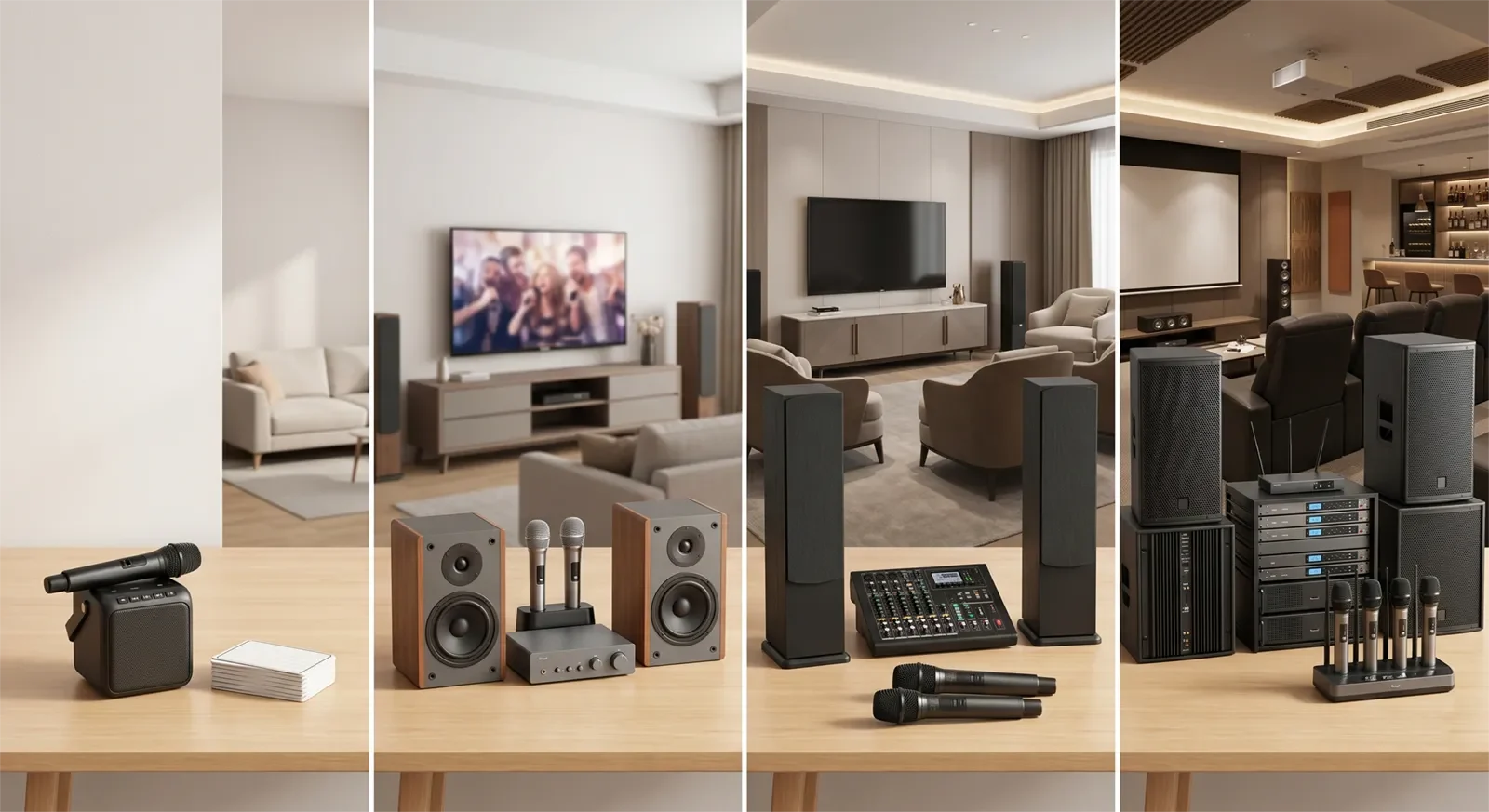
Ngân sách mua dàn karaoke gia đình nên bắt đầu từ phòng, cách hát và mức trải nghiệm bạn thật sự muốn, không nên bắt đầu từ bộ dàn đắt nhất hay rẻ nhất. Với nhiều gia đình, khoảng $2,500–$6,000 đã đủ mạnh và dễ dùng. Dàn $6,000–$10,000 chỉ thật sự đáng tiền khi phòng lớn hơn, gia đình hát thường xuyên, hay tiếp khách, hoặc muốn một hệ thống cao cấp dùng lâu dài mà ít phải nâng cấp lại.
Biên soạn bởi Toan Ho — đội ngũ biên tập Tittac.
Bài này dành cho: người đang so ngân sách mua dàn karaoke gia đình và muốn hiểu rõ ở từng mức tiền mình thật sự nhận được gì: dàn cơ bản, dàn cân bằng, dàn cao cấp hay hệ thống premium cho phòng lớn.
Bài viết được biên soạn dựa trên: các yếu tố ảnh hưởng trực tiếp đến giá trị thật của một dàn karaoke tại nhà, gồm diện tích phòng, độ rõ của giọng hát, độ dễ dùng hằng ngày, micro, loa, amply, nhu cầu tiếp khách, tần suất hát và khả năng nâng cấp lâu dài.
Một bài hướng dẫn ngân sách karaoke chỉ có ích khi nó giúp bạn tránh chi sai. Nhiều người không mua nhầm vì bộ dàn quá tệ. Họ mua nhầm vì chọn sai mức ngân sách cho căn phòng, thói quen hát và kỳ vọng của gia đình.
Có người mua quá thấp rồi vài tháng sau thấy vocal yếu, loa thiếu lực hoặc dàn không còn đủ vui khi nhà có khách. Có người lại mua quá cao cho một căn phòng nhỏ, trả tiền cho công suất, thiết bị hoặc độ phức tạp mà gia đình gần như không dùng tới. Ngân sách đúng không phải là ngân sách cao nhất. Đó là mức giúp dàn karaoke hợp phòng, dễ dùng, hát rõ và còn thấy đáng tiền sau nhiều tháng sử dụng.
Nếu bạn đang chọn cả hệ thống lần đầu, nên đọc thêm hướng dẫn chọn dàn karaoke gia đình để hiểu cách loa, micro, amply và không gian phòng ảnh hưởng đến trải nghiệm thật.
Mục lục
- Câu trả lời nhanh
- Ngân sách dàn karaoke nên dựa trên điều gì?
- $1,500–$2,500: dàn karaoke gia đình cơ bản
- $2,500–$4,000: dàn karaoke gia đình cân bằng
- $4,000–$6,000: dàn karaoke cao cấp cho gia đình hát thường xuyên
- $6,000–$10,000: dàn karaoke premium cho phòng lớn và trải nghiệm cao hơn
- Khi nào cần hệ thống trên $10,000?
- Nên chi thêm vào loa, amply, micro hay setup?
- Khi nào không nên mua dàn quá cao tiền?
- Sai lầm thường gặp khi chọn ngân sách karaoke
- Cách chọn ngân sách karaoke trong 60 giây
- Câu hỏi thường gặp
- Kết luận
Câu trả lời nhanh
Với phần lớn gia đình, $2,500–$4,000 là vùng ngân sách cân bằng để bắt đầu nếu bạn muốn một dàn karaoke dễ dùng, đủ vui, hợp phòng khách và không quá phức tạp. Nếu nhà hát thường xuyên, phòng lớn hơn hoặc muốn vocal rõ, loa khỏe và trải nghiệm trọn hơn, $4,000–$6,000 thường đáng cân nhắc hơn.
Dàn karaoke $6,000–$10,000 không cần thiết cho mọi gia đình, nhưng rất hợp lý với người có phòng lớn, hay tiếp khách, muốn âm thanh đầy hơn, thiết bị tốt hơn, setup đẹp hơn và một hệ thống có thể dùng lâu dài mà ít phải thay đổi. Trên $10,000 thường nên xem như hệ thống tùy phòng, cần tư vấn riêng thay vì chọn theo gói cố định.
Ngân sách dàn karaoke nên dựa trên điều gì?
1. Căn phòng quyết định rất nhiều
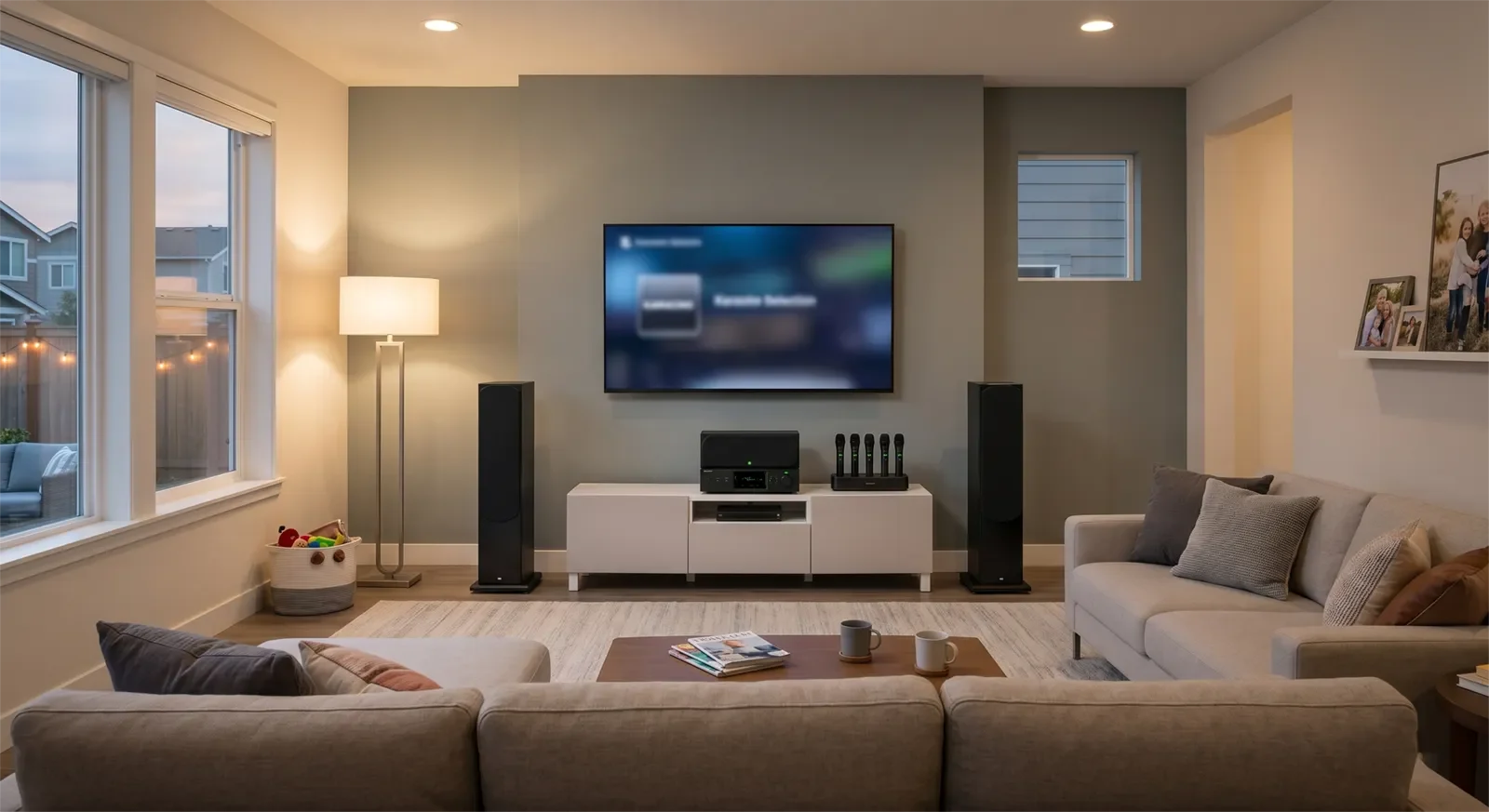
Dàn karaoke không hoạt động trong lý thuyết. Nó hoạt động trong phòng khách, phòng sinh hoạt, phòng nhỏ, phòng mở hoặc không gian có nhiều đồ nội thất. Một bộ dàn vừa đủ trong phòng nhỏ có thể thiếu lực trong phòng lớn. Ngược lại, một hệ thống quá mạnh trong phòng nhỏ có thể làm trải nghiệm khó chịu, khó chỉnh và không đáng với số tiền bỏ ra.
Trước khi chọn ngân sách, hãy nhìn căn phòng thật: người hát đứng ở đâu, TV ở đâu, ghế ngồi cách loa bao xa, phòng có mở thông với bếp hoặc khu sinh hoạt khác không. Nếu bạn chưa chắc phòng nhỏ hay lớn nên chọn hướng nào, hãy xem thêm cách chọn dàn karaoke cho phòng nhỏ và phòng lớn.
2. Tần suất hát quan trọng hơn cảm xúc lúc mới mua
Nếu gia đình chỉ hát vài lần mỗi năm, bạn không nhất thiết phải lên một hệ thống cao cấp. Nhưng nếu nhà hát mỗi tuần, hay có bạn bè đến chơi, hoặc karaoke là sinh hoạt gia đình thật sự, ngân sách cao hơn có thể rất đáng vì sự khác biệt được dùng đi dùng lại.
Ngân sách tốt là ngân sách được cảm nhận trong mỗi lần hát: micro dễ cầm hơn, giọng rõ hơn, loa không bị đuối, amply dễ chỉnh hơn và cả nhà bật dàn lên mà không thấy phiền.
3. Đừng chỉ mua công suất, hãy mua trải nghiệm
Nhiều người nghĩ dàn đắt hơn thì chỉ khác ở công suất lớn hơn. Thực tế, khác biệt đáng tiền thường nằm ở sự cân bằng: vocal rõ hơn, micro ổn định hơn, loa hợp karaoke hơn, amply hoặc mixing amplifier dễ kiểm soát hơn, cách setup gọn hơn và hệ thống ít làm người dùng phải chỉnh quá nhiều.
Với karaoke gia đình, một hệ thống hay không chỉ là hệ thống “lớn tiếng”. Nó phải làm người hát cảm thấy dễ hát, người nghe không bị mệt và người trong nhà muốn dùng lại nhiều lần.
| Yếu tố | Vì sao ảnh hưởng đến ngân sách | Lỗi dễ gặp |
|---|---|---|
| Diện tích phòng | Phòng lớn cần độ phủ, lực loa và headroom tốt hơn | Mua theo giá rẻ mà không tính phòng thật |
| Tần suất hát | Hát càng thường xuyên, sự tiện và độ ổn định càng đáng tiền | Mua như dùng ít nhưng thực tế lại hát rất nhiều |
| Vocal | Giọng hát rõ, dễ hát và ít hú là phần người dùng cảm nhận ngay | Chi nhiều vào vẻ ngoài nhưng vocal vẫn yếu |
| Micro | Micro ảnh hưởng trực tiếp đến cảm giác cầm, hát và chuyền tay | Xem nhẹ micro vì chỉ tập trung vào loa |
| Khả năng nâng cấp | Ngân sách đúng giúp bạn không phải thay lại quá sớm | Mua thiếu rồi nâng cấp lặt vặt nhiều lần |
$1,500–$2,500: dàn karaoke gia đình cơ bản
Phù hợp nhất cho: người mới bắt đầu, phòng nhỏ, condo, apartment, gia đình hát vui nhẹ, không cần âm lượng quá lớn và muốn một dàn dễ dùng với chi phí hợp lý.
Không lý tưởng nếu: phòng khách lớn, nhà hay có tiệc, nhiều người hát thường xuyên, hoặc bạn đã biết mình cần giọng hát rõ hơn, loa mạnh hơn và cảm giác hoàn thiện hơn.
Ở mức này, mục tiêu không phải là mua một dàn “cao cấp”. Mục tiêu là mua đúng một hệ thống thực tế: đủ để hát vui, dễ bật, dễ dùng và không làm người mới thấy rối. Nếu chọn đúng, dàn ở mức này vẫn có thể rất hợp với phòng nhỏ và nhu cầu gia đình nhẹ.
Điểm cần cẩn thận là đừng kỳ vọng quá nhiều. Nếu bạn muốn âm thanh đầy trong phòng lớn, muốn hát lâu không mệt, muốn micro hay hơn hoặc muốn dàn nhìn và dùng có cảm giác chắc hơn, mức này có thể nhanh chóng bị giới hạn.
$2,500–$4,000: dàn karaoke gia đình cân bằng
Phù hợp nhất cho: đa số gia đình muốn một dàn karaoke dùng thường xuyên hơn, hợp phòng khách tiêu chuẩn, dễ hát, dễ chỉnh và ít phải thỏa hiệp hơn so với dàn cơ bản.
Không lý tưởng nếu: bạn chỉ hát rất ít, phòng rất nhỏ, hoặc bạn chắc chắn muốn một hệ thống mạnh hơn cho phòng lớn và nhu cầu tiếp khách nhiều.
Đây thường là vùng ngân sách hợp lý nhất cho nhiều gia đình. Bạn bắt đầu có nhiều không gian hơn để chọn loa hợp karaoke, micro tốt hơn, amply hoặc mixing amplifier dễ dùng hơn và tổng thể hệ thống ổn định hơn.
Sự khác biệt đáng tiền ở mức này không phải lúc nào cũng nằm ở việc “to hơn”. Nó thường nằm ở việc dàn dễ sống chung hơn: bật lên hát nhanh hơn, vocal rõ hơn, ít thấy hụt hơn và người trong nhà cảm thấy dàn này đủ nghiêm túc để dùng lâu dài.
$4,000–$6,000: dàn karaoke cao cấp cho gia đình hát thường xuyên
Phù hợp nhất cho: gia đình hát đều, phòng khách lớn hơn, người muốn vocal sạch hơn, loa có lực hơn, micro tốt hơn và trải nghiệm ít bị giới hạn khi có nhiều người cùng hát.
Không lý tưởng nếu: bạn chỉ cần hát vui vài lần mỗi năm hoặc không muốn đầu tư vào một hệ thống có nhiều khả năng hơn mức dùng thật.
Ở mức $4,000–$6,000, ngân sách bắt đầu phục vụ trải nghiệm lâu dài rõ hơn. Bạn không chỉ mua một bộ dàn “đủ hát”. Bạn đang trả thêm để giảm những điểm khó chịu: giọng hát bị mỏng, loa thiếu lực, micro không ổn định, tiếng dễ mệt hoặc hệ thống không đủ thoải mái khi hát lâu.
Với gia đình Việt hay hát cuối tuần, hát với bạn bè, hát trong phòng khách rộng hơn hoặc muốn một bộ dàn có cảm giác chắc tay, đây là mức rất đáng xem xét. Nó chưa nhất thiết là premium, nhưng thường đã vượt khỏi kiểu mua tạm.
$6,000–$10,000: dàn karaoke premium cho phòng lớn và trải nghiệm cao hơn
Phù hợp nhất cho: phòng lớn, không gian mở, gia đình hát thường xuyên, nhà hay tiếp khách, người muốn hệ thống đẹp hơn, mạnh hơn, ổn định hơn và có cảm giác hoàn thiện hơn trong nhiều năm.
Không lý tưởng nếu: bạn mua chỉ vì nghĩ giá cao hơn chắc chắn tốt hơn, trong khi phòng nhỏ, nhu cầu hát nhẹ hoặc gia đình không cần đến mức trải nghiệm đó.
Dàn karaoke $6,000–$10,000 không phải lựa chọn cần thiết cho mọi gia đình. Nhưng khi đúng người, đúng phòng và đúng nhu cầu, mức ngân sách này có lý do rất rõ. Bạn không chỉ trả tiền cho âm lượng. Bạn trả tiền cho độ đầy của âm thanh, headroom tốt hơn, loa và amply hợp hơn, micro chất lượng hơn, setup gọn và đẹp hơn, cùng cảm giác ít phải nâng cấp lại trong thời gian ngắn.
Mức này đặc biệt hợp với người muốn dàn karaoke trở thành một phần chính của không gian giải trí tại nhà. Nếu gia đình bạn thường xuyên hát, thường xuyên có khách, hoặc muốn một hệ thống có thể tạo cảm giác “showroom-level” trong phòng lớn, đây là vùng ngân sách nên được tư vấn nghiêm túc thay vì chỉ so giá trên mạng.
Tuy vậy, điểm quan trọng là phải mua đúng cấu hình. Một dàn $10,000 vẫn có thể sai nếu loa không hợp phòng, micro không hợp người dùng, hoặc hệ thống quá phức tạp khiến gia đình không muốn dùng. Ở tầng premium, tư vấn đúng phòng và setup đúng quan trọng hơn việc chỉ chọn món đắt hơn.
Khi nào cần hệ thống trên $10,000?
Trên $10,000 thường không nên xem như một gói đại trà. Đây nên là hệ thống tùy phòng, tùy yêu cầu và tùy cách sử dụng. Nó có thể hợp với phòng rất lớn, không gian giải trí riêng, yêu cầu thiết kế đẹp hơn, nhiều thiết bị hơn, hoặc người muốn một hệ thống có mức hoàn thiện cao hơn dàn karaoke gia đình thông thường.
Ở mức này, câu hỏi không còn là “dàn nào tốt?”. Câu hỏi phải là: phòng này cần gì, người dùng kỳ vọng gì, setup có cần gọn thẩm mỹ không, có cần nhiều vùng âm thanh không, và hệ thống có cần phục vụ cả hát karaoke lẫn nghe nhạc hoặc tiếp khách không.
Nếu bạn đang nghĩ đến mức trên $10,000, nên tư vấn theo phòng trước khi chọn thiết bị. Đây là vùng mà chọn sai không chỉ tốn tiền, mà còn có thể tạo ra một hệ thống quá lớn, quá rối hoặc không hợp với cách gia đình thật sự sử dụng.
Nên chi thêm vào loa, amply, micro hay setup?
Không phải lúc nào tăng ngân sách cũng nên đổ vào loa lớn hơn. Với karaoke gia đình, điểm yếu thường nằm ở sự cân bằng giữa nhiều phần: loa, micro, mixing amplifier, cách chỉnh, vị trí đặt và mức độ dễ dùng.
Chi thêm vào loa khi phòng lớn hoặc loa hiện tại bị thiếu lực
Loa ảnh hưởng lớn đến độ phủ, độ đầy và cảm giác nghe trong phòng. Nếu phòng lớn, không gian mở hoặc nhiều người nghe cùng lúc, loa yếu sẽ làm dàn nhanh bị đuối. Nhưng loa lớn hơn không tự động hay hơn nếu phòng nhỏ hoặc hệ thống không được chỉnh đúng.
Chi thêm vào micro khi giọng hát là điểm yếu chính
Micro là phần người hát cảm nhận trực tiếp. Micro tốt hơn có thể giúp cầm chắc hơn, giọng rõ hơn, ít khó chịu hơn và dễ hát hơn. Với gia đình có ba mẹ, khách hoặc nhiều người thay phiên nhau hát, micro không nên là phần bị xem nhẹ.
Chi thêm vào amply hoặc mixing amplifier khi cần kiểm soát tốt hơn
Phần xử lý và điều khiển ảnh hưởng đến echo, reverb, độ rõ của vocal, chống hú và sự cân bằng giữa nhạc với giọng. Nếu dàn của bạn có loa tốt nhưng hát vẫn khó chịu, vấn đề có thể không nằm ở loa mà nằm ở cách hệ thống xử lý giọng hát.
Chi thêm vào setup khi muốn hệ thống dễ sống chung hơn
Một dàn karaoke tốt nhưng đặt sai, dây rối, khó bật hoặc khó chỉnh vẫn làm gia đình ít dùng. Với ngân sách cao hơn, setup gọn, dễ thao tác và hợp phòng là một phần rất đáng tiền.
Khi nào không nên mua dàn quá cao tiền?
Không nên lên dàn $6,000–$10,000 chỉ vì sợ mua thấp sẽ sai. Nếu phòng nhỏ, gia đình hát ít, không tiếp khách thường xuyên và chỉ cần một dàn vui cuối tuần, bạn có thể đang trả tiền cho nhiều khả năng không dùng tới.
Cũng không nên mua quá cao nếu người trong nhà thích sự đơn giản tuyệt đối. Một hệ thống cao cấp nhưng làm người dùng ngại bật, ngại chỉnh hoặc sợ làm sai thì chưa chắc tạo ra giá trị tốt hơn một bộ dàn vừa tầm nhưng dễ dùng.
Ngân sách cao chỉ đáng khi nó giải quyết vấn đề có thật: phòng cần hơn, vocal cần sạch hơn, loa cần đầy hơn, gia đình dùng thường xuyên hơn, hoặc bạn muốn một hệ thống hoàn thiện để dùng lâu dài.
Sai lầm thường gặp khi chọn ngân sách karaoke
Sai lầm 1: Mua theo mức giá thay vì mua theo phòng
Hai căn nhà có cùng ngân sách không nhất thiết cần cùng một dàn karaoke. Phòng nhỏ, phòng lớn, trần cao, không gian mở, vị trí TV và cách ngồi đều ảnh hưởng đến lựa chọn đúng. Mua theo giá mà bỏ qua phòng thật là cách rất dễ chi sai.
Sai lầm 2: Mua quá thấp rồi nâng cấp nhiều lần
Tiết kiệm là đúng nếu nhu cầu thật sự nhẹ. Nhưng nếu bạn đã biết gia đình hát thường xuyên, phòng không nhỏ và kỳ vọng khá cao, mua quá thấp có thể khiến bạn phải đổi micro, đổi loa hoặc đổi amply sớm hơn dự tính. Khi đó, tổng tiền cuối cùng có thể cao hơn việc chọn đúng ngay từ đầu.
Sai lầm 3: Mua quá cao vì nghĩ đắt hơn luôn an toàn hơn
Đắt hơn không tự động đúng hơn. Một dàn cao tiền nhưng không hợp phòng, khó dùng hoặc không đúng thói quen hát vẫn là dàn sai. Ngân sách cao phải đi cùng lý do rõ ràng.
Sai lầm 4: Chỉ nhìn loa mà quên micro và phần xử lý vocal
Karaoke khác nghe nhạc ở chỗ giọng hát là trung tâm. Nếu micro yếu, echo khó chịu hoặc vocal không rõ, người hát sẽ không thấy vui dù loa có lớn. Một ngân sách tốt phải chia hợp lý cho cả hệ thống, không dồn hết vào một phần chỉ vì nhìn ấn tượng hơn.
Sai lầm 5: Không tính khả năng nâng cấp
Không phải ai cũng cần mua premium ngay. Nhưng nếu bạn biết sau này sẽ muốn nâng cấp, nên chọn hướng có đường đi lên rõ ràng. Nếu đã có dàn cũ và không chắc nên thay gì trước, hãy đọc thêm cách nâng cấp dàn karaoke hiện có mà không tốn tiền sai chỗ.
Cách chọn ngân sách karaoke trong 60 giây
- Nhìn phòng trước: phòng nhỏ, phòng khách tiêu chuẩn, phòng lớn hay không gian mở?
- Nhìn tần suất dùng: hát vài lần mỗi năm, hát cuối tuần, hay thường xuyên tiếp khách?
- Chọn mức kỳ vọng: chỉ cần vui, muốn cân bằng, muốn cao cấp, hay muốn hệ thống premium lâu dài?
- Ưu tiên vocal: nếu người hát không thấy dễ hát, dàn lớn hơn cũng chưa chắc đáng tiền.
- Đặt ngân sách theo giá trị cảm nhận được: chỉ chi thêm khi gia đình thật sự sẽ thấy khác biệt trong mỗi lần hát.
Quy tắc nhanh: $1,500–$2,500 hợp nhu cầu cơ bản; $2,500–$4,000 hợp đa số gia đình; $4,000–$6,000 hợp nhà hát thường xuyên; $6,000–$10,000 hợp phòng lớn, nhu cầu cao và người muốn hệ thống premium dùng lâu dài.
Câu hỏi thường gặp
Dàn karaoke gia đình khoảng bao nhiêu tiền là hợp lý?
Với nhiều gia đình, khoảng $2,500–$4,000 là điểm bắt đầu hợp lý nếu muốn một dàn dễ dùng và đủ tốt cho phòng khách. Nếu phòng lớn hơn hoặc hát thường xuyên, $4,000–$6,000 thường hợp hơn. Dàn $6,000–$10,000 phù hợp khi bạn muốn hệ thống cao cấp hơn và có nhu cầu thật sự rõ.
Dàn karaoke $10,000 có quá cao cho gia đình không?
Không phải lúc nào cũng quá cao, nhưng cũng không cần thiết cho mọi nhà. Dàn $10,000 hợp với phòng lớn, gia đình hát thường xuyên, hay tiếp khách hoặc người muốn một hệ thống premium hoàn thiện hơn. Nếu phòng nhỏ và nhu cầu nhẹ, mức này có thể là quá tay.
Nên mua dàn rẻ trước rồi nâng cấp sau không?
Có thể, nếu bạn chưa chắc gia đình sẽ dùng karaoke thường xuyên. Nhưng nếu bạn đã biết nhu cầu rõ, mua quá thấp có thể khiến bạn phải nâng cấp sớm. Cách tốt hơn là chọn mức ngân sách trung thực với phòng và thói quen hát ngay từ đầu.
Ngân sách cao hơn nên ưu tiên vào loa hay micro?
Tùy điểm yếu của hệ thống. Phòng lớn thường cần loa và amply phù hợp hơn. Nhưng nếu vấn đề chính là giọng hát không rõ, khó hát hoặc dễ hú, micro và phần xử lý vocal có thể quan trọng hơn. Karaoke gia đình cần cân bằng cả hệ thống, không chỉ mua loa lớn.
Người mới mua lần đầu nên chọn mức nào?
Nếu chưa chắc nhu cầu, người mới có thể bắt đầu ở mức $2,500–$4,000 để có sự cân bằng tốt giữa giá, độ dễ dùng và trải nghiệm. Nếu phòng nhỏ và nhu cầu nhẹ, mức thấp hơn có thể đủ. Nếu gia đình hát nhiều và muốn dùng lâu dài, nên cân nhắc cao hơn một chút để tránh phải nâng cấp sớm.
Kết luận
Ngân sách dàn karaoke gia đình đúng không phải là mức rẻ nhất hay cao nhất. Đó là mức hợp với căn phòng, tần suất hát, người dùng trong nhà và kỳ vọng lâu dài của bạn.
Với đa số gia đình, $2,500–$6,000 là vùng ngân sách thực tế nhất để chọn một dàn karaoke dễ dùng, đủ lực và hài lòng lâu dài. Dàn $6,000–$10,000 nên được xem là lựa chọn premium cho phòng lớn, gia đình hát thường xuyên, hay tiếp khách hoặc người muốn một hệ thống hoàn thiện hơn. Trên $10,000 nên tư vấn theo phòng và nhu cầu riêng.
Điều quan trọng nhất là chi tiền vào nơi gia đình thật sự cảm nhận được: vocal rõ hơn, hát dễ hơn, loa hợp phòng hơn, micro ổn hơn và hệ thống dễ dùng hơn trong đời sống hằng ngày.