




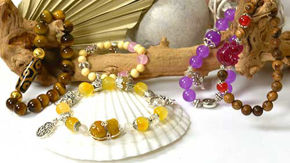
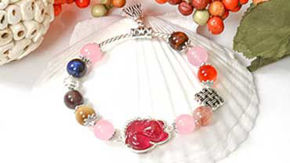


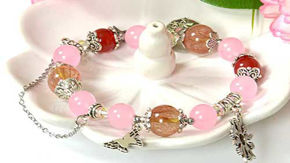
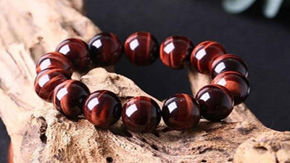

Healing jewelry is made from more than stones alone. The material of a piece—stone, metal, wood, seed, cord, charm, or symbol—affects its meaning, comfort, durability, style, and care needs.
Who this guide is for
This guide is for beginners who want to understand what healing jewelry is commonly made from before choosing a bracelet, necklace, pendant, mala, charm, or symbolic piece. It is also useful if you want to compare materials by meaning, feel, durability, and everyday wear rather than choosing only by appearance.
How this guide was prepared
This article was rebuilt as a clear beginner material guide for the Tittac Healing Jewelry cluster. It separates symbolic meaning from physical care, avoids medical or guaranteed outcome claims, and keeps the focus on material choice rather than turning into a stone encyclopedia, cultural history article, or jewelry care guide.
Quick Answer
Common materials in healing jewelry usually fall into four main groups: stones and crystals, metals, woods and seeds, and symbolic elements such as charms or carved motifs. Stones are often chosen for traditional meanings and color symbolism. Metals shape structure, finish, and durability. Woods and seeds bring a warmer, more natural or meditative feel. Symbols and charms often carry the clearest message of the piece. In real life, the best material is the one that fits your meaning, comfort, style, and care habits.
Important note: This guide discusses healing jewelry in a symbolic, spiritual, cultural, and mindfulness-oriented context. Jewelry, stones, crystals, metals, charms, and cleansing rituals should not be treated as medical treatment, diagnosis, therapy, or a guaranteed way to change health, love, money, luck, or emotional outcomes.
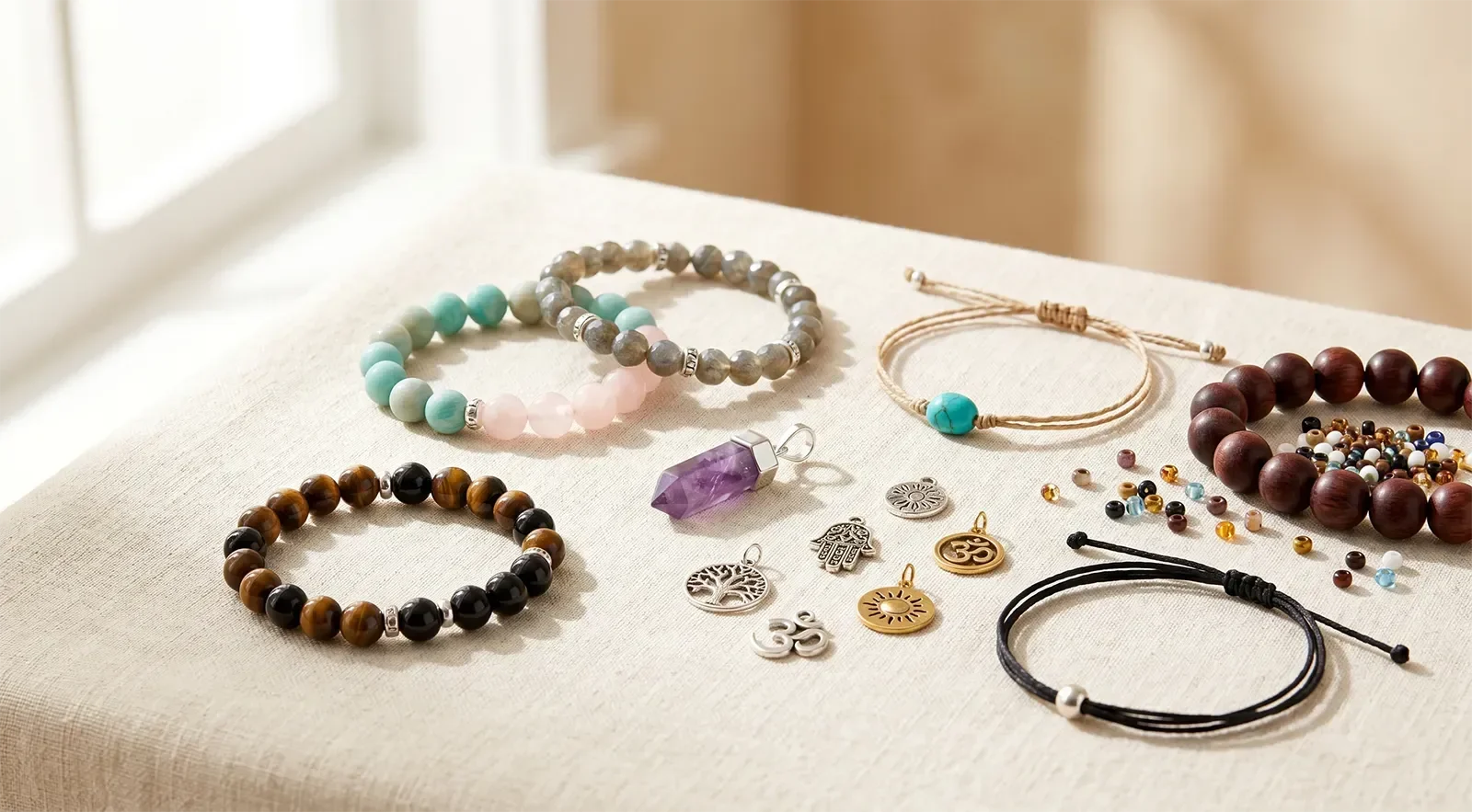
Table of Contents
How to read healing jewelry materials
The easiest way to understand healing jewelry is to look at each material from four angles: what it is, what it may symbolize, how it feels when worn, and how much care it needs.
- Material: The physical substance, such as stone, crystal, metal, wood, seed, glass, resin, cord, or plated setting.
- Meaning: The symbolic, spiritual, cultural, or personal association attached to the material.
- Wearability: How heavy, smooth, warm, polished, flexible, delicate, or easy to style the piece feels.
- Care needs: How the material responds to water, sweat, perfume, sunlight, storage, friction, or everyday use.
This matters because the meaning of a piece does not always come from the stone alone. In many designs, the metal setting, bead texture, charm, cord, carving, or cultural symbol carries just as much weight as the gemstone.
If you are new to the category itself, start with What Is Healing Jewelry? before going deeper into materials.
Main types of healing jewelry materials
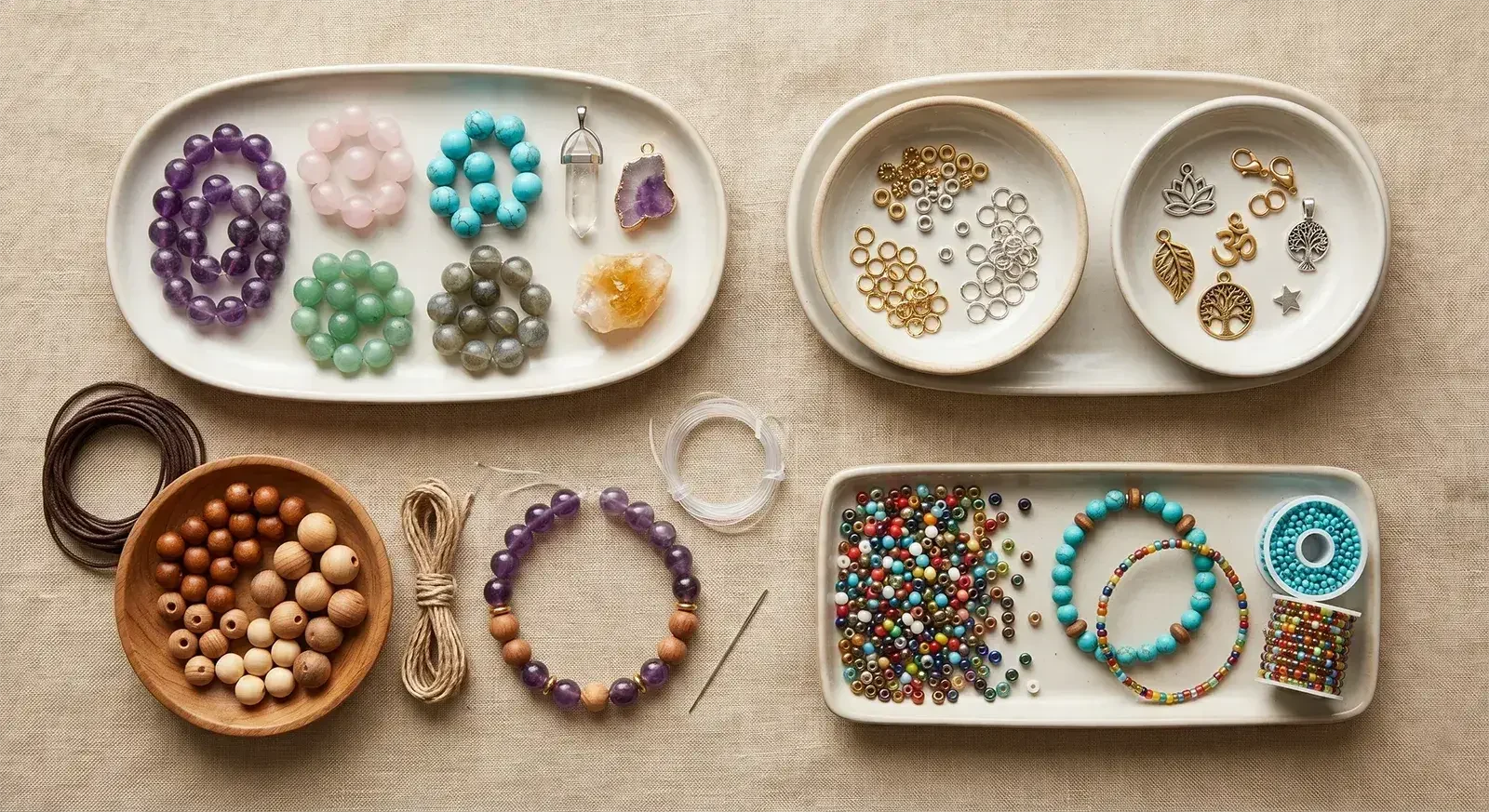
Most healing jewelry pieces combine more than one material. A bracelet may use gemstone beads, elastic cord, metal spacers, and a charm. A pendant may use a stone, a plated setting, and a chain. A mala may use wood, seed beads, knots, tassels, and a guru bead.
| Material type | Common role in healing jewelry | What to consider |
|---|---|---|
| Stones and crystals | Traditional stone meanings, color symbolism, visual focus | Hardness, treatment, authenticity, weight, and care needs |
| Metals | Structure, setting, finish, color tone, durability | Tarnish, plating, skin sensitivity, strength, and styling |
| Woods and seeds | Natural feel, prayer beads, meditation, grounding symbolism | Moisture sensitivity, fragrance exposure, texture, and storage |
| Symbols and charms | Personal message, spiritual motif, cultural or devotional meaning | Symbol accuracy, cultural respect, durability, and attachment quality |
| Cord and construction | Fit, flexibility, bead spacing, comfort, and everyday usability | Stretch, knots, clasp quality, replacement needs, and comfort |
Stones and crystals
Stones and crystals are the best-known materials in healing jewelry. They are often chosen for color, texture, traditional meaning, personal attraction, or symbolic intention. Common examples include amethyst, rose quartz, black tourmaline, jade, citrine, clear quartz, tiger’s eye, lapis lazuli, obsidian, and turquoise.
In symbolic use, stones are often associated with themes such as calm, grounding, clarity, confidence, compassion, protection, love, or focus. These meanings are best understood as traditional, spiritual, cultural, or personal associations—not guaranteed effects.
For beginners, it helps to think in broad categories:
- Soothing stones: Often chosen for calm, softness, emotional reflection, or gentle symbolism.
- Grounding stones: Often chosen for stability, strength, protection symbolism, or a more rooted feeling.
- Bright stones: Often chosen for optimism, confidence, warmth, or visual energy.
- Cultural stones: Stones such as jade may carry deeper cultural meaning beyond modern crystal descriptions.
Jade is a good example of why material meaning should not be reduced to a simple keyword. It has strong cultural, historical, and aesthetic importance in many East Asian contexts. For that topic, read Jade in East Asian Culture.
This guide keeps stone coverage broad. For individual stone meanings, continue with Healing Stones & Crystal Meanings.
Metals
Metals affect how healing jewelry looks, feels, lasts, and sits on the body. They may appear as chains, clasps, spacer beads, rings, bezels, wire wrapping, charms, or full metal settings.
Common metal choices include sterling silver, gold-filled or gold-plated metals, brass, bronze, copper, stainless steel, and mixed metal alloys. Each option has a different look, price point, maintenance level, and durability profile.
Metals can also carry symbolic meaning. Silver is often associated with reflection, calm, and moon imagery. Gold is often linked with warmth, brightness, value, and solar imagery. Copper is often appreciated for its earthy color, handcrafted look, and natural pairing with beads and stones.
The trustworthy way to discuss metals is through appearance, craftsmanship, symbolism, care, and wearability. It is better to avoid exaggerated claims that a metal can cure illness, fix circulation, remove pain, or produce guaranteed physical results.
Woods and seeds
Healing jewelry is not always gemstone-centered. Woods and seeds are common in mala beads, meditation bracelets, devotional strands, and pieces with a quiet natural style.
Wood beads are often chosen for warmth, simplicity, texture, and a more organic feel. Depending on the tradition and design, wood may be associated with grounding, prayer, mindfulness, humility, or connection to nature. Seed-based beads can also carry devotional or ritual meaning in some spiritual contexts.
These materials are especially appealing for people who do not want the weight, polish, or shine of gemstone jewelry. A wood or seed bracelet can feel lighter, softer, and more understated for daily wear.
The trade-off is care. Organic materials may react more noticeably to water, sweat, perfume, oils, sunlight, or rough storage. They should usually be treated more gently than hard stones or sturdy metal pieces.
Symbols and charms
In some healing jewelry pieces, the strongest meaning comes from the symbol rather than the stone. A charm, carved motif, pendant shape, sacred sign, or engraved bead can carry the main message of the design.
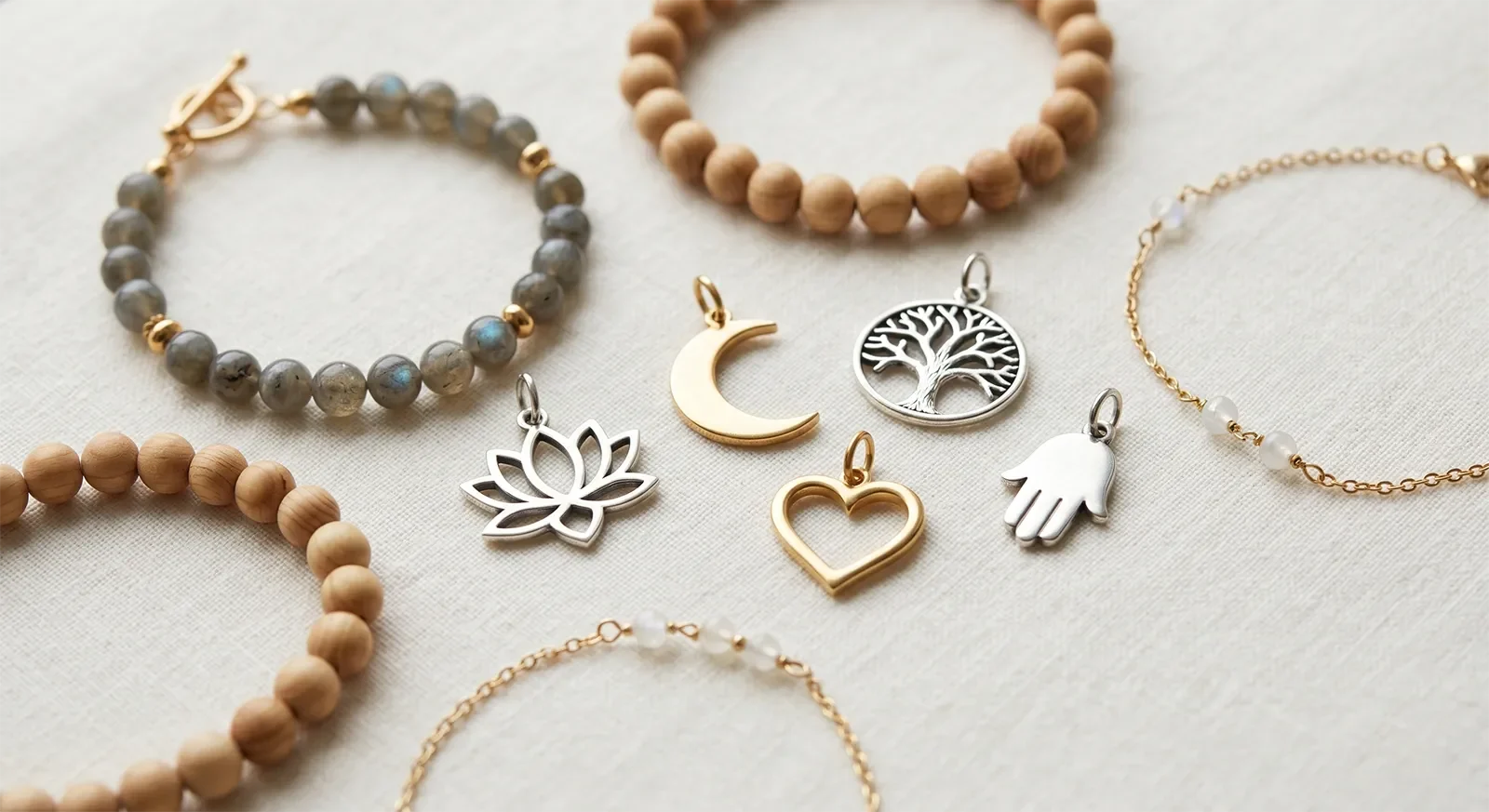
Common symbolic elements include lotus flowers, protective hands, tree motifs, moons, stars, hearts, zodiac signs, sacred syllables, crosses, and culturally specific signs. These symbols should be described carefully and respectfully, especially when they come from religious, cultural, or historical traditions.
A useful rule is simple: do not assume every symbol means the same thing in every culture. Some motifs are widely used in fashion, while others deserve more context. When the origin or meaning is uncertain, it is better to use softer language than to invent a confident explanation.
For buyers, symbols are often the most personal part of the piece. A bracelet may be chosen not because of the bead material, but because the charm represents protection, remembrance, faith, family, growth, or a personal intention.
Cords, beads, and construction details
Construction details are easy to overlook, but they strongly affect comfort and durability. Two bracelets made with the same stone can feel very different depending on bead size, cord quality, knotting, stretch, clasp style, spacer material, and overall weight.
- Elastic cord is easy to wear but may stretch over time.
- Knotted cord can feel more intentional and secure, especially in mala-style pieces.
- Metal clasps may feel more refined but need good construction and skin compatibility.
- Large beads can look bold but may feel heavy or bulky on smaller wrists.
- Small beads are often easier for daily wear but may look more subtle.
For everyday jewelry, comfort matters. A piece with beautiful symbolism is less useful if it pinches, feels too heavy, catches on clothing, or requires more care than you realistically want to give.
Care and durability
Material choice affects how long healing jewelry stays beautiful. Some materials tolerate everyday wear well. Others need careful handling.
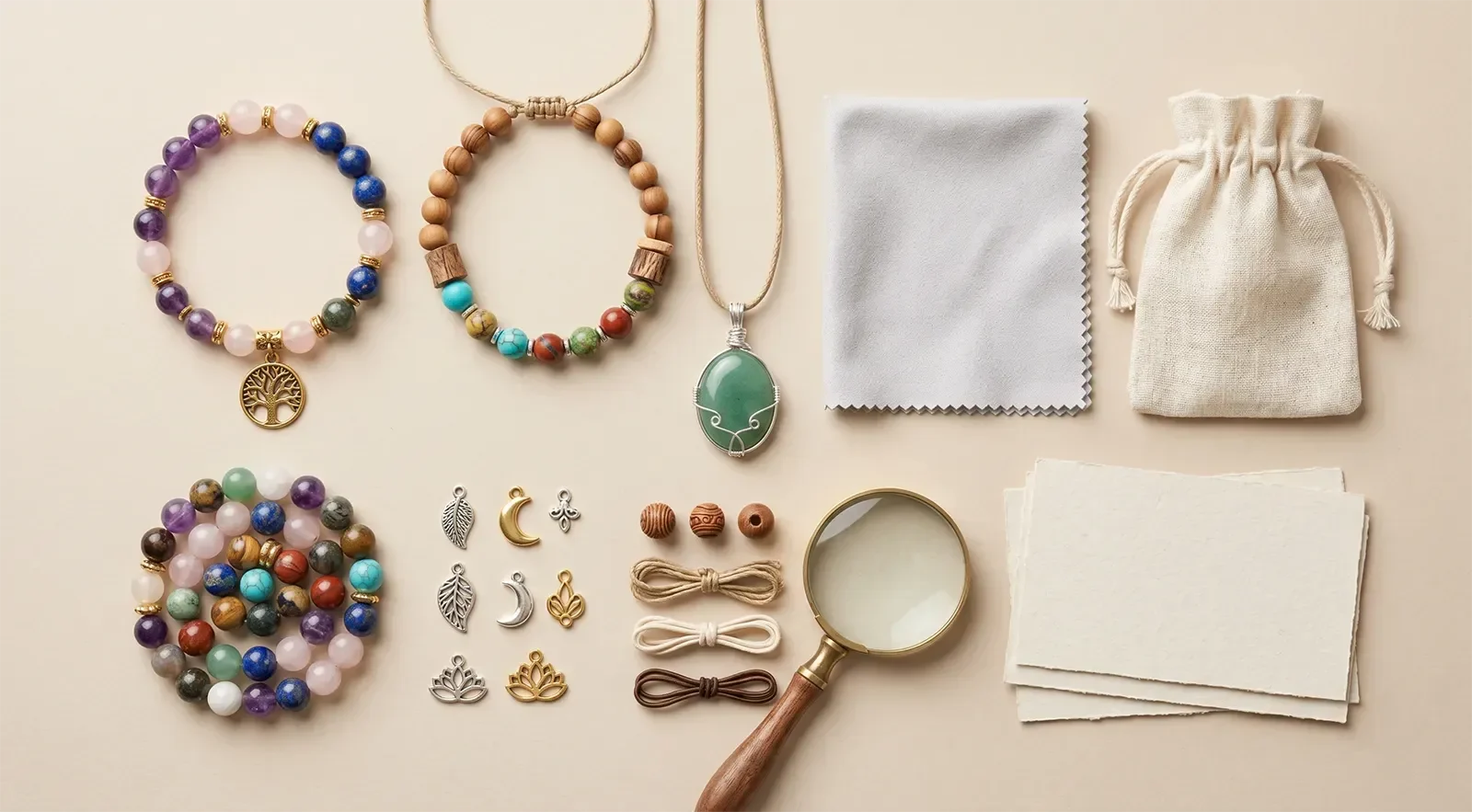
- Harder stones are often easier to wear daily, but hardness varies by stone.
- Porous stones may be more sensitive to water, oils, dyes, and chemicals.
- Plated metals can fade or wear down faster than solid or higher-quality metal options.
- Copper and brass may darken or develop patina over time.
- Wood and seed beads generally need protection from moisture and strong fragrance.
- Charms and carved details depend on how securely they are attached and how delicate the design is.
It is also important to understand disclosure. Some stones are natural, some are synthetic, and some are dyed, stabilized, heated, coated, or otherwise treated. Treatment does not automatically make a piece bad, but it should shape expectations around price, care, and authenticity.
For more detail, read Natural vs. Synthetic Stones and Gemstone Treatments 101.
Physical care is different from symbolic cleansing. Physical care means protecting the material from damage, moisture, chemicals, impact, and poor storage. Symbolic cleansing is a spiritual or personal ritual some people use to reset intention or meaning. For the full care guide, read How to Cleanse & Care for Healing Jewelry.
How to choose the right material
The best material is not always the rarest, most expensive, or most heavily marketed option. The best material is the one that fits your real life.
- Choose stones and crystals if you want color, traditional stone symbolism, and a strong visual focal point.
- Choose metal-forward pieces if you want structure, polish, durability, and easy styling with everyday outfits.
- Choose wood or seed jewelry if you prefer a lighter, warmer, natural, meditative, or understated feel.
- Choose symbol-led jewelry if the message, motif, or cultural meaning matters more than the base material.
- Choose simpler construction if you want something easy to wear, clean, store, and replace if needed.
A practical piece you actually wear is usually more meaningful than a complicated piece that stays in a drawer. Look for a balance of symbolism, comfort, craftsmanship, care needs, and personal connection.
Frequently Asked Questions
What are the most common materials in healing jewelry?
The most common materials in healing jewelry are stones and crystals, metals, woods, seeds, cords, charms, and symbolic motifs. Many pieces combine several materials in one design.
Is healing jewelry always made with gemstones?
No. Gemstones are common, but healing jewelry may also use wood, seed beads, metal charms, cord, glass, resin, carved symbols, or cultural motifs. The meaning of a piece may come from the symbol, material, design, or personal intention.
Do metals matter in healing jewelry?
Yes. Metals affect durability, color, finish, structure, comfort, and style. They may also carry symbolic associations, but they should not be described as guaranteed medical treatments.
Are natural stones better than synthetic stones?
Not always. Natural stones may be preferred for origin and traditional appeal, while synthetic or treated stones can be more affordable or visually consistent. What matters is honest disclosure, fair pricing, and whether the material fits your expectations.
Which healing jewelry materials are best for daily wear?
Daily wear depends on the specific material and construction. Sturdy metals, secure settings, comfortable bead sizes, and harder stones are often easier for everyday use. Porous stones, plated metals, woods, seeds, and delicate charms usually need gentler care.
Can the material of healing jewelry guarantee a result?
No. Healing jewelry materials may carry symbolic, spiritual, cultural, or personal meaning, but they should not be treated as guarantees for health, love, money, luck, protection, or emotional change.
How do I choose between stone, metal, wood, and charm jewelry?
Choose based on what matters most to you. Stones are best for color and traditional meanings. Metals are best for structure and polish. Woods and seeds are best for a natural or meditative feel. Charms and symbols are best when the message of the piece matters most.
Need help choosing a piece?
If you are comparing materials, meanings, and everyday comfort, Tittac can help you choose healing jewelry that fits your style, intention, and care habits without overpromising what the piece can do.