
If you are researching how massage chairs help relieve back pain and muscle tension, the most useful place to start is with realistic expectations. A massage chair may help some people feel less tight, more comfortable, and more relaxed after a session, especially when the issue is general back discomfort, everyday stiffness, or stress-related muscle tension. What it should not promise is a cure, a diagnosis, or a solution for every kind of back pain.
This guide stays focused on general expectations. It explains what a massage chair may help with, where its limits are, and when you should move to a more specific guide about lower-back features, sciatica, safe use, or choosing the right chair for your body.
Who this guide is for: Home users with general back discomfort or muscle tightness who want realistic expectations before buying or using a massage chair.
How this guide was prepared: This guide was prepared using conservative wellness guidance, plain-language clinical context, and practical home-user framing to explain comfort expectations without overpromising results.
Quick Answer
A massage chair may help relieve back pain and muscle tension for some people by easing tight muscles, encouraging a more relaxed body position, and making short periods of rest feel more comfortable. That can be useful when the problem is general stiffness, tension from long days, or mild everyday discomfort. But the results are not universal or guaranteed, and the relief may be temporary rather than lasting. A massage chair is best understood as a comfort and relaxation tool, not a diagnosis tool or a cure. If your pain is severe, persistent, worsening, or linked to leg symptoms, numbness, tingling, or other warning signs, start with safe-use guidance before relying on a massage chair.
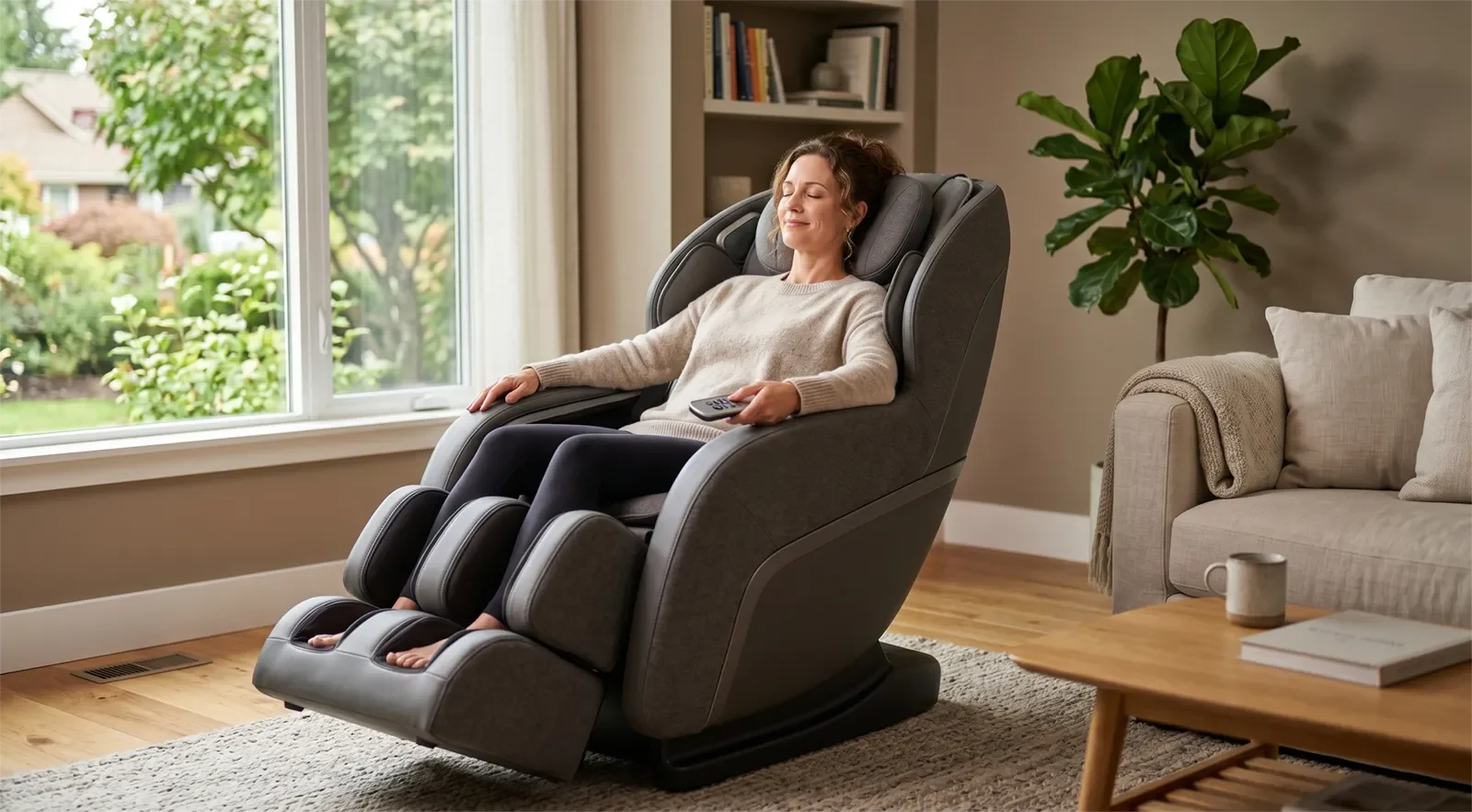
Table of Contents
What a massage chair may help with
General muscle tightness and everyday stiffness
Many people look at massage chairs because their back feels tight, tired, or overworked rather than because they have one clearly defined condition. That distinction matters. If your discomfort tends to come from long periods of sitting, commuting, stress, or ordinary physical fatigue, a massage chair may help reduce the feeling of stiffness across the upper, mid, or lower back. In that kind of use case, the goal is usually comfort, not correction.
Stress-related tension that settles into the back
Back discomfort is not always caused by one injury. Sometimes it builds gradually from stress, shallow breathing, tense posture, or long hours in the same position. A massage chair may help by making it easier to pause, recline, and let the back feel less guarded for a short period. That is why many users describe the benefit as “I feel looser” or “I feel less wound up,” not “my back problem is fixed.”
Short-term comfort after long days
For many home users, the most realistic benefit is short-term relief. After work, driving, caregiving, standing, or sitting for long periods, a massage chair may help the body feel calmer and less tense. That short-term comfort can still be meaningful, especially when the alternative is carrying the same tightness into the rest of the day or evening.
How massage chairs may create that feeling of relief
A massage chair may create a sense of relief in a few practical ways. It can combine rolling or kneading movement across the back, a reclined position that feels more supported, and in some models gentle heat or air compression. None of that automatically makes a chair “medical.” It simply changes how supported, relaxed, or less tense your body feels during and after a session.
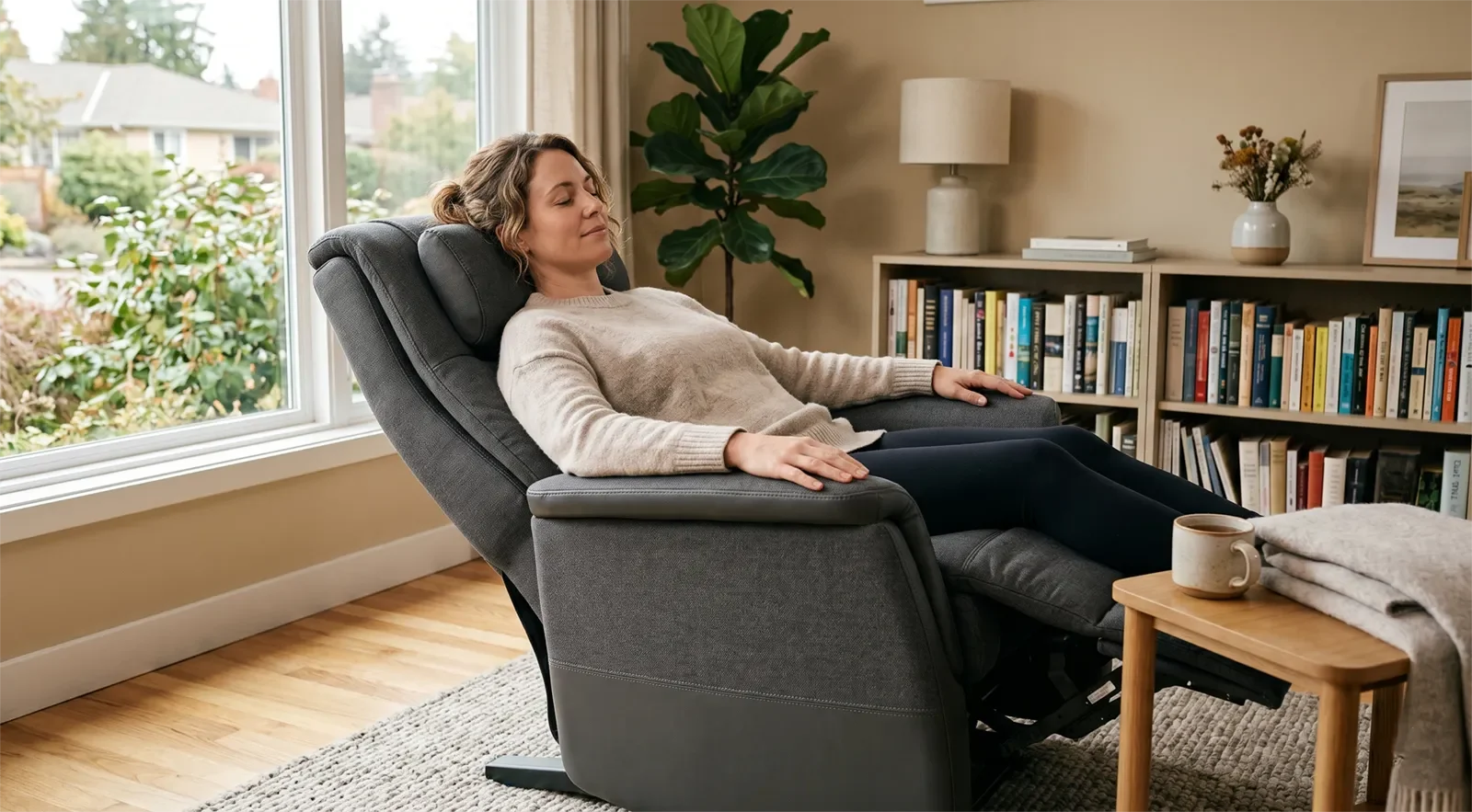
In real home use, the benefit often comes from a combination of factors: less muscle tightness, a more settled body position, a break from activity, and a short period of uninterrupted rest. That is why even a helpful chair is best understood as part of a comfort routine, not as a guarantee of long-term pain relief.
The chair also has to fit the person using it. Roller position, pressure level, recline angle, body scan accuracy, and program strength can all change how comfortable the session feels. If you are still deciding what kind of chair fits your home and body, read our guide on how to choose the best massage chair for your home before focusing only on pain-related claims.
What a massage chair cannot promise
It cannot explain the cause of your back pain
Back pain is a broad symptom, not one single problem. Muscle strain, joint irritation, posture habits, disc-related issues, nerve irritation, and other causes can feel very different. A massage chair does not tell you which of those is happening. It may help you feel better for a while, but it does not diagnose the source of the pain.
It should not be treated like a cure
Even when a massage chair feels helpful, that does not mean it is fixing the underlying reason you hurt. Some people feel noticeably better after a session but still need changes in their daily routine, workstation setup, movement habits, or clinical care. Relief can be real without being complete or permanent.
It is not the right tool for every situation
A massage chair is usually more appropriate for general comfort, relaxation, and muscle tightness than for unexplained, severe, sharp, worsening, or nerve-like symptoms. If your discomfort is unusual, spreading, or hard to understand, start with our health and safety guide when using a massage chair before treating massage-chair use as a routine solution.
Why results vary from person to person
The type of discomfort matters
A massage chair may feel more helpful for generalized tightness than for pain driven by a narrower structural or nerve-related issue. That is why one user may call it a useful nightly comfort tool while another feels only limited benefit. The chair is not necessarily “good” or “bad” in isolation; the result depends on the person, the type of discomfort, and how the chair is used.
Fit and pressure matter
A chair that feels supportive at a gentle setting may feel too aggressive at a higher one. Likewise, a roller path that helps one user unwind may feel less helpful to another. In practice, a better question is not just “Does massage help?” but “Does this pressure, roller position, and support feel appropriate for the kind of discomfort I actually have?”
Age, sensitivity, and health history matter
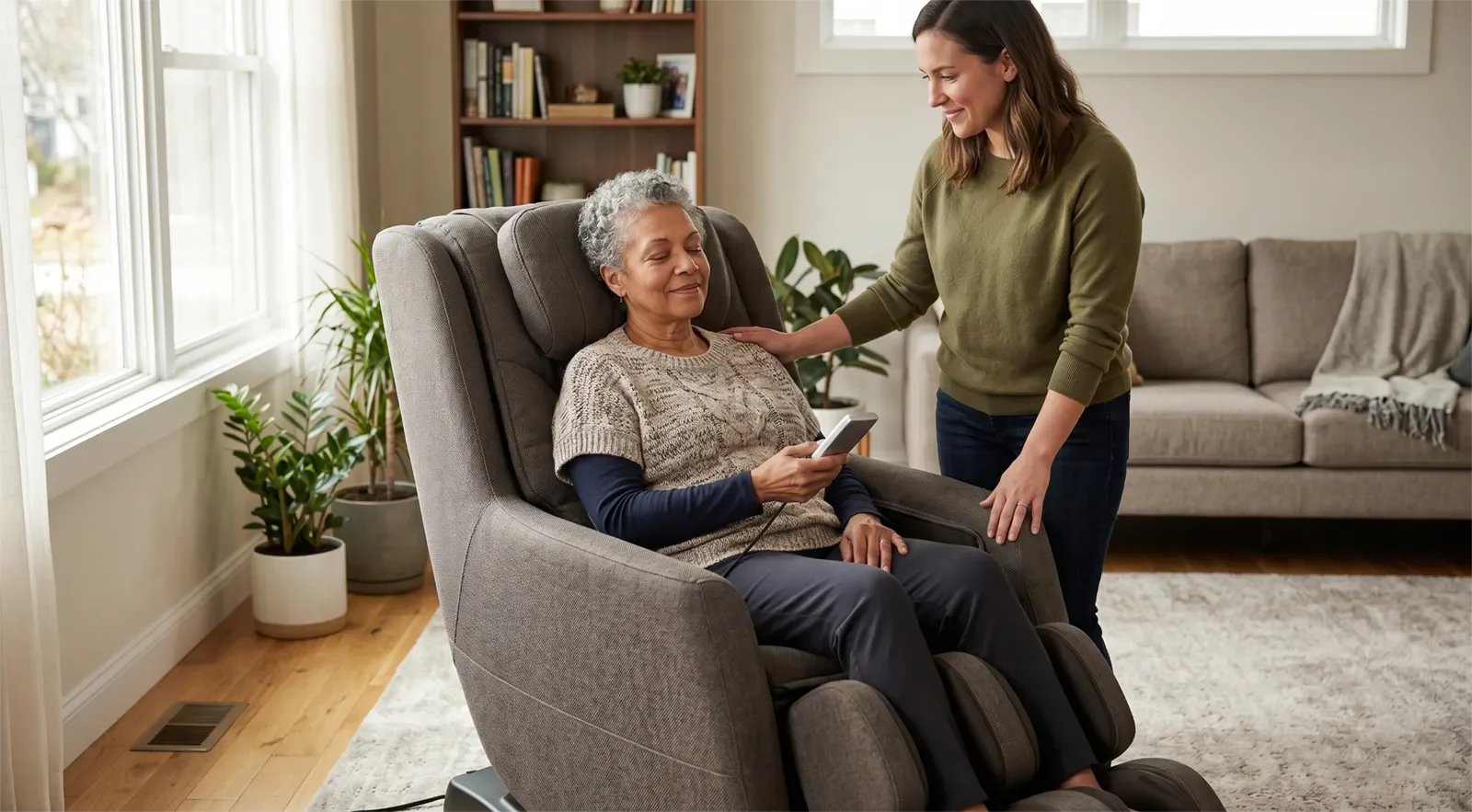
Older adults and people with sensitive backs may need a more cautious approach to pressure, heat, recline angle, and session length. Stronger massage is not automatically better. If the chair is for a parent or senior family member, our guide to massage chairs for seniors can help you think through comfort, ease of use, and safety more carefully.
Short-term relief is different from long-term change
Some people expect a massage chair to create lasting pain improvement after only a few sessions. A more realistic expectation is that it may support comfort in the moment and, for some users, become part of a better day-to-day routine. That can be useful, but it is not the same thing as solving the entire reason for the pain.
When to read a more specific guide
If your question is really about lower-back-focused support
This article does not own lower-back feature matching. If your real question is which kinds of support may feel better for lower-back discomfort, move to our guide on massage chairs for lower back pain. That page is the better place for narrower feature-oriented thinking.
If your concern is sciatica or radiating symptoms
This article also does not own sciatica. If the pain seems to travel, burn, tingle, or behave more like nerve irritation than general muscle tension, read our guide on massage chairs for sciatica. That topic needs a more cautious frame than general back tightness.
If you are unsure whether massage-chair use is appropriate at all
If your discomfort is severe, worsening, newly unusual, or comes with questions about safe use, stop treating this as only a comfort decision. Go to our health and safety guide when using a massage chair for the guardrails this page intentionally does not try to absorb.
How to use a massage chair with realistic expectations
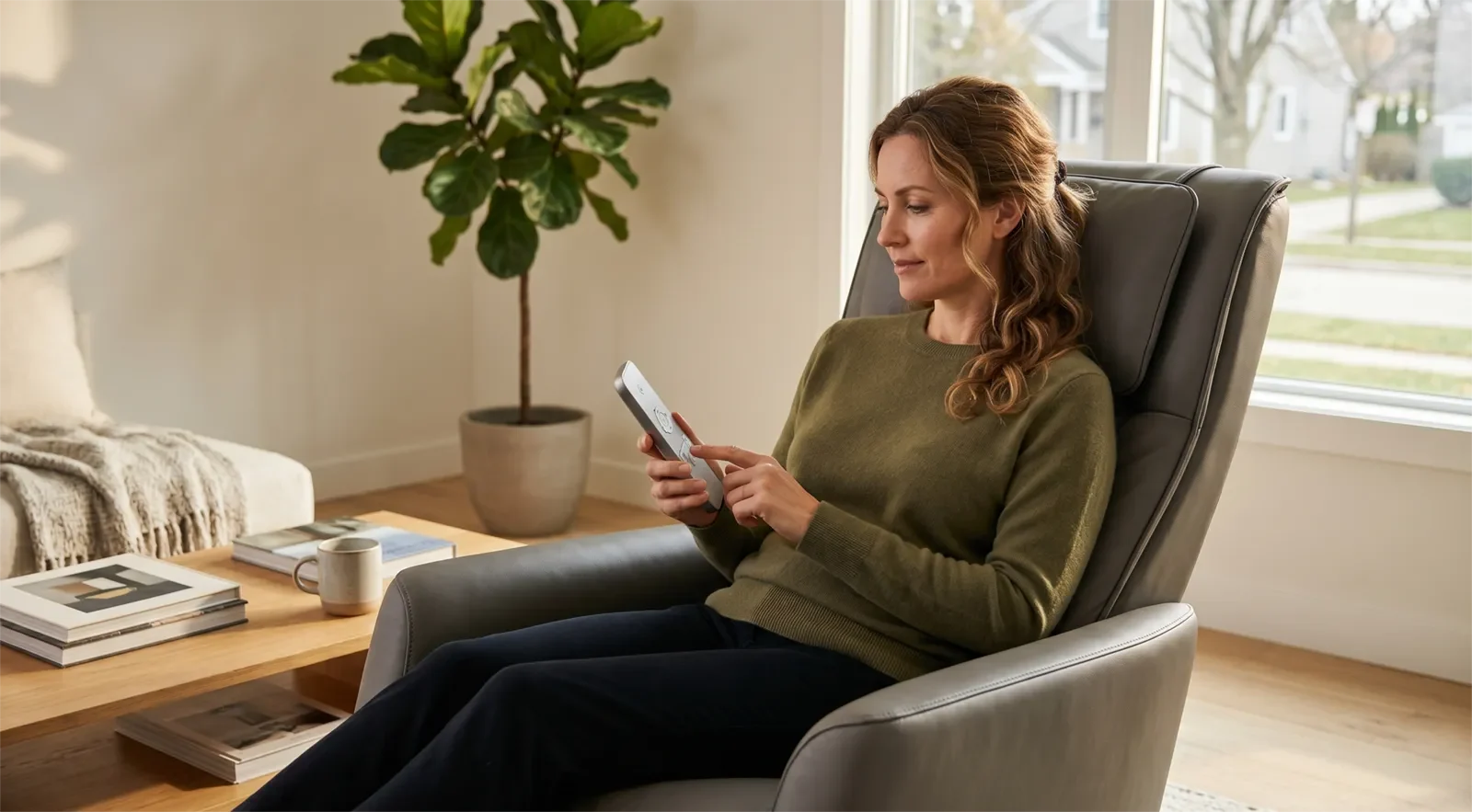
- Start with a gentle program instead of assuming stronger is better.
- Use the chair for comfort and relaxation, not to push through sharp or worsening pain.
- Pay attention to how you feel later, not only during the session.
- Think in terms of support for everyday comfort, not guaranteed long-term results.
- Stop the session if pain, irritation, numbness, tingling, or radiating symptoms increase.
- Use shorter sessions first, especially if you are new to massage chairs or more sensitive to pressure.
Frequently Asked Questions
Can a massage chair help back pain?
It may help some types of general back discomfort, especially when muscle tightness, stress, or everyday stiffness are part of the picture. It is less useful as a blanket answer for every cause of back pain, which is why realistic expectations matter.
Is the relief from a massage chair usually permanent?
Usually not. For many people, the benefit is short-term comfort rather than a permanent change. That can still be valuable, but it should not be confused with a cure or a full solution.
Can a massage chair help with muscle tension after sitting all day?
Yes, it may help ease the tight, compressed feeling that builds up after long hours of sitting, driving, or desk work. That kind of tension often responds better to gentle comfort-based use than to aggressive settings.
What if my back pain also goes into my leg?
That is no longer a simple general back-tension question. If your symptoms radiate into the leg or feel numb, tingly, burning, or nerve-like, move to the sciatica page and the safety guide instead of relying on this general expectations article alone.
Should I use the strongest massage setting for back tension?
Not at first. Strong pressure can feel impressive during the session but may be too much for some users, especially if the back is already sensitive. Start gently, then adjust only if your body responds well.
Need help choosing carefully?
If you are comparing massage chairs for general back comfort, muscle tension, or a family member with sensitivity concerns, Tittac can help you think through fit, pressure level, ease of use, and safe expectations before you choose. Contact Tittac for practical massage chair guidance based on your body, home, and comfort needs.