

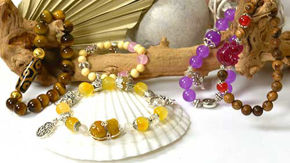
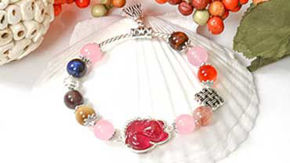


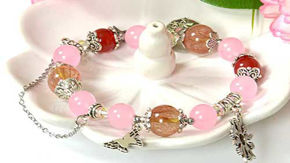
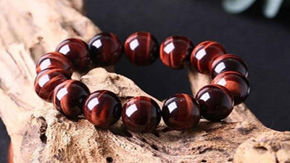

When choosing between a healing bracelet and a healing necklace, the better option is usually the one that fits your real daily life. A bracelet works well if you want something visible, tactile, and easy to notice throughout the day. A necklace works better if you want something lower-friction, more discreet, and easier to wear without interrupting your hands, work, or routine.
Who this guide is for: This guide is for readers deciding between a bracelet and a necklace as their first or next piece of healing jewelry, especially if comfort, visibility, workday habits, styling, and personal intention all matter.
How this guide was prepared: This article was built as a direct format comparison. It focuses only on bracelet-versus-necklace decision logic, not the full healing jewelry category, stone meanings, mala use, or men’s styling questions. Those topics are handled by narrower guides where they belong.
Many people ask whether a healing bracelet or necklace is “better.” The cleaner answer is this: neither format is automatically better. A bracelet and a necklace create different wearing experiences. One keeps the piece in your line of sight. The other can feel more centered, private, and easier to live with during a busy day.
If you want the broader map of jewelry formats, start with Types of Healing Jewelry. If you are choosing your first piece overall, read How to Choose Your First Healing Jewelry Piece. This page stays focused on one question only: should you choose a bracelet or a necklace?
Table of Contents
Quick Answer
Choose a healing bracelet if you want jewelry you can see, touch, and notice often during the day. Bracelets are usually more tactile and interactive, which makes them helpful as daily reminder pieces. Choose a healing necklace if you want something more discreet, lower-friction, and easier to wear while typing, cooking, working, or moving your hands. A necklace often feels more stable and private, especially when worn under clothing or with a simple pendant.
The best choice is not about which format is more powerful. It is about which piece you will wear comfortably and consistently.
Bracelet vs. Necklace at a Glance
| Decision Factor | Bracelet | Necklace |
|---|---|---|
| Best for | Visible reminders, tactile wear, casual daily use | Discreet wear, lower friction, outfit integration |
| Visibility | Usually easier to see throughout the day | Visible depending on neckline, chain length, and pendant size |
| Touch factor | High; easy to feel, adjust, and notice | Lower; more passive unless worn as a pendant you touch often |
| Workday comfort | Can interfere with typing, sleeves, desks, or hand movement | Often easier for hand-heavy work |
| Styling feel | Casual, stackable, relaxed | Polished, centered, easy to match with outfits |
| Privacy | More visible during normal movement | Can be worn under clothing for a more private feel |
| Gift risk | Fit matters, especially wrist size and bead size | Often easier if chain length is adjustable |
| Best first choice if... | You already like wrist jewelry | You dislike wrist jewelry or want less daily interruption |
Choose a Bracelet If...
You want to notice your jewelry often
A bracelet stays in your visual field more than a necklace. You may see it while typing, driving, holding a cup, writing, or reaching for something. If you want your jewelry to act as a small daily cue, a bracelet usually does that better.
You like tactile jewelry
Bracelets are easy to touch and adjust. Some people like feeling the beads, noticing the weight, or gently moving the bracelet during the day. That tactile quality can make a bracelet feel more interactive than a necklace.
You prefer casual, everyday styling
Bracelets often feel easy and relaxed. They can be worn alone, stacked with other bracelets, or paired with a watch. If your personal style is casual, minimal, earthy, or layered, a bracelet may fit naturally.
You want a simple beginner piece
For many people, a bracelet is the easiest first piece of healing jewelry. It is familiar, easy to wear, and simple to understand. If you already enjoy wearing wrist jewelry, a bracelet can be a natural starting point.
The main caution is friction. Bracelets touch desks, sleeves, sinks, bags, keyboards, and other surfaces. If you remove bracelets often while working, cooking, or washing your hands, a necklace may be more realistic.
Choose a Necklace If...
You want less interruption during the day
A necklace usually stays out of the way during hand-heavy tasks. It does not hit the desk while typing, move around your wrist, or need to be removed every time you wash your hands. If you work with your hands, a necklace may be easier to live with.
You prefer something more private
A necklace can be visible or discreet depending on how you wear it. A pendant under clothing can feel personal without being obvious. This makes necklaces appealing for people who want symbolic jewelry that does not draw constant attention.
You want a polished focal point
A necklace can frame an outfit more directly than a bracelet. A simple stone pendant, fine chain, or small charm near the collarbone can feel intentional without being loud. If you want healing jewelry to blend into your wardrobe, a necklace may be the cleaner choice.
You do not like wrist jewelry
This is the simplest reason to choose a necklace. If bracelets bother you, slide around, feel distracting, or get in your way, do not force the format. A necklace may give you the symbolic and visual value without the wrist discomfort.
The main caution is chain comfort. Chain length, pendant weight, neckline, and metal sensitivity all matter. A necklace that looks beautiful but feels tight, heavy, or awkward will not become a daily piece.
Visibility and Touch
Bracelets are usually better for people who want frequent visual reminders. Because they sit on the wrist, they appear naturally during ordinary movement. This makes them feel more active and present.
Necklaces are usually better for people who want the piece close to the body but not constantly in view. A necklace can still feel meaningful, but the experience is quieter. You may feel it against the skin or know it is there without looking at it repeatedly.
This difference matters because healing jewelry is often personal. Some people want to see the piece often as a reminder of calm, focus, protection symbolism, self-love, or grounding. Others prefer a piece that feels private and steady rather than visually active.
If you want interaction, choose a bracelet. If you want quiet presence, choose a necklace.
Comfort and Daily Routine
Your routine should decide more than theory does. A bracelet may sound perfect until it gets in the way of your work. A necklace may sound discreet until the chain bothers your neck or catches on clothing.
A bracelet may not be ideal if you:
- Type for long hours and dislike wrist movement
- Wash your hands frequently
- Work with tools, food, water, or equipment
- Wear tight sleeves or uniforms
- Do not like jewelry touching your wrist
A necklace may not be ideal if you:
- Dislike anything around your neck
- Wear high collars often
- Prefer jewelry you can see without a mirror
- Find chains irritating or distracting
- Want something highly tactile during the day
The most practical question is not “Which one has stronger meaning?” It is “Which one can I wear without constantly taking it off?”
Style and Layering
Bracelets and necklaces create different style signals.
A bracelet often feels casual, approachable, and stack-friendly. It works well with relaxed outfits, denim, linen, sweaters, T-shirts, and everyday workwear. A single bracelet can feel minimal. A bracelet stack can feel more expressive. If you want to learn more about styling without overdoing it, see How to Style Healing Jewelry for Everyday Outfits.
A necklace often feels more polished and centered. It can sit near the collarbone, drop lower as a pendant, or layer with other chains. Necklaces tend to interact more with neckline, outfit shape, and visual balance. A small pendant can feel refined. A larger stone pendant can become the focal point of the outfit.
For men’s styling, the answer depends on personal style rather than gender rules. Some men prefer bracelets because they feel relaxed and easy with watches. Others prefer necklaces because they are more discreet under a shirt. For that narrower question, use Men’s Healing Jewelry Style Guide.
Choosing by Intention
Intention does not mean you must treat jewelry as a guarantee. A more grounded way to use intention is to choose a piece that reminds you of a theme you want to carry: calm, focus, confidence, softness, grounding, love, protection symbolism, or reflection.
Choose a bracelet for active reminders
A bracelet may fit better if you want to see the piece often and reconnect with your intention during normal movement. It works well for people who like small visual cues throughout the day.
Choose a necklace for quiet closeness
A necklace may fit better if you want the piece to feel more private, centered, or close to the body. It can be a good choice when the meaning is personal but you do not want the jewelry to interrupt your routine.
Choose based on behavior, not pressure
If you never wear bracelets, do not choose one just because bracelets are popular. If you rarely wear necklaces, do not choose one because it sounds more symbolic. The right format is the one your real habits will support.
Which Is Better as a Gift?
A necklace is often the safer gift if you are unsure about wrist size. Adjustable chains give more flexibility, and a pendant can feel personal without needing exact sizing.
A bracelet can be a beautiful gift if you know the person already wears bracelets or likes beaded jewelry. It may feel more intimate because wrist jewelry is more noticeable in daily movement. But fit matters. Bead size, wrist size, stretch quality, and bracelet length all affect comfort.
For a safer gift decision, ask one simple question: what does this person already wear? If they wear necklaces often, choose a pendant or necklace. If they wear bracelets often, choose a bracelet. Their existing habits are better evidence than guessing based on symbolism.
A Grounded Note on Meaning
Bracelets and necklaces are often chosen for symbolic meaning, but neither format should be presented as medically or spiritually superior. A bracelet does not guarantee better energy. A necklace does not guarantee deeper protection. The value is in personal meaning, comfort, beauty, and how naturally the piece fits into your life.
A grounded choice sounds like this: “I choose a bracelet because I want a visible reminder during the day,” or “I choose a necklace because I want something private and easy to wear.” That is clearer and more useful than chasing the format that sounds more powerful.
Frequently Asked Questions
Is a bracelet or necklace better for healing jewelry?
Neither is automatically better. A bracelet is better if you want something visible and tactile. A necklace is better if you want something lower-friction, more discreet, or easier to wear during hand-heavy tasks.
Which is easier to notice during the day?
A bracelet is usually easier to notice because it stays in your line of sight while you use your hands. A necklace can still feel meaningful, but it is usually less visually present unless worn prominently.
Which is more comfortable for work?
A necklace is often more comfortable for hand-heavy work because it does not interfere with typing, tools, handwashing, or desk contact. A bracelet may still work well if you already enjoy wrist jewelry.
Which is better for layering?
Bracelets are often easier for casual stacking. Necklaces can also layer beautifully, but chain length, neckline, and pendant size matter more.
Which is more discreet?
A necklace is usually more discreet, especially when worn under clothing or as a small pendant. A bracelet is more visible during everyday movement.
Which is better as a first healing jewelry piece?
A bracelet is often the easiest first piece if you already like wrist jewelry. A necklace may be better if you dislike bracelets, work with your hands, or want something more private.
Which is better as a gift?
A necklace is often safer if you do not know the recipient’s wrist size. A bracelet is a good gift if the person already wears bracelets and likes visible daily jewelry.
Can I wear both a bracelet and a necklace?
Yes. You can wear both if the combination feels comfortable and balanced. Keep the styling simple by choosing one focal point, matching metal tones when possible, and avoiding too many competing stones at once.
Related Guides
- Types of Healing Jewelry
- How to Choose Your First Healing Jewelry Piece
- How to Style Healing Jewelry for Everyday Outfits
- Mala Beads 101
- Men’s Healing Jewelry Style Guide
Next step: If you now understand the bracelet-versus-necklace difference but still are not sure what to buy first, continue with How to Choose Your First Healing Jewelry Piece. That guide helps you move from format choice into a clearer first-purchase decision.