








Ampyon Karaoke Systems Explained
Written by Toan Ho — Tittac editorial team.
Who this guide is for: This guide is for home karaoke buyers who want to understand the Ampyon lineup in plain English instead of trying to decode model names one by one.
How this guide was prepared: This guide was prepared using the current Ampyon lineup and buying paths shown on Tittac, including the Essential, Family, Performance, and Elite series, along with Analog, Digital, Hybrid, and portable-vs-full-size directions, then organized into a practical room-first guide.
Need help choosing the right setup for your home? Visit our Garden Grove showroom or contact Tittac for help in English or Vietnamese.
Ampyon can look confusing at first because the lineup is not built around just one kind of buyer. Some systems are meant to feel simple and family-friendly. Others make more sense in larger rooms, with more frequent singing, or for buyers who want more control over the day-to-day karaoke experience. That is why reading Ampyon as a list of names usually creates more confusion than clarity.
The easier way to understand it is to sort the lineup by four things that actually matter at home: room size, how often your household sings, what kind of control style feels natural, and whether the system will stay in one room or move around. If you want the broader foundation before narrowing down to one brand, start with The Complete Guide to Home Karaoke Systems.
Table of Contents
Quick Answer
Ampyon is not one single kind of karaoke system. In the current Tittac lineup, Essential and Family usually make more sense for smaller, simpler, or more family-oriented home use, while Performance and Elite make more sense when the room is more demanding, the system is used more often, or the buyer wants a stronger room presence. Choose Analog if you want direct hands-on simplicity, Digital if you want a more modern screen-friendly workflow, and Hybrid if you want a middle ground.
For most homes, the smartest rule is to choose Ampyon by room size first, everyday use second, and control style third. That usually leads to a better decision than chasing the biggest-looking package or assuming the highest tier is automatically the best fit.
What Matters Most When Choosing Ampyon Karaoke Systems
Room Size and Home Setup
The first thing to understand about Ampyon is that the lineup only makes sense when you start with the room. A smaller living room, a shared family room, and a larger open space do not ask for the same kind of system. In a smaller or more controlled room, a simpler Ampyon direction often feels more balanced, easier to live with, and less likely to become “too much system” for the space. In a larger room, the problem changes. Buyers usually need more confidence, more coverage, and a setup that still feels comfortable once more people start singing.
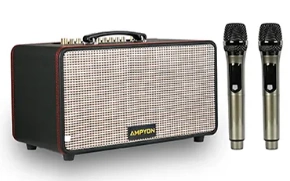
It also matters whether karaoke stays in one room or moves around the home. A full-size Ampyon package and a portable Ampyon route are not competing answers to the exact same problem. One is usually about planted room performance and steadier day-to-day use. The other is about flexibility, easier storage, and simpler movement between spaces.
Ease of Use and Daily Workflow
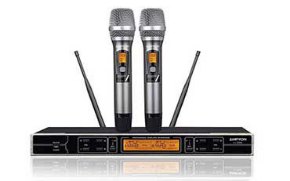
This part matters more than many buyers expect. A system can look impressive on paper and still feel wrong if the household does not enjoy using it. Analog Ampyon usually fits homes that want direct knob-based adjustment and a more immediate feel. Digital Ampyon usually fits homes that use TV-based karaoke often and want a more modern control experience. Hybrid exists for buyers who want some newer convenience without giving up a more familiar everyday workflow.
The important question is not which control style sounds more advanced. It is which one your household will actually use comfortably. If the system feels natural, people use it more. If the system feels fussy, it starts to feel like work instead of entertainment.
Long-Term Value and Upgrade Path
Good value does not always mean the lowest tier, and it does not always mean buying higher “just in case.” The real goal is to buy the amount of system your room and routine actually justify. Essential and Family are not lesser answers just because Performance and Elite exist. In many homes, they are the smarter answers because they fit the space, the family, and the typical singing pattern better. On the other side, larger rooms or heavier weekly use can make a smaller-feeling choice seem fine at first, then limiting a few months later.
Ampyon becomes easier to understand when you stop asking “Which series is best?” and start asking “Which series solves my room and routine without making life harder?” If you are still deciding whether your home really needs a planted full-size setup or a more flexible route, compare that next in Portable vs Full-Size Karaoke Systems.
| Factor | Why it matters | Common mistake |
|---|---|---|
| Room size | Shapes how much system the space can actually use comfortably | Choosing by series name instead of the room where karaoke really happens |
| Home setup style | Decides whether full-size or portable makes more practical sense | Paying for mobility when the system will mostly stay in one place |
| Control style | Affects whether the system feels natural or frustrating to use | Assuming analog, digital, or hybrid is “better” without matching household habits |
| Frequency of use | Helps separate casual family use from more regular home singing | Buying too much system for occasional use or too little for frequent use |
| Upgrade path | Prevents overspending now or underbuying for the long run | Shopping for status instead of a realistic long-term fit |
The Best Fit for Different Home Use Cases
Best for Casual Family Use
Best for: Smaller or medium shared rooms, occasional weekend singing, mixed-age households, and buyers who want Ampyon to feel easy to understand and easy to enjoy.
Not ideal if: Your room is larger and more demanding, the system gets used heavily, or you already know you want a stronger more planted home-karaoke feel.
Why this fit makes sense: This is usually where Essential and much of the Family direction make the most sense. They are easier to justify when the goal is smooth family karaoke, not chasing the highest tier. In many homes, that creates a better long-term experience because the system feels comfortable and repeatable instead of oversized or needlessly involved.
Best for Regular Home Singing
Best for: Homes where karaoke is a real routine, the system lives in one main room, and buyers want a setup that feels more settled and confident over time.
Not ideal if: The system only comes out occasionally, the budget is better spent on simplicity, or the room itself does not benefit from moving up in scale.
Why this fit makes sense: This is where Family starts to lead into Performance, depending on room demands and how serious the use case feels. A buyer who sings often usually notices daily workflow and room confidence more than a casual buyer does. That is why a slightly more capable Ampyon system can feel more “worth it” in a routine-use home than it would in an occasional-use home.
Best for Buyers Who Care About Control Style
Best for: Buyers who already know that how the system operates day to day matters almost as much as the speaker side itself.
Not ideal if: You are still unclear on room size, portability, or how often the system will be used, because those decisions should come first.
Why this fit makes sense: Analog, Digital, and Hybrid are best understood as daily-use personalities, not marketing labels. Analog tends to fit buyers who want straightforward hands-on adjustment. Digital tends to fit TV-centered karaoke routines and a more modern control path. Hybrid tends to fit buyers who want a middle ground. If your home karaoke habit revolves around TV lyrics, streaming, and wireless mics, workflow matters a lot more than many people expect.
Budget, Room Size, and Setup Trade-Offs
Enough is not the same as overkill. In many homes, the right Ampyon system is simply the one that fits the room, feels natural to operate, and stays enjoyable for regular family use. That is enough. Buyers get into trouble when they assume better value always means moving up the ladder. Sometimes it does. Sometimes it just means paying more for scale or depth the room will never really use.
Overkill usually shows up in one of two ways: the room feels crowded by too much system, or the buyer ends up managing more control and presence than the household ever wanted. Underbuying shows up in the opposite direction: the system feels fine in quiet moments, then starts to feel thin, stressed, or limited once the room is fuller and the night gets longer. The practical goal is not to buy the “biggest safe choice.” It is to buy the right level for normal home use.
| Scenario | What usually works | When to spend more | When not to |
|---|---|---|---|
| Small or medium shared living room | Essential or Family direction with a control style that feels easy at home | When karaoke is frequent and the room starts to ask for more confidence | When a higher tier would mostly add complexity or size you do not need |
| Regular family karaoke in one main room | Family or selected Performance depending on room demand | When the system is used often enough that better room authority is noticeable | When the current room and routine are still fundamentally casual |
| Larger open room or more demanding space | Stronger Performance or Elite direction if the room clearly justifies it | When coverage, headroom, and room confidence are obvious priorities | When the higher tier is being chosen mainly for status, not actual room needs |
| Home that needs movement and storage flexibility | Portable Ampyon route | When portability is part of the real use case every week | When the system will mostly live in one room anyway |
Common Buying Mistakes to Avoid
Mistake 1
The most common mistake is buying by series name instead of room fit. Buyers see words like Performance or Elite and assume they must be the “better” answer. But a higher series only makes sense when the room and use case actually need it. Otherwise, the buyer is paying for somebody else’s problem, not solving their own.
The better way to think about it is simple: start with the room where you will sing most often, then let the series follow from that reality.
Mistake 2
Another common mistake is treating Analog, Digital, and Hybrid like a ranking system. They are not. They are different ways of living with karaoke at home. One household may love direct knob control. Another may strongly prefer a more modern TV-friendly workflow. The wrong choice is usually not “bad sounding.” It is just annoying to operate in daily life.
The fix is to buy for household habits, not for whichever label sounds more advanced.
Mistake 3
The third mistake is letting portability distract from the real job. Some buyers talk themselves into portable because flexibility sounds attractive, even though the system will mostly stay in one room. Others ignore portable completely even when the home clearly needs easier movement and storage. Both mistakes come from not being honest about how the system will actually be used.
The correction is to decide early whether Ampyon needs to live in one room or move around. That one answer removes a lot of confusion from the lineup.
How to Choose the Right Ampyon Karaoke System in 60 Seconds
- Room/use case: Start with the room where karaoke happens most often and decide whether it is small, medium, large, or more open than average.
- Ease of use: Ask whether your household prefers direct hands-on adjustment, a more modern TV-friendly workflow, or a middle ground.
- Sound/control priority: Decide whether your bigger priority is a simpler family-friendly setup, a stronger planted home setup, or a control style that feels more natural day to day.
- Budget boundary: Set the budget around your normal use case, not the biggest rare gathering and not the most impressive-looking tier.
- Upgrade or keep simple: If karaoke is becoming a regular home habit, buy with some room to grow. If it is mostly occasional family use, keep the choice cleaner and simpler.
If you only remember one thing, remember this: choose Ampyon by room size first, routine second, and control style third. That order prevents a lot of overspending and a lot of confusion.
Frequently Asked Questions
What is the main difference between Ampyon Essential, Family, Performance, and Elite?
The easiest way to read the series is by room fit and use intensity. Essential is the easier starting point, Family is more living-room- and group-friendly, Performance leans toward stronger control and room confidence, and Elite makes the most sense when the room and overall home setup are clearly more demanding.
Should I choose analog, digital, or hybrid for an Ampyon system?
Choose analog if you want direct hands-on simplicity, digital if your karaoke routine is more TV-centered and convenience-driven, and hybrid if you want a balance between familiar control and newer workflow. The best one is the one your household will actually enjoy using regularly.
Is a portable Ampyon setup better than a full-size Ampyon package?
Not better in general. It is better for a different job. Portable usually wins when you need movement, faster setup, and easier storage. Full-size usually wins when karaoke mostly stays in one room and you want a more complete, planted, room-based home-karaoke feel.
How do I know if an Ampyon system is too small or too big for my room?
If the system only starts to feel alive when pushed hard, it may be too small for the room. If the room feels crowded, tiring, or harder to control than it should, the system may be more than the space really needs. In home karaoke, comfort and repeatability matter more than buying the strongest-looking package.
Final Recommendation
Ampyon becomes much easier to understand once you stop treating it like a puzzle of product names and start reading it by room fit, daily use, control style, and portability. Essential and Family usually make the most sense for simpler or more family-oriented home karaoke. Performance and Elite make more sense when the room, routine, and expectations are more demanding. Portable only wins when flexibility is part of the real plan, not just a nice-sounding idea.
The main trade-off is not “entry level versus premium.” It is choosing the level of system that actually matches your room and your routine. For most homes, that means buying the Ampyon direction that feels right to live with, not the one that looks most impressive on paper.
If you want to narrow the next step, start broad, then compare the path that matches your home best.
Read the complete home karaoke guide · Compare portable vs full-size systems · See the TV + YouTube setup guide