









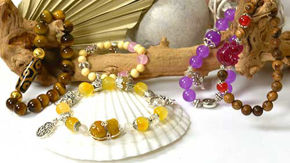
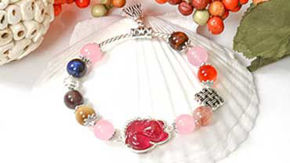


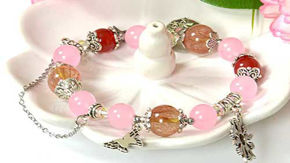
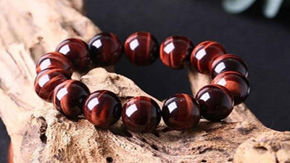

The easiest way to stack bracelets without clashing stones or metals is to choose one anchor bracelet, let the other pieces support it, and keep the stack comfortable enough for real life. Most bracelet stacks look messy not because the stones are wrong, but because too many colors, bead sizes, metals, or statement pieces are competing at the same time.
Who this guide is for: Readers who already wear bracelets and want to layer multiple stone, crystal, or healing jewelry pieces without the result looking crowded, noisy, or uncomfortable.
How this guide was prepared: This guide was built around common bracelet-stacking problems: proportion, color balance, metal mixing, comfort, wrist space, and daily wear. Symbolic meanings are treated as personal and flexible, while the main focus stays on styling, balance, and wearability.
Stacking bracelets should not feel like wearing every meaningful piece you own at the same time. A good stack has a clear visual lead, enough quiet space, and a reason each bracelet belongs there. When the colors, textures, and metals relate to each other, the stack feels intentional instead of accidental.
If you want overall outfit styling, start with How to Style Healing Jewelry for Everyday Outfits. If you are still deciding whether a bracelet is the right format for you, read Bracelet vs. Necklace: Healing Jewelry. This guide stays focused on bracelet stacking only.
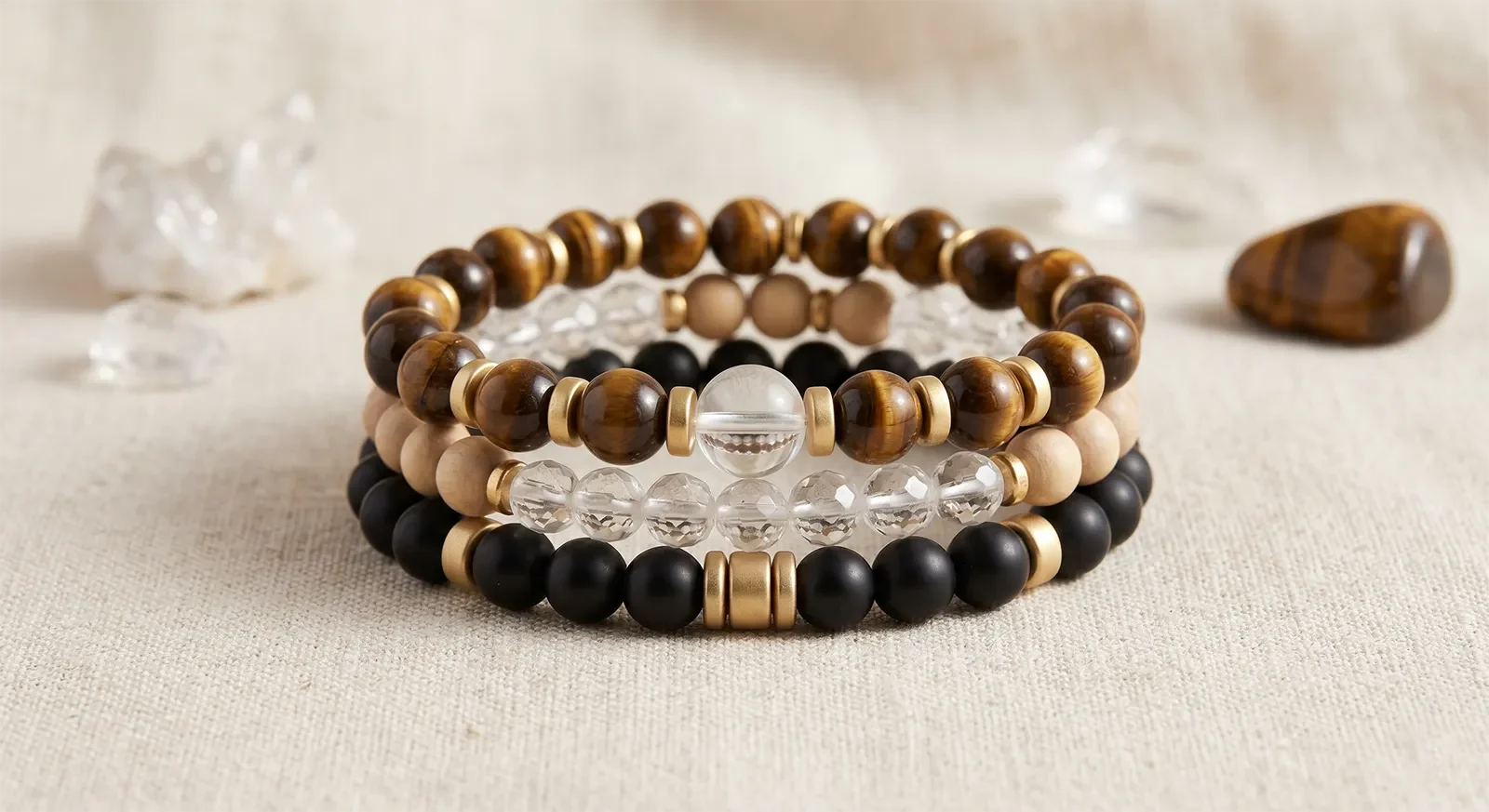
Table of Contents
- Quick Answer
- Start with one anchor bracelet
- Balance stone colors before symbolism
- How to mix metals without clashing
- Balance bead size, texture, and weight
- Comfort, wrist space, and daily wear
- Easy bracelet stacking formulas
- Common stacking mistakes to avoid
- Frequently Asked Questions
- Disclaimer
- Related Posts
Quick Answer
To stack bracelets without clashing, start with one anchor bracelet and add one or two quieter supporting pieces. Keep one color family repeated, let one metal tone lead, avoid stacking too many large beads together, and make sure the stack feels comfortable after a few minutes of movement. For most everyday looks, two or three bracelets are enough.
Start with one anchor bracelet
The fastest way to make a bracelet stack look intentional is to choose one piece as the anchor. This is the bracelet that leads the stack visually or symbolically. It may have the strongest color, the largest beads, the clearest meaning, the boldest metal accent, or simply be the bracelet you wear most often.
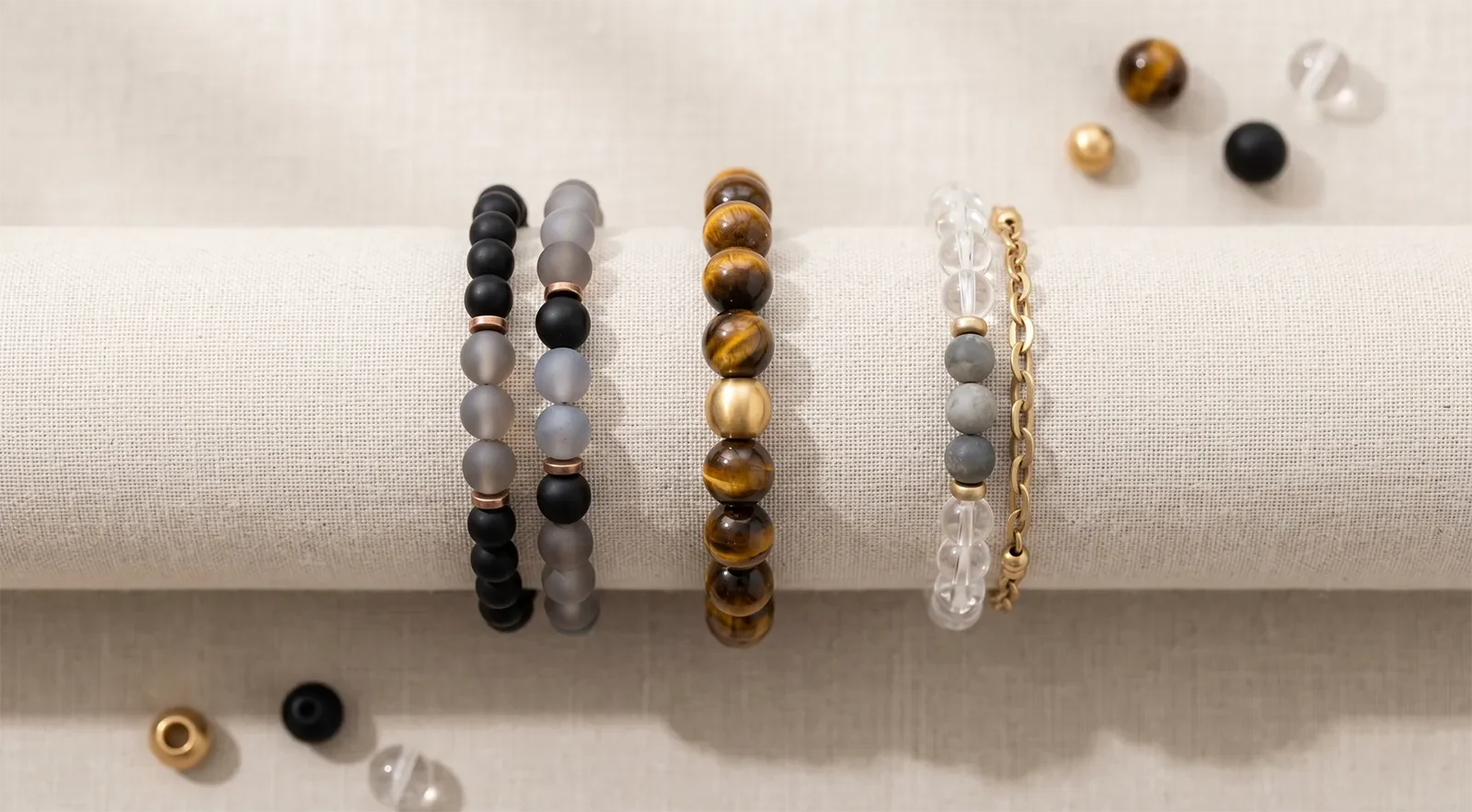
Your anchor might be:
- a bracelet with larger beads,
- a bracelet with the strongest stone color,
- a piece with gold, silver, or bronze accents,
- a bracelet with the most personal meaning, or
- the one piece you want the rest of the stack to support.
Once you choose the anchor, every other bracelet has a job: make the anchor look better, not compete with it. If a second bracelet makes the stack feel louder, heavier, or less clear, it probably does not belong in that stack.
Simple rule: one lead piece, one support piece, and one optional finishing piece. That is usually enough for daily wear.
If you are still building your first bracelet collection, read How to Choose Healing Jewelry before buying too many pieces at once.
Balance stone colors before symbolism
Many bracelet stacks clash because the colors fight each other. Even if every stone has a meaning you like, the stack can still look visually confused if the colors do not relate.
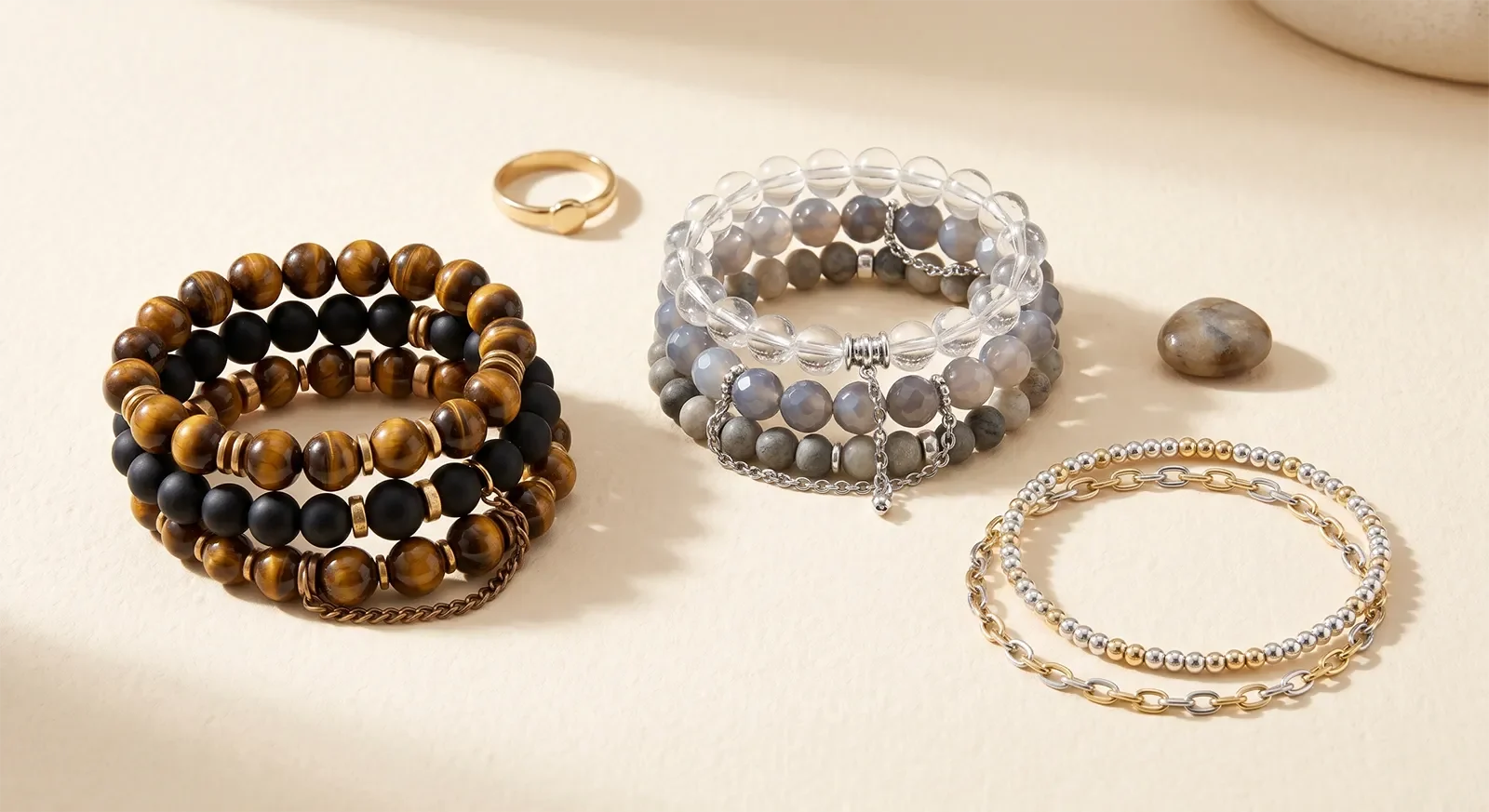
Repeat one color family
A stack usually looks cleaner when at least one color family repeats. Warm stones such as brown, honey, bronze, gold, or deep red often look easier together. Cooler stones such as gray, blue, silver, white, and clear tones can also work well when the overall palette stays calm.
For example, Tiger’s Eye often stacks naturally with black, brown, bronze, muted gold, deep green, or other earthy tones because the colors already feel connected.
Use one quiet bracelet to calm the stack
If your anchor bracelet has strong color, strong pattern, or larger beads, add a quieter bracelet to give the stack breathing room. A neutral stone, smaller bead bracelet, or clear-toned piece can keep the stack from feeling too heavy.
Clear Quartz is often useful as a visual buffer because it can lighten a stack without adding a competing color. Black, gray, white, and muted neutral stones can also help calm a stronger bracelet.
Avoid stacking too many different moods
One earthy bracelet, one bright pastel bracelet, one metallic bracelet, and one highly patterned bracelet may all be beautiful separately, but together they can feel unfocused. A grounded stack usually looks stronger when it stays grounded. A light, airy stack usually looks stronger when it stays light.
Symbolism can guide the choice, but the eye still needs cohesion.
How to mix metals without clashing
You can mix gold, silver, bronze, and other metal accents in one bracelet stack. The key is to make the mix look intentional rather than random.
Let one metal tone lead
If your anchor bracelet has gold accents, let gold be the main metal tone. If your watch, ring, or bracelet hardware is silver, let silver lead. A stack usually feels more polished when one metal is clearly dominant.
Repeat the mixed metal at least once
Mixed metals look more intentional when the second metal appears more than once. For example, if you wear mostly silver but one bracelet has a small gold accent, adding one other subtle warm detail can make the mix feel planned.
Watch the finish, not just the color
Polished gold, brushed silver, antique bronze, and matte black metal do not all create the same feeling. Even when the colors technically work, the finishes can clash if they feel too different. For a cleaner stack, keep the metal finishes either closely related or clearly balanced.
Simple rule: mixed metals work best when one tone leads and the second tone repeats quietly.
Balance bead size, texture, and weight
Bracelet stacking is not only about color. Bead size and texture can make a stack feel clean or crowded.
Do not stack too many large beads together
Several large-bead bracelets can look bulky and feel heavy, especially on smaller wrists. If one bracelet has larger beads, make the next piece smaller, flatter, or visually quieter.
Use texture with restraint
Matte stone, polished stone, metal spacers, charms, cords, and clear beads can all work together, but too many textures at once can make the stack look busy. Choose one main texture and let the rest support it.
Give the stack a visual rhythm
A good stack often has contrast, but not chaos. For example: one larger stone bracelet, one smaller neutral bracelet, and one slim metal-accent bracelet can feel balanced because each piece has a different role.
Comfort, wrist space, and daily wear
A bracelet stack should not only look good in a photo. It should feel comfortable while you type, drive, work, cook, move around, or wear long sleeves.
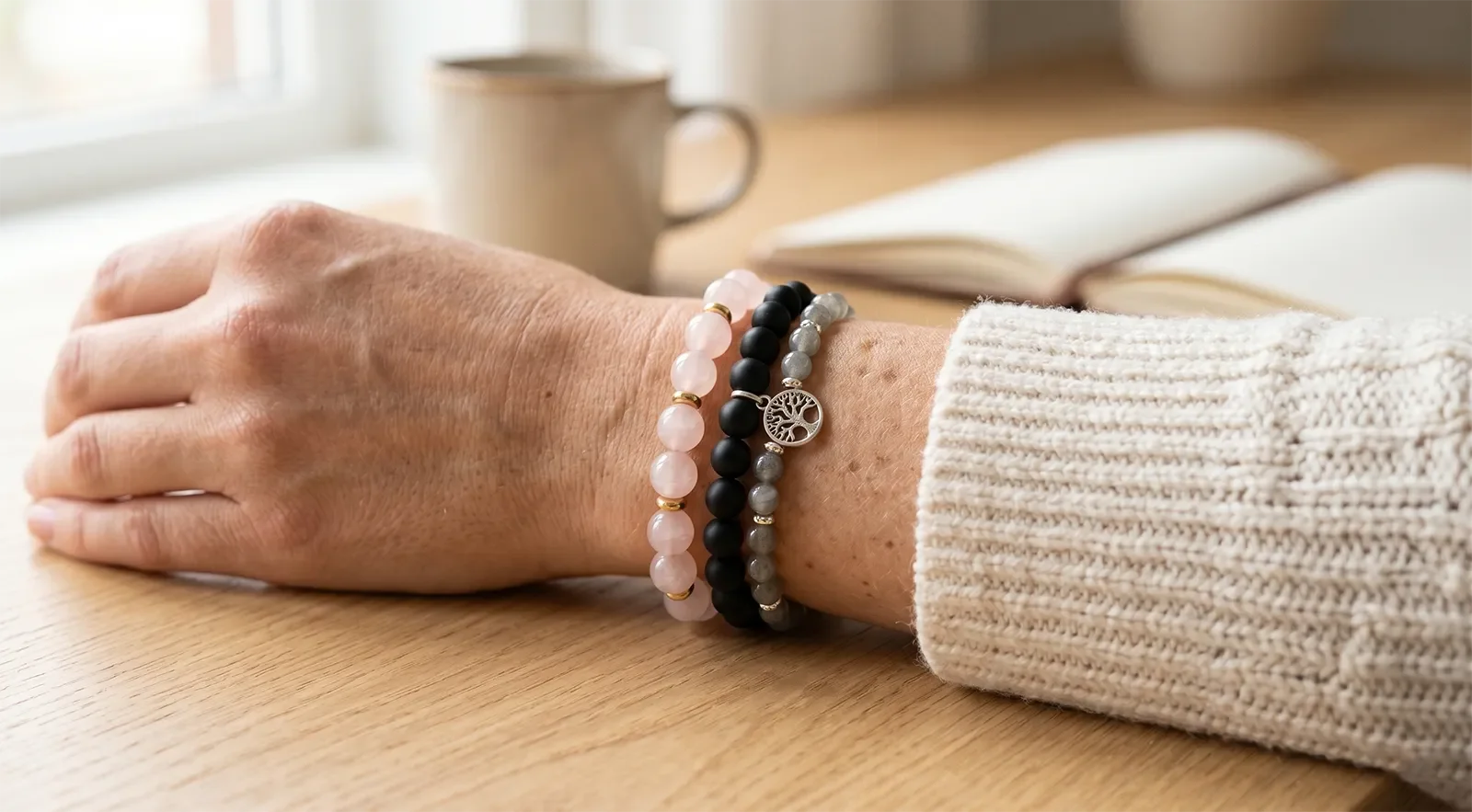
- Leave a little wrist space. A stack usually looks better when it has room to move instead of being packed tightly from wrist bone to hand.
- Check the weight. Several stone bracelets together can become heavy faster than expected.
- Watch sleeve interaction. If you wear sweaters, jackets, blazers, or long sleeves, smoother and slimmer stacks usually work better.
- Test movement. If the stack twists, pinches, slides too far, or makes noise that bothers you, simplify it.
- Match the stack to the day. A bigger stack may be fine for a casual outing, while a smaller stack may work better for work or errands.
For most people, the best everyday bracelet stack sits in one small section of the wrist. It should not feel like it is taking over your whole arm.
Easy bracelet stacking formulas
If stacking feels confusing, use a formula instead of guessing.
Formula 1: Anchor + quiet support
- 1 visually strongest bracelet
- 1 quieter bracelet in a related tone
This is the easiest everyday formula. It works well when you want a clean stack that does not feel overdone.
Formula 2: Anchor + texture + lightener
- 1 main bracelet with stronger color or meaning
- 1 smaller or smoother bracelet for texture
- 1 clear, neutral, or lighter bracelet to soften the stack
This works well when your anchor bracelet feels too heavy by itself.
Formula 3: Two bracelets, one clear leader
- 1 main bracelet with stronger presence
- 1 secondary bracelet with lower contrast
If you tend to overstack, this is the safest place to start. Stop at two and let the stack breathe.
Formula 4: Metal-led stack
- 1 bracelet with gold, silver, bronze, or black metal accents
- 1 stone bracelet that echoes the same metal tone
- 1 optional slim bracelet with a matching finish
This formula is useful when you want the stack to feel more polished and less bohemian.
Formula 5: Earth-tone stack
- 1 brown, black, bronze, or deep green anchor bracelet
- 1 neutral support bracelet
- 1 optional metal or clear-toned accent
This is a strong option for everyday outfits, especially if your wardrobe includes denim, black, olive, beige, brown, or leather details.
Beginner checklist:
- Is there one bracelet clearly leading?
- Is at least one bracelet visually quieter?
- Do the colors feel related?
- Is one metal tone doing most of the work?
- Does the stack feel comfortable after ten minutes?
Common stacking mistakes to avoid
- Wearing too many equal-weight bracelets. If every piece tries to be the focus, the stack looks noisy.
- Ignoring bead size. Too many large beads can make the stack feel bulky and uncomfortable.
- Mixing too many colors at once. A stack needs some color relationship to feel intentional.
- Mixing every metal finish. Gold, silver, bronze, matte black, and shiny hardware can work, but not all at once without a clear plan.
- Choosing by meaning only. Symbolism matters, but if the stack looks chaotic, you will probably wear it less.
- Leaving no wrist space. A packed stack can look crowded and feel distracting.
- Forgetting your outfit. Bracelet stacks should support your outfit, not fight with it.
Frequently Asked Questions
How many bracelets are too many?
For most everyday stacks, two or three bracelets are enough. Once every bracelet feels equally visible, bulky, or uncomfortable, the stack is probably too crowded.
Can I mix different stones in one bracelet stack?
Yes. The easiest way is to choose one anchor bracelet, repeat one color family, and add one quieter piece to balance the stronger stones.
Can I mix gold and silver bracelets?
Yes. Mixed metals usually work best when one metal leads and the other appears as a smaller repeated accent.
Should one bracelet be the focus?
Yes. One clear focal bracelet makes the whole stack easier to build and easier to wear. Without an anchor, the stack can look random.
What if my stack feels too heavy?
Remove one bracelet, reduce bead size, or add a lighter visual element such as a clear, neutral, or smaller bracelet. Most heavy stacks improve when one strong piece is removed.
Can I stack bracelets on the same wrist as a watch?
Yes, but keep the scale balanced. If your watch is large, use a slimmer bracelet. If your bracelet is bold, keep the watch and other accessories quieter.
Should healing bracelet meanings match each other?
They can, but they do not have to be perfectly matched. For everyday styling, visual balance and comfort usually matter more than trying to combine every symbolic meaning at once.
Which page should I read for overall styling?
For the bigger wardrobe picture, read How to Style Healing Jewelry for Everyday Outfits. For paired or coordinated bracelet ideas, read Matching Healing Bracelets.
Disclaimer
This article is for style, lifestyle, and symbolic education only. Healing jewelry meanings are personal and flexible. This guide does not make medical, psychological, spiritual-outcome, or guaranteed-result claims.
If your bracelet stack still feels messy, remove one piece and rebuild around a single anchor. A clean two-bracelet stack that feels balanced is better than a crowded stack you keep adjusting all day.