







Who this guide is for: This guide is for shoppers or gift-givers looking for coordinated bracelets that feel meaningful for couples, close friends, or special pairs without feeling overly literal.
How this guide was prepared: This guide was prepared by reviewing common gift and styling questions around coordinated healing jewelry, then organizing the advice into a pair-styling framework focused on symbolism, color balance, and everyday wear.
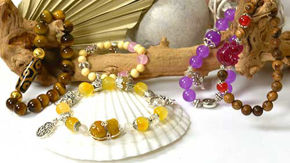
The best matching bracelets for couples or friends do not have to look identical. In many cases, they work better when they feel connected without being copy-pasted. A good pair usually shares one clear thread—color, tone, symbolism, or metal detail—while still fitting each person’s style. That is what makes coordinated bracelets feel thoughtful instead of forced.
If you want the broader gift-selection page, start with Healing Jewelry Gift Guide. If you want overall styling beyond pairs, go to How to Style Healing Jewelry for Everyday Outfits. This page stays focused on pair styling only.
Quick Answer
Matching bracelets for couples or friends work best when you decide first whether the pair should be truly matching or simply complementary. Matching healing bracelets can be identical, but they often look better when they share one visual or symbolic thread without becoming exact copies. The easiest symbolic bracelet pairings usually connect through one color family, one mood, or one shared intention. If you are looking for friendship bracelet stone ideas, think about what suits both people in real life, not just what sounds meaningful on paper.
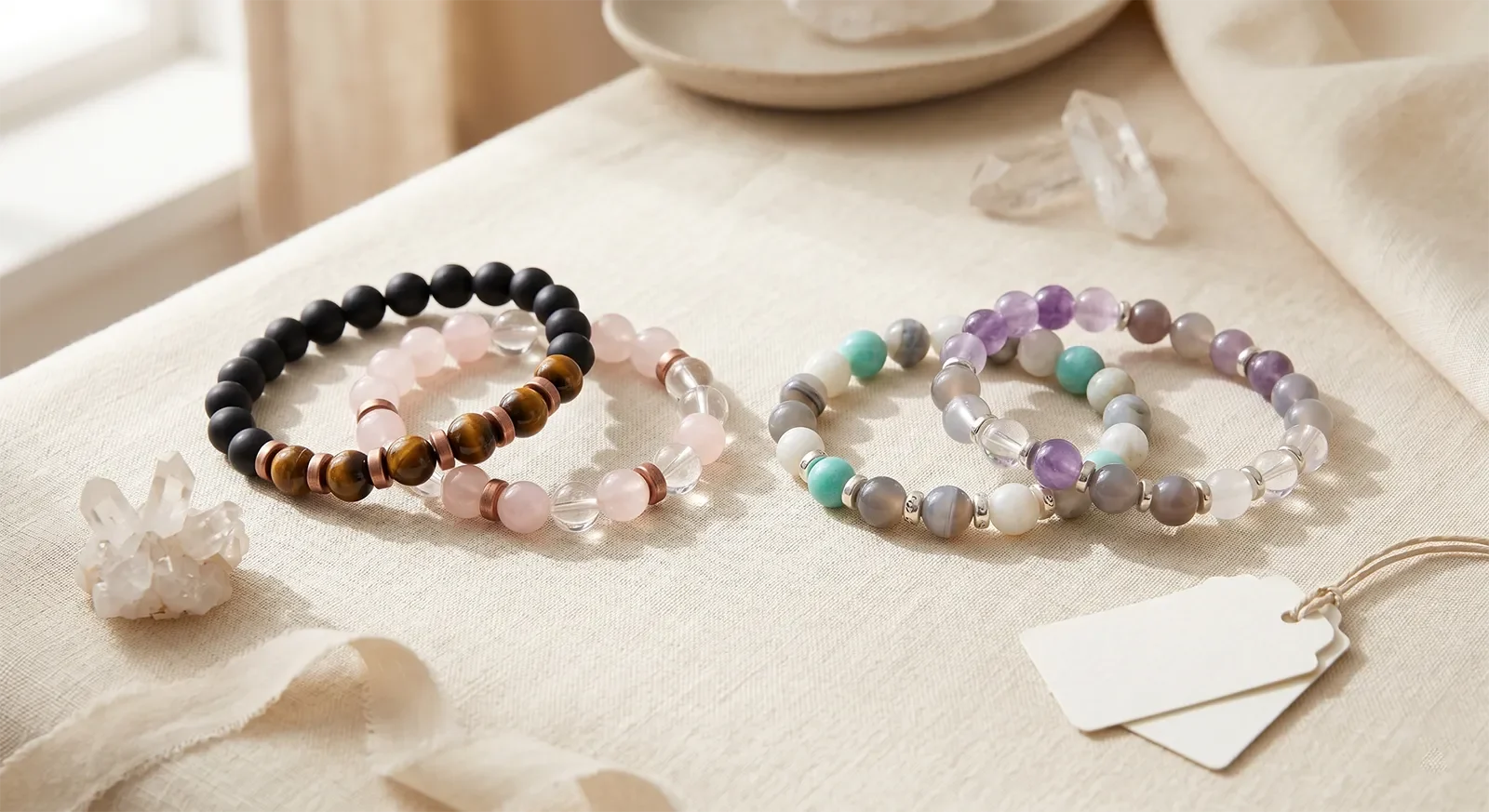
Table of Contents
Matching vs complementary bracelet pairs
This is the first decision to make, and it usually solves most of the styling problem right away.
Matching pairs
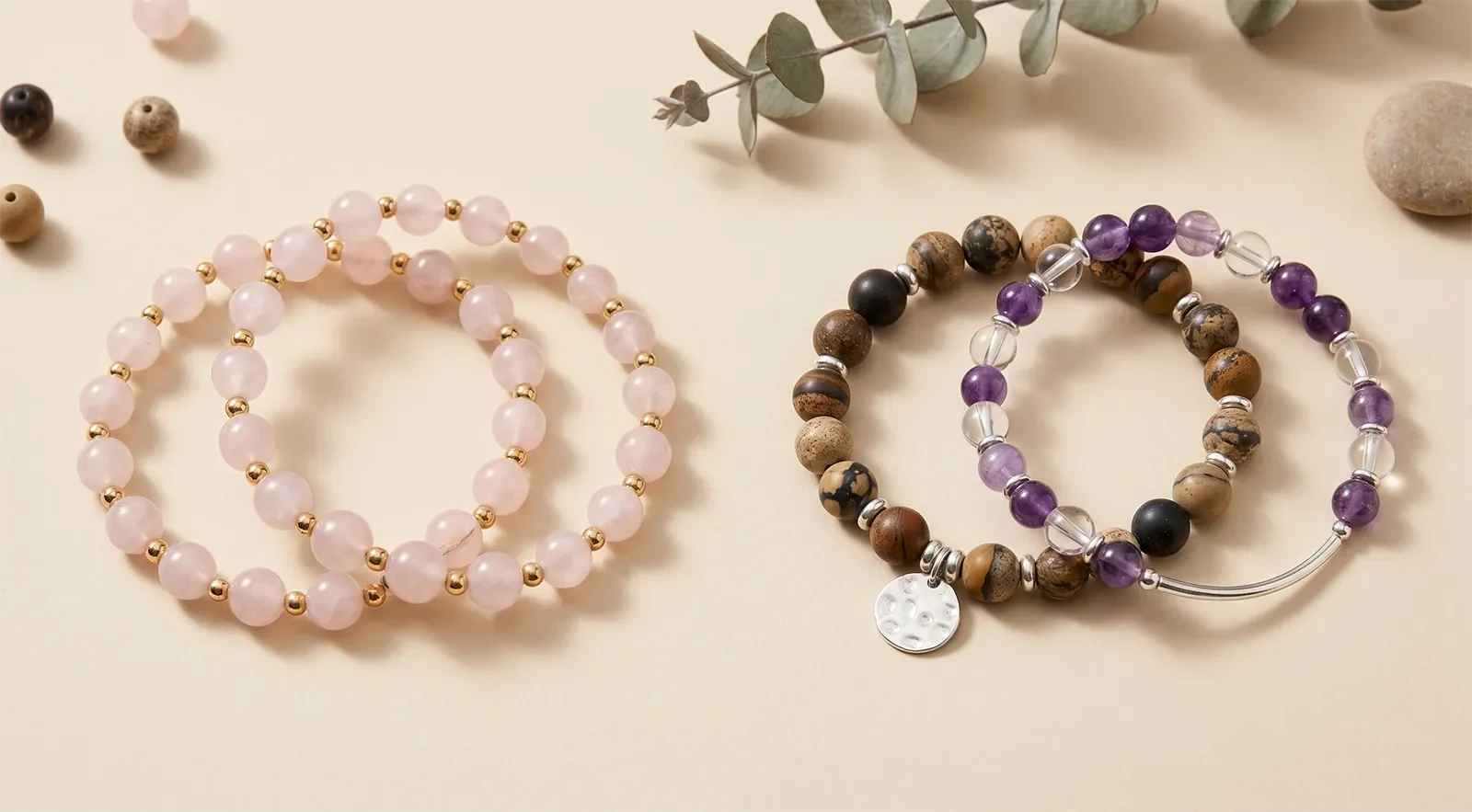
A matching pair uses the same bracelet design, the same stone, or nearly the same visual recipe for both people. This works well when you want the connection to feel obvious, clean, and easy to recognize.
Complementary pairs
A complementary pair keeps one shared thread but allows each bracelet to suit the wearer more individually. For example, both bracelets may use the same metal tone, the same bead size, or the same color family, but not the exact same stones or arrangement.
For most people, complementary pairs age better. They often feel more personal, more wearable, and less like a novelty purchase. Matching can still work beautifully, but only when both people would genuinely wear the same thing.
Quick rule: if both people dress similarly, matching is easier. If their style differs, complementary usually works better.
How to choose by relationship type
The relationship affects how direct or subtle the pair should feel.
For couples
Couple bracelets often work best when the connection is clear but not overly sentimental. You do not need identical “his and hers” energy for the gift to feel meaningful. A better approach is usually shared tone with slight variation.
For close friends
Friend pairs often look best when the symbolism feels supportive, warm, or grounded rather than romantic. A bracelet pair that echoes shared values, calm energy, or mutual encouragement usually works better than something too intense.
For siblings or meaningful personal pairs
Some coordinated pairs are less about romance or friendship and more about connection, memory, or shared milestones. In those cases, visual harmony often matters more than symbolic explanation.
If your real question is broader gift selection by relationship and occasion, go to Healing Jewelry Gift Guide. That page owns the full gifting frame. This page stays with the pair itself.
Symbolic pairing ideas
Symbolic pairings work best when the idea is simple enough to carry without becoming too literal.
Shared-theme pair
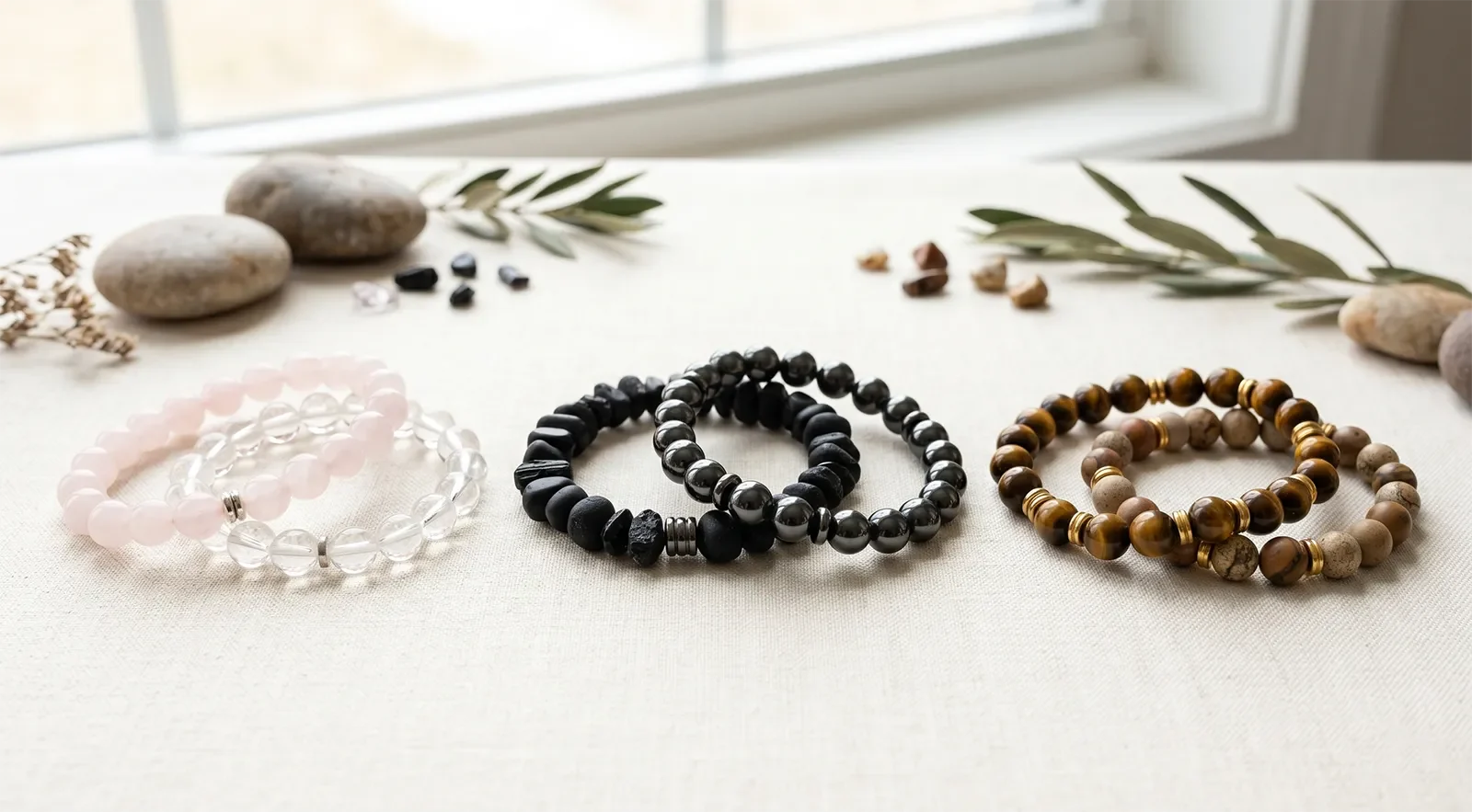
Both bracelets use the same stone or the same meaning. This is the cleanest option if both people genuinely like the same color, finish, and bracelet style.
Balanced-theme pair
Each bracelet represents a related but different quality. This often feels more natural than forcing both people into the exact same stone.
- Soft + grounding: a gentler stone for one person and a steadier-looking stone for the other
- Calm + protection: one bracelet feels lighter, the other more anchored
- Warmth + strength: one piece reads softer, the other more grounded
For example, Rose Quartz can work well in a pair when you want warmth, gentleness, or emotional softness in the story. Black Tourmaline can work when you want the pair to feel more grounded, steady, or understated.
One-theme, two-stone pair
If both people connect to the same intention but not the same look, choose two stones that support a similar mood. For more ideas, use Stones by Intention as a handoff page rather than trying to solve every pairing inside this article.
Color and metal coordination
Even meaningful bracelet pairs can look off if the visual logic is weak. This is where color and metal help.
Keep one visual bridge
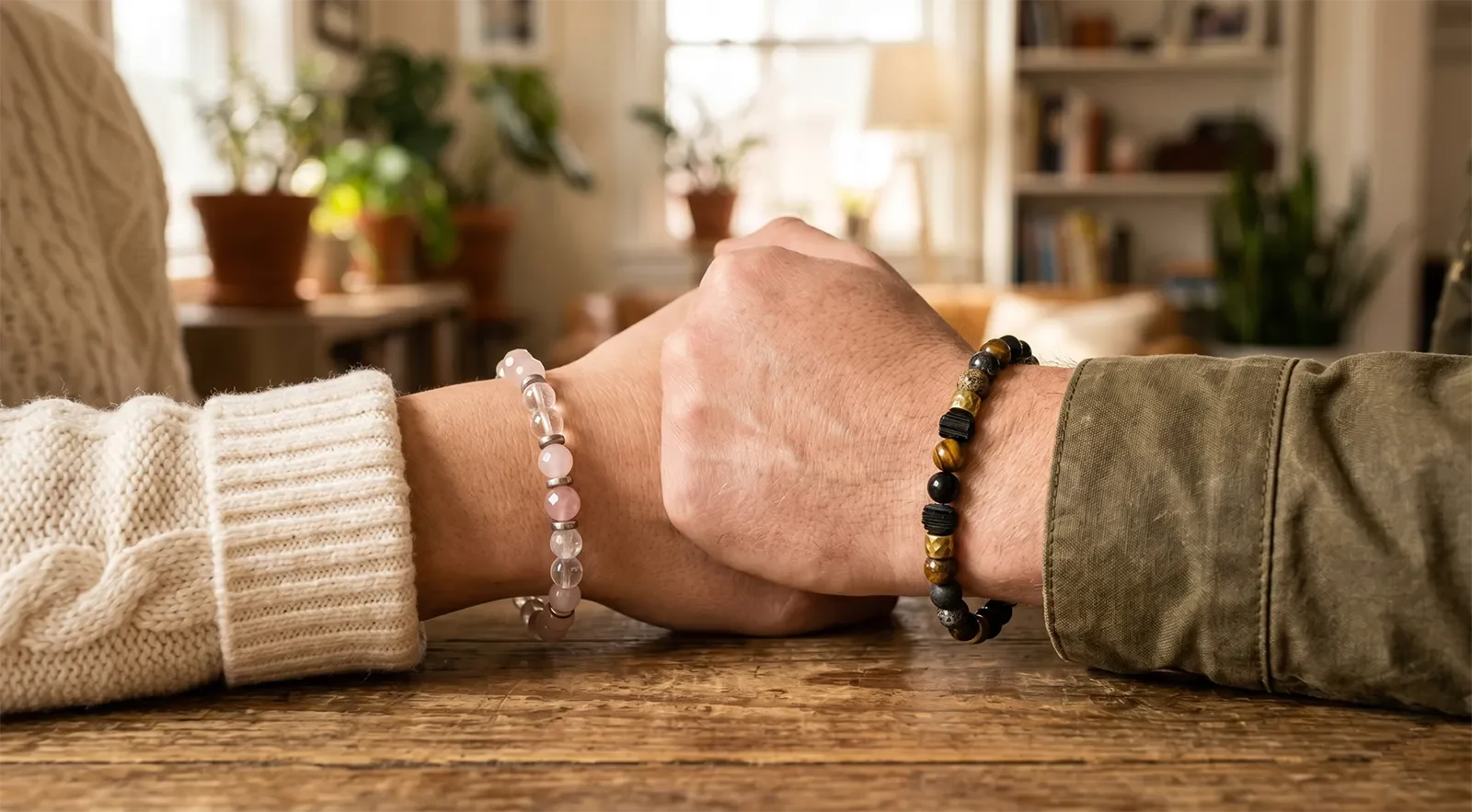
That bridge might be bead size, one repeated metal tone, or a shared neutral color such as black, white, gray, brown, or muted gold.
Use color to connect, not overwhelm
If one bracelet is much stronger in color, the other usually looks better when it echoes that tone quietly instead of competing with it.
Repeat the metal finish
If one bracelet has gold accents and the other has silver, the pair can still work—but only if the mix feels deliberate. In most cases, coordinated pairs look cleaner when both bracelets stay in the same metal family or at least the same finish mood.
If either person plans to layer the bracelet with other pieces, keep the pair visually simple enough to survive real styling. For stacking-specific technique, go to How to Stack Healing Bracelets.
How to keep it meaningful without making it too literal
This is where many pair gifts go wrong. The idea becomes so explained that the jewelry stops feeling natural.
- Choose one clear message, not five. A simple thread is easier to wear and easier to remember.
- Let the symbolism stay optional. The pair should still look good even if no one hears the full explanation.
- Respect style differences. One person may want softer tones. The other may prefer darker, simpler, or more neutral pieces.
- Do not force symmetry. A good pair can feel connected without being identical in every detail.
The strongest pair bracelets usually say, “These belong together,” not “These were designed to prove a point.”
Common mistakes to avoid
- Choosing identical bracelets for people with very different style. Matching is not always the best choice.
- Using symbolism with no visual logic. If the pair clashes in color, scale, or finish, the meaning will not save it.
- Making the gift too literal. Not every pair needs obvious couple or friendship messaging.
- Turning pair styling into a gift guide. If you need broader occasion-based gift advice, go back to Healing Jewelry Gift Guide.
- Turning pair styling into stacking advice. If the real issue is layering with other bracelets, use How to Stack Healing Bracelets.
Frequently Asked Questions
Do matching bracelets have to be identical?
No. In many cases, they look better when they are complementary rather than identical. The connection can come through color, meaning, or metal detail instead of exact duplication.
Are matching bracelets a good gift for friends too?
Yes. Coordinated bracelets can work beautifully for close friends when the pair feels thoughtful, wearable, and not overly sentimental.
Which stones work well in pairs?
Stones usually pair best when they share a visual mood or a related intention. If you want a soft and warm option, start with Rose Quartz. If you want something more grounded and understated, Black Tourmaline can be a useful starting point.
Can matching bracelets still look subtle?
Yes. Subtle pairs usually work best when the colors stay calm, the bead size stays moderate, and the connection is visible without feeling loud.
Should symbolism or color lead the choice?
Usually both matter, but color and overall wearability should come first if you want the bracelets to be worn often. Symbolism should support the choice, not overpower it.
Which page helps with broader gift selection?
For the broader gift-selection page, go to Healing Jewelry Gift Guide.
Disclaimer
This article is style- and gift-oriented. It does not offer medical, psychological, or outcome-based claims. Symbolic meanings can be personal and flexible, and coordinated bracelet pairs work best when they balance style, comfort, and real-life wearability.
If you want the easiest next step, decide first whether the pair should be matching or complementary. Then narrow the choice through color, metal, and one shared symbolic thread. For broader gift context, continue to Healing Jewelry Gift Guide.