


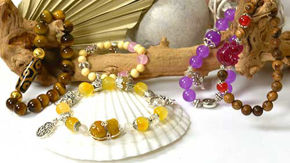
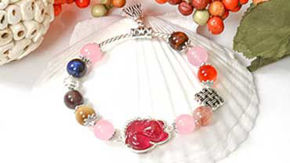


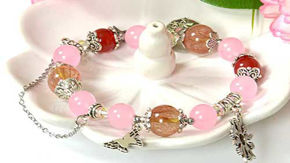
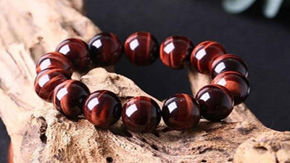

A thoughtful healing jewelry gift should feel wearable first and meaningful second. The best choice is not always the stone with the biggest symbolism; it is the piece that fits the recipient’s style, the relationship, the occasion, and the level of meaning they would actually feel comfortable receiving.
Who this guide is for: Shoppers who want to choose a meaningful healing jewelry gift for a birthday, milestone, holiday, relationship moment, or personal encouragement gift without making the gesture feel forced, overly mystical, or too personal for the recipient.
How this guide was prepared: This guide was built around practical gift-selection questions: who the gift is for, what occasion it marks, how the recipient normally dresses, and how comfortable they are with symbolic or spiritual language. It keeps healing jewelry meaning claim-safe, personal, and flexible rather than making medical, psychological, or guaranteed-outcome claims.
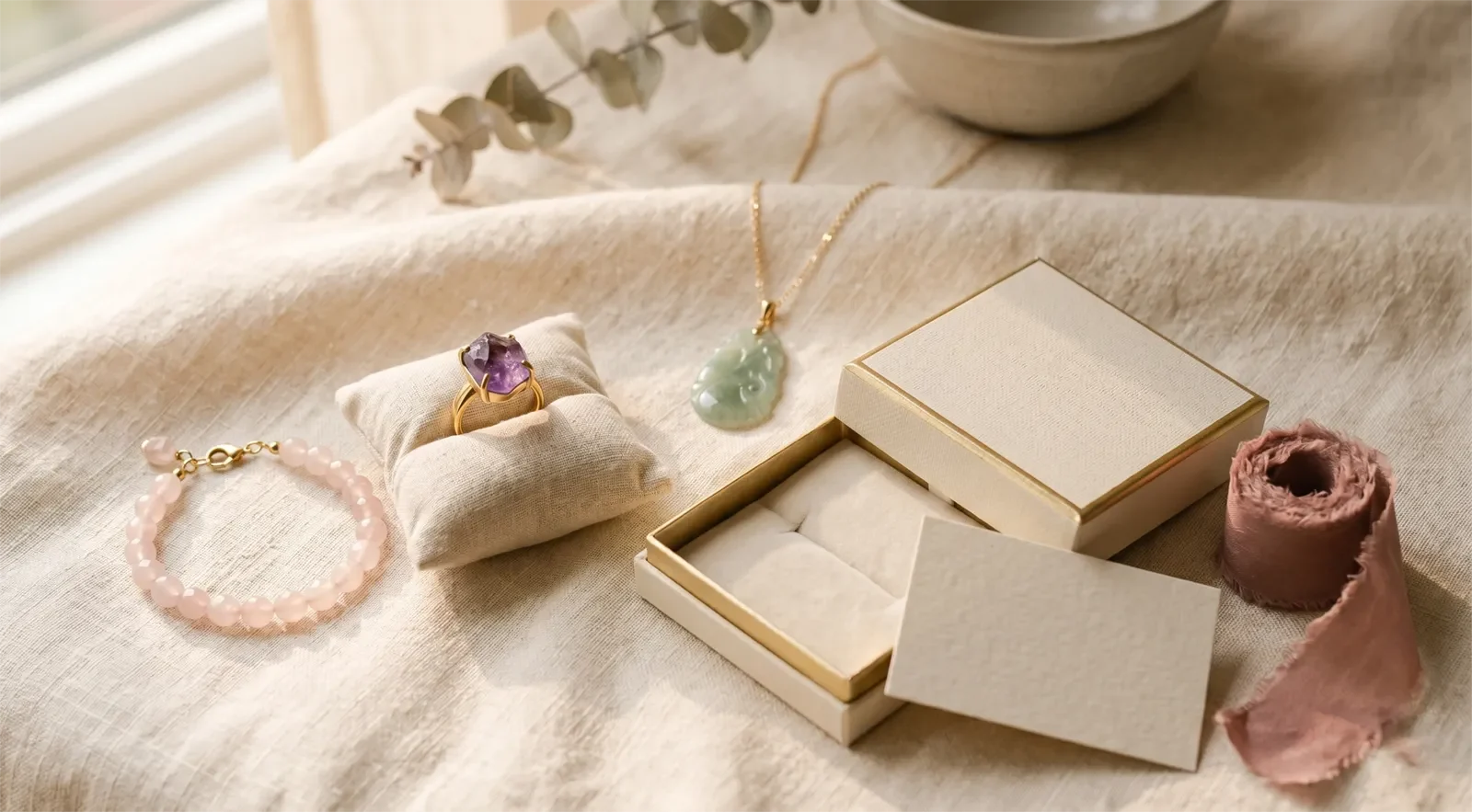
A good healing jewelry gift starts with the person, not the stone. Before choosing Rose Quartz, Jade, Amethyst, Tiger’s Eye, or any other symbolic material, look at the recipient’s real life: do they wear bracelets, necklaces, rings, subtle pieces, bold pieces, warm tones, cool tones, or almost no jewelry at all? A gift they can comfortably wear will usually feel more meaningful than a stone chosen only because the description sounds perfect.
If you are still learning the basics of choosing healing jewelry for yourself or someone else, start with How to Choose Healing Jewelry. This page focuses specifically on gifts by occasion, personality, and relationship.
Table of Contents
- Quick Answer
- Start with the person, not the stone
- How to choose healing jewelry by occasion
- How to choose by personality and style
- Symbolic themes that work well for gifts
- Subtle meaning vs obvious meaning
- How to present a healing jewelry gift
- Common gift mistakes to avoid
- Frequently Asked Questions
- Disclaimer
Quick Answer
To choose a good healing jewelry gift, start with the recipient’s style and comfort level, then match the piece to the occasion and symbolic meaning. For birthdays, a birthstone or personal stone can feel easy and familiar. For encouragement, choose something associated with steadiness, confidence, or calm. For romantic or close emotional gifts, softer themes such as love, warmth, or connection may work well. The best gift feels thoughtful without forcing the recipient to accept a belief system.
Start with the person, not the stone
Many people choose healing jewelry gifts backward. They read a stone meaning first, then try to make the person fit that meaning. A better approach is to begin with the person’s real preferences.
Ask yourself:
- Do they actually wear jewelry often?
- Do they prefer bracelets, necklaces, rings, or earrings?
- Is their style minimal, soft, bold, classic, spiritual, or practical?
- Would they enjoy symbolic meaning, or would they prefer something more subtle?
- Is the relationship close enough for a deeply personal message?
A meaningful healing jewelry gift should never feel like homework for the recipient. If the piece already fits their style, the symbolism becomes an added layer rather than the whole reason for the gift.
How to choose healing jewelry by occasion
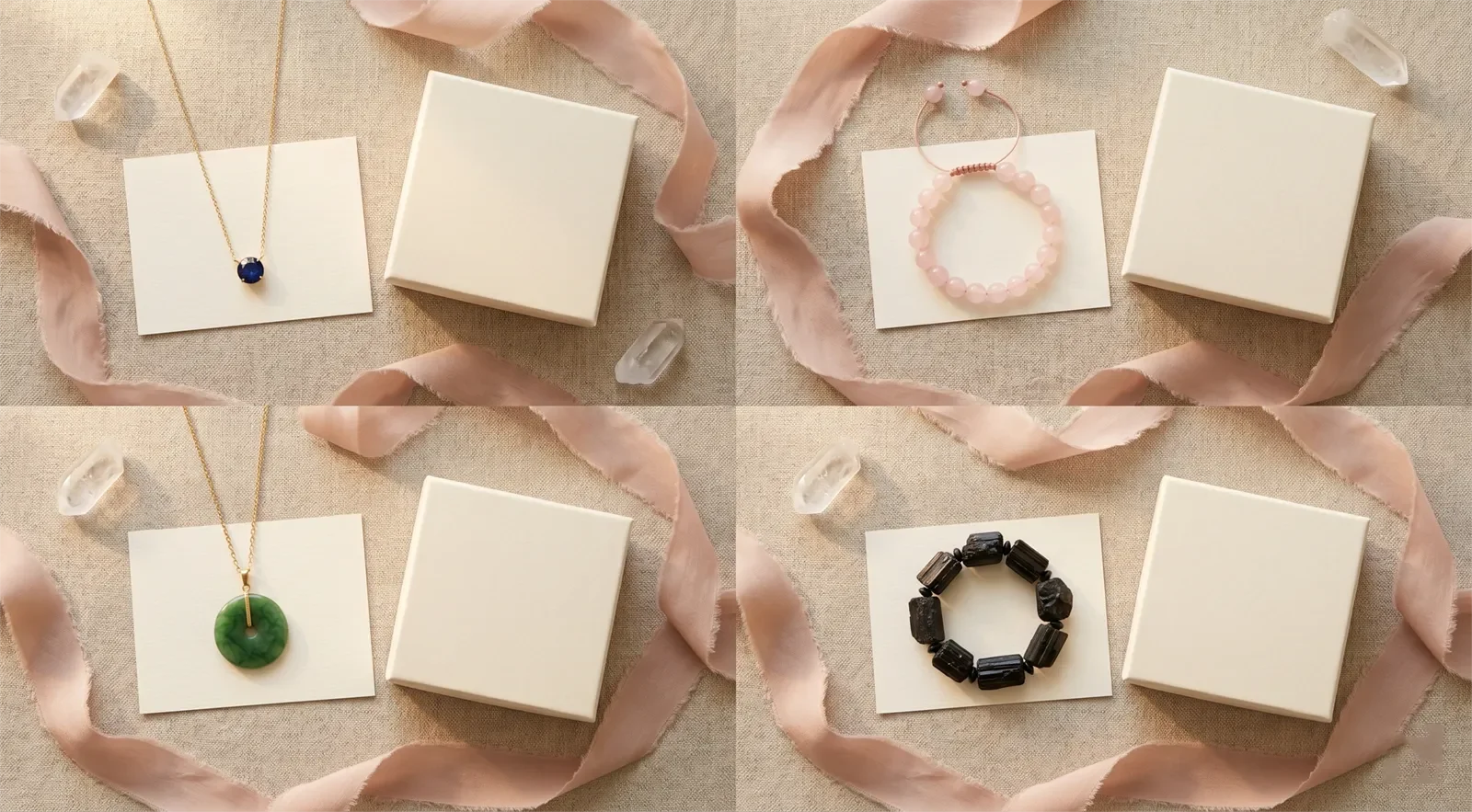
Birthday gifts
Birthday gifts can be personal without becoming too intense. Birthstones are an easy starting point because they feel familiar, while healing stones can feel more customized. If you are deciding between the two, read Birthstones vs. Healing Stones.
For birthdays, choose something the person can wear often. A simple bracelet, pendant, or everyday stone piece usually feels more useful than a dramatic design they may only wear once.
Graduation, new job, or fresh-start gifts
For a new chapter, look for symbolism around confidence, clarity, steadiness, focus, or courage. This type of gift works best when the message is encouraging rather than heavy. A short note like “I chose this as a reminder of your next chapter” is usually enough.
Friendship gifts
Friendship gifts should feel warm, supportive, and easy to receive. A bracelet or pendant with calm, grounding, or heart-centered symbolism can work well, especially if the style is simple enough for everyday wear.
If you want a coordinated gift for best friends, sisters, partners, or two people sharing a milestone, see Matching Healing Bracelets.
Romantic gifts
For a partner or spouse, you can choose something more personal if the relationship already supports that level of meaning. Rose Quartz, paired bracelets, or a piece tied to a shared season of life can feel appropriate. Still, the gift should match their taste first. A romantic meaning does not save a piece they would never wear.
Family gifts
Family gifts often work best when they feel timeless, warm, and respectful. Jade, for example, may carry cultural and emotional meaning in some families. If you are considering jade as a gift, read Jade in East Asian Culture before treating it like a generic crystal choice.
Sympathy, support, or difficult-season gifts
Be careful with gifts during emotionally sensitive times. Choose something gentle and avoid language that sounds like you are trying to fix the person’s pain. A simple message such as “I hope this gives you a small reminder that you are supported” is usually better than a long explanation of stone properties.
How to choose by personality and style
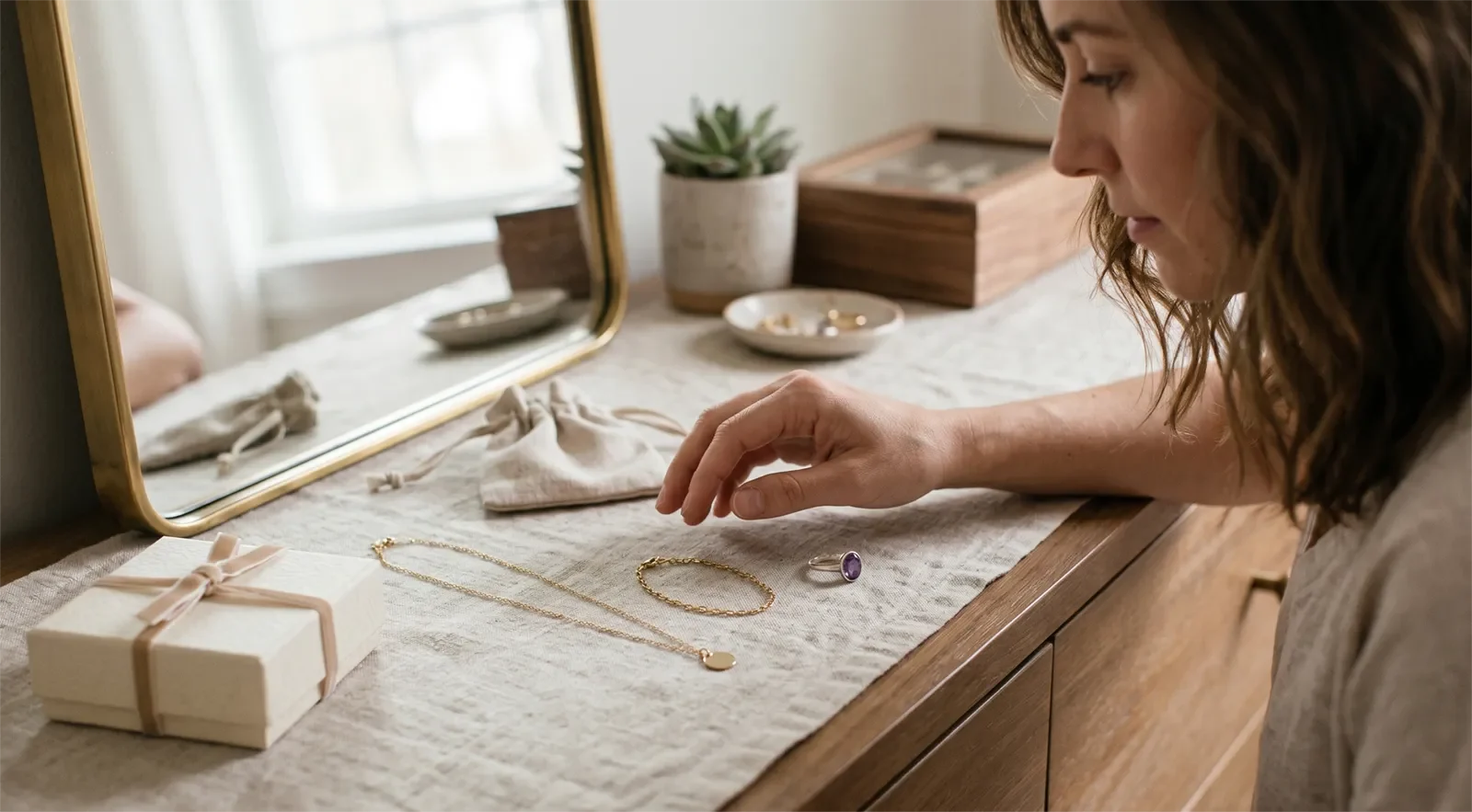
For minimalist dressers
Choose clean shapes, smaller beads, neutral tones, slim bracelets, or simple pendants. Minimalist recipients usually appreciate jewelry that blends into their wardrobe instead of becoming the center of attention.
For soft, romantic, or gentle style
Look for lighter colors, smooth finishes, delicate designs, and warm symbolism. Rose Quartz is often chosen for this reason because it carries a soft visual feeling as well as symbolic associations with love, compassion, and emotional warmth.
For practical or understated dressers
Choose durable, easy-to-match pieces. Avoid overly large beads, complicated charms, or symbolism that feels too obvious. A simple bracelet or pendant in a neutral color may be the safest choice.
For bold or expressive dressers
You can choose stronger colors, more visible stones, or a piece with a clearer symbolic story. Even then, the design should still match what they already like. A bold gift should feel like their style, not yours.
For someone new to healing jewelry
Keep the meaning light and the design wearable. A beginner-friendly gift should not feel like it requires a full spiritual explanation. Choose something they can enjoy even if they connect with the symbolism slowly over time.
Symbolic themes that work well for gifts
Love, warmth, and emotional connection
For romantic partners, close friends, or family members, heart-centered themes can feel meaningful when used gently. Rose Quartz is a common choice, and the Heart Chakra Guide can help you understand the broader symbolism without turning the gift into a heavy message.
Calm, reflection, and softer energy
For someone who likes quiet, reflective pieces, stones traditionally associated with calm or introspection may work well. Keep the language simple: “I chose this because it felt peaceful” often sounds better than making a strong claim.
Confidence, courage, and focus
For career changes, school milestones, presentations, or new beginnings, choose symbolism that feels steady and empowering. These gifts should feel like encouragement, not pressure.
Grounding and steadiness
Grounding-themed pieces can work for people going through change, travel, relocation, or stressful seasons. The best wording is supportive and modest: “a reminder to stay steady” is stronger than a dramatic promise.
Blessing, tradition, or cultural meaning
Some materials, especially jade, may carry cultural meaning beyond general gemstone symbolism. If you are gifting across cultures or within a family tradition, context matters. The most respectful gift shows that you understand the meaning is personal, not just decorative.
Subtle meaning vs obvious meaning
Not every recipient wants symbolism presented the same way. Some people love a clear message. Others prefer meaning that stays private.
Choose something subtle when:
- the recipient wears simple jewelry,
- you are unsure how spiritual they are,
- the relationship is friendly but not deeply intimate,
- the gift is for a workplace or casual occasion, or
- you want the piece to feel easy for daily wear.
Choose something more openly meaningful when:
- the recipient already enjoys symbolic jewelry,
- you know the theme matters to them,
- the gift marks a major milestone,
- the relationship is close, or
- the recipient appreciates personal notes and intentional gifts.
A good gift does not have to explain everything. Often, the strongest choice is a beautiful piece with meaning available in the background.
How to present a healing jewelry gift
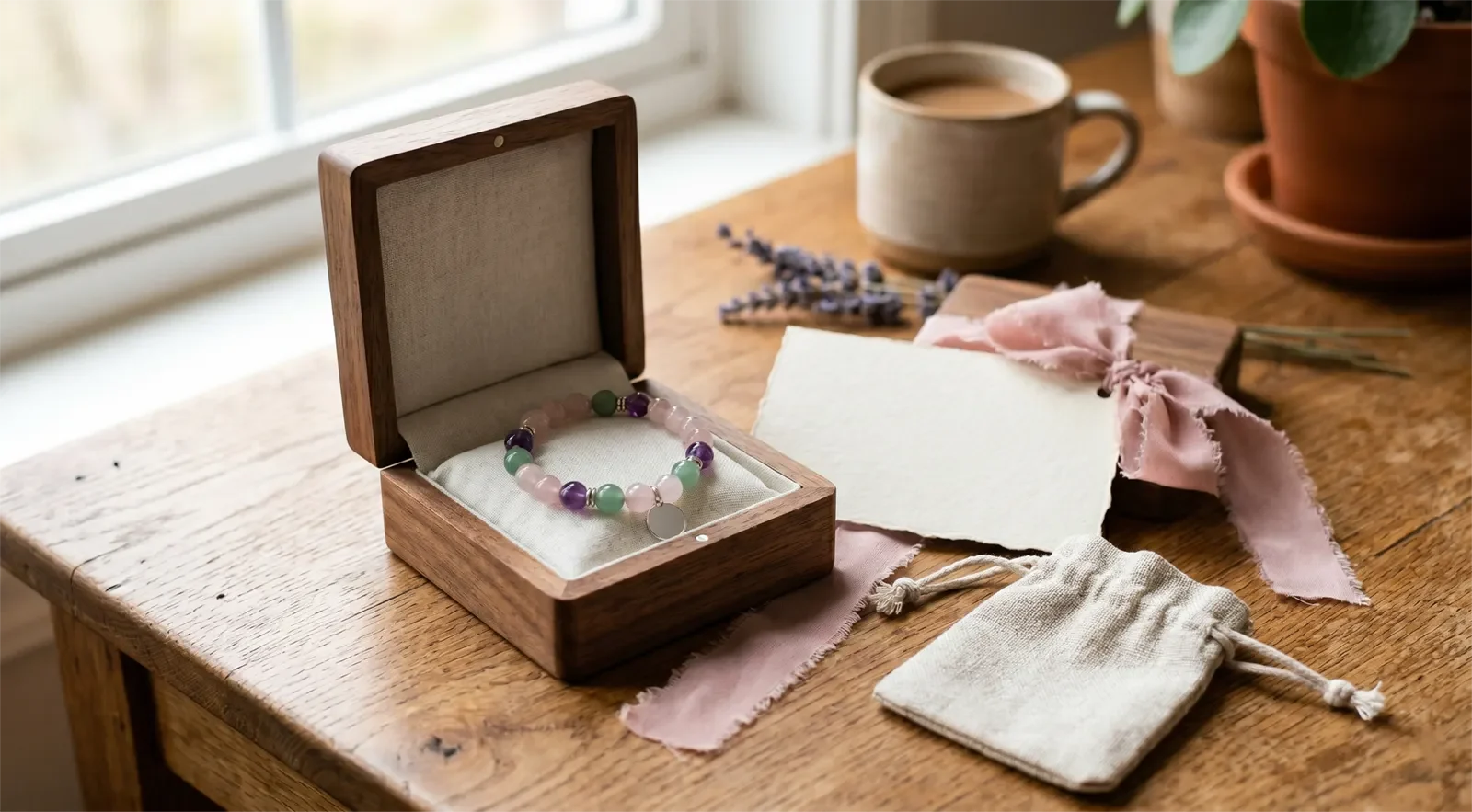
Presentation can make the gift feel more thoughtful without making it feel too serious.
- Include a short note. One honest sentence is usually better than a long explanation.
- Explain why you chose it in plain language. “This felt calm and steady” sounds more natural than listing every symbolic meaning.
- Let the recipient decide how deeply to connect with it. Do not pressure them to use the jewelry a certain way.
- Keep the packaging clean and simple. A small box, soft pouch, or card can make the gift feel finished.
- Avoid making promises. Present the jewelry as a meaningful reminder, not something that guarantees a result.
If the gift is for a couple, close friends, or a shared milestone, a matched or coordinated design may feel more thoughtful than two unrelated pieces. For that approach, see Matching Healing Bracelets.
Common gift mistakes to avoid
- Choosing by stone meaning only. If the recipient would never wear the design, the meaning will not matter much.
- Making the symbolism too intense. A gift should feel supportive, not like an emotional assignment.
- Projecting your beliefs onto the recipient. Give meaning gently and leave room for their own interpretation.
- Ignoring cultural context. Materials like jade can carry deeper family or cultural meaning. Learn before you gift.
- Buying something too personal for the relationship. A coworker, casual friend, partner, and parent may all need different levels of symbolism.
- Trying to make the gift perfect. A warm, wearable, sincere choice is usually better than an overthought one.
Frequently Asked Questions
Is healing jewelry a good gift?
Yes, when it matches the recipient’s style, comfort level, and relationship to symbolism. The best healing jewelry gifts feel thoughtful and wearable, not forced.
Should I choose by stone meaning or style first?
Choose by style first, then refine by meaning. A piece the recipient will actually wear is usually a better gift than a perfect symbolic meaning attached to the wrong design.
Are birthstones better gifts than healing stones?
It depends on the person. Birthstones feel familiar and personal by month, while healing stones may feel more symbolic or intention-based. If you are comparing both, read Birthstones vs. Healing Stones.
What if I do not know the recipient’s beliefs?
Keep the symbolism light. Choose a beautiful, wearable piece and describe the meaning in open language, such as calm, encouragement, love, or steadiness.
Is Rose Quartz a good gift?
Rose Quartz can be a good gift for someone who likes soft colors, romantic symbolism, or heart-centered meaning. It may feel especially fitting for partners, close friends, or gentle emotional gifts.
Is jade a good gift?
Jade can be a meaningful gift, especially in families or cultures where jade carries traditional value. Because the symbolism can be culturally specific, it is worth learning the context before gifting it casually.
What is a safe healing jewelry gift for someone new to crystals?
Choose something subtle, neutral, and easy to wear. A simple bracelet or pendant with light symbolism is usually safer than a large, dramatic, or highly spiritual-looking piece.
Which guide should I read next?
For general selection help, read How to Choose Healing Jewelry. For birthday-related decisions, read Birthstones vs. Healing Stones. For cultural context, read Jade in East Asian Culture.
Disclaimer
This article is for gift, lifestyle, and symbolic education only. Healing jewelry meanings are personal, cultural, and flexible. This guide does not make medical, psychological, spiritual-outcome, or guaranteed-result claims.
Related Posts
- How to Choose Healing Jewelry
- Birthstones vs. Healing Stones
- Rose Quartz Meaning
- Jade in East Asian Culture
- Matching Healing Bracelets
If you are still unsure what to choose, begin with the recipient’s actual style. Once the piece feels wearable, then choose the symbolism that makes the gift feel more personal.