











Jade in East Asian culture is not just a green stone or a generic “healing crystal.” It has carried meanings tied to beauty, virtue, protection, status, family memory, ritual value, and cultural identity across different East Asian traditions. The most respectful way to understand jade is to avoid one-size-fits-all claims: jade means different things depending on culture, period, family, object type, and how the piece is worn or gifted.
Who this guide is for: This guide is for readers who want to understand why jade matters culturally, especially in East Asian contexts, and how wearing or gifting jade differs from ordinary gemstone styling.
Cultural Respect Note
This guide discusses cultural symbolism with respect and caution. Meanings can vary by family, region, tradition, and personal belief. Tittac presents these pieces as meaningful jewelry and cultural objects, not as guaranteed sources of protection, luck, wealth, or spiritual power.
Important note: East Asia is not one single culture. Chinese, Korean, Japanese, and other regional jade histories are connected by geography and exchange, but they are not identical. This article gives a beginner-friendly overview and avoids treating jade as one universal symbol with the same meaning everywhere.
Jade has an unusually deep place in East Asian cultural imagination because it has often been more than decorative. It can be a material of beauty, a symbol of refinement, a family keepsake, a meaningful gift, a protective object, or a reminder of continuity across generations. That is why jade should be approached with more care than a standard gemstone meaning list.
If you want the wider background first, read The History of Healing Jewelry. If you need the general category definition, start with What Is Healing Jewelry?. This article stays focused on jade symbolism, traditions, and etiquette.
Source & Review Basis
This guide was reviewed as a cultural-symbolism article, not a jade grading, authentication, or sales page. It separates jade’s East Asian cultural meanings from simplified crystal keywords and avoids presenting jade as a guaranteed source of luck, health, protection, wealth, or spiritual power.
Because Chinese, Korean, Japanese, and other East Asian jade traditions are not identical, this article uses careful wording such as “often associated with,” “in some contexts,” and “depending on family, culture, period, object type, and personal meaning.”
Table of Contents
Quick answer
Jade in East Asian culture is often associated with beauty, refinement, virtue, protection, auspicious meaning, family continuity, and cultural memory. Chinese jade traditions are the most widely discussed in English, but Korea and Japan also have their own jade-related histories and uses. Jade jewelry etiquette depends on culture, family, region, occasion, and purpose, so the safest approach is to treat jade as culturally specific rather than reducing it to a generic healing crystal.
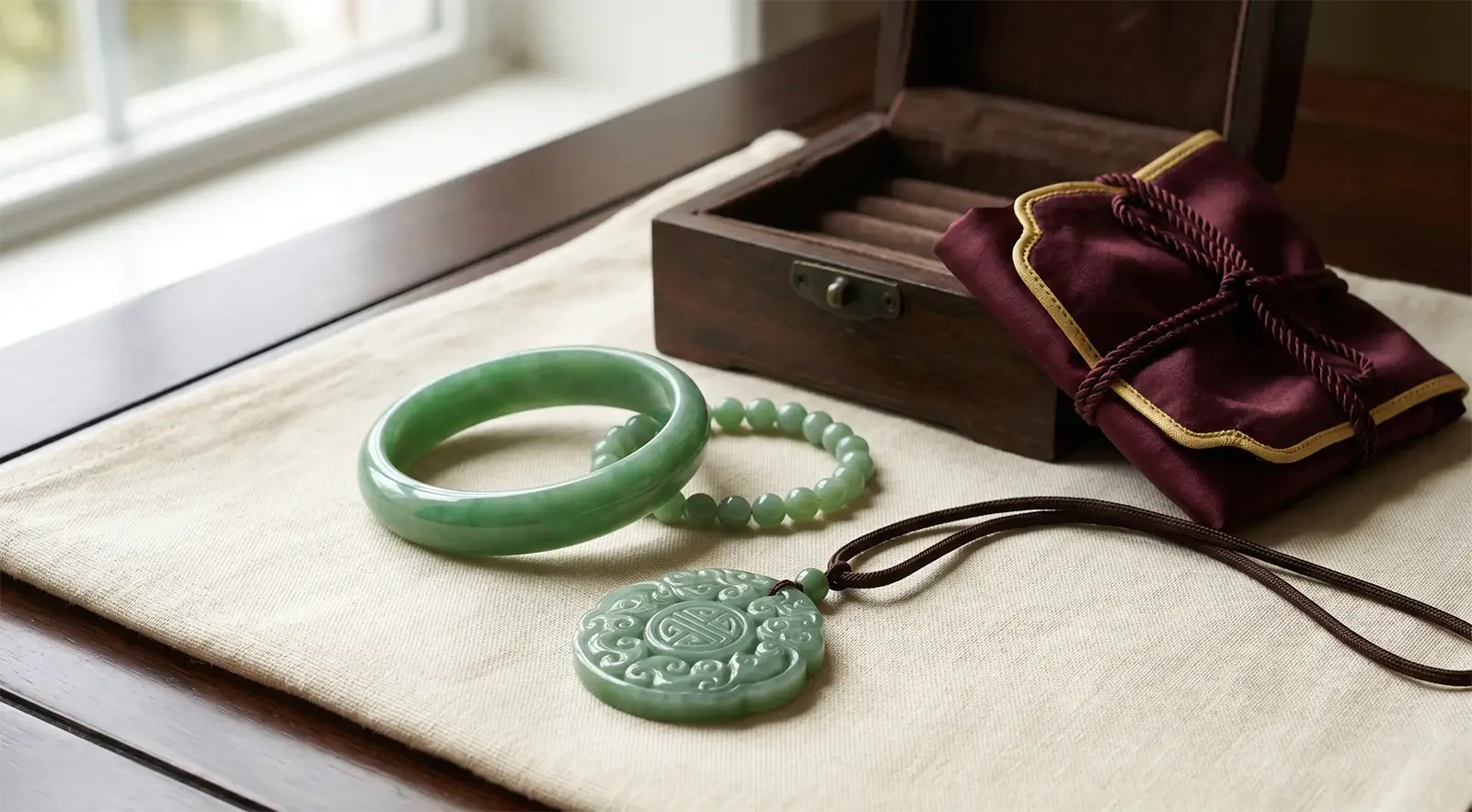
For modern wearers, jade can be meaningful as jewelry, a gift, a family keepsake, or a symbolic object. But its meaning should be handled carefully. A jade bangle, pendant, bead, or carving may carry family and cultural weight that goes far beyond color, trend, or gemstone marketing.
Why jade matters in East Asian culture
Jade matters because it has long been treated as more than a decorative material. In many East Asian contexts, jade has been connected with ritual, status, refinement, protection, family affection, and admired human qualities. Its hardness, smoothness, glow, and durability made it a material that could carry both beauty and symbolic seriousness.
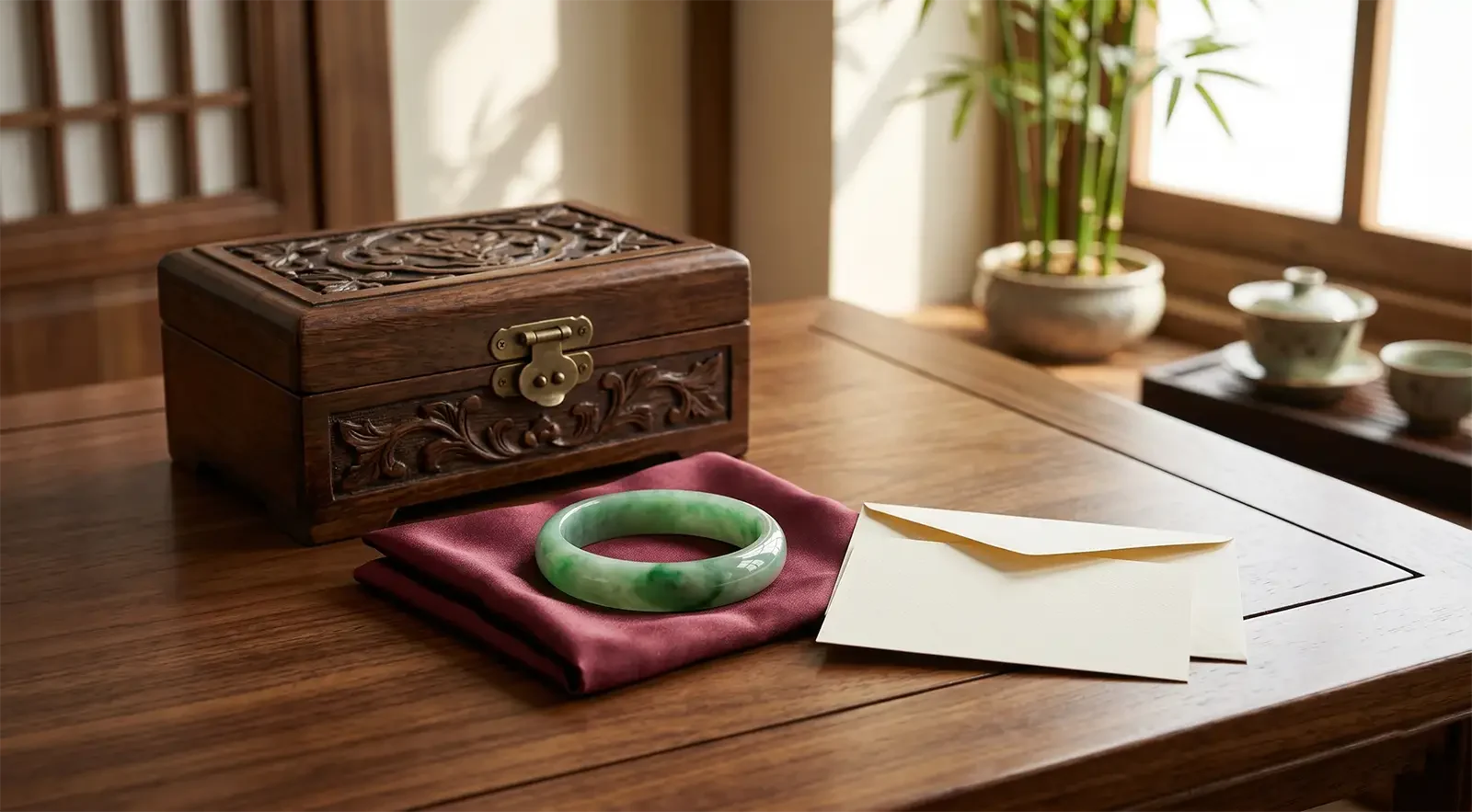
Unlike many stones that are valued mainly for sparkle or rarity, jade often carries a quieter kind of value. Its appeal is not only visual. It can represent character, continuity, care, and belonging. That is why jade is often given, inherited, worn daily, or kept as a meaningful object rather than treated as a disposable fashion item.
At the same time, jade should not be flattened into one “Eastern” meaning. A carved pendant, a bangle passed through family, an ancient ritual object, and a modern jade bracelet may all involve jade, but they do not all function the same way.
Jade in Chinese cultural history
Chinese jade culture is one of the most influential and widely recognized jade traditions. Across different periods of Chinese history, jade was connected with ritual objects, elite status, burial culture, personal adornment, moral symbolism, and auspicious meaning.
Jade has often been associated with qualities such as purity, refinement, dignity, endurance, and inner virtue. This is why jade is sometimes described not only as beautiful, but as a material that reflects an ideal way of being: polished, strong, restrained, and valuable from within.
In family and personal contexts, jade may also carry meanings of protection, blessing, care, and continuity. A jade bangle or pendant can feel like more than an accessory because it may connect the wearer to parents, grandparents, heritage, or an important life moment.
This deep cultural weight is one reason jade should not be explained only through modern crystal keywords. Words like “luck,” “protection,” or “healing” may appear in modern descriptions, but jade’s Chinese cultural meaning is broader and older than a simple gemstone list.
Jade in Korean and Japanese contexts
Jade also appears in Korean and Japanese cultural histories, though not always with the same role or emphasis as in Chinese tradition.
In Korean contexts, jade and jade-like ornaments have appeared in elite, ceremonial, and decorative settings, including historical ornaments associated with status and beauty. These objects should be understood within Korean material culture rather than automatically folded into Chinese jade symbolism.
In Japanese contexts, jade and jade-like materials have also held historical and sacred associations in certain forms, including ancient ornaments and objects linked to ritual or status. Again, the meaning is not identical to Chinese jade culture, and it should not be presented as if all East Asian jade traditions say the same thing.
The respectful takeaway is simple: jade has mattered across East Asia, but the details differ. Specific objects, regions, time periods, and communities matter.
Common symbolic themes
Although jade meanings vary, several symbolic themes appear often in East Asian and modern discussions of jade.
- Refinement: Jade is often associated with elegance, restraint, polish, and quiet beauty.
- Virtue: In Chinese cultural thought especially, jade may be linked with moral character and inner worth.
- Protection: Jade is often worn or gifted as a protective or auspicious object, depending on family and cultural context.
- Continuity: Jade can symbolize family memory, heritage, and connection across generations.
- Blessing: Jade gifts may carry wishes for safety, good fortune, health, peace, or a meaningful life chapter.
- Status and value: Historically, jade has often been tied to prestige, rarity, craftsmanship, and social meaning.
These themes should be used carefully. It is better to say jade is “often associated with” these meanings than to claim that every jade object always means the same thing.
Jade gift-giving traditions and etiquette
In some East Asian family and social contexts, jade is a meaningful gift. It may be given to mark protection, blessing, affection, family continuity, maturity, marriage, a milestone, or a special relationship. A jade gift may feel more serious than a casual fashion accessory because it can carry emotional and cultural intention.
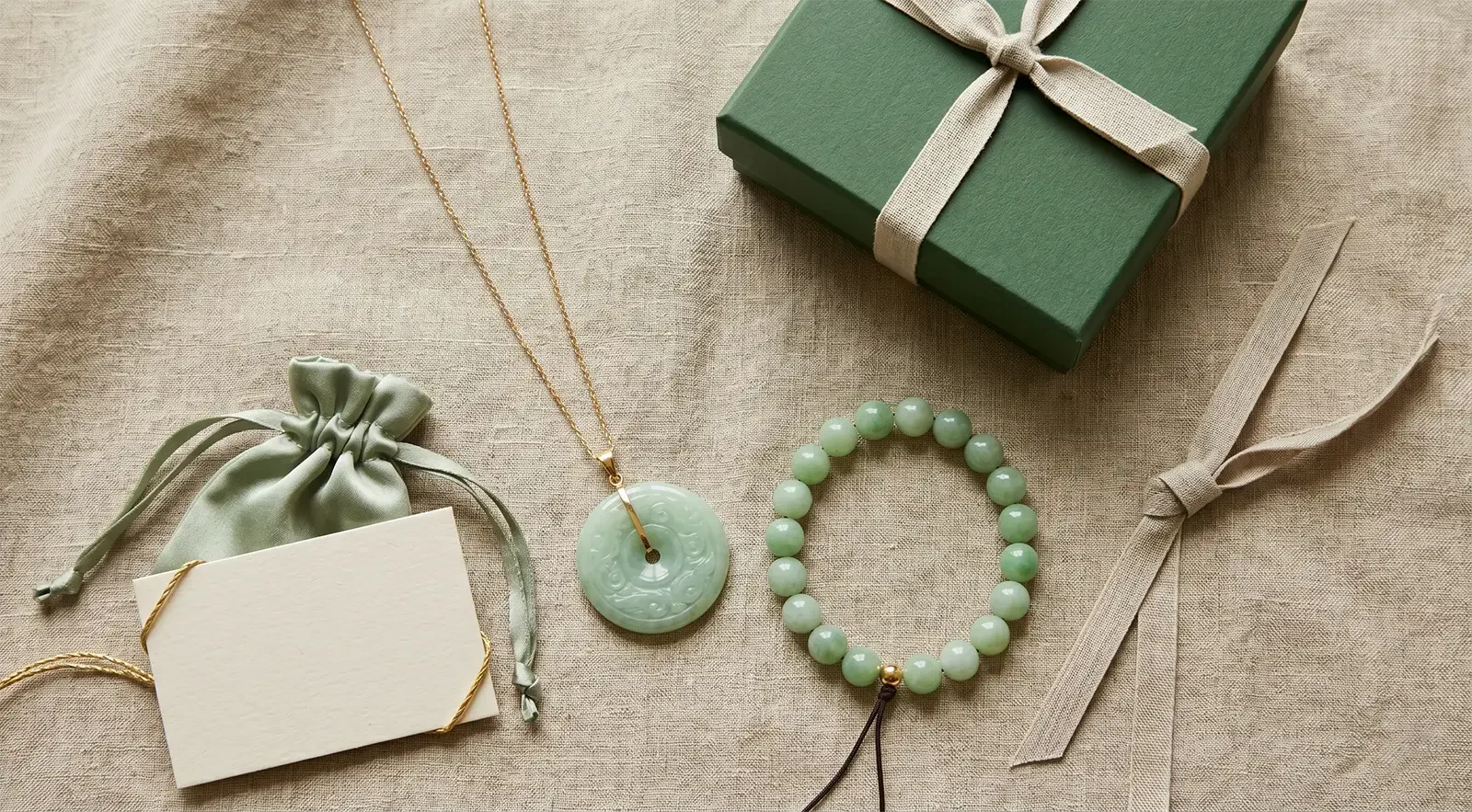
There is no single universal jade-gifting rulebook. Etiquette depends on family, culture, generation, region, and occasion. Still, a respectful approach usually includes a few simple habits:
- Understand the occasion. Jade may feel appropriate for meaningful milestones, but not every piece fits every situation.
- Avoid generic crystal language. If the piece has cultural meaning, do not reduce it to vague “energy stone” wording.
- Respect family-specific meaning. Some families have their own beliefs about jade gifts, inheritance, or daily wear.
- Choose with care. Presentation, quality, symbolism, and tone matter.
- Ask when unsure. A respectful question is better than an overconfident assumption.
If you want a broader jewelry gifting framework, read Healing Jewelry Gift Guide. This page stays focused on jade-specific cultural awareness.
Wearing jade today
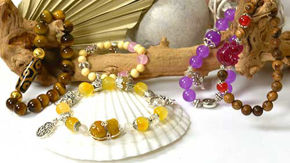
Today, jade may be worn for many reasons: family connection, cultural identity, beauty, protection symbolism, personal comfort, tradition, fashion, or spiritual meaning. A jade bangle, pendant, ring, or bead bracelet can mean different things to different wearers.
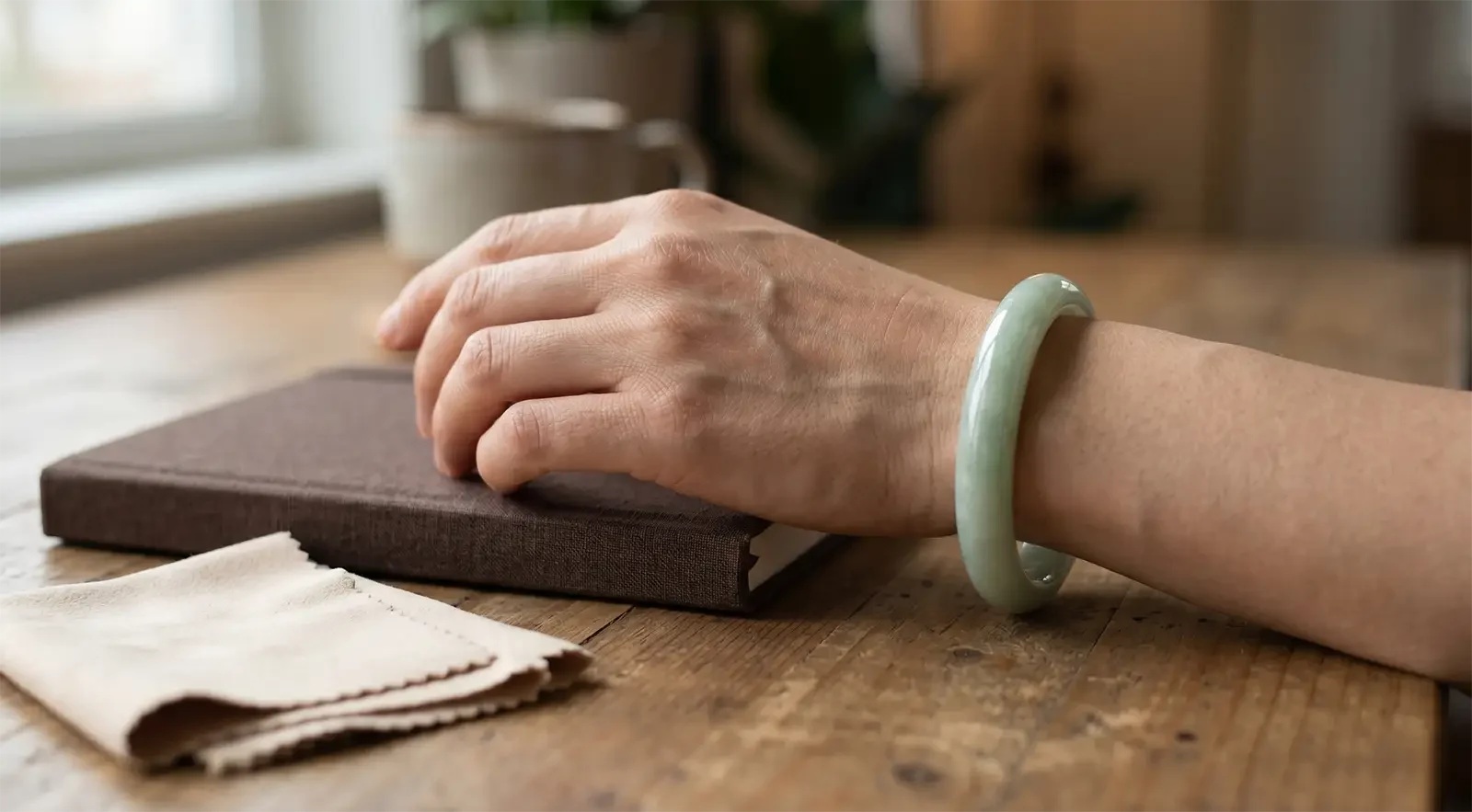
For some people, jade is a daily piece that feels close to family or heritage. For others, it is a meaningful gift. Some wear jade because they grew up around it. Some are drawn to the look and symbolism later in life. Some approach it through modern healing jewelry language, while others would never describe it that way.
This is why it is important not to assume too much when you see someone wearing jade. The piece may be personal, cultural, sentimental, spiritual, or simply loved for its beauty. It may also carry private meaning that the wearer does not need to explain.
If your question is about material basics such as jadeite, nephrite, treated stones, or imitation materials, that belongs to a different topic. Start with Natural vs. Synthetic Stones for broader material context.
What outsiders should avoid assuming
The biggest mistake is flattening jade into one simple story. Jade deserves more care than that.
- Do not assume “East Asian” means one tradition. Chinese, Korean, Japanese, and other regional histories are not identical.
- Do not reduce jade to a generic healing crystal. In many contexts, jade carries cultural, family, historical, and symbolic meaning first.
- Do not treat all jade gifts the same. Meaning depends on the giver, receiver, occasion, family, and community.
- Do not assume every jade wearer is making a spiritual statement. Some wear jade for culture, family, beauty, habit, or memory.
- Do not overclaim what jade can do. Symbolic meaning is not the same as guaranteed health, luck, or life outcomes.
- Do not speak over people from the culture. If context matters, listen before explaining.
A better starting point is humility. Ask what the piece means in its own context before assigning it a simplified meaning.
Jade and modern healing jewelry
Jade appears often in modern healing jewelry, where it may be described through themes such as peace, balance, heart energy, prosperity, protection, or emotional harmony. Some readers enjoy this modern spiritual-wellness layer, especially when choosing jade bracelets, pendants, or beads for personal intention.
That modern lens can be meaningful, but it should not replace jade’s cultural history. If jade is only described as a “heart chakra stone” or a “good luck crystal,” the explanation can become too thin. Jade’s cultural life is much richer than one keyword.
The most respectful way to wear jade within a healing jewelry practice is to hold both layers carefully: the personal meaning you bring to the piece and the cultural history that gives jade its deeper resonance.
If you want broader material meanings, read Common Materials in Healing Jewelry & Their Meanings. If you want the modern chakra lens, see Heart Chakra Guide.
FAQs
Why is jade so important in East Asian culture?
Jade is important because it has long carried more than decorative value. In many East Asian contexts, especially Chinese ones, jade has been tied to ritual, prestige, refinement, protection, family memory, and admired human qualities.
Does jade mean the same thing across all East Asian cultures?
No. Some themes overlap, but jade does not mean the same thing everywhere. Chinese, Korean, Japanese, and other regional contexts have their own histories, uses, and meanings.
Is jade only a Chinese cultural symbol?
No. Chinese jade culture is especially influential and widely discussed, but jade and jade-like materials also appear in other East Asian histories. The details differ by culture, period, and object type.
Is jade a good gift?
Jade can be a meaningful gift when chosen with care. In some families and cultural contexts, it may symbolize blessing, protection, affection, continuity, or an important life moment. Because meanings vary, it is best to consider the receiver, occasion, and family context.
Are there etiquette rules for giving jade?
There is no single universal rulebook. A respectful approach is to treat jade as meaningful, avoid generic crystal language, present it thoughtfully, and ask when family-specific customs may matter.
Can anyone wear jade?
Yes, but wearing jade respectfully means recognizing that it may carry cultural, family, or historical meaning for many people. Avoid treating it as a costume, trend prop, or one-dimensional “healing crystal.”
Is jade considered healing jewelry?
Jade can fit within modern healing jewelry when worn for symbolic support, intention, or spiritual-wellness meaning. However, jade’s cultural meaning is much older and broader than modern healing jewelry language.
Does jade bring guaranteed luck, health, or protection?
No. Jade may be associated with blessing, protection, auspicious meaning, or well-being in symbolic and cultural contexts, but it should not be presented as a guarantee of luck, health, safety, or any specific outcome.
Is this article about jade quality or authenticity?
No. This article is about cultural symbolism, traditions, and etiquette. It is not a guide to jade grading, jadeite versus nephrite, treatments, pricing, or authentication.
Jade is meaningful because it carries more than surface beauty. It can hold culture, memory, family affection, virtue, protection symbolism, and personal connection in one object. The more carefully you understand that context, the more respectfully you can wear, gift, or appreciate jade today.