
Choosing between massage chair financing vs paying in full usually comes down to two things: total cost and cash flow. Many shoppers focus on the monthly number first because it feels easier to manage, while others assume paying upfront is always the smarter move. In reality, the better option depends on how the purchase fits your budget, flexibility needs, and tolerance for long-term payment commitments.
If you are serious about buying, the goal is not to pick the option that sounds cheaper in a headline. It is to understand what you are actually giving up or protecting with each path. Financing can preserve cash and spread out the purchase. Paying in full can simplify the deal and reduce long-term obligations. The right answer depends on your situation, not on pressure-based sales language.
Who this guide is for: Shoppers who are serious about buying but need to decide whether monthly payments or upfront payment fits better.
How this guide was prepared: This guide was written using practical consumer-finance logic, contract-awareness framing, and real home-buyer decision trade-offs while keeping budget shortlists, sale timing, and service details in their proper owner pages.

Table of Contents
- Quick Answer
- What this decision is really about
- When financing may make more sense
- When paying in full may make more sense
- Total cost vs monthly comfort
- Questions to ask before choosing either path
- What this page does not decide for you
- A practical framework for making the choice
- Frequently Asked Questions
- Related Guides
Quick Answer
Massage chair financing vs paying in full comes down to whether preserving cash flow is more valuable to you than keeping the total purchase simpler and potentially less expensive over time. Financing can make a higher-priced chair more manageable month to month, which may help if you want to protect savings or avoid one large payment at once. Paying in full often makes more sense when the upfront cost is comfortable, you want fewer ongoing obligations, and you prefer a cleaner purchase with less long-term complexity. The smartest choice is usually the one that fits your real budget, not the one that looks easiest in marketing language.
What this decision is really about
This is not just a payment-method question. It is a trade-off between flexibility now and simplicity later. Financing spreads out the cost, which can help if you want breathing room in your monthly budget. Paying in full removes the ongoing payment commitment, which can feel cleaner and easier to manage once the purchase is done.
The mistake many shoppers make is looking at only one side. A low monthly payment can feel comfortable while hiding the bigger picture. On the other hand, paying everything upfront can feel responsible but still be the wrong move if it strains savings or leaves too little room for other real-life expenses.
When financing may make more sense
You want to protect cash flow
Financing can make sense when keeping more cash available matters more than removing the payment entirely. If the chair fits your priorities but a full upfront payment would make your month-to-month finances feel tighter than you like, spreading the cost out may be the more practical choice.
To review Tittac’s current payment-plan information before you compare monthly comfort, visit our massage chair financing page.
You prefer flexibility over a larger one-time hit
Some shoppers simply value flexibility. They would rather keep savings available for household needs, moving costs, family expenses, or other planned purchases. In that case, financing is less about “affording” the chair and more about choosing a payment structure that feels easier to live with.
You are buying with a clear monthly budget in mind
If you already manage major purchases by monthly budget rather than one-time cash spending, financing may fit your decision style better. That does not automatically make it the cheaper route, but it can make the purchase more manageable and easier to plan around.
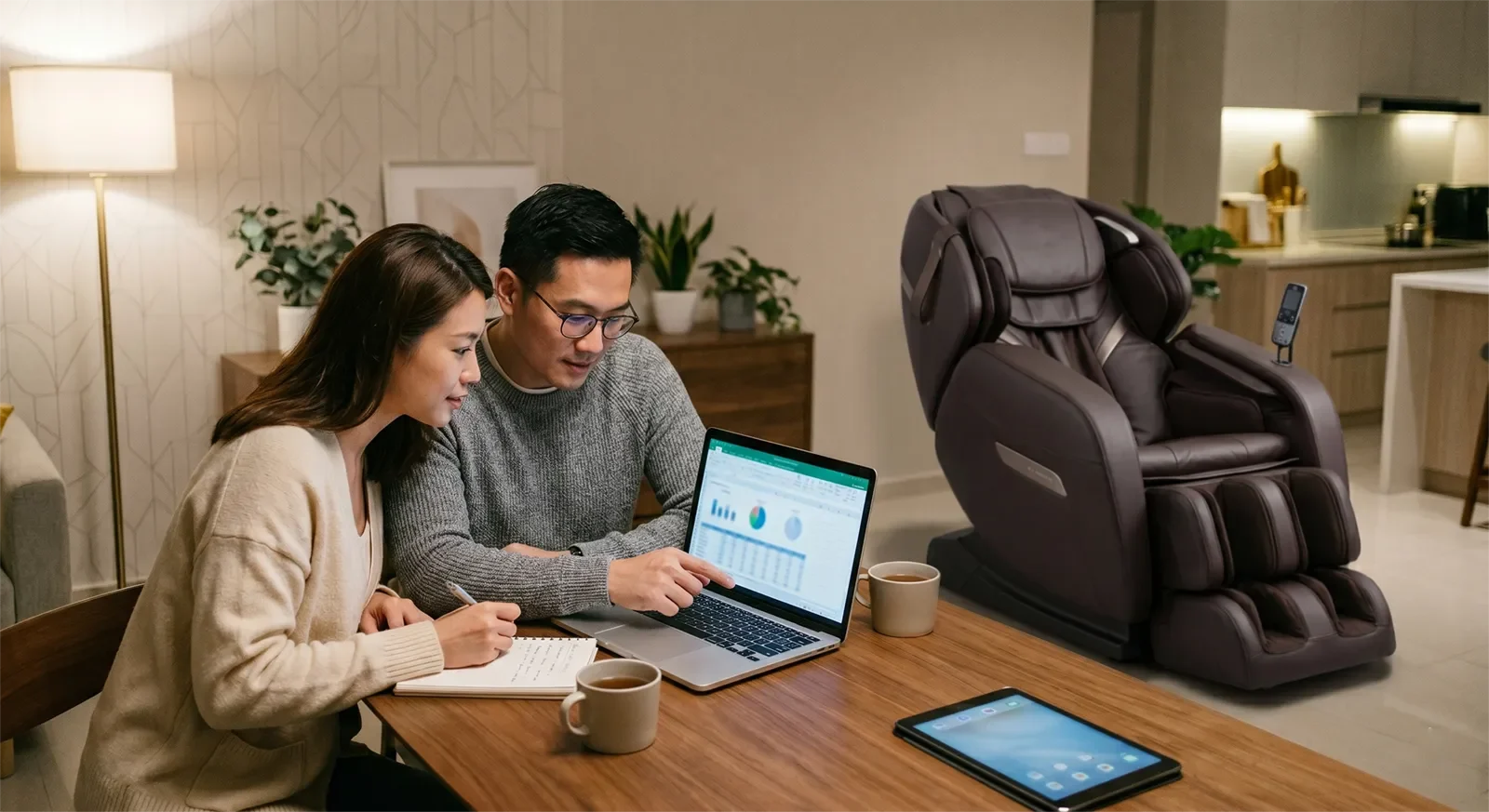
When paying in full may make more sense
You want the cleanest purchase structure
Paying in full often makes sense for buyers who want the purchase finished in one step. There is less ongoing mental overhead, fewer payment-related moving parts, and no need to think about the chair as an active monthly commitment after the transaction is complete.
You are comfortable with the upfront cost
If the chair fits your budget without putting stress on savings or day-to-day finances, paying in full can be the simpler choice. The value here is not just financial. It is also psychological. Many buyers like knowing the purchase is done and no longer tied to future monthly obligations.
You want to focus on total simplicity rather than payment flexibility
Some shoppers care less about preserving short-term cash flow and more about reducing financial clutter. For them, paying upfront feels more stable. Even if financing is available, that does not mean it automatically fits the buyer’s comfort level or money habits.
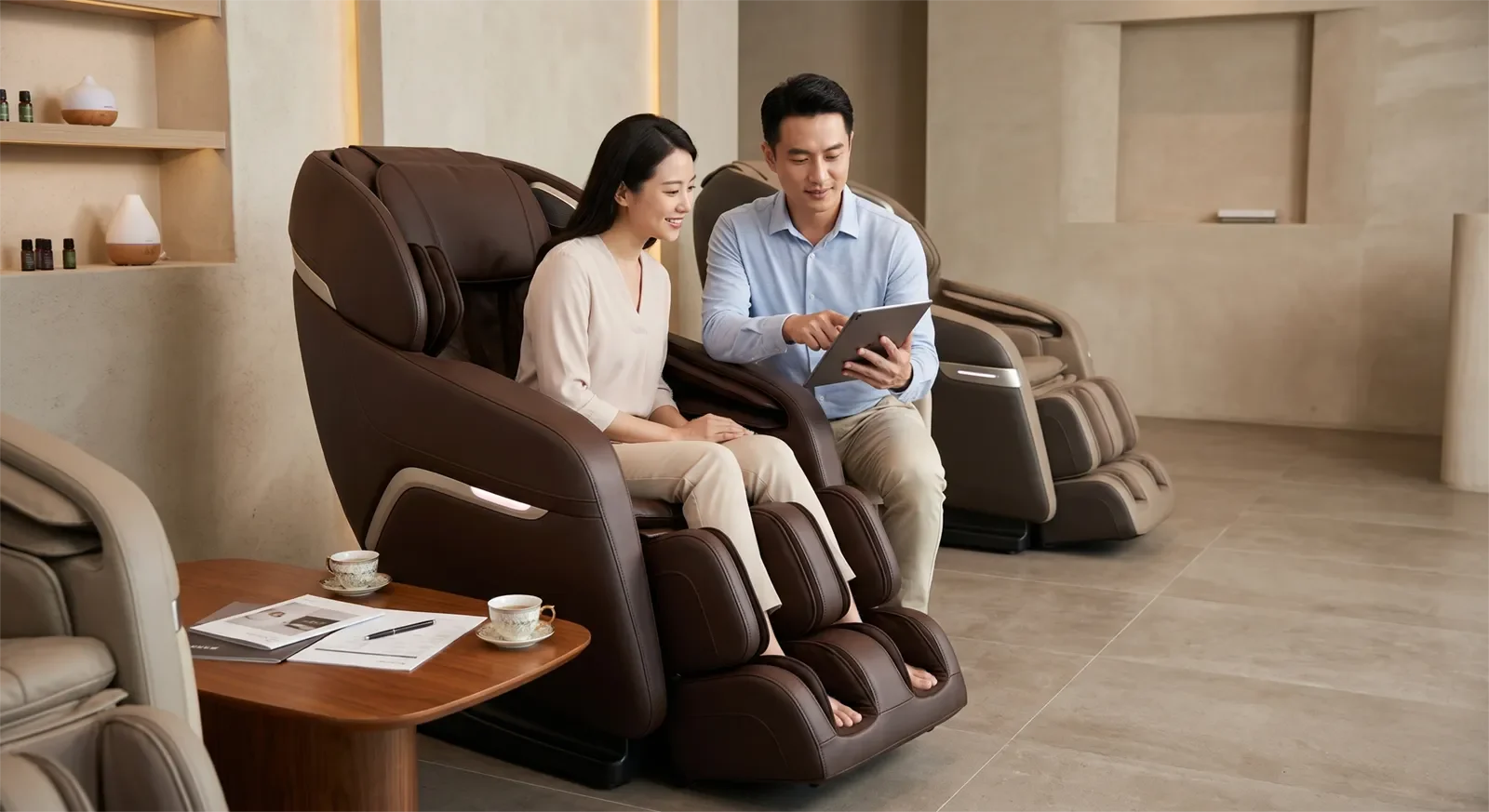
Total cost vs monthly comfort
This is usually the core trade-off. Financing can improve monthly comfort. Paying in full can improve overall simplicity. The right choice depends on which one matters more in your real life.
That is why it helps to avoid emotional shortcuts like “monthly is always smarter” or “cash is always best.” A monthly payment may feel easier but still not fit your long-term preferences. Paying in full may feel disciplined but still not be ideal if it leaves you less flexible than you want. The goal is not to follow a rule. The goal is to make the purchase fit the way you actually manage money.
Questions to ask before choosing either path
- Will paying in full make my savings feel too tight afterward?
- Will monthly payments feel manageable without becoming annoying over time?
- Am I choosing financing for flexibility, or just reacting to the lower monthly number?
- Am I choosing cash because it is simpler, or because I feel pressured to avoid financing on principle?
- Does this purchase still make sense for my home and priorities either way?
These questions matter more than blanket advice. Financing is not automatically good or bad. Paying in full is not automatically the mature choice. The better option is the one that supports a confident purchase without creating stress you will feel later.
What this page does not decide for you
This page owns the decision logic for payment structure only. It does not tell you whether a specific chair fits your home, whether a premium model is worth its price, whether seasonal timing matters, or whether service coverage changes your comfort level with the purchase.
If you are still comparing premium options, start with Best Luxury Massage Chairs from $7,000 to $15,000. If your real question is whether a high-end chair justifies the investment, read Is a $10,000 Massage Chair Worth It?. If support expectations are part of your decision, review Massage Chair Warranty and In-Home Service.
A practical framework for making the choice
- First, decide whether the chair itself is the right fit for your home and priorities.
- Next, compare how each payment path would feel one month after purchase, not just on checkout day.
- Choose financing if preserving cash flow matters more than having the purchase fully closed out.
- Choose paying in full if the upfront amount is comfortable and you want the cleanest long-term setup.
- Do not let a “limited-time” message force a payment decision you would not normally make.
If you are still earlier in the buying process, do not let the payment method decide the chair for you. Confirm that the chair fits your body, home, budget, and long-term comfort expectations first. Then choose the payment structure that supports the decision instead of pressuring it.
Frequently Asked Questions
Is financing a massage chair worth it?
It can be, especially if preserving cash flow matters more to you than closing out the purchase in one step. The real question is whether monthly payments fit your budget comfortably and support a decision you already feel good about.
Is paying cash always the better option?
No. Paying in full can be simpler, but that does not automatically make it better for every buyer. If the upfront payment would leave you feeling too tight financially, financing may be the more practical route.
Should I wait for a sale before deciding how to pay?
Sometimes, but that is a separate decision. This page is about payment structure, not timing. A sale can affect the price, but it should not pressure you into a payment plan that does not fit your real budget.
Do payment decisions matter if I am also worried about support after purchase?
Yes, but support expectations belong to a separate owner page. If you need to understand service coverage or in-home support questions before buying, see Massage Chair Warranty and In-Home Service.
Need help deciding whether financing or paying in full makes more sense for your massage chair purchase? Contact Tittac or visit the showroom to compare premium massage chair options, payment comfort, warranty expectations, and long-term ownership fit before you commit.
Contact Tittac or visit our showroom for help comparing payment options and premium massage chairs for your home.