







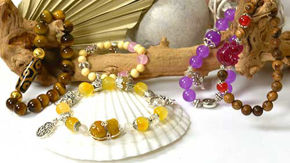
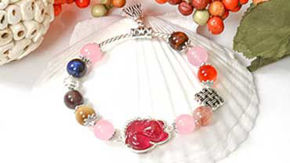


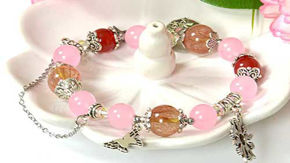
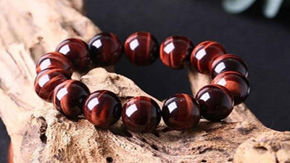

An evening wind-down routine with healing jewelry works best when it stays simple: remove or place one piece of jewelry down, wipe it gently if needed, take a few slower breaths, write one short reflection, and set a small intention for tomorrow. The goal is not to treat sleep issues or make big promises. The jewelry simply becomes a quiet cue to slow down and close the day with more awareness.
Who this guide is for: Readers who want a gentle end-of-day habit using healing jewelry as a personal reminder, not as a complicated ritual or medical solution.
How this guide was prepared: This guide follows Tittac’s claim-safe editorial standards for healing jewelry content. It treats jewelry as a symbolic cue for reflection, intention, and mindful routine support. It does not present healing jewelry as a treatment for insomnia, stress, anxiety, or any health condition.
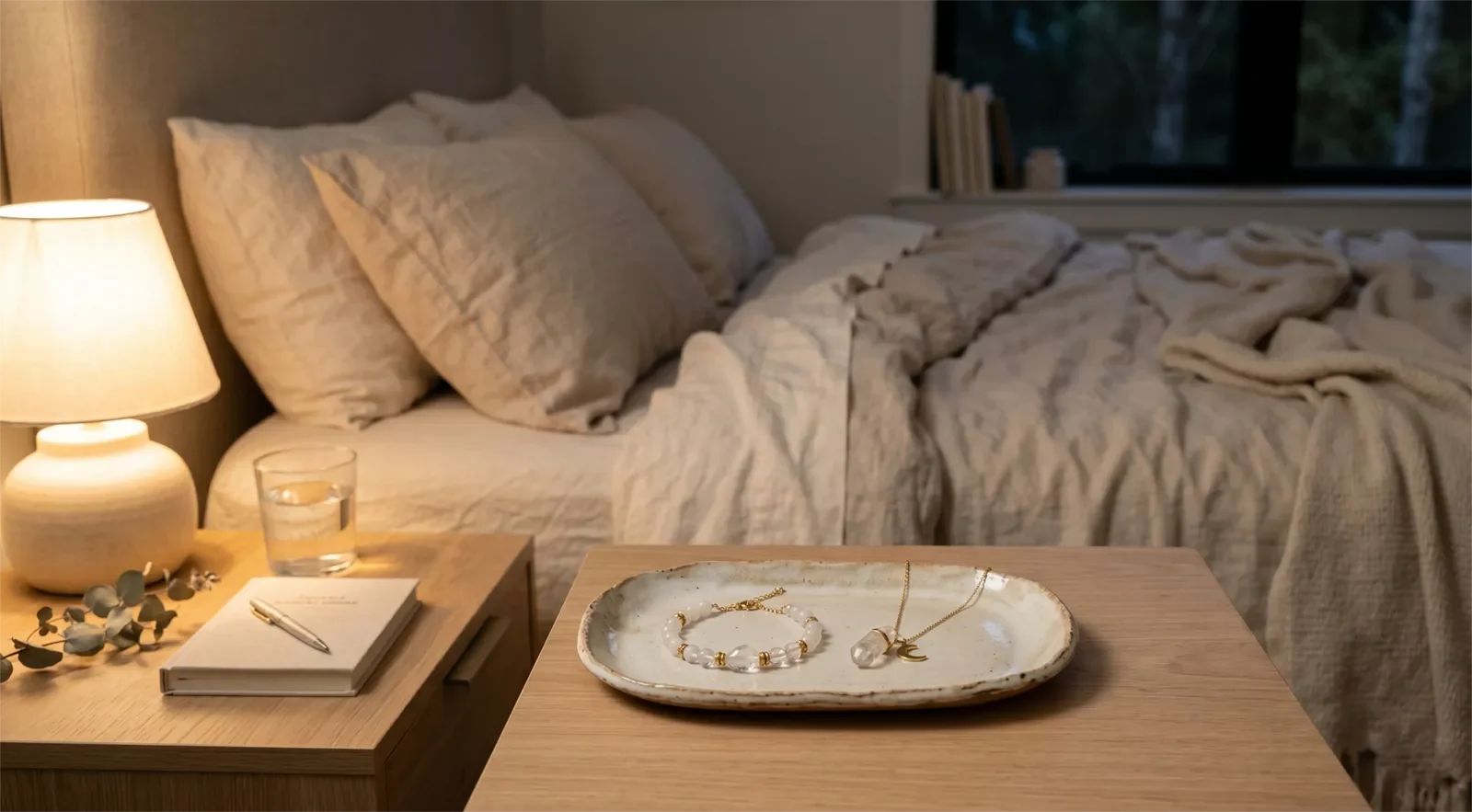
Evening routines often fail because they ask too much when the day is already long. A useful wind-down habit should feel easy enough to repeat. One bracelet, pendant, or stone-linked piece can act as a small signal that the busy part of the day is ending and a quieter part is beginning.
If intention-setting is the part you want to understand more clearly, start with How to Set an Intention with Healing Jewelry.
Table of Contents
Quick Answer
The best evening wind-down routine with healing jewelry is short, repeatable, and low-pressure. Choose one piece, remove it or place it in a dedicated spot, wipe it gently if needed, take a few slower breaths, write one sentence about what you want to release from the day, and set one small intention for tomorrow. The value comes from consistency and personal meaning, not from treating the jewelry as a guaranteed sleep or wellness solution.
Why an evening jewelry routine should stay simple
At night, most people do not need another demanding task. A routine that requires too many tools, steps, or rules can quickly become something you skip. A simple cue is easier to keep.
Healing jewelry can be useful in an evening routine because it is physical and familiar. When you remove a bracelet, place a pendant on a tray, or hold one stone-linked piece for a moment, that small action can mark a transition from doing to slowing down.
The jewelry does not have to “do” anything on its own. In this kind of routine, it works more like a symbolic anchor: a reminder to pause, reflect, and end the day with a little more intention.
A 5-step evening wind-down routine
You can use this sequence before bed, after work, after showering, or anytime you want to separate the active part of the day from the quieter part of the evening.
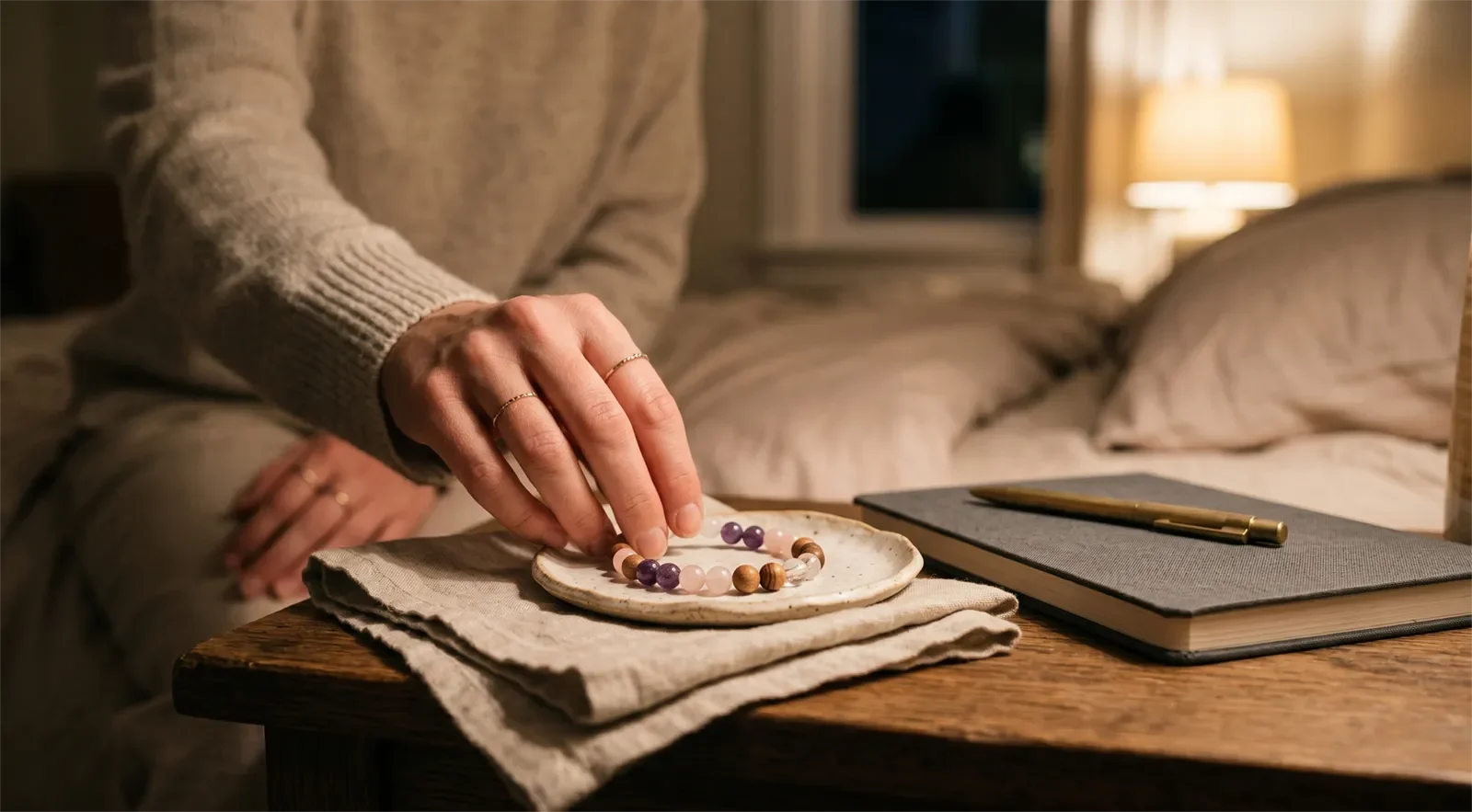
- Remove or place down one piece of jewelry. Choose one bracelet, necklace, ring, or stone-linked piece. Place it in a small tray, box, or dedicated space. Let this action symbolize setting the day down.
- Wipe it gently if needed. Use a soft cloth to remove sweat, dust, lotion, or daily buildup. This keeps the jewelry in better condition and gives you a natural pause.
- Take a few slower breaths. Keep it easy. You do not need a perfect breathing technique. Simply breathe a little slower than usual and let your body notice the shift.
- Write one short reflection. One sentence is enough. You might write what you are ready to release, what you learned today, or what felt heavy.
- Set one intention for tomorrow. Choose a small, realistic sentence such as “Tomorrow, I will move with more patience” or “Tomorrow, I will speak clearly about what I need.”
If five steps feel like too much, use only three: place the jewelry down, breathe slowly, and write one sentence. A routine you can repeat is better than a ritual you abandon.
Jewelry choices that work well
The best piece for an evening routine is usually the one that feels calming, comfortable, and easy to use. Bracelets work well because they are tactile and simple to remove. Pendants can feel more private and quiet. Rings may work if you naturally notice your hands during the day.
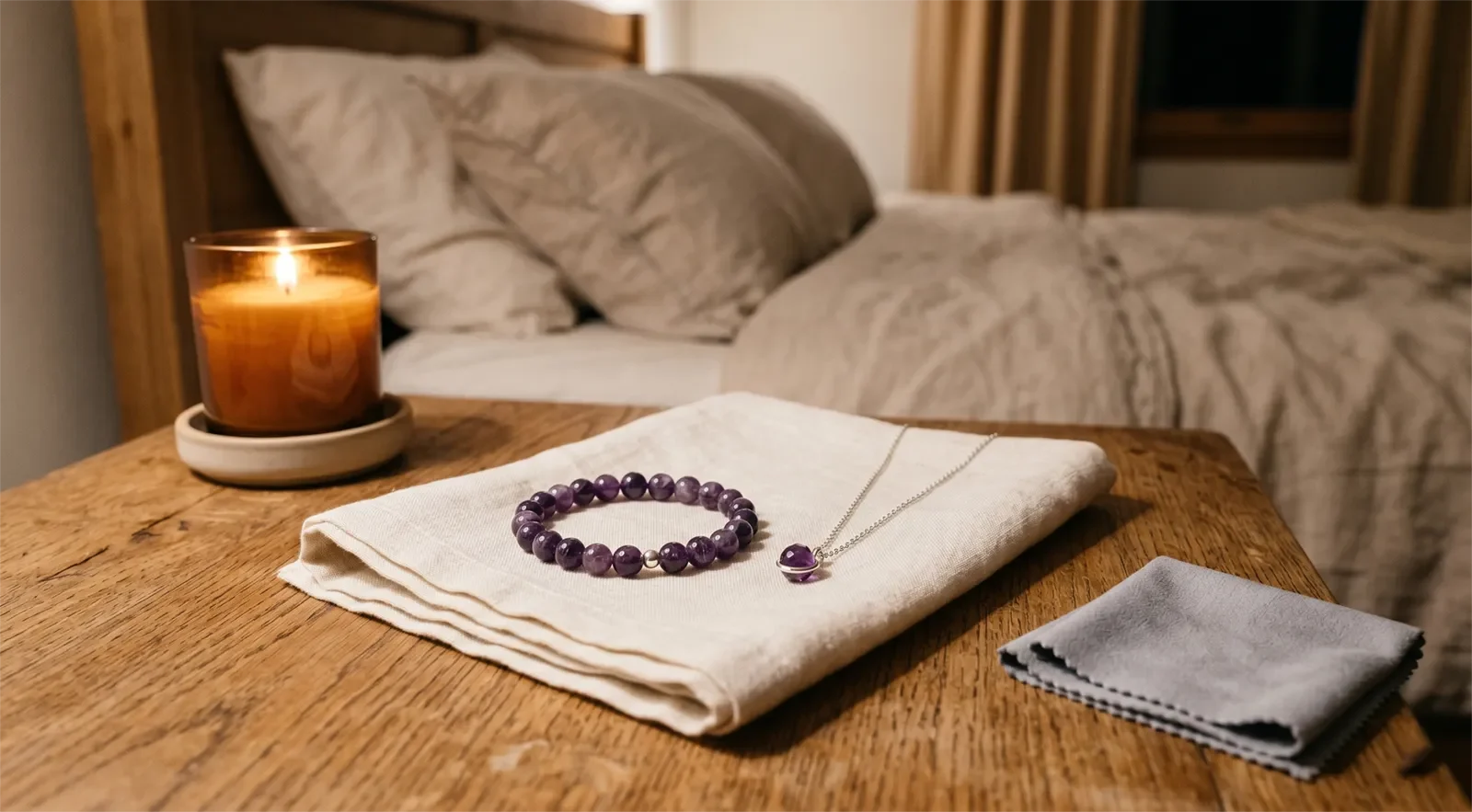
Many people choose Amethyst for evening routines because it is traditionally associated with calm, reflection, and a softer emotional tone. Moonstone is also often chosen for symbolic themes of transition, gentleness, and inner reflection.
Still, the stone does not need to be perfect. If one piece feels meaningful, easy to reach for, and realistic to use every night, that matters more than choosing the most popular stone.
If you want broader upkeep guidance, read How to Cleanse & Care for Healing Jewelry. If you want a narrower bracelet care question, see How Often Should You Cleanse a Bracelet?.
Journaling and intention prompts
You do not need to write a full journal entry. One or two lines can be enough to give the routine shape.

- What am I carrying from today that I do not need to keep holding tonight?
- What is one small thing I handled well today?
- What kind of energy do I want to bring into tomorrow?
- What can I set down for the night?
- Where can I be gentler with myself tomorrow?
After writing, you can add one short intention while placing the jewelry down. Examples include: “Tomorrow, I choose clarity,” “Tomorrow, I will move with steadiness,” or “Tomorrow, I will pause before reacting.”
For a fuller intention-setting framework, read How to Set an Intention with Healing Jewelry.
What to avoid
- Do not turn the routine into a performance. A short habit is easier to repeat than a long ritual that feels like work.
- Do not expect instant results. The value is in repetition, awareness, and association, not dramatic promises.
- Do not use too many pieces at once. One piece is enough for a clear evening cue.
- Do not treat this as medical care. This routine is not a treatment for insomnia, anxiety, stress, or any health condition.
- Do not force belief. You can use this practice as a simple mindfulness cue even if you approach healing jewelry in a symbolic or personal way.
Frequently Asked Questions
Is this routine meant to treat sleep problems?
No. This is not a sleep-treatment guide and it is not medical advice. It is a symbolic, mindfulness-oriented routine that uses jewelry as a cue for slowing down and reflecting at the end of the day.
How long should the routine take?
About three to five minutes is enough. The routine should feel easy to repeat, especially on busy nights.
Should I sleep while wearing the jewelry?
You do not have to. For many people, removing the jewelry and placing it in a dedicated spot is the most useful part of the routine because it creates a clear end-of-day transition. Removing jewelry at night can also help reduce pulling, stretching, or accidental damage.
Is Amethyst required for an evening routine?
No. Amethyst is a popular choice because of its traditional associations with calm and reflection, but any meaningful, comfortable piece can work. Consistency matters more than choosing one “perfect” stone.
Can I do this routine if I do not strongly believe in healing jewelry?
Yes. You can use the jewelry as a personal reminder or mindfulness cue. The routine does not require a specific spiritual belief system.
What should I read next?
For intention-setting, read How to Set an Intention with Healing Jewelry. For stone-specific meaning, start with Amethyst Meaning. For care and upkeep, read How to Cleanse & Care for Healing Jewelry.
Disclaimer
This article is for symbolic, spiritual-wellness, and mindfulness-oriented education only. Healing jewelry may be used as a personal cue for reflection and intention, but it should not be understood as diagnosing, treating, curing, or preventing any health condition.
Related Posts
- How to Set an Intention with Healing Jewelry
- Amethyst Meaning
- How to Cleanse & Care for Healing Jewelry
- How Often Should You Cleanse a Bracelet?
If you want to try this tonight, keep it simple: choose one piece, place it down, breathe slowly, write one honest sentence, and give tomorrow a small intention.