








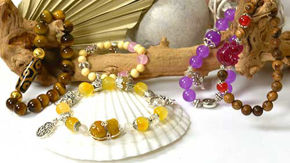
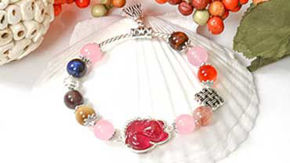


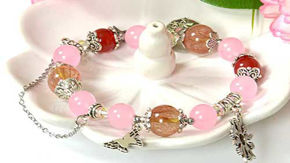
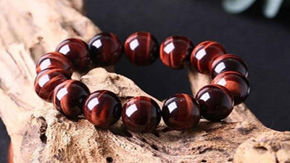

To cleanse and care for healing jewelry safely, separate two different jobs: physical cleaning and symbolic cleansing. Physical cleaning protects the stone, metal, cord, clasp, or elastic. Symbolic cleansing is a personal reset practice. For beginners, the safest approach is simple: use a soft cloth first, avoid harsh methods, and choose low-risk symbolic options such as intention, rest, sound, or indirect moonlight.
Who this guide is for: This guide is for beginners who own, wear, gift, or plan to buy healing jewelry and want a safe, practical way to clean, store, and symbolically cleanse their pieces without damaging them.
How this guide was prepared: This article was built as the main care pillar for Tittac’s healing jewelry guide. It separates jewelry care from symbolic practice, keeps methods conservative, and points readers to narrower guides for water safety, sunlight, moonlight, smoke cleansing, sound cleansing, gemstone treatments, bracelet breakage, and storage.
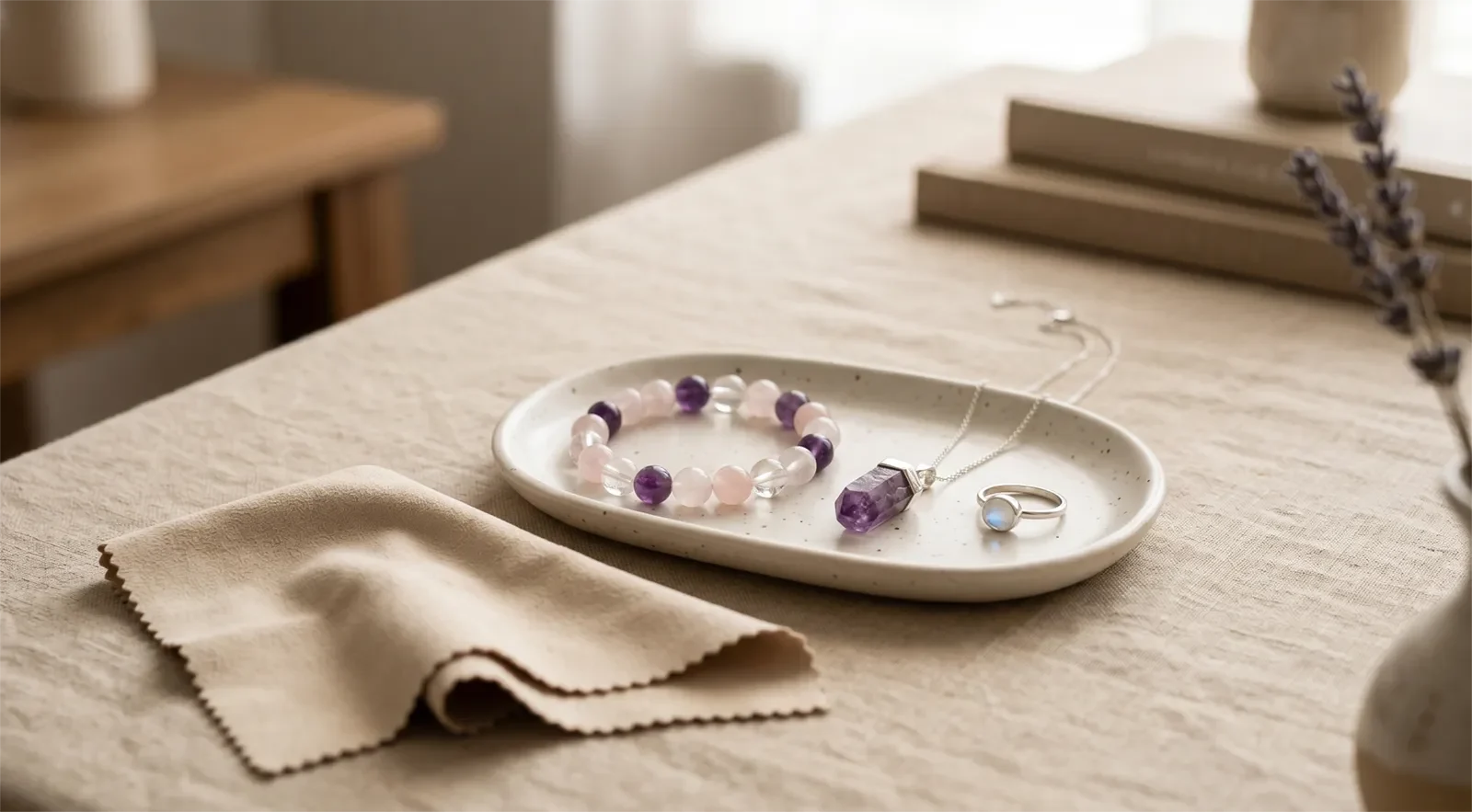
Healing jewelry is often chosen for beauty, symbolism, intention, and daily wear. But care mistakes are common because many beginners assume every crystal, bead, bracelet, necklace, or pendant can be cleaned or cleansed the same way. That is not true.
Some stones are porous. Some beads are dyed or coated. Some metals are plated. Some bracelets use elastic, glue, or mixed materials. A method that is fine for one piece may be too harsh for another.
This guide gives you a safer beginner framework. If your question is specifically about showering, read Can You Shower with Crystal Jewelry?. If you are comparing moonlight and sunlight, go to Moonlight vs. Sunlight Charging. If you are unsure whether a stone has been dyed, coated, filled, or treated, start with Gemstone Treatments 101.
Table of Contents
- Quick Answer
- Cleaning vs. Cleansing
- The Safest Beginner Rule
- Safe Care Methods at a Glance
- How to Physically Clean Healing Jewelry
- Beginner-Friendly Symbolic Cleansing Methods
- Methods Beginners Should Not Treat as Universal
- How to Store Healing Jewelry
- How to Travel with Healing Jewelry
- How Often Should You Cleanse or Care for It?
- When to Stop and Use Extra Caution
- A Grounded Note on Symbolic Cleansing
- Frequently Asked Questions
- Related Guides
Quick Answer
The safest way to cleanse and care for healing jewelry is to start gently. For physical cleaning, use a soft dry cloth first. If needed, use a slightly damp cloth only when you know the stone, metal, cord, and construction can handle moisture. Avoid soaking, salt, steam, harsh cleaners, ultrasonic machines, perfume, and strong sunlight unless you are sure the piece is safe for that method.
For symbolic cleansing, choose low-risk methods such as setting an intention, resting the jewelry on a clean cloth, using sound, or placing it in indirect moonlight. These methods are gentle, beginner-friendly, and less likely to damage delicate materials.
Cleaning vs. Cleansing
Physical cleaning means removing sweat, skin oil, dust, lotion, residue, or buildup from the actual jewelry. This protects the appearance, comfort, and durability of the piece.
Symbolic cleansing is different. Many people use it as a personal reset after stress, travel, emotional heaviness, a major transition, or receiving a meaningful piece. Symbolic cleansing is about intention and meaning, not physical repair.
Keeping these two ideas separate prevents many mistakes. A bracelet may need a gentle wipe but no symbolic ritual. A pendant may feel physically clean but still feel meaningful to reset with intention. Both can be valid, but they are not the same job.
The Safest Beginner Rule
If you are unsure what your healing jewelry can handle, go gentler.
That is the most important rule in this guide. Stronger methods are not automatically better. More water, more salt, more sun, more smoke, or more elaborate ritual does not mean deeper care. In many cases, it simply creates more risk.
This is especially important if your jewelry includes:
- Dyed beads
- Coated stones
- Fracture-filled or treated gemstones
- Porous stones
- Plated metal
- Elastic cord
- Glued parts
- Mixed materials
- Delicate charms, spacers, or clasps
When in doubt, use a soft cloth for physical care and a non-contact method for symbolic cleansing.
Safe Care Methods at a Glance
| Care Method | Best For | Beginner Safety Level | Important Caution |
|---|---|---|---|
| Soft dry cloth | Daily physical cleaning | Very safe for most pieces | Still be gentle with fragile settings or loose parts |
| Slightly damp cloth | Light residue or surface dust | Generally safe when moisture is limited | Avoid if the piece is water-sensitive or unknown |
| Mild soap and limited water | Some durable jewelry materials | Use only when material-safe | Do not soak; dry carefully afterward |
| Intention reset | Symbolic cleansing | Very safe | Works best when kept simple and personal |
| Resting on a cloth or tray | Gentle symbolic reset | Very safe | Keep away from moisture, heat, and direct sun |
| Sound cleansing | Non-contact symbolic cleansing | Beginner-friendly | Avoid placing fragile jewelry where vibration may knock it down |
| Indirect moonlight | Gentle symbolic charging or reset | Usually lower-risk than direct sunlight | Protect from dew, rain, moisture, and outdoor exposure |
| Salt or salt water | Advanced symbolic use only when material-safe | Not beginner-safe as a default | Can damage stones, metal, elastic, and finishes |
| Direct sunlight | Only specific durable materials and short exposure | Not universal | May fade, heat, dry, or stress certain materials |
How to Physically Clean Healing Jewelry
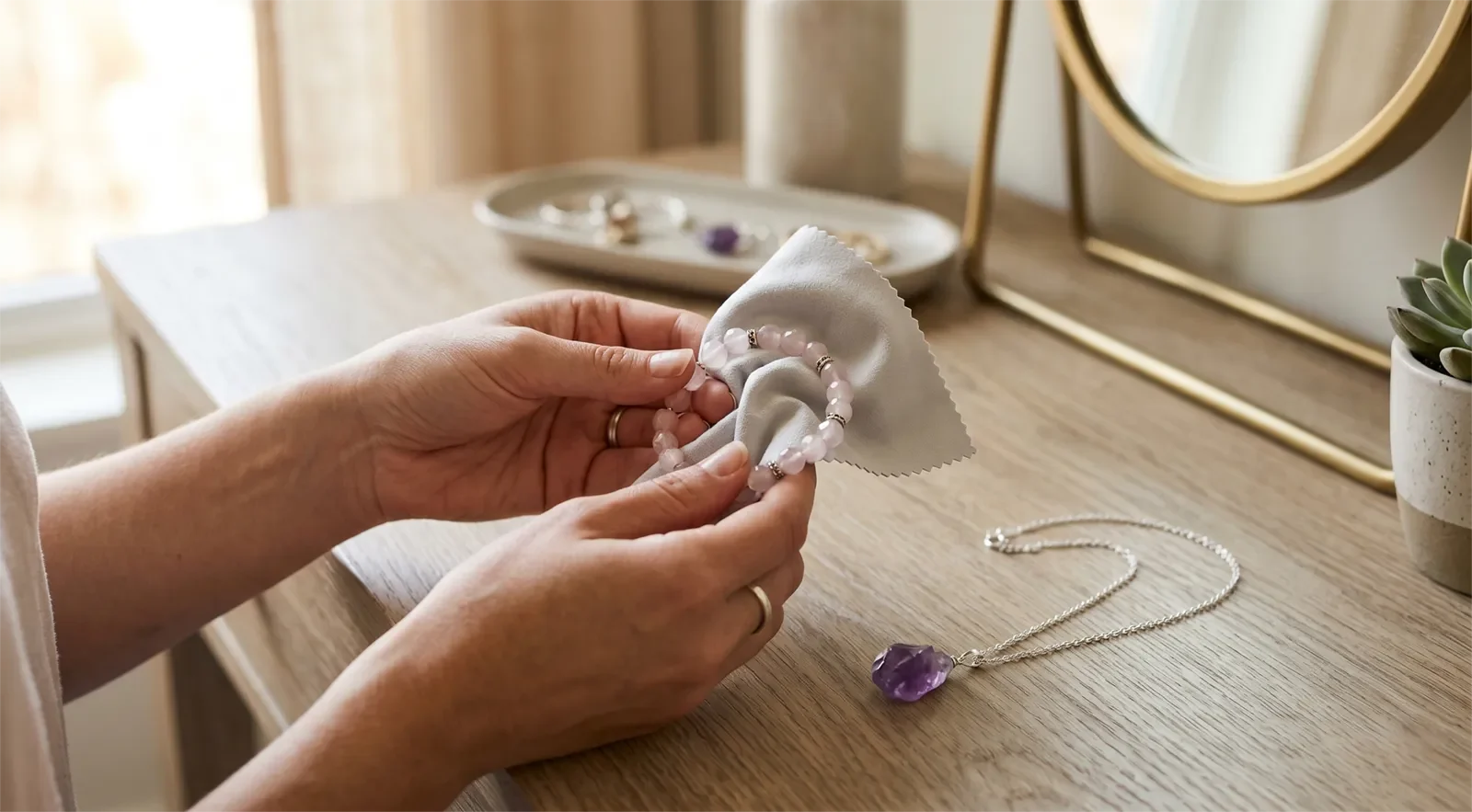
Step 1: Start with a soft dry cloth
For most beginner care, a soft dry cloth is the safest starting point. Wipe the beads, stones, metal parts, clasp, pendant, or chain gently. This removes light dust, skin oil, and surface residue without exposing the piece to moisture or chemicals.
Step 2: Use limited moisture only when appropriate
If the piece still needs attention, a slightly damp cloth may be enough. Use minimal water, avoid soaking, and dry the piece carefully. Moisture should be treated as a material-specific care choice, not a universal method.
Be especially cautious with bracelets because water can affect more than the beads. Elastic, thread, knots, glued areas, spacers, charms, and metal parts may all react differently.
Step 3: Use mild soap only when you know the piece can handle it
Some durable jewelry can tolerate a small amount of mild soap and lukewarm water, but this should not be your default method for every crystal bracelet, pendant, ring, or necklace. Avoid harsh soap, cleaning sprays, alcohol, bleach, vinegar, abrasive cloths, and jewelry dips unless the piece is specifically made for that kind of care.
Step 4: Dry carefully
After any moisture exposure, dry the piece gently and thoroughly. Do not leave moisture trapped around bead holes, clasps, cords, or settings. Avoid heat drying, hair dryers, hot windowsills, and direct sun as a shortcut.
Step 5: Check the construction
Look for loose beads, stretched elastic, weak knots, tarnished metal, cracked coatings, or loose stones. Care is not only about cleaning the surface. It is also about noticing when a piece is becoming fragile.
Beginner-Friendly Symbolic Cleansing Methods
Symbolic cleansing should feel calm, personal, and low-pressure. It does not need to be dramatic to be meaningful.
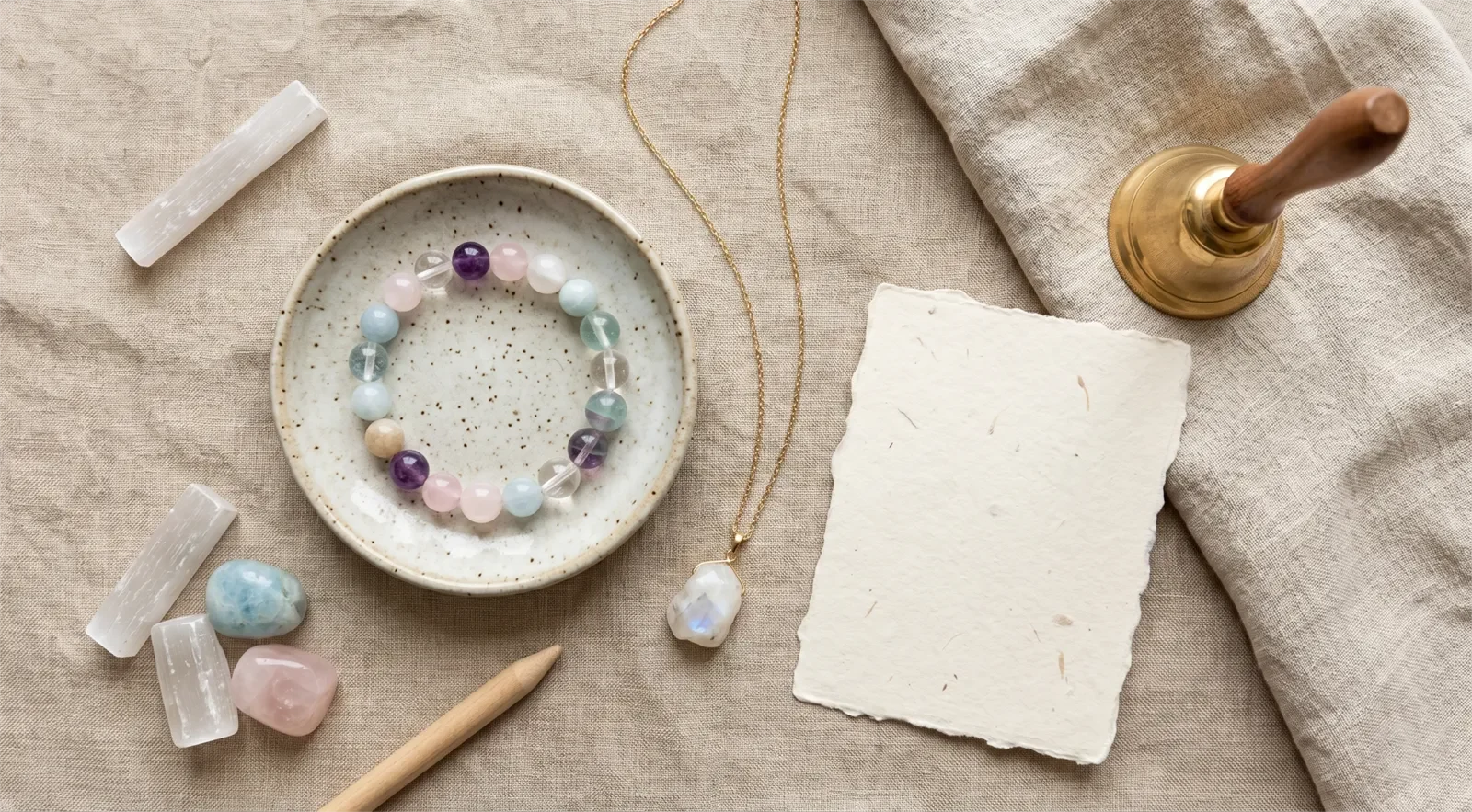
Intention
Hold the jewelry for a quiet moment and name what the piece represents for you now. This could be calm, focus, grounding, love, protection symbolism, patience, clarity, or another personal theme. Intention is one of the safest methods because it does not expose the jewelry to water, salt, heat, smoke, or chemicals.
Rest
Place the jewelry on a clean cloth, tray, or dish overnight. This gives the piece a simple reset without physically stressing it. Rest is especially useful for delicate, treated, or mixed-material jewelry.
Sound
Some people use a bell, chime, singing bowl, or soft sound as a symbolic clearing method. Sound is popular because it does not require soaking or direct contact with a substance. For a deeper guide, read Sound Cleansing 101.
Indirect moonlight
Indirect moonlight is often chosen as a gentler symbolic option than direct sunlight. Keep the jewelry indoors near a window or in a protected place where it will not be exposed to dew, rain, outdoor moisture, theft, pets, or sudden temperature changes. For a focused comparison, read Moonlight vs. Sunlight Charging.
Methods Beginners Should Not Treat as Universal
Some popular cleansing methods can be meaningful in certain traditions or personal practices, but that does not make them safe for every piece of jewelry. Beginners should be especially careful with the methods below.
Long soaking
Soaking can weaken elastic, affect bead holes, loosen glue, damage metal, or stress porous stones. Even if a stone itself is durable, the jewelry construction may not be.
Salt and salt water
Salt is often mentioned in symbolic cleansing, but it is not beginner-safe as a universal method. It can be too harsh for certain stones, coatings, metals, cords, and bracelet construction.
Direct sunlight
Direct sun may fade color, create heat stress, dry out materials, or affect treated stones. Sunlight should not be used as a default charging method. If you want a safer beginner symbolic reset, indirect moonlight is usually gentler.
Smoke
Smoke cleansing is optional, not required. It can also raise concerns around ventilation, scent sensitivity, pets, indoor air quality, and cultural respect. If smoke is part of your practice, use it carefully and read Smoke Cleansing Jewelry first.
Steam, ultrasonic machines, and jewelry dips
These are not beginner methods for healing jewelry. They may be appropriate for some fine jewelry under the right conditions, but they can be risky for crystal jewelry, treated stones, glued components, elastic bracelets, and mixed-material designs.
Perfume, lotion, and chemical contact
Apply perfume, lotion, sunscreen, and hair products before putting jewelry on. Chemical contact can dull finishes, affect metal, leave residue, or build up around beads and settings.
How to Store Healing Jewelry
Good storage is part of good care. Jewelry can scratch, stretch, fade, tangle, or weaken even when it is not being worn.
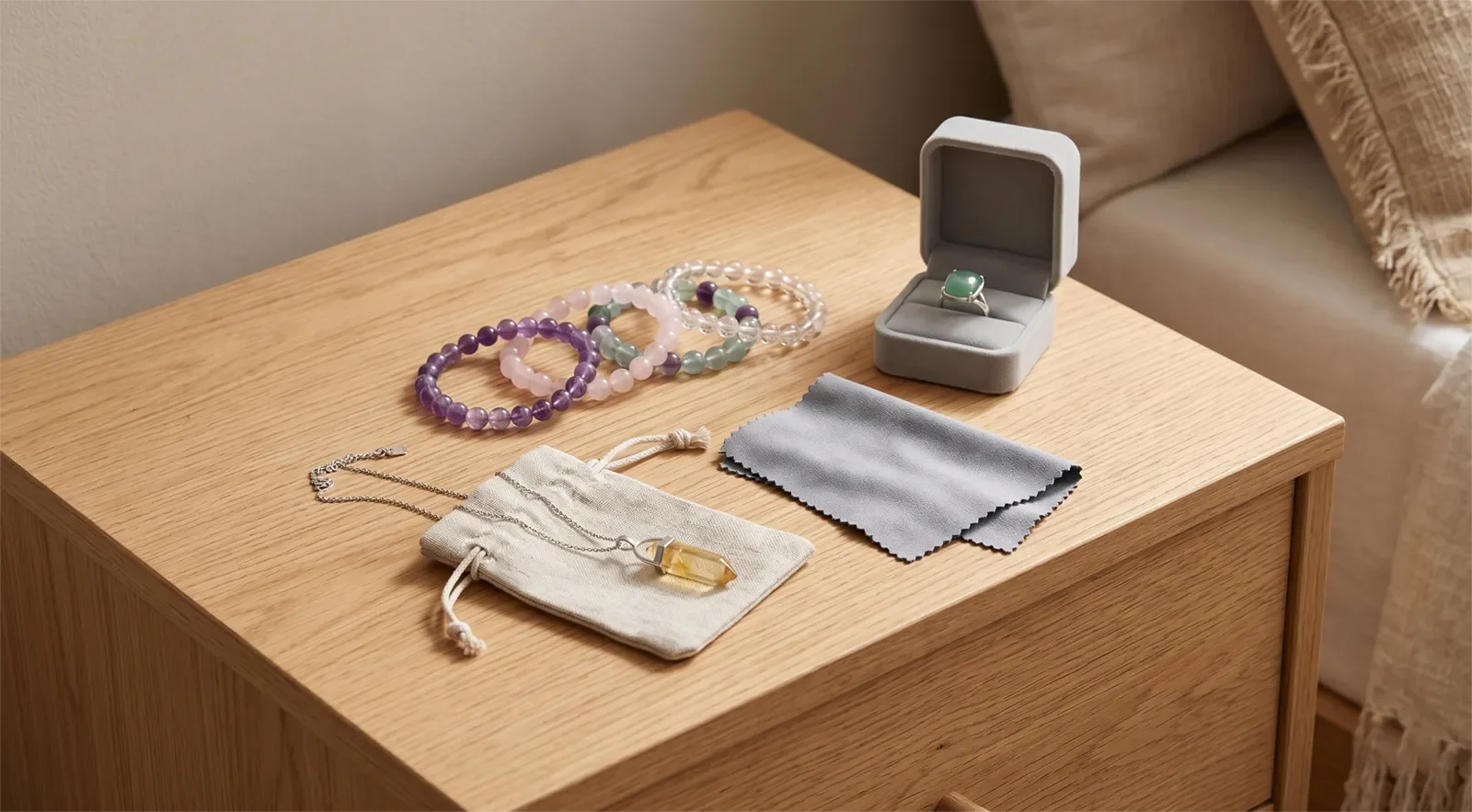
- Store pieces separately when possible.
- Use a soft pouch, lined box, or divided tray.
- Keep harder stones away from softer stones.
- Avoid crowded pouches where beads and metal parts rub together.
- Keep jewelry away from excess heat, humidity, and direct sunlight.
- Do not store delicate jewelry in a steamy bathroom.
- Lay elastic bracelets flat instead of hanging them under tension.
For a deeper storage guide, read How to Store Crystal Jewelry.
How to Travel with Healing Jewelry
When traveling, protect healing jewelry from friction, pressure, and sudden environmental changes. A bracelet loose in a crowded makeup bag can scratch, stretch, or break. A pendant chain can tangle. A ring can get lost if it is removed during washing or airport routines.
Use a small pouch, divided jewelry case, or soft wrap. Keep pieces separated. Do not leave jewelry in a hot car, damp hotel bathroom, or direct sunlight near a window. If a piece is meaningful or difficult to replace, travel with fewer items and pack them carefully.
How Often Should You Cleanse or Care for It?
There is no universal schedule. Physical cleaning depends on wear. Symbolic cleansing depends on personal meaning.
For physical care
Wipe jewelry lightly after regular wear, especially if it touches skin, lotion, sweat, or perfume. Clean more carefully only when needed. Gentle consistency is better than harsh occasional cleaning.
For symbolic cleansing
Use symbolic cleansing when it feels useful, not because you are afraid the jewelry has “gone bad.” Many people do it after travel, emotional heaviness, a major transition, receiving a gift, or before setting a new intention.
A simple beginner rhythm is:
- Physical care: light, regular, and gentle
- Symbolic cleansing: occasional, intentional, and low-pressure
If you want a more specific bracelet-focused guide, read How Often Should You Cleanse a Bracelet?.
When to Stop and Use Extra Caution
Stop and choose a safer care method if you notice any of the following:
- Color rubbing off on cloth or skin
- Loose beads, loose stones, or loose metal parts
- Elastic that looks stretched, frayed, or weak
- Cloudy coating, peeling, or surface damage
- Rust, tarnish, or discoloration near metal parts
- Cracks, chips, or rough bead edges
- Unknown stone identity or unknown treatment status
If a bracelet breaks, start with the practical explanation first: wear, tension, impact, age, bead edges, or weakened elastic are all common causes. If you also want to understand the symbolic side, read What It May Mean When a Bracelet Breaks — and What to Do Next.
A Grounded Note on Symbolic Cleansing
Healing jewelry is often connected with intention, mindfulness, spiritual wellness, and personal symbolism. Those meanings can be real to the person wearing the piece, but they should stay grounded.
Cleansing jewelry does not guarantee protection, healing, luck, emotional change, or spiritual results. It can, however, be a meaningful way to pause, reset, care for an object you value, and reconnect with why you chose it.
The safest mindset is simple: protect the jewelry physically, use symbolic practices respectfully, and avoid any method that could damage the piece just because it sounds powerful.
Frequently Asked Questions
What is the safest way to cleanse healing jewelry?
The safest beginner method is to use a soft dry cloth for physical care and a low-risk symbolic method such as intention, rest, sound, or indirect moonlight. Avoid soaking, salt, direct sun, smoke, steam, and harsh cleaners unless you know the piece can handle them.
Is cleansing the same as cleaning?
No. Cleaning removes physical residue such as sweat, dust, oil, or lotion. Cleansing usually refers to a symbolic reset or intention-based practice. Keeping them separate helps you care for the jewelry more safely.
Can I cleanse healing jewelry with water?
Not always. Water is not safe for every stone, metal, cord, finish, or bracelet construction. If you are unsure, avoid soaking and use a soft dry cloth or slightly damp cloth only when appropriate. For more detail, read Can You Shower with Crystal Jewelry?.
Is salt safe for cleansing crystal jewelry?
Salt is not a safe default for beginners. It can be harsh on some stones, coatings, metals, elastic, and glued components. If you do not know exactly what your piece can handle, choose a gentler symbolic method.
Is moonlight better than sunlight?
For many beginners, indirect moonlight is the gentler symbolic option because it avoids heat and fading risks associated with direct sun. It is not required, but it is often safer than placing jewelry in strong sunlight.
Do I need smoke cleansing?
No. Smoke cleansing is optional. Many people never use it. If smoke is meaningful to your practice, consider ventilation, material sensitivity, pets, scent sensitivity, and cultural respect before using it.
How often should I cleanse my bracelet or necklace?
Clean physically as needed based on wear. Use symbolic cleansing occasionally when it feels meaningful, such as after travel, stress, transition, or before setting a new intention. A strict schedule is not required.
Can I use jewelry cleaner on healing jewelry?
Do not use jewelry cleaner unless you know it is safe for the exact stone, metal, finish, and construction of your piece. Many healing jewelry pieces include treated stones, plated parts, elastic, glue, or mixed materials that may not respond well to commercial cleaners.
What should I do if I do not know what stone I have?
Use the gentlest care route. Avoid soaking, salt, chemicals, direct sun, heat, and ultrasonic cleaning. Start with a soft cloth and store the piece carefully until you know more about the material.
Related Guides
- Can You Shower with Crystal Jewelry?
- Moonlight vs. Sunlight Charging
- How to Store Crystal Jewelry
- Gemstone Treatments 101
- Smoke Cleansing Jewelry
- Sound Cleansing 101
Next step: If you are not sure whether your jewelry is dyed, coated, fracture-filled, plated, glued, or otherwise treatment-sensitive, start with Gemstone Treatments 101 before using water, salt, sunlight, or stronger cleaning methods.