







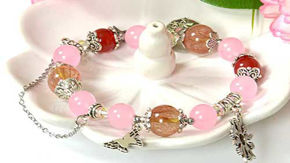
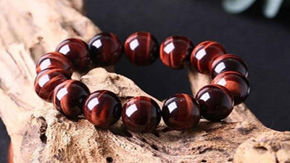

If your bracelet broke, start with the practical explanation first. Most bracelets break because of stretched elastic, worn stringing, tension, moisture, impact, rough bead holes, or repeated daily wear. If the bracelet also feels meaningful to you, you can reflect on the symbolic side afterward — but breakage should not be treated as a warning, bad omen, or guaranteed spiritual message.
Who this guide is for: This guide is for bracelet owners who are dealing with a broken crystal, beaded, or healing bracelet and want a calm answer: what probably caused it, what to do next, whether to repair it, and how to think about possible symbolic meaning without fear.
How this guide was prepared: This article starts with physical causes and practical fixes first, then discusses optional symbolic interpretations in a grounded way. It does not present bracelet breakage as a prediction, curse, warning, or guaranteed spiritual sign.
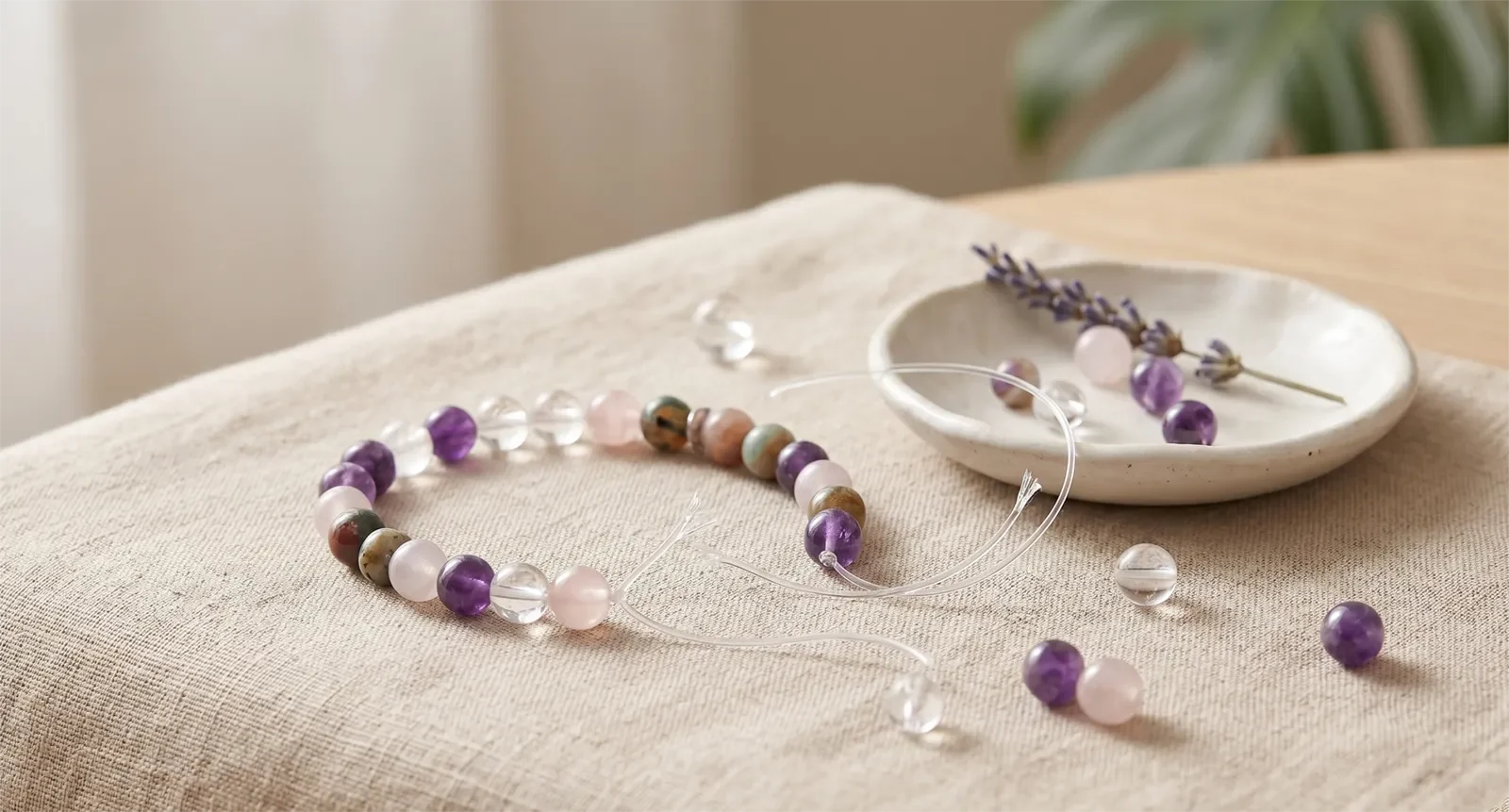
A broken bracelet can feel surprisingly emotional. Maybe you wore it every day. Maybe it was a gift. Maybe you connected it with protection, grounding, love, focus, or a new chapter in your life. When a piece like that snaps, it is natural to wonder whether it means something.
The safest way to answer is practical first, symbolic second. Bracelets are wearable objects. Elastic stretches. Cord weakens. Beads rub. Water, sweat, lotion, storage, travel, and tension all add up. Once you understand the physical cause, you can decide whether the moment also carries personal meaning for you.
If you need the broader jewelry care framework, read How to Cleanse & Care for Healing Jewelry. If the bracelet may have weakened from water, see Can You Shower with Crystal Jewelry?. For storage habits that help prevent future breakage, read How to Store Crystal Jewelry at Home and While Traveling.
Table of Contents
- Quick Answer
- Why Bracelets Break at a Glance
- What to Do Right Away
- Common Physical Reasons Bracelets Break
- Should You Repair, Replace, or Retire It?
- Practical Fix Options
- Common Symbolic Meanings People Consider
- How to Interpret It Without Fear
- How to Prevent Bracelet Breakage Next Time
- A Grounded Note on Symbolism
- Frequently Asked Questions
- Related Guides
Quick Answer
A broken bracelet does not automatically mean something bad. In most cases, the likely cause is physical: stretched elastic, old stringing, tension from pulling it on and off, moisture, heat, weak knots, sharp bead holes, impact, or storage damage. First, collect the beads, check what failed, and decide whether the bracelet can be repaired safely.
If symbolic meaning matters to you, treat it as personal reflection, not a fixed rule. Some people see a broken bracelet as the end of a chapter, a reminder to rest, a sign to reset an intention, or simply a natural result of heavy wear. You do not have to force a meaning if the practical explanation already makes sense.
Why Bracelets Break at a Glance
| Possible Cause | What It Looks Like | What to Do |
|---|---|---|
| Stretched elastic | Bracelet felt loose, saggy, or weak before breaking | Restring with stronger elastic or replace if beads are worn |
| Daily wear and tension | Break happened while putting it on, taking it off, or using your hands | Check whether the bracelet was pulled too often or too tightly |
| Water, sweat, or product exposure | Elastic, cord, or metal parts look dull, weak, sticky, or worn | Avoid showering, swimming, perfume, lotion, and heavy moisture exposure |
| Sharp bead hole or rough spacer | String broke near one bead, spacer, or metal part | Remove or replace the rough component before restringing |
| Impact or pressure | Beads scattered after a drop, snag, pull, or bag pressure | Check for chipped beads before repair |
| Poor storage | Bracelet was stored in a crowded bowl, travel pouch, bathroom, or hot car | Store flat, dry, shaded, and separated from harder items |
| Natural aging | Bracelet was worn for months or years before breaking | Repair if meaningful; replace if the whole piece is worn down |
What to Do Right Away
When a bracelet breaks, slow down first. The goal is to keep the beads, charms, and metal parts from getting lost or damaged further.
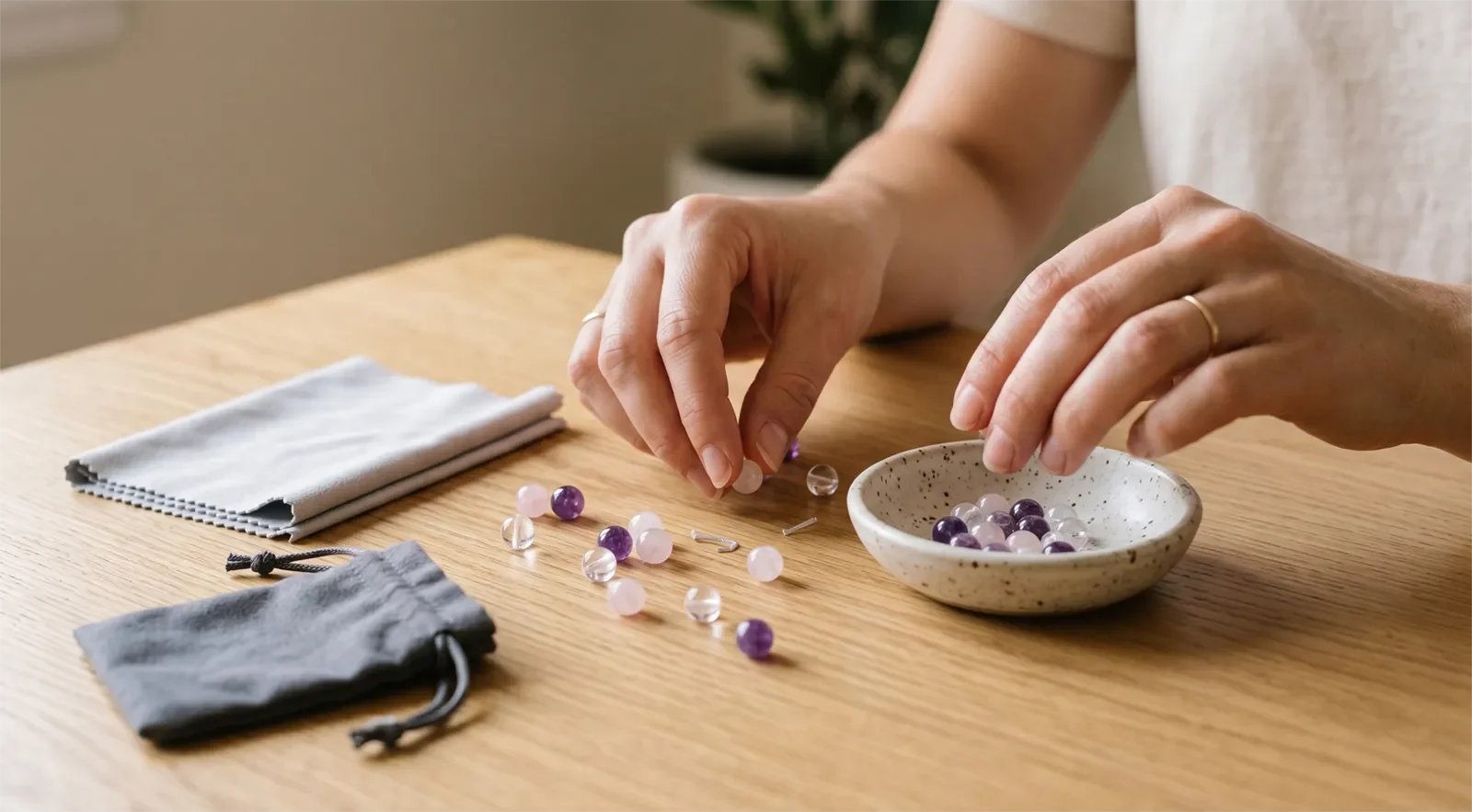
- Collect the beads and broken parts carefully.
- Place everything in a small dish, pouch, tray, or zip bag.
- Check what failed: elastic, cord, clasp, knot, bead, spacer, or charm.
- Look for chipped beads, sharp edges, cracked stones, or rough bead holes.
- Do not restring it immediately if you are not sure what caused the break.
- Keep the pieces dry and separated until you decide what to do.
If the bracelet broke after getting wet, after travel, or after being stored poorly, that may explain the failure. If you are unsure, return to basic care first: How to Cleanse & Care for Healing Jewelry.
Common Physical Reasons Bracelets Break
Elastic wears out over time
Stretch bracelets are convenient, but elastic does not last forever. Every time you pull the bracelet over your hand, the elastic stretches. Daily wear, sweat, lotion, perfume, water, heat, and age can make that elastic weaker over time.
A bracelet may seem fine until the final pull. That does not mean something mysterious happened. It may simply mean the elastic had been weakening for weeks or months.
Pulling the bracelet on and off adds tension
Many bracelets break during removal because the wearer stretches the bracelet too far over the hand. Rolling the bracelet gently over the hand is usually better than pulling it hard.
Water can weaken the non-stone parts
Even if the beads seem durable, water can affect elastic, cord, glue, metal, bead holes, and finishes. Showering or swimming with a bracelet can shorten its life, especially if the bracelet includes elastic, plating, dyed beads, coated stones, or glued pieces.
For a full water-safety guide, read Can You Shower with Crystal Jewelry?.
Bead holes and spacers can cut the string
Sometimes a bracelet breaks because one bead hole is rough or one metal spacer creates friction. If the elastic snapped near the same bead or metal piece, inspect that area before restringing. Otherwise, the bracelet may break again.
Storage habits can create hidden stress
A bracelet stored in a crowded bowl, tight pouch, hot car, damp bathroom, or messy travel bag can weaken faster. Beads rub. Elastic stretches. Metal parts snag. Heat and moisture add stress.
For prevention, use How to Store Crystal Jewelry at Home and While Traveling.
Should You Repair, Replace, or Retire It?
Repair it if the beads are mostly intact
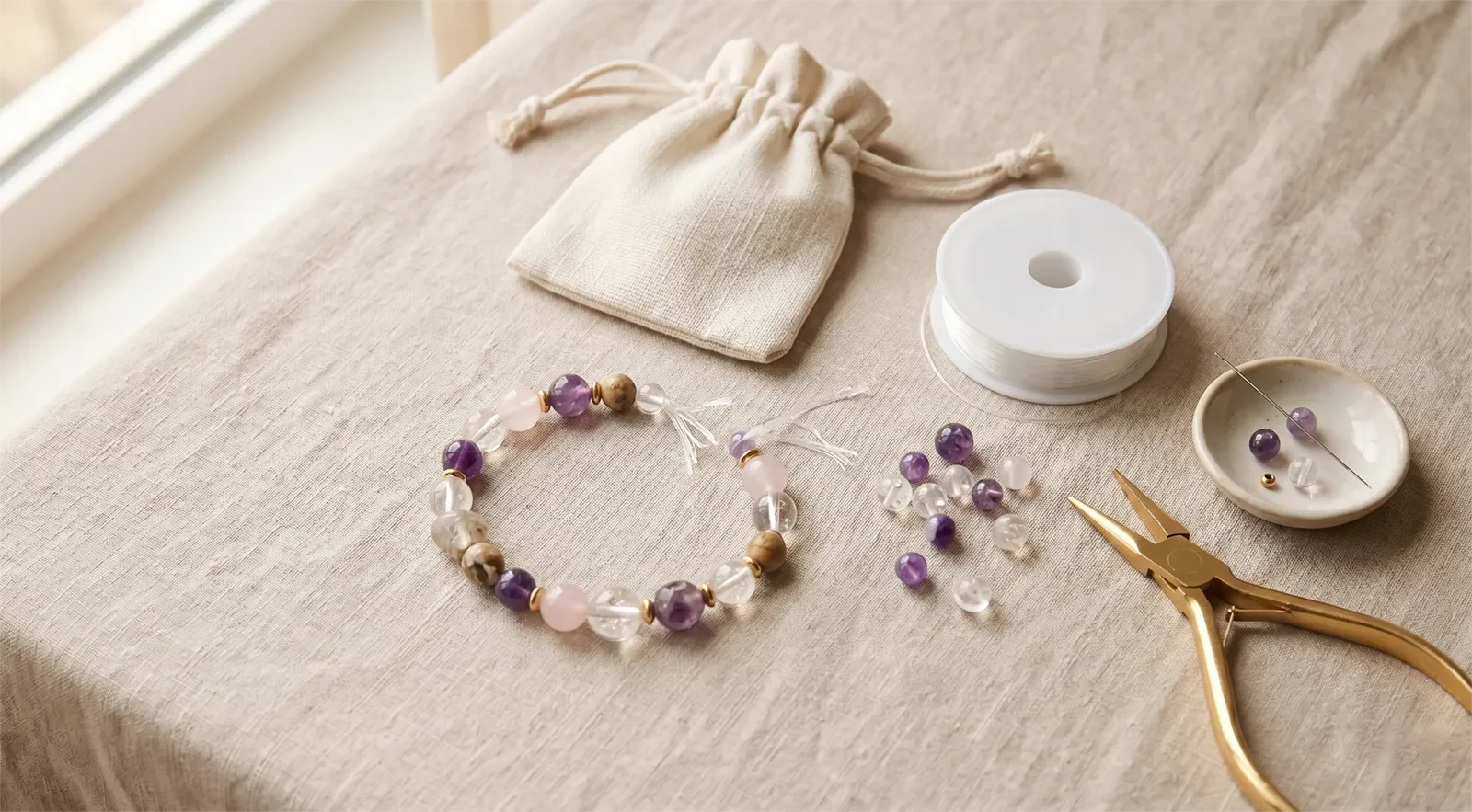
Repair makes sense when most beads are still in good condition and the main problem is elastic, stringing, or a simple clasp failure. This is especially true if the bracelet has sentimental value or the stones still look clean and wearable.
Replace it if the whole piece is worn down
Replacement may be better if multiple beads are cracked, the metal parts are failing, the finish is badly worn, or the bracelet has already stretched and broken more than once.
Retire it if the meaning feels complete
You do not have to repair every broken bracelet. If the bracelet represented a season of your life that now feels complete, you may decide to keep a few beads, place them in a small pouch, or retire the piece respectfully.
Redesign it if you want a middle path
Sometimes the best answer is not repairing it exactly as before. You may restring it with fewer beads, turn a few beads into a charm, combine them with a new design, or save one bead as a keepsake.
Practical Fix Options
Restring with new elastic
This is the most common fix for stretch bracelets. Use quality elastic made for jewelry, check the bead holes, and avoid reusing worn or frayed cord. If a bead hole feels sharp, that bead may need to be removed or repositioned.
Replace weak metal parts
If the bracelet includes spacers, charms, clasps, or findings, check whether any metal part caused friction or failed. Replacing a rough spacer can prevent the same break from happening again.
Remove damaged beads
Do not reuse cracked or sharp beads just because you want the bracelet to look the same. A damaged bead can cut elastic, scratch skin, or weaken the repaired bracelet.
Ask a jeweler or experienced beader
If the bracelet has valuable stones, sentimental meaning, metalwork, knots, charms, or a more complex design, consider asking someone experienced to repair it. A quick DIY fix is not always the best choice for meaningful pieces.
Clean gently before repairing
If the beads have residue from sweat, lotion, perfume, or storage, wipe them gently before restringing. Do not soak unknown stones or mixed-material pieces. Use the safest care method from How to Cleanse & Care for Healing Jewelry.
Common Symbolic Meanings People Consider
Some people like to reflect on symbolic meaning when a healing bracelet breaks. That can be meaningful, as long as it stays personal and grounded.
“The bracelet completed its chapter”
Some people interpret a broken bracelet as the end of a season, intention, or emotional chapter. This can be a gentle way to honor the piece without assuming something bad happened.
“It is time to reset”
A broken bracelet may feel like a reminder to pause, clean up what scattered, and reset your focus. This interpretation can be useful if it helps you slow down rather than panic.
“The piece was worn heavily”
Sometimes the symbolic and practical meanings overlap. A bracelet that was worn every day through a difficult season may break because it was physically worn down — and still feel emotionally significant because of when it happened.
“It did its job”
This phrase is common in spiritual jewelry spaces, especially around protection bracelets. Treat it as optional language, not a rule. It may feel comforting to some people, but it should not be used to create fear, certainty, or pressure.
“It was just wear and tear”
This is also a valid interpretation. Not every broken bracelet needs a deeper meaning. Sometimes the most respectful answer is simply that the bracelet was loved, worn, and reached the end of its construction life.
How to Interpret It Without Fear
If you want to reflect on the symbolic side, ask calm questions instead of fear-based ones.
- Was I wearing this bracelet through a specific season of life?
- Did the bracelet already feel stretched, old, or worn?
- Does repairing it feel right, or does retiring it feel better?
- Is there an intention I want to refresh?
- Would a simple reset help me feel complete?
A broken bracelet does not have to mean bad luck, danger, punishment, or a warning. Symbolic meaning should support you, not scare you.
If you want a gentle reset, use a low-pressure method such as intention, rest, or sound. For a no-water, no-smoke method, read Sound Cleansing 101. If you prefer smoke, read Smoke Cleansing for Jewelry first and keep safety in mind.
How to Prevent Bracelet Breakage Next Time
- Roll stretch bracelets on and off instead of pulling hard.
- Remove bracelets before showering, swimming, exercising heavily, or sleeping if the piece is delicate.
- Avoid perfume, lotion, sunscreen, and cleaning products on the bracelet.
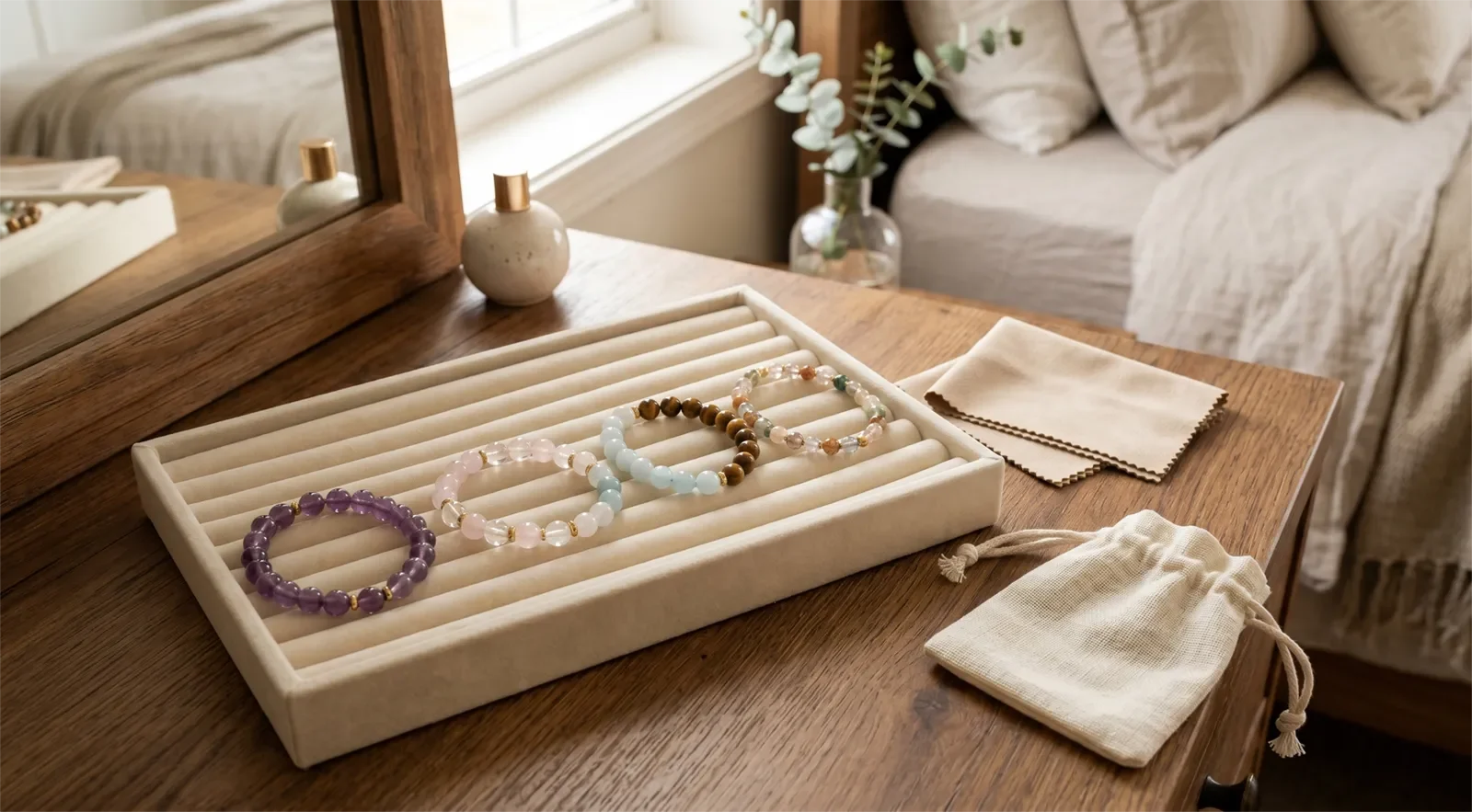
- Store bracelets flat instead of hanging heavy elastic pieces.
- Keep bracelets away from hot cars, damp bathrooms, and sunny windowsills.
- Store pieces separately so beads and metal parts do not rub constantly.
- Check elastic regularly if you wear the bracelet every day.
- Restring meaningful bracelets before they become badly stretched.
If you cleanse your bracelet symbolically, keep the method gentle. Sound, intention, rest, and indirect moonlight are usually safer beginner options than soaking, salt, direct sunlight, or heavy smoke. For timing help, read How Often Should You Cleanse Your Bracelet?.
A Grounded Note on Symbolism
Symbolic interpretations can be meaningful, but they should stay optional. A broken bracelet is not a guaranteed message, prediction, warning, or sign that something bad will happen. It is also not medical advice, spiritual proof, or a fixed rule about your life.
A grounded interpretation sounds like this: “This bracelet broke because it was worn down, and I also choose to treat the moment as a reminder to pause.” That allows both truth and meaning without turning the experience into fear.
If you want a broader reality-check around common overclaims, read Healing Jewelry Myths.
Frequently Asked Questions
Does a broken bracelet mean something bad?
No. A broken bracelet does not automatically mean something bad. The most common explanations are physical: worn elastic, tension, impact, moisture, rough bead holes, storage stress, or age.
What does it mean spiritually when a bracelet breaks?
Some people interpret it as the end of a chapter, a reset, or a sign that the bracelet was heavily used. But that meaning is personal and optional. It should not be treated as a guaranteed spiritual message.
Can I repair a broken bracelet?
Often, yes. If most beads are intact and the main problem is elastic or stringing, the bracelet can usually be restrung. Check for cracked beads, rough bead holes, and worn metal parts before repairing it.
Should I cleanse a bracelet after it breaks?
You can if it feels meaningful, but it is not required. A simple intention reset, sound cleansing, or quiet pause is enough if you want symbolic closure.
Should I keep the beads?
Yes, if you want to. You can restring them, keep a few as a keepsake, redesign the bracelet, or store them in a small pouch. You do not have to throw them away unless they are damaged or unsafe.
Why did my elastic bracelet suddenly break?
Elastic often weakens gradually before it breaks. Daily stretching, moisture, sweat, lotion, perfume, heat, and age can all make the elastic fail suddenly even if the bracelet seemed fine earlier.
Can water make a bracelet break faster?
Yes. Repeated water exposure can weaken elastic, cord, glue, metal parts, and some finishes. Showering or swimming with crystal jewelry can shorten its life.
Is it bad luck to wear a repaired bracelet?
No. Wearing a repaired bracelet is a personal choice. If the repair feels clean and the piece still feels meaningful, you can continue wearing it. If it feels complete, you can retire it instead.
How do I stop bracelets from breaking?
Roll them on gently, keep them dry, avoid harsh products, store them flat and separated, check elastic regularly, and remove delicate bracelets before showering, swimming, heavy exercise, or rough activity.
Related Guides
- How to Cleanse & Care for Healing Jewelry
- How Often Should You Cleanse Your Bracelet?
- How to Store Crystal Jewelry at Home and While Traveling
- Can You Shower with Crystal Jewelry?
- Sound Cleansing 101
- Healing Jewelry Myths
Next step: If your bracelet broke, collect the beads first, check the physical cause, and decide whether repair, redesign, or retirement feels right. For long-term care, return to How to Cleanse & Care for Healing Jewelry.