







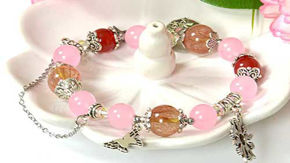
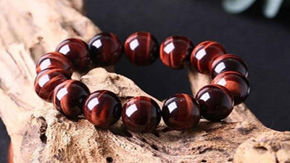

Healing jewelry can be meaningful, symbolic, and personally grounding, but it should not be marketed like medical treatment or guaranteed results. The safest way to understand it is simple: healing jewelry may support intention, reflection, ritual, or personal meaning, but it should not replace professional care or be described with exaggerated claims.
Who this guide is for
This guide is for readers who feel skeptical, confused by exaggerated claims, or unsure what to believe about healing jewelry. It is also for anyone who wants a calmer, more responsible explanation before buying, wearing, gifting, or writing about healing jewelry.
How this guide was prepared
Claim-Safe Review Note
This guide was written to separate common beliefs, symbolic meanings, and practical jewelry guidance from exaggerated claims. Tittac presents healing jewelry as meaningful personal adornment, not as medical treatment, guaranteed protection, or proof of luck, wealth, spiritual power, or specific life outcomes.
Quick Answer
Healing jewelry can be used as symbolic, spiritual, ritual, or mindfulness-oriented jewelry. Many people wear it as a reminder of intention, calm, grounding, protection, or personal meaning. What it should not do is promise to cure illness, replace therapy, diagnose emotional problems, remove bad luck, guarantee love, attract money, or create certain life outcomes. A responsible view respects personal meaning while staying honest about limits.
Important note: This article discusses healing jewelry in a symbolic, spiritual, cultural, and mindfulness-oriented context. Jewelry, stones, crystals, chakras, cleansing, and intention setting should not be treated as medical care, therapy, diagnosis, or a guaranteed way to change health, money, love, luck, or life outcomes.
Table of Contents
- Why myths spread so fast in healing jewelry
- Myth 1: Healing jewelry can replace treatment
- Myth 2: More stones always mean better results
- Myth 3: There is one correct way to wear it
- Myth 4: Expensive means more powerful
- Myth 5: Old use proves modern results
- What responsible language looks like
- How to use healing jewelry responsibly
- Frequently Asked Questions
- Related Guides
Why myths spread so fast in healing jewelry
Myths spread easily in healing jewelry because the category sits at the intersection of symbolism, culture, spirituality, personal experience, and marketing. A bracelet may feel genuinely meaningful to one person. A stone may remind someone to stay calm, grounded, patient, or focused. Those experiences can be real to the wearer without becoming universal proof or guaranteed results for everyone.
The problem starts when personal meaning is marketed as certainty. “This stone reminds many people of calm” is very different from “this stone cures anxiety.” “This bracelet is traditionally associated with protection” is very different from “this bracelet guarantees protection.” Responsible healing jewelry language keeps that difference clear.
Different traditions and communities may also use words like chakra, grounding, cleansing, charging, and protection in different ways. There is not always one universal rulebook. If chakra language is part of the confusion, read What Are Chakras? 7 Centers Explained.
The goal of this page is not to dismiss belief or tradition. It is to keep the conversation honest, respectful, and safer for buyers.
Myth 1: Healing jewelry can replace treatment
Myth: A bracelet, pendant, crystal, or stone can replace therapy, medication, diagnosis, or medical care.
What is more accurate: Healing jewelry should not be framed as treatment. Some people use it as symbolic support, a mindfulness cue, a spiritual object, or a personal reminder, but that is not the same thing as professional care.
The safer explanation is that healing jewelry may help a wearer remember an intention, pause during stress, or stay connected to a personal meaning. It should not be described as diagnosing, treating, curing, preventing, or reversing illness.
If you want the deeper explanation of how people understand healing jewelry without turning it into medical language, read How Does Healing Jewelry Work?.
Myth 2: More stones always mean better results
Myth: The more stones a piece includes, the stronger or better it becomes.
What is more accurate: More stones do not automatically make a piece more meaningful, more effective, or more valuable. In many cases, too many stones can make the piece harder to understand, harder to style, or less focused in meaning.
For beginners, one clear intention is usually more useful than a bracelet trying to symbolize everything at once. A simple piece built around calm, grounding, clarity, or protection may feel easier to wear and understand than a complicated piece with too many mixed messages.
Multi-stone designs are not wrong. They can be beautiful and meaningful when chosen with care. The point is that quantity is not proof of quality, power, or personal fit. If you are choosing your first piece, start with How to Choose Healing Jewelry.
Myth 3: There is one correct way to wear it
Myth: Everyone must wear healing jewelry on one specific wrist, follow one color rule, or use one exact method for it to matter.
What is more accurate: Different traditions, spiritual systems, and communities interpret wearing rules differently. Some people care about left-versus-right symbolism. Others focus on comfort, daily consistency, personal meaning, or the design itself.
There is rarely one universal rule that applies to every wearer in every tradition. A more useful question is whether the piece makes sense to the person wearing it. If a bracelet is uncomfortable, distracting, or constantly removed, it may not serve the wearer well even if it follows a rule found online.
For most beginners, comfort and personal clarity matter more than trying to memorize every symbolic rule before wearing a piece.
Myth 4: Expensive means more powerful
Myth: A more expensive stone or rarer material automatically has stronger energy, deeper meaning, or better results.
What is more accurate: Price does not prove spiritual value or personal usefulness. Cost can reflect rarity, craftsmanship, design, treatment status, origin, metal quality, brand positioning, or market demand. Those factors may matter for jewelry value, but they do not guarantee a stronger personal connection.
This is where disclosure matters. Some jewelry uses natural stones. Some uses treated stones. Some uses synthetic or imitation materials. These categories are not automatically good or bad, but they should be described clearly so buyers understand value, care needs, and expectations.
For a deeper buying and disclosure guide, read Gemstone Treatments 101.
Myth 5: Old use proves modern results
Myth: If a stone, bead, symbol, or ritual was used in the past, that alone proves it works in a guaranteed modern sense.
What is more accurate: Historical use can show cultural meaning, continuity, devotion, identity, ritual value, or symbolic importance. It does not automatically prove modern medical, emotional, financial, or life-outcome claims.
People have worn amulets, beads, stones, and symbolic jewelry for many reasons across cultures and eras. That history can be meaningful and worth respecting. But historical meaning should not be stretched into claims that a piece cures illness, guarantees luck, or produces the same result for every person.
This boundary is important: tradition can help explain why a piece matters, but it should not be used as a shortcut for unsupported promises.
What responsible language looks like
Responsible healing jewelry language is not cold, cynical, or dismissive. It simply explains meaning without turning symbolism into guaranteed outcomes.
| Safer wording | Why it works | Riskier wording to avoid |
|---|---|---|
| “Traditionally associated with calm” | Respects symbolism without making a medical claim | “Cures anxiety” |
| “Often chosen as a reminder of protection” | Frames the piece as symbolic and personal | “Guarantees protection” |
| “Many people use it during intention setting” | Describes common use without promising results | “Manifests whatever you want” |
| “Can serve as a mindfulness cue” | Explains a practical role without overclaiming | “Works better than therapy” |
| “Symbolizes love, clarity, or grounding” | Keeps the meaning clear and respectful | “Attracts love instantly” |
For product pages, blog articles, and educational content, the best standard is clear: describe what a piece represents, how people commonly use it, and why someone may connect with it. Do not promise outcomes that cannot be responsibly supported.
How to use healing jewelry responsibly
A responsible approach makes room for meaning without exaggeration. Healing jewelry can still feel personal, beautiful, and emotionally significant when it is described honestly.
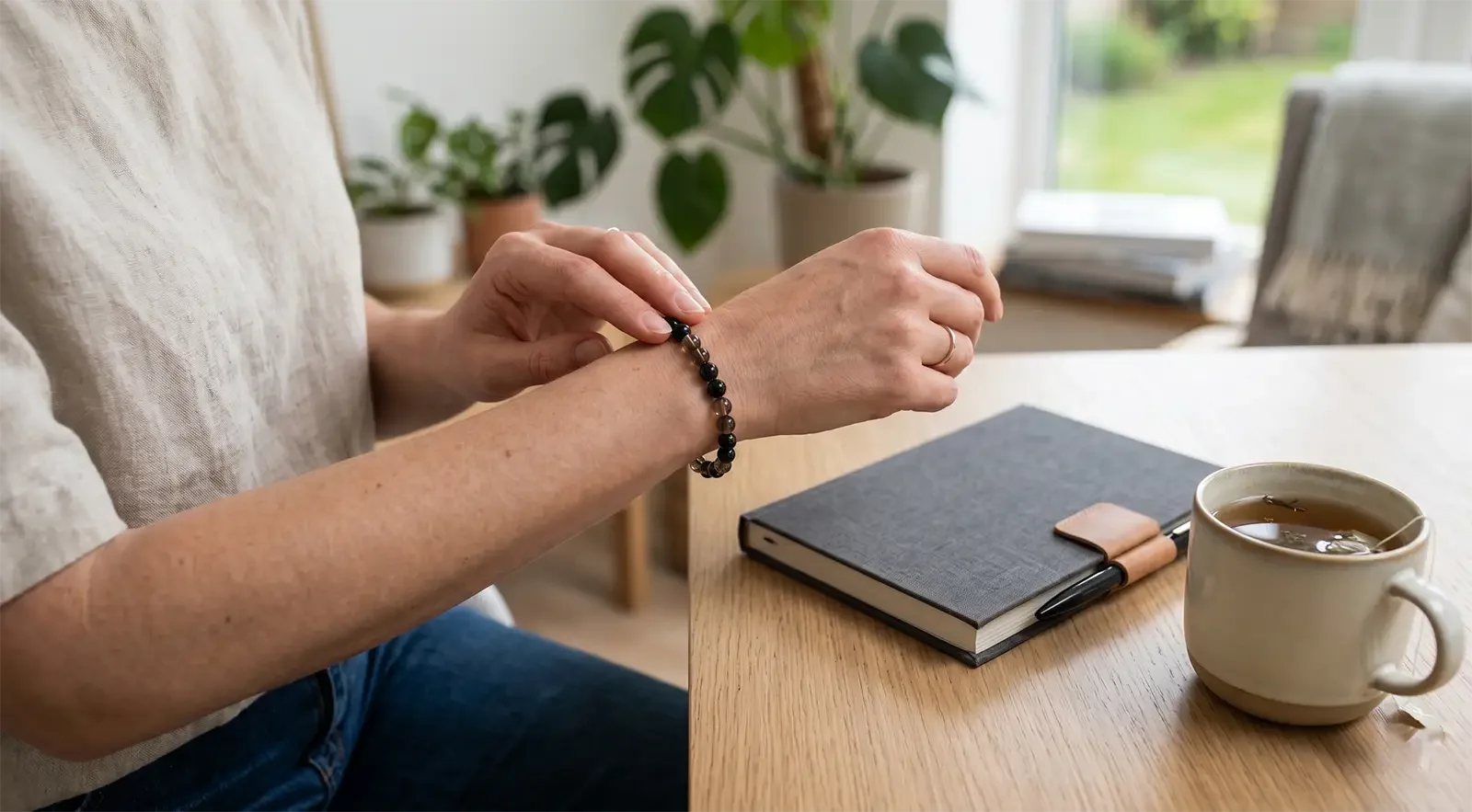
- Use it for symbolism, not certainty. Let the piece stand for something important without expecting it to do the work for you.
- Keep expectations realistic. A bracelet may remind you to pause, breathe, or return to an intention. That is different from treatment or cure.
- Choose for meaning and wearability. A simple piece you actually wear often serves better than a dramatic piece loaded with claims.
- Separate care from claims. Physical cleaning keeps jewelry in better condition. Symbolic cleansing is a personal practice, not a guarantee of health, protection, or luck.
- Stay careful with vulnerable situations. If someone is dealing with serious stress, grief, illness, pain, or emotional difficulty, healing jewelry should not be presented as a replacement for professional support.
- Read product language closely. Trust sellers and guides that use clear, measured wording instead of fear, pressure, or exaggerated promises.
The most trustworthy position is neither dismissive nor inflated. It is calm, clear, and specific about what healing jewelry can and cannot responsibly claim.
Choosing with Tittac
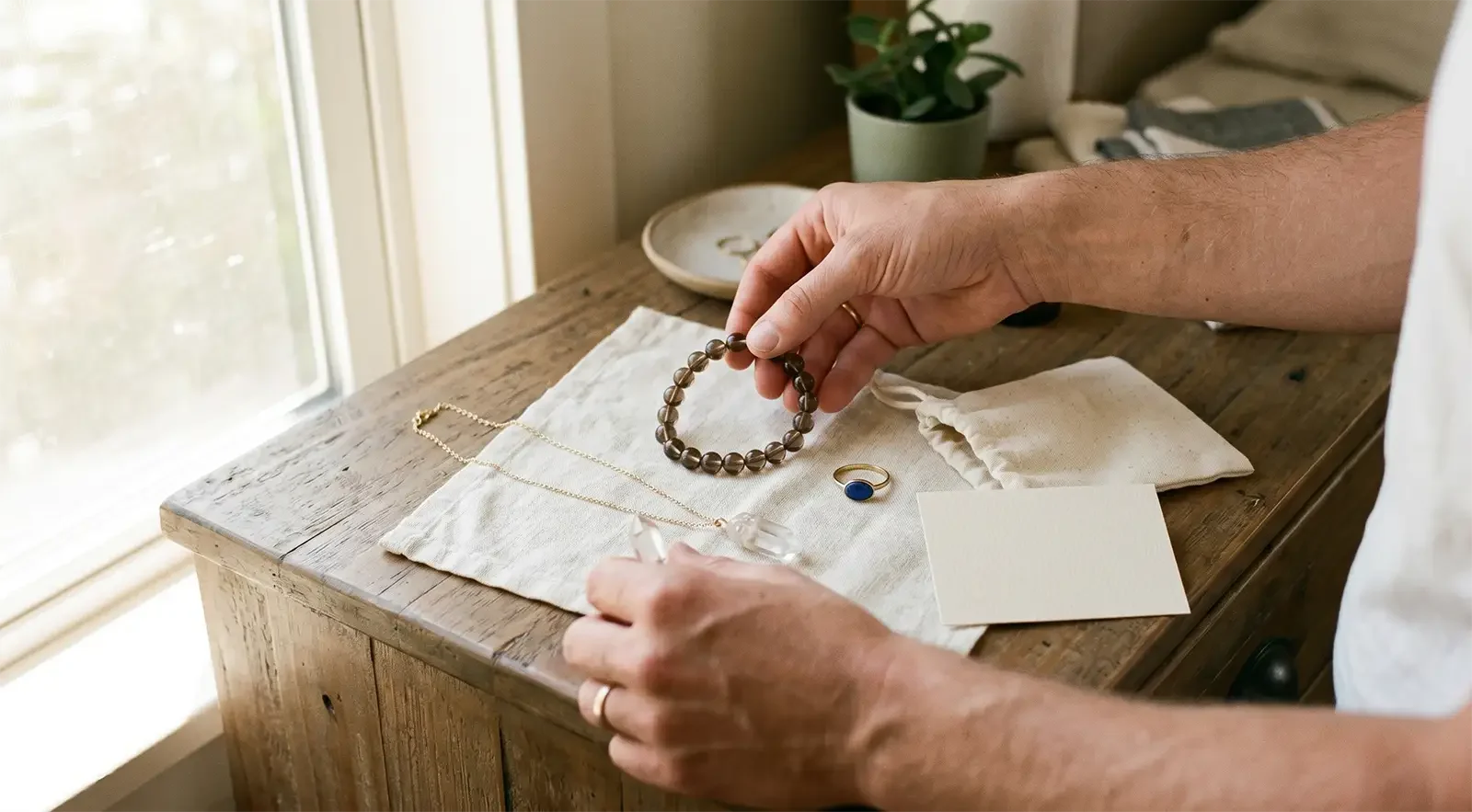
At Tittac, healing jewelry is presented as meaningful jewelry, not as a medical or guaranteed-results product. If you are choosing a piece for yourself or as a gift, focus on intention, comfort, material clarity, and whether the design feels appropriate for daily wear. A good piece should feel personal and understandable without relying on pressure or exaggerated promises.
Frequently Asked Questions
Can healing jewelry cure anxiety, pain, or illness?
No. Healing jewelry should not be described as curing anxiety, pain, illness, or any medical condition. A more responsible framing is that some people use it as symbolic, spiritual, or mindfulness-oriented support.
Can healing jewelry replace therapy, medication, or medical care?
No. Healing jewelry should not replace therapy, medication, diagnosis, treatment, or professional care. It may be used as a personal reminder or symbolic object, but it is not a substitute for professional support.
Does a more expensive stone work better?
No. A higher price can reflect rarity, craftsmanship, design, brand, treatment status, or material quality, but it does not automatically prove stronger meaning or better results.
Is there one correct wrist for healing jewelry?
Not universally. Some traditions and communities use specific left-hand or right-hand meanings, but there is no single rule that applies to every wearer. Comfort, consistency, and personal meaning often matter more for beginners.
Is cleansing always required?
No. Some people value symbolic cleansing as part of their personal or spiritual practice, while others focus only on physical jewelry care. Physical cleaning and symbolic cleansing are different and should not be confused.
Can healing jewelry be used alongside therapy or medicine?
It can be used as a personal or symbolic companion, but it should not replace therapy, medicine, or medical advice. Any use alongside professional care should be framed carefully and honestly.
What language is safest for product pages and articles?
Use wording such as “traditionally associated with,” “many people use it as,” “symbolizes,” “often chosen for,” and “can serve as a reminder.” Avoid words like “cures,” “guarantees,” “removes trauma,” “treats illness,” or “works better than therapy.”
How can I enjoy healing jewelry without overbelieving the claims?
Use the jewelry as a meaningful reminder, style piece, ritual object, or mindfulness cue. Keep the personal meaning, but avoid treating it as proof, treatment, or a guaranteed solution.