











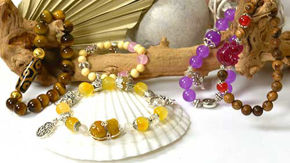
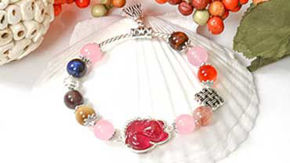


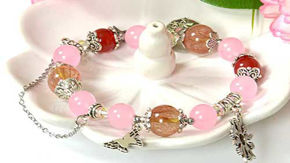
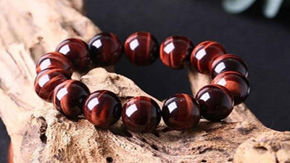

Gemstone treatments are processes used to improve or change a stone’s color, clarity, surface appearance, or durability before it becomes jewelry. A treated stone is not automatically fake, but treatment should be disclosed clearly when it affects value, care, permanence, or buyer expectations.
Who this guide is for
This guide is for shoppers who want to understand what gemstone treatments mean, how treated stones differ from synthetic or imitation materials, and why disclosure matters when buying crystal jewelry, gemstone bracelets, pendants, rings, malas, or meaningful everyday jewelry.
How this guide was prepared
This guide was prepared as Tittac’s dedicated treatment and disclosure page. It focuses on practical buyer literacy: what common treatments are, how they can affect care, what sellers should disclose, and which questions to ask before purchasing. It is educational only and does not replace a laboratory report, professional gemological identification, or written seller disclosure for a specific stone.
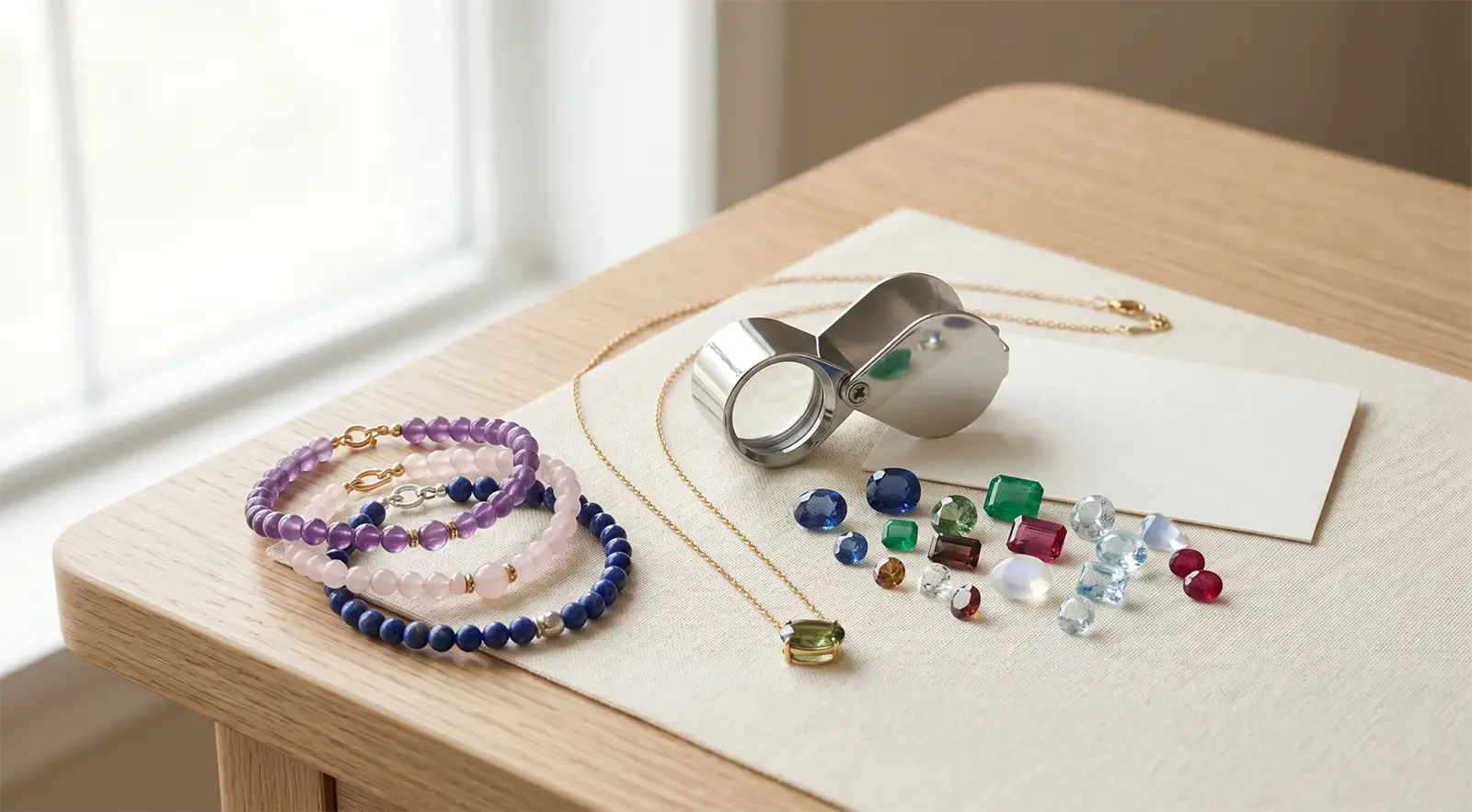
Table of Contents
Quick answer
A gemstone treatment is a human-applied process used to change or improve a stone’s appearance, color, clarity, surface, or sometimes durability. Common examples include heat treatment, dyeing, surface coating, filling, impregnation, oiling, waxing, bleaching, and irradiation.
A treated gemstone is not automatically fake. Many treated stones are still natural stones. The key issue is disclosure. If a treatment changes how a stone should be cared for, how permanent its appearance is, or how buyers should understand its value, that information should be stated clearly.
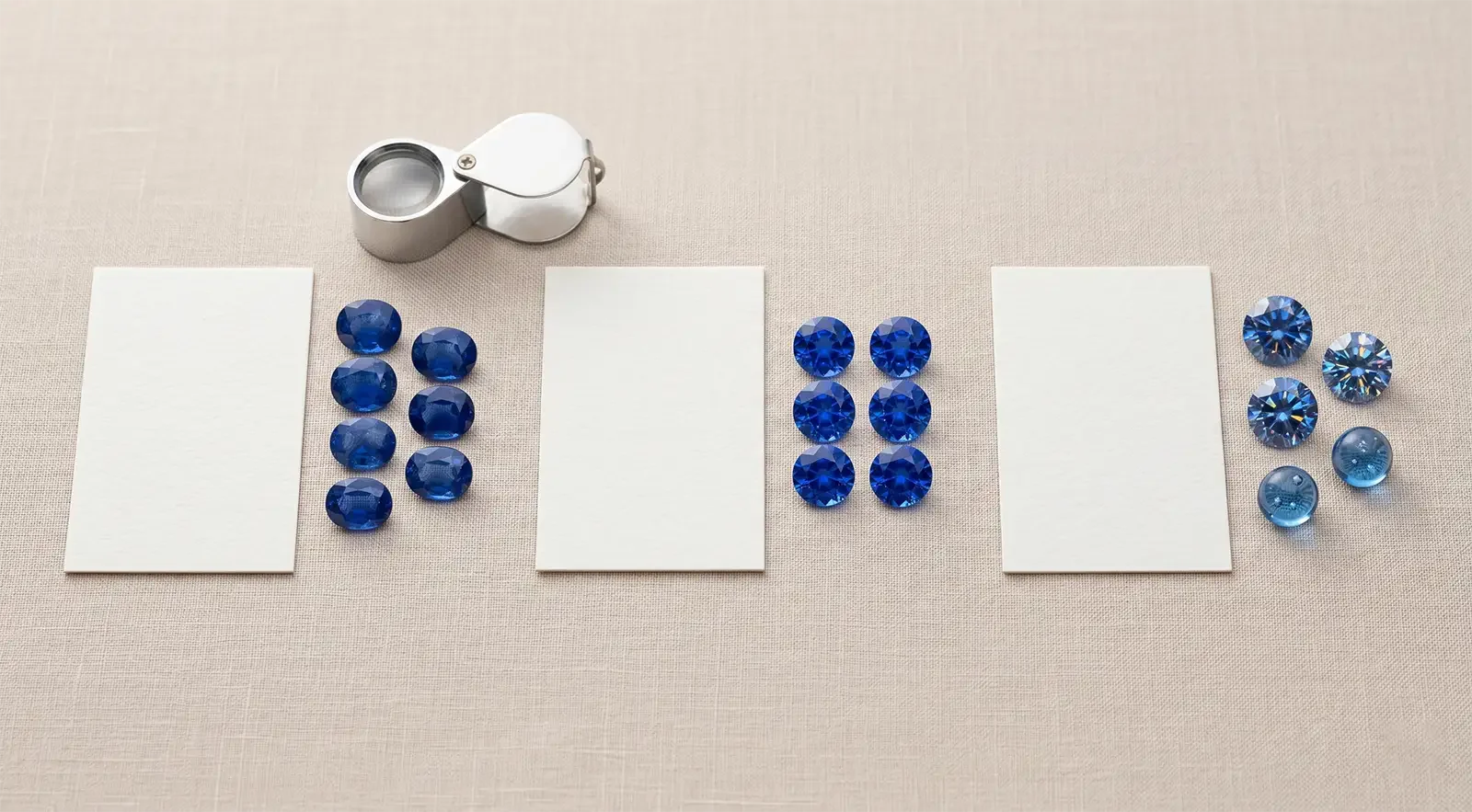
The beginner rule is simple: treated, synthetic, and imitation are not the same thing. Treated means the stone has been enhanced or altered. Synthetic means lab-created. Imitation means a material is made to look like another stone without being the same material.
What is a gemstone treatment?
A gemstone treatment is any process applied to a stone to change or improve its appearance after the material is mined, formed, cut, or prepared for jewelry. In everyday shopping terms, treatment often affects color, clarity, brightness, surface finish, or how attractive the stone looks in a finished piece.
Treatment is not automatically negative. Some treatments are common in the jewelry trade. The problem begins when a treatment is hidden, described vaguely, or presented in a way that makes the buyer assume the stone’s appearance is fully natural and untreated.
For healing jewelry and crystal jewelry shoppers, this distinction matters because many people choose stones for both appearance and symbolic meaning. A stone can still feel meaningful to the wearer, but the buyer should also understand what the material is, whether it was treated, and how that may affect care.
Treated vs. synthetic vs. imitation stones
Many shoppers confuse treated stones, synthetic stones, and imitation stones. They are different categories, and each one has different buying implications.
| Term | Simple meaning | Is it automatically fake? | What shoppers should ask |
|---|---|---|---|
| Treated gemstone | A stone that has been enhanced or altered after formation or mining | No | What treatment was used, and does it affect care, durability, or value? |
| Synthetic gemstone | A lab-created gemstone with similar composition and structure to its natural counterpart | Not fake, but not mined natural material | Is it clearly disclosed as synthetic or lab-created? |
| Imitation or simulant | A material made to look like another gemstone | It is not the gemstone it imitates | Is it being sold clearly as an imitation, or presented as the real stone? |
For example, a natural stone that has been heat treated may still be a natural stone. A lab-grown stone may share properties with its natural counterpart but should not be described as mined natural material. An imitation material may look like a gemstone but does not share the same identity. For a deeper comparison, read Natural vs. Synthetic Stones.
Common gemstone treatments
Heat treatment
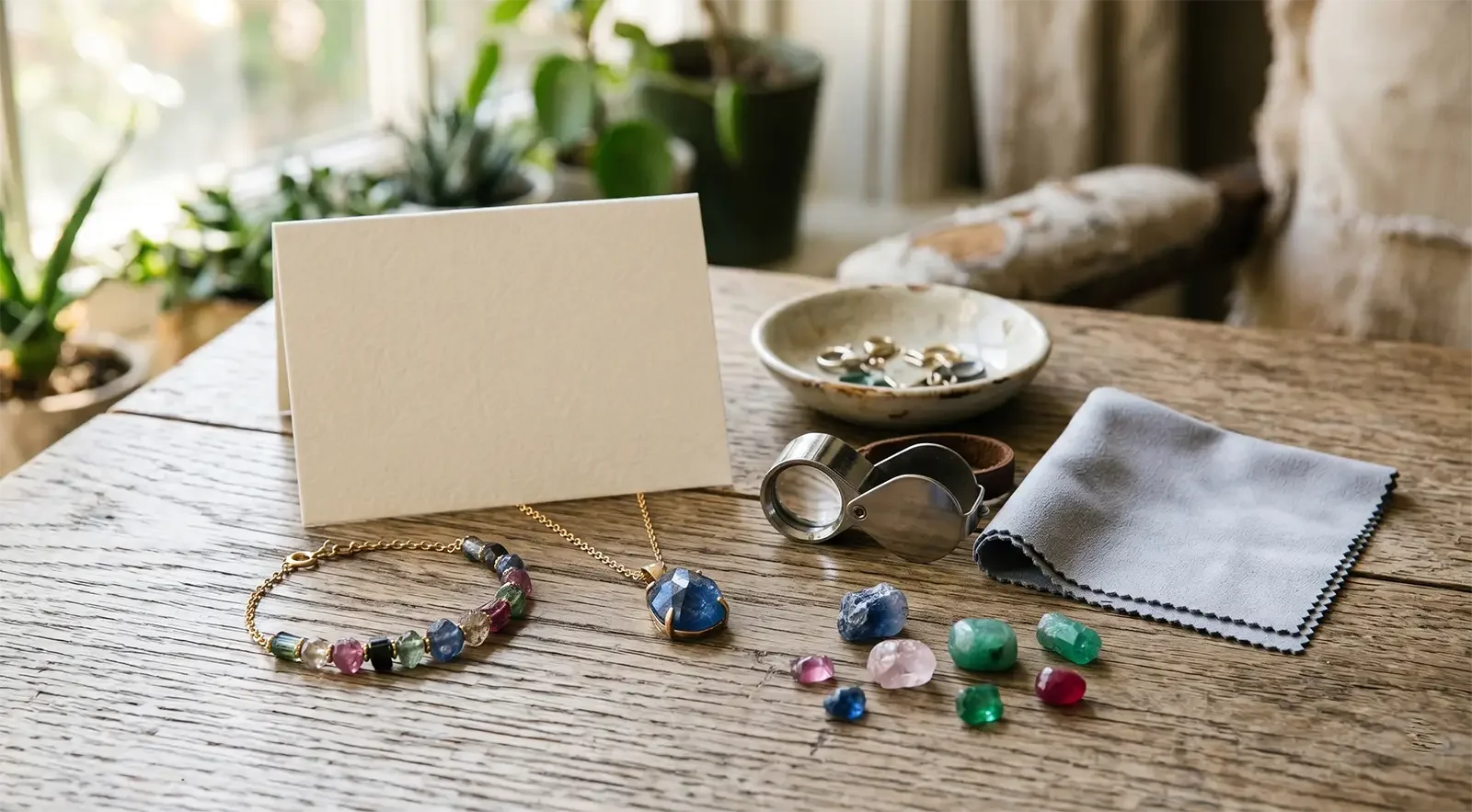
Heat treatment uses controlled heat to change or improve color, clarity, or overall appearance in certain gem materials. In many parts of the jewelry market, heat treatment can be common. What matters for shoppers is whether the treatment is disclosed honestly and whether it changes care or value expectations.
Dyeing
Dyeing adds color or improves color uniformity. It can make lighter, uneven, or lower-cost material appear richer and more consistent. Dyed stones can still be attractive, but buyers should know when color has been added because dye may be more sensitive to water, chemicals, sunlight, sweat, or rough handling.
Surface coating
Surface coating adds a layer to part or all of a stone’s surface to change color, shine, or visual effect. Coated stones should be handled more carefully because the surface may not behave like untreated stone. Coatings can be affected by friction, chemicals, cleaners, perfume, or daily wear.
Filling, impregnation, oiling, waxing, or resin treatment
These treatments may be used to reduce the visibility of fractures, improve apparent clarity, stabilize porous material, or make a stone look smoother and more attractive. They can affect care because heat, chemicals, pressure, cleaning methods, or repair work may interact with the treated areas.
Bleaching, irradiation, and other enhancements
Some stones are bleached to lighten or even out color. Others may be irradiated to create or alter color. There are also specialized treatments used in the trade. Shoppers do not need to memorize every technical term, but “enhanced” should not be the end of the explanation. A seller should be able to explain what type of enhancement was used.
| Treatment type | Common purpose | Buyer question |
|---|---|---|
| Heat treatment | Improve color or clarity | Is the treatment stable, common, and disclosed? |
| Dyeing | Add or deepen color | Can the color be affected by water, chemicals, sun, or wear? |
| Surface coating | Create color, shine, or special effects | Can the coating scratch, fade, rub off, or require gentle care? |
| Filling, oiling, waxing, resin, or impregnation | Improve clarity, surface, or apparent stability | Does it require special cleaning or repair precautions? |
| Bleaching or irradiation | Alter or adjust color | Is the treatment permanent, stable, and clearly disclosed? |
Why disclosure matters
Disclosure matters because it helps buyers understand what they are actually purchasing. A treated gemstone is not automatically bad, but it becomes a trust problem when a seller hides the treatment, uses vague language, or lets buyers assume the stone’s appearance is fully natural and untreated.
Clear disclosure helps shoppers judge three things more fairly:
- Appearance: what was changed, enhanced, or improved.
- Care: whether the treatment creates special cleaning, storage, or wear limits.
- Value: whether the treatment changes how the stone should be priced or compared with untreated material.
Good disclosure is not anti-treatment. It simply gives the buyer enough information to make a clear decision. A trustworthy jewelry listing should not require the shopper to guess what the stone is, how it was treated, or whether it needs special care.
How treatments can affect care
Treatment can matter a lot for jewelry care. Some treated stones remain stable during normal wear, while others need more caution because heat, moisture, chemicals, sunlight, abrasion, or cleaning methods may affect the treated appearance.
Dyes and coatings often need gentler care
If a stone has been dyed or coated, avoid soaking, harsh cleaners, heavy friction, direct perfume, and careless storage with harder jewelry. These habits may affect color, finish, or surface appearance over time.
Water is not always safe
Even if the stone itself appears durable, the finished jewelry may include elastic cord, plating, glue, metal findings, charms, or stringing material. Water, chlorine, sea salt, soap, and sweat can damage those parts before the stone itself shows obvious change. Read Can You Shower with Crystal Jewelry? for routine water-safety guidance.
Storage matters
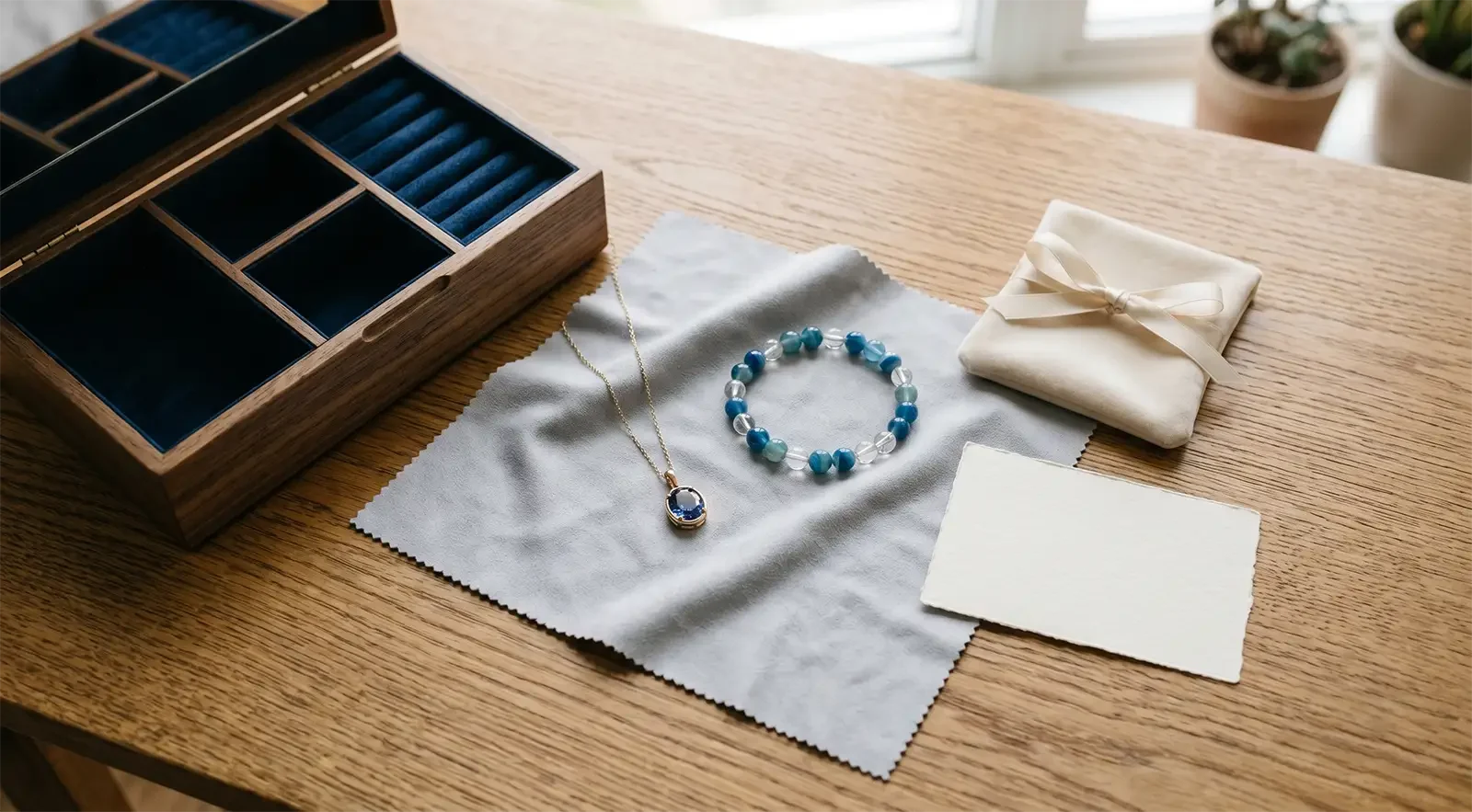
Coated, dyed, soft, porous, or surface-treated stones should be stored separately in a soft pouch or lined jewelry box. Avoid tossing bracelets, rings, pendants, and metal charms together in one hard container. For practical storage steps, read How to Store Crystal Jewelry.
Sunlight and heat require caution
Some colors, coatings, or treated surfaces may be affected by strong sunlight or heat. If you use moonlight or sunlight as a symbolic cleansing or charging ritual, keep it short, dry, and cautious. For a safer comparison, see Moonlight vs. Sunlight Charging.
For broader care guidance, start with How to Cleanse & Care for Healing Jewelry.
Questions to ask before you buy
You do not need to sound like a gemologist to shop more confidently. You just need to ask clearer questions.
- Is this stone natural, synthetic, or imitation?
- Has this stone been treated?
- If yes, what treatment was used?
- Is the treatment stable during normal wear?
- Does the treatment create any special care requirements?
- Should the stone avoid water, salt, chlorine, perfume, chemicals, heat, or sunlight?
- Does the treatment significantly affect value?
- Can the treatment details be provided in writing?
If you are still early in the buying process, How to Choose Healing Jewelry is the better next step for broad shopping logic.
Red flags to watch for
A seller does not need to overwhelm shoppers with technical language, but they should be able to explain material, treatment, and care clearly. If the information is too vague, slow down before buying.
Be cautious if:
- The listing uses beautiful language but gives little material detail.
- Everything is described as “natural” without clarifying treatment.
- The color looks unusually intense, even, or perfect with no treatment information.
- The seller mixes up treated, natural, synthetic, and imitation terms.
- There is no care guidance for dyed, coated, plated, glued, or strung jewelry.
- The price is high but the disclosure is thin.
- The seller avoids putting treatment details in writing.
Slowing down does not mean refusing the purchase. It means buying with the right expectations. A treated stone can still be beautiful and meaningful when you understand what it is, how it was treated, and how to care for it.
Important note
This guide is written to help shoppers understand gemstone treatment and disclosure. It does not identify whether any specific stone has been treated. In many cases, consumers cannot reliably detect treatment by sight alone.
For high-value purchases, uncertain materials, or situations where accuracy matters, rely on written seller disclosure and, when appropriate, professional gemological evaluation or laboratory testing.
FAQ
Are treated gemstones fake?
No. A treated gemstone is not automatically fake. Treatment means the stone has been altered or enhanced in some way. That is different from a synthetic stone and different from an imitation stone.
Does treatment affect gemstone value?
It can. Treatment may affect how buyers judge rarity, price, and desirability, especially when the appearance might otherwise be assumed to be natural and untreated.
Does treatment affect jewelry care?
Often, yes. Dyes, coatings, fillers, oils, waxes, resins, and other treatments can create special care concerns. Treated stones may need more caution around water, heat, chemicals, sunlight, friction, or repair work.
Should sellers disclose gemstone treatments?
Yes. Clear disclosure is a basic trust issue in gemstone and jewelry buying. Buyers should know when treatment is present, especially if it affects permanence, care, durability, or value.
Can I detect gemstone treatment myself?
Sometimes there may be visual clues, but many treatments are difficult for an untrained buyer to identify. Some require magnification, expert examination, or laboratory testing. That is why written disclosure matters.
Does treatment change the symbolic meaning of a stone?
There is no single rule. For many wearers, meaning comes from color, personal intention, symbolism, and emotional connection. Still, treatment is important material information and should not be hidden from the buyer.
Buy gemstone jewelry with clearer expectations
A beautiful gemstone is easier to enjoy when you understand what it is, whether it has been treated, and how it should be cared for. When choosing healing jewelry at Tittac, look for pieces that feel meaningful, fit your style, and come with enough material clarity to wear them with confidence.