
Bass is masking the voice when the system sounds full and powerful, but lyrics become harder to follow. In home karaoke, good bass should support the music without covering the singer. If the room feels big but the vocal loses shape, separation, or clarity, the low end may be getting in the way.
Written by Toan Ho — Tittac editorial team.
Who this guide is for: Home karaoke users who want to understand why a system can sound strong and full but still make vocals harder to hear clearly.
How this guide was prepared: This guide was prepared by focusing on real home karaoke listening behavior: vocal intelligibility, low-end buildup, lyric clarity, room fullness, and the difference between satisfying bass and bass that interferes with singing.
Sometimes a karaoke system sounds big, rich, and powerful, yet the vocals still feel harder to follow than they should. The bass may feel impressive. The music may seem full. The room may have plenty of energy. But the words do not cut through with the same ease.
That is often a sign that bass is not helping the voice. It is masking it. This matters because karaoke depends on vocal clarity, not just musical weight. A system can sound exciting for a few seconds and still be less useful once someone starts singing. For broader technical context on how sound behavior shows up in real systems, see our in-depth technical analysis of karaoke systems.
Quick Answer
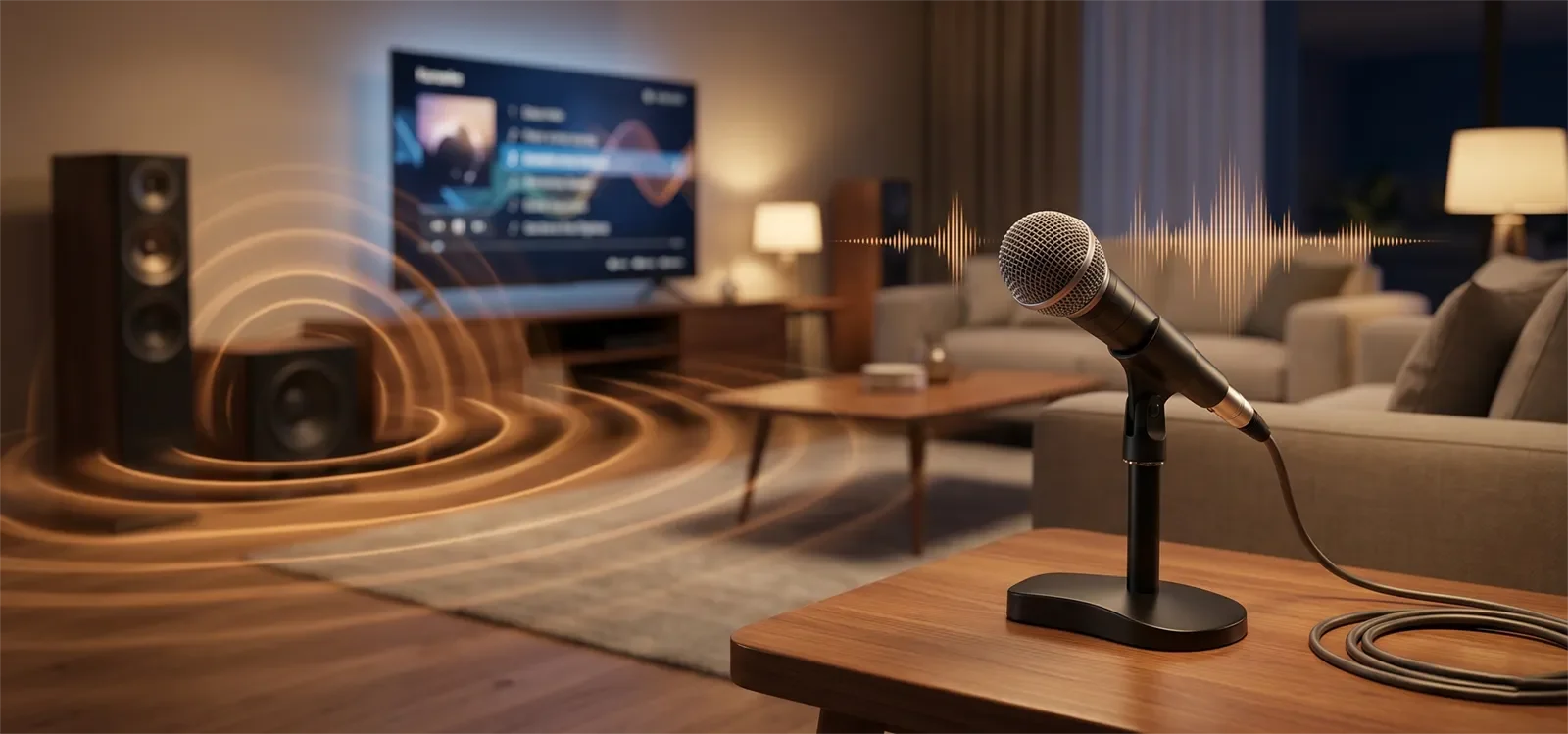
Bass is masking the voice when low-end energy makes lyrics, vocal edges, and word shapes harder to follow. The vocal does not have to disappear completely. It may still be audible, but it becomes less clear, less separated, and harder to lock onto. In home karaoke, the warning sign is simple: the system sounds bigger, but the singer becomes harder to understand. Good bass supports the music. Masking bass makes the voice fight through the mix.
Table of Contents
What bass masking actually means
Bass masking means the low end is taking up enough space in the sound that the vocal becomes harder to understand. The bass does not have to drown out the singer completely. It only has to soften the vocal’s outline, reduce word clarity, or make the ear work harder to follow the lyrics.
This is why bass masking is a listening problem, not just a bass-level problem. A karaoke system can have strong low end and still sound clear. The issue begins when that low-end weight starts covering the details that help people recognize words and follow the singer.
In karaoke, this matters more than it does in casual music listening. A full-sounding track may feel enjoyable by itself, but once someone sings, the system has a different job. It must keep the vocal readable. If the bass makes the room feel bigger while making the voice less clear, the system is trading karaoke usefulness for low-end impact.
How bass changes system behavior
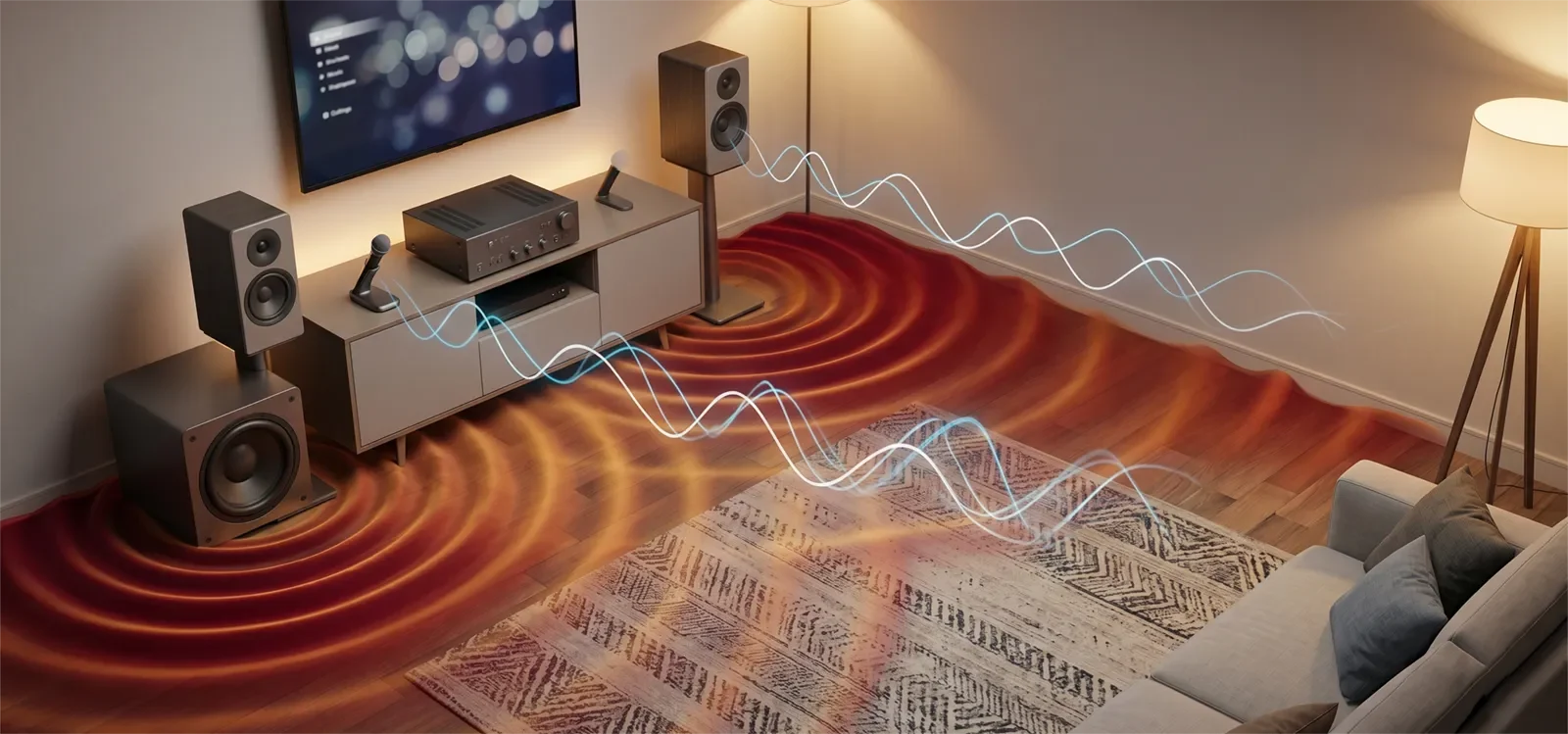
When bass supports the system properly, the music feels full without pulling attention away from the singer. The vocal still has a clear position. Lyrics remain easy to follow. The backing track feels rich, but it does not cover the voice.
When bass starts masking the vocal, the system becomes less articulate. The room may feel heavier and more powerful, but the singer’s voice loses some edge, shape, and separation. The vocal may not sound obviously quiet. It may simply feel less defined inside the mix.
This is closely related to the broader issue covered in why more bass can make karaoke harder to sing. But this article is narrower. The point here is not whether bass is good or bad. The point is how to recognize when bass begins interfering with vocal understanding.
What users actually hear at home
At home, bass masking often sounds like this: the system feels full, but the words do not cut through. The vocal is present, but it does not feel easy to follow. The singer may seem buried even when the microphone volume is not especially low.
Another common sign is that familiar songs become slightly harder to track. You know the lyric, but the vocal does not arrive with the clear outline you expect. Consonants feel softer. Vocal edges feel rounder. The low end fills the room, but the voice becomes less immediate.
Some users assume this always means they need more vocal volume. Sometimes that helps. But if bass masking is the real issue, turning the microphone louder can simply make the whole mix feel more crowded. The vocal becomes louder, but not necessarily clearer.
Users also sometimes confuse this with a subwoofer decision. If you are deciding whether your karaoke system needs more low-end support in the first place, see do you need a subwoofer for karaoke. This page focuses on a different question: how to hear when existing bass is already covering the voice.

What people often misunderstand
The biggest misunderstanding is thinking fuller sound always means better sound. Fullness can be enjoyable, but karaoke needs vocal clarity first. If the low end makes the system feel bigger while making lyrics harder to follow, that fullness is working against the main purpose of the system.
Another mistake is blaming the microphone too quickly. Microphone tone and placement matter, but the vocal may feel weak because the surrounding sound is too thick. In that case, the microphone is not the only issue. The low end is making the voice harder to interpret.
A third mistake is assuming that bass masking means the vocal disappears. Most of the time, it is more subtle. The vocal is still there, but it loses definition. The listener can hear the singer, but following the words takes more effort than it should.
A practical listening rule for recognizing bass masking
A useful rule is simple: if the system sounds bigger but the voice becomes harder to read, the bass may be masking the vocal. Do not judge only by power, fullness, or impact. Judge whether the singer becomes easier or harder to understand as the low end fills the room.
Listen to the vocal outline. A clear vocal has shape. You can follow the words, hear the edges, and feel where the voice sits in the mix. A masked vocal feels less separated. It may sound surrounded by the track instead of sitting clearly above it.
Use familiar songs when judging this. If you already know how the lyric should sound and the low end makes the vocal harder to track, you are probably hearing masking rather than simply strong bass. That one distinction can prevent a lot of wrong adjustments and unnecessary equipment assumptions.
Conclusion
Bass is masking the voice when low-end weight makes vocals harder to follow, even though the system still sounds full and powerful. The voice may remain audible, but it becomes less clear, less separated, and less easy to lock onto.
The trade-off is straightforward. Bass can make a karaoke system feel bigger, but too much low-end influence can reduce the system’s real usefulness. In home karaoke, strong bass is only helpful when the singer still stays clear.
Frequently Asked Questions
Does bass masking mean the vocal disappears completely?
No. Bass masking is often more subtle. The voice usually remains audible, but it becomes less clear, less separated, and harder to follow. The main clue is reduced intelligibility, not total disappearance.
Why does the system still sound powerful if bass is causing a problem?
Bass can add size, weight, and impact even while reducing vocal clarity. That is why masking can be confusing. The system may sound impressive at first, but the voice becomes less useful for actual singing because important vocal detail is harder to hear.
Should I turn the microphone louder if the voice feels covered?
Not always. If the vocal is truly too low, more microphone level may help. But if bass masking is the issue, raising the vocal can make the mix louder and more crowded without restoring clean lyric clarity.
Is bass masking the same as having too much subwoofer?
Not exactly. Too much subwoofer can contribute to masking, but masking is a listening effect, not just a hardware issue. Any low-end buildup that reduces vocal clarity can create masking, whether it comes from a subwoofer, speakers, room behavior, or the overall mix.
Can bass sound good for music but still hurt karaoke vocals?
Yes. A bass-heavy sound can be enjoyable for music playback, but karaoke needs the singer to remain clear and easy to follow. If the low end makes the backing track feel impressive but pushes the vocal backward, it may not be the best balance for singing.
If the room sounds full but the voice becomes harder to follow, take that reaction seriously. Recognizing bass masking usually leads to better decisions than chasing more bass, more volume, or more power by default.
Learn how professionals tune karaoke systems for better home sound.