






Hosting karaoke at home sounds easy until the room fills up, the song choices slow down, and everyone starts waiting for someone else to go first. The best home karaoke parties do not feel complicated. They feel organized in the background and relaxed once the music starts. If you want to host a karaoke party at home, the real goal is not perfection. It is smooth flow, clear sound, and a setup that makes guests want to join in.
You do not need a full-stage setup or a dedicated karaoke room to make the night work. What matters more is choosing a guest count that fits your space, using equipment people can handle easily, and creating a simple queue so turns move naturally. If you are still sorting out the basics, start with this complete guide to home karaoke systems before planning the rest of the night.
Quick Answer: To host a karaoke party at home, aim for about 8 to 15 guests in a typical living room, use at least two microphones, prepare a visible singing queue, and create a small waiting area beside the singer zone. When the room layout and turn-taking are clear, the party feels more social, less awkward, and much easier to manage.
The Easiest Way to Plan a Home Karaoke Party
The easiest plan is a manageable guest list, a clear party window, and a simple format people understand right away. For most homes, 8 to 15 guests is the sweet spot. That gives you enough energy for a lively room without creating long waits between songs or turning the setup into a crowd-control problem.
Once the guest count feels realistic, choose the tone of the night. It might be casual and family-friendly, more upbeat and social, or built around duets and group singalongs. Keep the event to about two or three hours, then give one person a light host role so there is always someone moving the queue along, helping the next singer get ready, and keeping dead air from building up.
A good home karaoke party is really a flow problem, not a performance problem. Guests remember whether the night felt easy, whether they knew when their turn was coming, and whether the room felt welcoming enough to sing in.
Equipment, Song Source, and Mic Planning
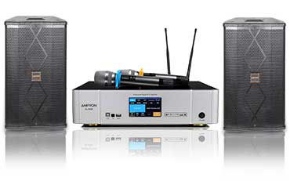
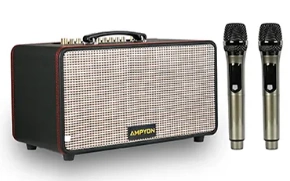
You do not need advanced gear, but you do need reliable basics. A screen everyone can read, a speaker that fills the room without sounding harsh, and a song source that works quickly will take you much further than a complicated system guests cannot operate.
- A screen or TV large enough for lyrics to stay visible across the room
- A speaker or karaoke system with clear vocals and simple volume control
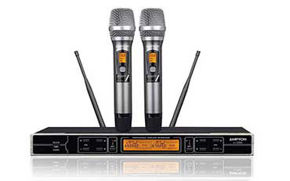
- At least two microphones for duets, faster handoffs, and lower-pressure singing
- One main song source, plus a backup cable, charger, or spare device
Two microphones is the practical minimum for most home karaoke parties. It makes the night smoother, gives shy guests the option to sing with a friend, and cuts down on the awkward pause that happens when one microphone has to be passed around every song. Before guests arrive, test the full flow from search to playback so you are not solving basic setup problems while everyone is waiting.
Room Layout and Guest Flow
Room layout does more work than most hosts expect. A good layout keeps the singer visible, the lyrics readable, and the traffic around the room under control. A weak layout creates bottlenecks, tangled cables, and guests walking across the performance area every few minutes.
The easiest approach is to divide the room into a few simple zones. Set a singer area facing the lyrics screen. Next to it, create a small waiting spot for the next one or two performers so transitions happen naturally instead of chaotically. Then arrange seating in a loose semicircle or open arc so the room still feels social and guests can see both the screen and the singer without constantly shifting around.
Keep drinks and snacks away from microphones and cables. Most importantly, use one visible queue system. It can be a phone note, a paper list, or a small whiteboard, but it should be clear enough that guests know who is up next. When people know where to stand and when their turn is coming, the night instantly feels more relaxed.
Keeping the Party Fun Without Technical Chaos
The party stays fun when the rules are light but consistent. Start with one or two easy crowd-pleasers so nobody feels like the room is waiting for a perfect solo performance. Then rotate between solo songs, duets, and group singalongs to keep the pressure low and the energy moving.
A simple rule helps a lot: let everyone who wants to sing get one turn before repeat turns begin. That keeps stronger singers from dominating too early and gives quieter guests a fair opening. If the room includes mixed ages or family groups, this works even better when paired with ideas from karaoke night ideas for family gatherings, where duets and shared songs can bring people in more naturally.
Playlist structure matters too. The more organized your song flow is, the less technical chaos you will feel in the room. That is why it helps to review how to build the perfect karaoke playlist before the party starts. A few prepared opener songs, a couple of backup crowd favorites, and a visible queue can solve most of the problems that hosts mistake for equipment issues.
A Simple Party Timeline That Works
A loose timeline keeps the night from starting cold or ending awkwardly. You do not need a strict program, but you do need a shape.
- 30 minutes before guests arrive: Test the sound, place the microphones, charge devices, and open the first few songs.
- First 20 minutes: Use a host opener, a duet, or a group song so the room warms up without pressure.
- Main stretch: Alternate confident singers with easier songs, short duets, and crowd-friendly picks.
- Peak hour: Bring in themed rounds, nostalgic songs, or bigger singalong moments once guests are fully comfortable.
- Final 15 to 20 minutes: End with one or two songs everyone knows so the party closes on shared energy rather than one long spotlight moment.
If you host often, the next upgrade is not making the night more complicated. It is choosing equipment that makes it easier to repeat a good experience. That is where best karaoke systems for family parties becomes a useful next step.
The best home karaoke party is the one where guests know how to join, how to wait, and how to have fun without overthinking it. Keep the setup simple, protect the flow, and the room will do the rest.
Frequently Asked Questions
What is the best guest count for a karaoke party at home?
For most living rooms, 8 to 15 guests is a practical range. That is enough to create energy without turning each song into a long wait. Smaller groups usually feel more relaxed, while larger groups often need stronger hosting, clearer queue rules, and more space around the screen and microphones.
Do I really need two microphones for a home karaoke party?
Yes, at least two microphones is the best setup for most home parties. It makes duets easier, speeds up transitions, and helps shy guests join with a friend instead of taking a solo turn. One microphone can work for a very small group, but two makes the night feel much smoother.
How do I keep guests from waiting too long for a turn?
Use one visible queue and a small waiting spot beside the singer area for the next one or two performers. That keeps handoffs clean and prevents long pauses between songs. Duets and group numbers also help because they let more people participate without stretching the queue.
What room setup works best for karaoke at home?
The best setup uses simple zones: a singer area facing the lyrics screen, a nearby waiting area for upcoming singers, seating with clear sightlines, and a separate place for snacks and drinks. This layout keeps the room social while protecting the microphones, cables, and flow of the party.
Ready to make home karaoke parties easier to run?
Compare systems built for shared spaces, family use, and smoother party flow.