




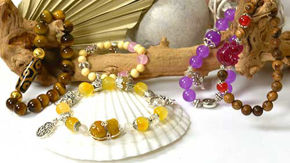
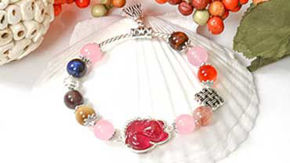


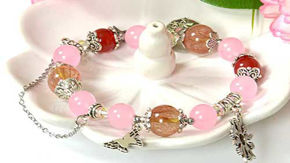
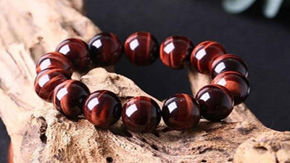

Mala beads have roots in South Asian devotional traditions, especially Hindu and Buddhist practices connected with prayer, mantra recitation, and contemplation. Today, many people also wear malas in modern spiritual, reflective, or jewelry contexts. Respectful use begins with understanding that malas are not just decorative bead strands; they come from living traditions with real cultural and spiritual meaning.
Who this guide is for: This guide is for readers who want to understand the history of mala beads, where they come from, how they have been used in different traditions, and how to wear or use them respectfully today.
How this guide was prepared: This article was written as a cultural-history guide, not a ritual instruction page. It explains mala beads through origins, devotional use, tradition-specific context, modern adaptation, and respectful everyday use. It does not claim religious authority or speak for every Hindu, Buddhist, or modern spiritual community.
Mala beads are often seen today in meditation spaces, yoga studios, jewelry shops, and spiritual-wellness routines. But their history is much older and more specific than modern wellness marketing sometimes suggests. A mala is not simply a “crystal necklace” or a fashionable bead strand. Historically, it is connected with repetition, prayer, mantra, memory, and contemplative practice.
If you want the practical beginner guide for how malas are used today, read Mala Beads 101. If you want the broader cultural history of meaningful jewelry, see The History of Healing Jewelry. If you are still learning the overall category, start with What Is Healing Jewelry?.
Table of Contents
- Quick Answer
- What Mala Beads Are Historically
- Mala Beads Origins
- Mala Beads in Hindu Traditions
- Mala Beads in Buddhist Traditions
- Why Malas Should Not Be Flattened Into One Story
- How Mala Beads Moved Into Modern Use
- Respectful Modern Use of Mala Beads
- What Modern Buyers Should Keep in Mind
- Cultural Respect Note
- Frequently Asked Questions
- Related Guides
Quick Answer
The history of mala beads is rooted in South Asian religious and devotional practice, especially Hindu and Buddhist traditions. Mala beads are traditionally associated with prayer, mantra repetition, and contemplative discipline. In modern use, some people wear malas as meditation tools, intention pieces, spiritual jewelry, or symbolic reminders. Respectful modern use means learning the roots, avoiding vague “Eastern spirituality” language, and not treating malas as culturally empty fashion accessories.
A mala can be worn or used personally today, but it should be approached with context, humility, and care.
What Mala Beads Are Historically
Historically, mala beads are prayer or recitation beads used to keep track of repeated words, names, prayers, or mantras. The word “mala” is commonly connected with the Sanskrit idea of a garland, which helps explain why many malas are made as a strand of beads rather than a single ornament.
This origin matters because it changes how the object should be understood. A mala is not a bead strand that later became spiritual by accident. It has long been connected with spiritual discipline, repetition, devotion, and contemplative practice.
That does not mean every modern mala is used the same way. Some are devotional objects. Some are meditation tools. Some are inspired by traditional forms but used in personal spiritual routines. Some are sold mostly as jewelry. Those differences matter.
Mala Beads Origins
Mala beads are most strongly associated with South Asian religious traditions. Over time, related forms of prayer beads also became visible in other cultural and religious settings, but malas themselves are especially tied to Hindu and Buddhist contexts.
At the simplest level, a mala helps count repetition. That repetition may involve a mantra, sacred name, prayer, or contemplative phrase. The beads support rhythm, focus, and continuity. Instead of counting mentally, the practitioner moves through the beads one by one.
In modern wellness spaces, malas are sometimes described only as “ancient meditation necklaces.” That description is too vague. A more respectful explanation is that malas have roots in specific devotional traditions and later moved into broader spiritual, personal, and jewelry use.
Mala Beads in Hindu Traditions
In Hindu contexts, mala beads are often associated with japa, or repeated recitation of a mantra or divine name. A japa mala may be used as a devotional aid, helping the practitioner keep count while maintaining focus.
Different materials, bead counts, deities, mantras, and practices may carry different meanings depending on lineage, teacher, region, and tradition. That is why it is better not to describe all malas as if they have one universal meaning.
For a beginner, the most important point is simple: in Hindu traditions, malas are not just decorative objects. They can be tied to devotion, repetition, discipline, memory, and spiritual practice.
Mala Beads in Buddhist Traditions
Mala beads are also strongly associated with Buddhist practice, especially in traditions where mantra, recitation, or repeated contemplative formulas are part of practice. In some Buddhist and Tibetan Buddhist contexts, prayer beads remain part of living devotional culture.
As with Hindu use, Buddhist mala use should not be flattened into a single explanation. Materials, bead counts, handling customs, and meanings can vary by tradition and community.
The respectful approach is to say that malas appear in Buddhist practice as tools that support recitation, mindfulness, and contemplative repetition, without pretending that every Buddhist tradition uses them in the same way.
Why Malas Should Not Be Flattened Into One Story
One common problem in modern writing is treating Hindu, Buddhist, Tibetan, yoga, meditation, and wellness contexts as if they are all the same. That may sound simple, but it erases important differences.
Mala beads can appear in more than one tradition, but the meanings are not automatically identical. A mala used in devotional Hindu practice, a mala used in Buddhist mantra recitation, and a mala worn as modern intention jewelry may look similar from the outside while carrying different contexts.
Respectful writing avoids phrases like “ancient Eastern energy necklace” because that language is too broad and exoticizing. Better language is more specific: Hindu practice, Buddhist practice, mantra recitation, prayer beads, contemplative use, modern adaptation, or personal reflection.
How Mala Beads Moved Into Modern Use
Over time, mala beads moved beyond formal religious settings into broader meditation, yoga, spiritual-wellness, and jewelry contexts. Some people today use malas in a deeply devotional way. Others use them for meditation, breathwork, intention setting, journaling, or personal reflection. Others wear malas because the beads, stones, or design feel meaningful.
This modern evolution does not erase the roots. It simply means the object now moves through multiple contexts: religious, cultural, meditative, aesthetic, and commercial.
That is why modern users should be honest about how they are engaging with the object. It is fine to say, “I use this mala as a personal reminder during reflection.” It is less respectful to claim authority over traditions you have not studied or to treat sacred forms as trend-only accessories.
If your interest is practical use rather than history, read Mala Beads 101. If your interest is intention setting across healing jewelry more broadly, read How to Set an Intention for Healing Jewelry.
Respectful Modern Use of Mala Beads
Respectful modern use starts with a simple idea: context before aesthetic.
You do not need to be perfect or performative. You do not need to become an expert before appreciating a mala. But you should understand that many people still view malas as devotional objects, not just stylish beads.
Learn the roots first
A small amount of history makes a big difference. Knowing that malas are tied to prayer, mantra, and contemplative repetition helps you approach the object with more care.
Do not flatten traditions
Hindu and Buddhist uses should not be merged into one vague spiritual story. If you do not know the exact tradition behind a design or practice, use modest language.
Avoid exotic language
Words like “mystical,” “ancient energy,” or “Eastern magic” can sound dramatic but often weaken trust and respect. Clear, specific language is better.
Do not treat sacred forms as disposable fashion
Wearing a mala as jewelry is not automatically disrespectful. The problem is treating the object as a costume, trend, or culturally empty accessory while ignoring its roots.
Be honest about your use
If you use a mala for personal reflection, say that. If you use it for meditation, say that. If you are inspired by a tradition but not formally trained in it, be honest about that too.
What Modern Buyers Should Keep in Mind
If you are buying a mala today, do not judge only by appearance. Think about purpose, materials, construction, and context.
- Not all malas are made for the same purpose. Some are devotional, some are meditation-focused, some are tradition-inspired, and some are mainly lifestyle jewelry.
- Material can carry meaning. Beads, stones, seeds, wood, tassels, and finishing details may matter differently depending on context.
- Construction matters. A mala used for counting should be made differently from a necklace worn only for style.
- Care matters. Beads, cords, tassels, knots, and stones may need gentle storage and handling. For care basics, read How to Cleanse & Care for Healing Jewelry.
- Use matters. If you want a practical guide to counting, wearing, or handling malas, read Mala Beads 101.
The best modern approach is not to overclaim. Learn the origin, choose a piece thoughtfully, and use it in a way that feels honest, respectful, and wearable.
Cultural Respect Note
Mala beads come from living religious and cultural traditions. This guide is a beginner-friendly cultural overview, not a religious authority statement. Meanings, materials, handling customs, and devotional uses can vary by tradition, community, teacher, and region. Respectful modern use means learning before generalizing, avoiding generic “Eastern spirituality” shortcuts, and staying honest about the difference between historical roots and modern adaptation.
Frequently Asked Questions
Where do mala beads come from?
Mala beads are rooted in South Asian devotional traditions and are especially associated with Hindu and Buddhist practice. They are traditionally connected with prayer, mantra recitation, and contemplative repetition.
What were mala beads originally used for?
Mala beads were traditionally used to keep count during repeated recitation, prayer, or mantra practice. The beads help support rhythm, memory, and focus during devotional or contemplative practice.
Are mala beads Hindu or Buddhist?
Mala beads are associated with both Hindu and Buddhist traditions, but the uses, meanings, and customs are not identical in every context. It is better to speak specifically rather than treating all traditions as one.
Is wearing mala beads as jewelry disrespectful?
Not automatically. Wearing a mala can be respectful if it is done with awareness, humility, and care. It becomes more problematic when the mala is treated as a vague exotic accessory with no attention to its roots.
Can I use mala beads if I am not Hindu or Buddhist?
Many people use malas in modern spiritual, meditation, or reflective routines. A respectful approach is to learn the context, avoid claiming authority over traditions you do not belong to, and be honest about your personal use.
Are all mala beads used the same way?
No. Some malas are used in devotional practice, some in meditation, some as intention jewelry, and some mainly as lifestyle accessories. Materials, bead count, and meaning can also vary.
What is the difference between this guide and Mala Beads 101?
This guide explains history, origins, traditions, and respectful modern use. Mala Beads 101 is the practical beginner guide for how malas are commonly used, worn, counted, and handled today.
What should I read next?
If you want practical guidance, read Mala Beads 101. If you want wider category context, read The History of Healing Jewelry and Types of Healing Jewelry.
Related Guides
- Mala Beads 101
- The History of Healing Jewelry
- Healing Jewelry Glossary
- Types of Healing Jewelry
- How to Set an Intention for Healing Jewelry
- How to Cleanse & Care for Healing Jewelry
Next step: If you want to understand how malas are commonly worn, counted, handled, and used today, go to Mala Beads 101. If you want the wider historical context of symbolic jewelry, continue with The History of Healing Jewelry.