











Healing jewelry is easier to understand when the language is clear. Terms like chakra, intention, grounding, cleansing, charging, synthetic stone, simulant, and talisman are often used without explanation, so this glossary gives you short, plain-English definitions before you go deeper into the full guides.
Who this guide is for
This guide is for readers who keep seeing repeated healing jewelry terms and want quick, clear definitions without opening several pages first. It is especially useful if you are new to healing jewelry, comparing different pieces, reading product descriptions, or trying to understand symbolic language without exaggerated claims.
How this guide was prepared
This glossary was built as the terminology guide for the healing jewelry cluster. Each definition is kept short, beginner-friendly, and claim-safe. When a topic needs deeper explanation, this page links to the correct guide instead of turning the glossary into a full tutorial.
Quick Answer
This glossary explains common healing jewelry terms in plain English. It covers symbolic terms such as intention, grounding, chakra, cleansing, and protection, along with practical jewelry terms such as natural stone, synthetic stone, simulant, treated stone, setting, and wearability. The goal is to help you read, shop, and compare healing jewelry with more clarity and fewer exaggerated expectations.
Important note: This article discusses healing jewelry in a symbolic, spiritual, cultural, and mindfulness-oriented context. Jewelry, stones, crystals, chakras, cleansing, and intention setting should not be treated as medical care, therapy, diagnosis, or a guaranteed way to change health, money, love, luck, or life outcomes.
Table of Contents
How to use this glossary
Use this page when a word keeps appearing in healing jewelry articles, product descriptions, or spiritual jewelry conversations and you want a quick definition before going deeper. The definitions are intentionally concise. Some terms have long histories, cultural meanings, or technical gemology details, so this glossary gives you the basic meaning first and then links to deeper guides when helpful.
This keeps the page focused. A glossary should help you decode language quickly. It should not replace full guides on chakras, stone meanings, gemstone treatments, or jewelry care.
A–G terms
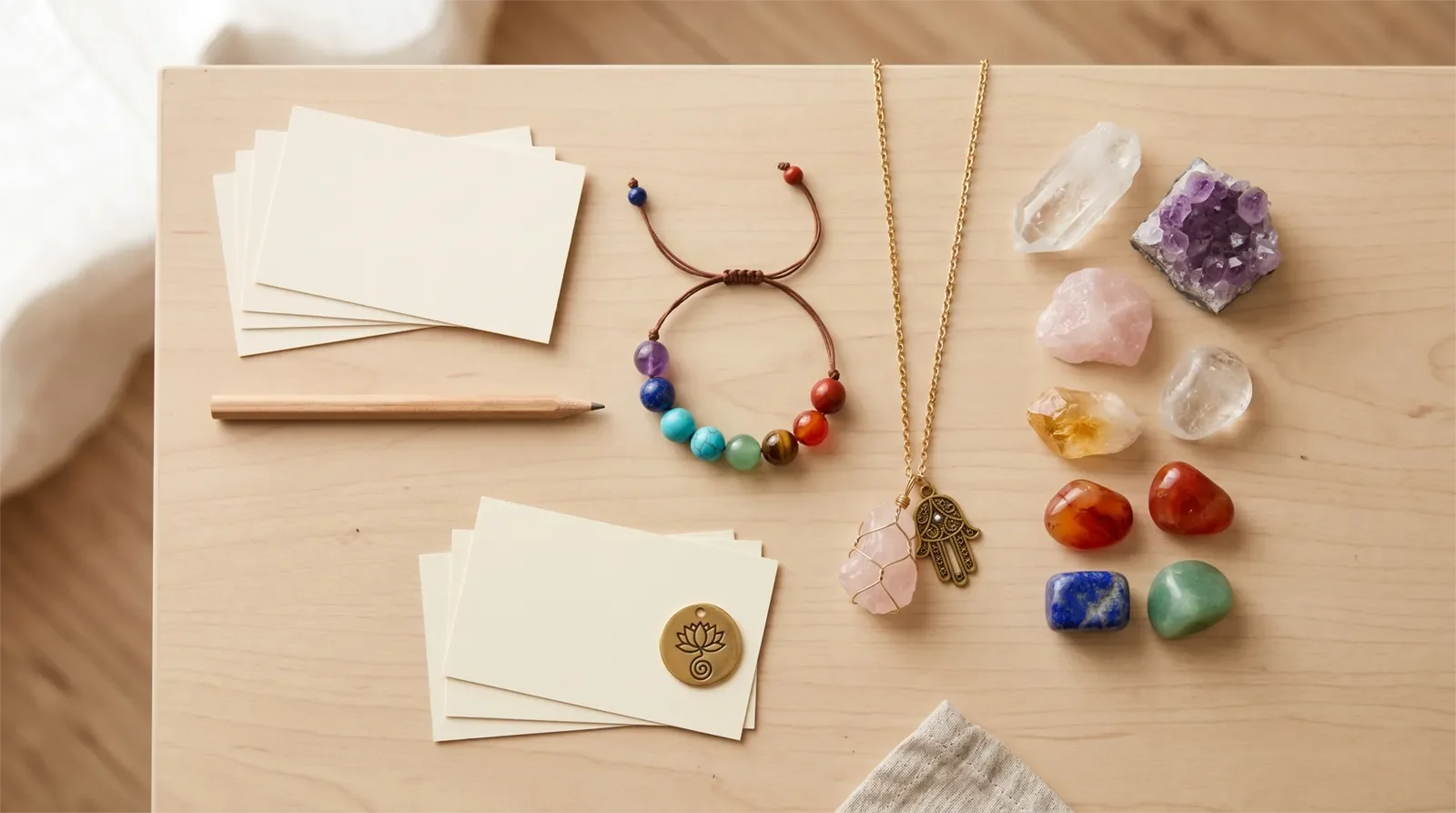
- Amulet
- An amulet is a wearable object traditionally associated with protection, blessing, or symbolic safety. In healing jewelry, the word usually describes a piece worn for personal, spiritual, or cultural meaning rather than simple decoration.
- Aura
- In spiritual or symbolic language, aura usually refers to the energy field some people believe surrounds a person. In healing jewelry content, this should be treated as belief-based or symbolic language, not as a medical or scientific fact.
- Bead
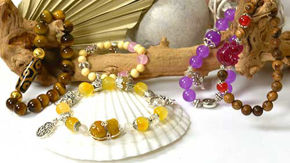
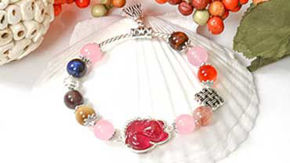
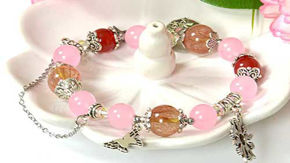
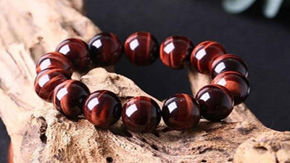
- A bead is a small piece of stone, wood, seed, glass, metal, or another material that can be strung into jewelry. In healing jewelry, beads often carry both visual style and symbolic meaning.
- Charging
- Charging is a term many people use for a ritual meant to reconnect a piece of jewelry with intention or symbolic energy. It should be understood as a personal or spiritual practice, not as a measurable scientific process.
- Chakra
- Chakra is a term commonly used for energy centers in certain spiritual traditions. In healing jewelry, chakra language often appears in color-coded bracelets, necklaces, or stone combinations. For a fuller beginner explanation, read What Are Chakras? 7 Centers Explained.
- Cleansing
- Cleansing can mean two different things. Physical cleaning means removing dirt, sweat, oil, or residue from jewelry. Symbolic cleansing means using a ritual to refresh the meaning or intention of a piece. These should not be confused. For the full care guide, read How to Cleanse & Care for Healing Jewelry.
- Crystal
- In everyday healing jewelry language, crystal often refers to a mineral, stone, or decorative material chosen for beauty, symbolism, or tradition. In stricter gem language, not every material sold as a “crystal” is the same type of natural gemstone.
- Grounding
- Grounding usually means feeling steadier, calmer, or more centered. In healing jewelry, a grounding bracelet or stone is typically chosen as a symbolic reminder of stability, presence, or emotional steadiness.
H–M terms
- Healing jewelry
- Healing jewelry is a broad term for jewelry worn for symbolic meaning, spiritual connection, intention setting, or mindfulness-oriented use. It should not be described as medical treatment or a guaranteed-results product. For the full definition, read What Is Healing Jewelry?.
- Healing stone
- A healing stone is a stone that many people choose for the meaning traditionally associated with it, such as calm, love, clarity, grounding, or protection. The deeper stone-by-stone guide is Healing Stones & Crystal Meanings.
- Imitation
- An imitation is a material made to look like another gem or decorative material. In gem language, imitation often overlaps with the word simulant. It may look similar to a stone, but it is not the same material.
- Intention
- Intention means the personal purpose, reminder, or meaning someone connects to a piece of jewelry. It may be as simple as “stay calm,” “protect my peace,” “focus on what matters,” or “move through the day with more patience.”
- Mala
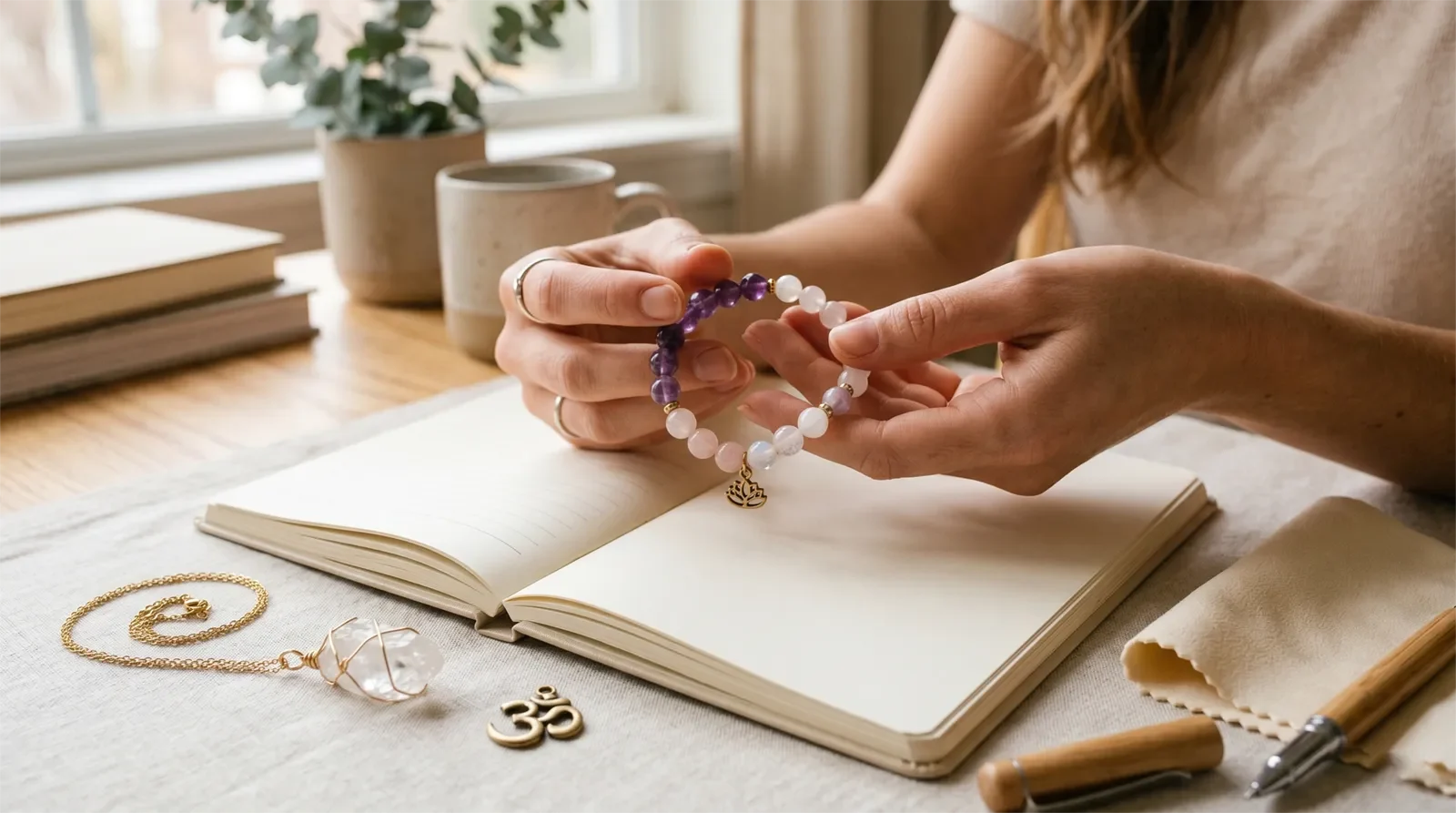
- A mala is a strand of beads traditionally used in meditation, prayer, mantra practice, or devotional practice. In modern jewelry spaces, mala-style pieces may also be worn as meaningful accessories, but their deeper cultural and spiritual context should be treated respectfully.
- Meaning
- Meaning refers to what a piece symbolizes to the wearer or within a tradition. In healing jewelry, meaning is often more important than trying to prove a physical effect.
- Mindfulness jewelry
- Mindfulness jewelry is jewelry used as a reminder to pause, breathe, reflect, or return to an intention. This is one of the clearest practical ways people describe how meaningful jewelry supports daily life without making medical claims.
N–R terms
- Natural stone
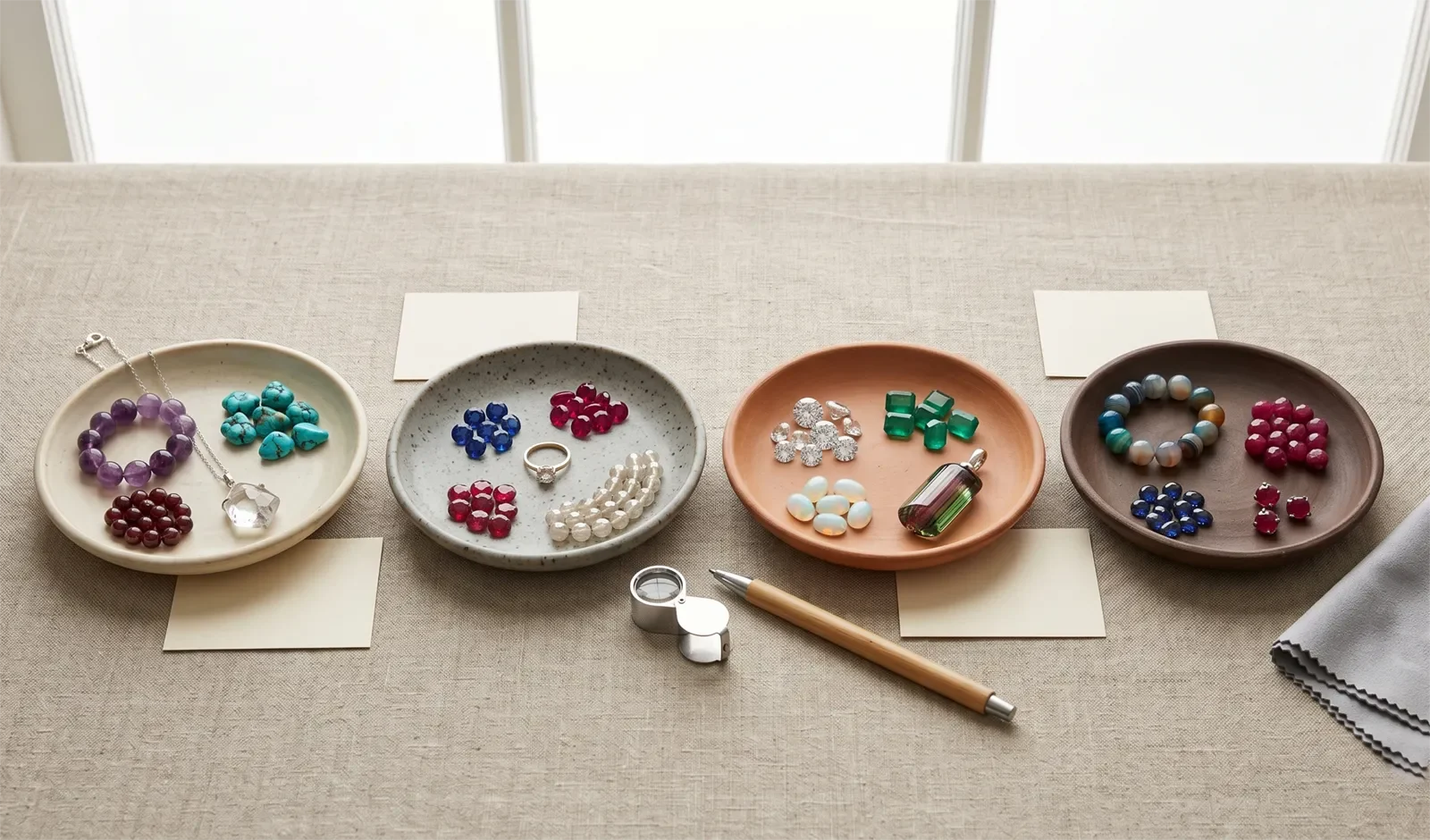
- A natural stone is a gem, mineral, or decorative stone formed by nature rather than grown by people in a lab. Natural does not always mean untreated, rare, or more meaningful, so disclosure still matters. For more detail, read Natural vs. Synthetic Stones.
- Protection
- Protection is a common symbolic theme in healing jewelry. It usually refers to emotional, spiritual, or ritual protection in the language of the category, not a guaranteed physical, medical, legal, or financial outcome.
- Ritual
- A ritual is a repeated action done with meaning or intention. In jewelry use, this might include putting on a bracelet before meditation, prayer, journaling, travel, work, or a difficult conversation.
- Resetting
- Resetting is an informal term some people use when they want a piece to feel emotionally or symbolically fresh again. It often overlaps with cleansing, charging, or intention-setting practices.
S–Z terms
- Setting
- In jewelry construction, setting refers to how a stone, charm, or decorative element is mounted into a piece. This is a practical jewelry term, not a spiritual term.
- Simulant
- A simulant is a material used to imitate the appearance of another gem without having the same composition or properties. In plain English, it may look similar, but it is not the same material.
- Symbol
- A symbol is a sign, shape, charm, motif, color, or object that carries meaning. In many healing jewelry pieces, the symbol may matter just as much as the stone.
- Synthetic stone
- A synthetic stone is a man-made material with essentially the same composition and properties as its natural counterpart. It is different from a simulant, which only imitates appearance.
- Talisman
- A talisman is a meaningful object traditionally associated with protection, strength, blessing, or good fortune. In modern jewelry language, the word is often used more loosely for symbolic jewelry.
- Treated stone
- A treated stone is a gem or decorative stone that has been altered in some way, often to improve color, clarity, stability, or appearance. Treatment does not automatically make a stone bad, but it should be disclosed because it can affect value, care, and buyer expectations.
- Wearability
- Wearability means how practical a piece is for everyday use. It includes weight, fit, comfort, durability, skin sensitivity, moisture sensitivity, and how much care the material needs.
Quick reference table
| Term | Plain-English meaning | Helpful reminder |
|---|---|---|
| Intention | The personal purpose connected to a piece | Keep it simple and honest. |
| Grounding | A symbolic reminder of steadiness or presence | Do not turn it into a medical claim. |
| Cleansing | Physical cleaning or symbolic resetting, depending on context | Separate practical care from ritual meaning. |
| Charging | A ritual to reconnect a piece with intention | Describe it as personal practice, not science. |
| Natural stone | A stone formed by nature | Natural does not automatically mean untreated or superior. |
| Synthetic stone | A lab-created stone with essentially the same composition as the natural version | Different from a look-alike simulant. |
| Simulant | A look-alike material | It may resemble a gem but is not the same material. |
| Treated stone | A stone altered to improve or change appearance | Treatment should be disclosed clearly. |
Using this glossary with Tittac
At Tittac, healing jewelry language should be clear, respectful, and easy to understand. When you are choosing a piece, use this glossary to separate symbolic meaning from material facts. A good piece should make sense to you emotionally, stylistically, and practically without relying on confusing words or exaggerated promises.
Frequently Asked Questions
Is this only a spiritual glossary?
No. This glossary includes both symbolic terms, such as intention, grounding, chakra, and cleansing, and practical jewelry terms, such as synthetic stone, simulant, treated stone, setting, and wearability.
What does intention mean in healing jewelry?
Intention means the personal purpose or reminder connected to a piece of jewelry. It may represent calm, focus, protection, love, patience, remembrance, or another quality the wearer wants to keep in mind.
What does grounding mean in healing jewelry?
Grounding usually means feeling steadier, calmer, or more centered. In healing jewelry, it is best understood as symbolic or mindfulness language, not as a medical claim.
What does cleansing mean for healing jewelry?
Cleansing can mean physical cleaning or symbolic resetting. Physical cleaning helps keep jewelry clean and wearable. Symbolic cleansing is a personal or spiritual practice used by some people to refresh meaning or intention.
What does charging mean for healing jewelry?
Charging refers to a symbolic ritual many people use to reconnect a piece with meaning or intention. It should not be presented as a scientific process or guaranteed outcome.
What is a simulant?
A simulant is a material that imitates the appearance of another gem but does not share the same composition or properties. It may look similar, but it is not the same material.
What is the difference between synthetic and simulant stones?
A synthetic stone has essentially the same composition and properties as the natural stone it corresponds to, but it is made by people. A simulant only looks like another stone and does not share the same composition.
What is a treated stone?
A treated stone is a gem or decorative stone that has been altered to improve or change appearance, often in color, clarity, or stability. Treatment is common in jewelry, but it should be disclosed clearly.
What is a mala?
A mala is a strand of beads traditionally used in meditation, prayer, mantra practice, or devotional practice. In modern jewelry, mala-style pieces may also be worn as meaningful accessories.
Can glossary terms prove that healing jewelry works?
No. A glossary explains language. It does not prove medical, spiritual, financial, romantic, or life-outcome claims. Healing jewelry terms should be used carefully and honestly.