











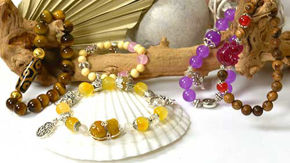
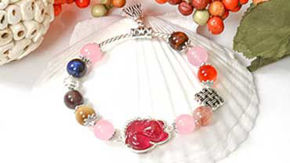


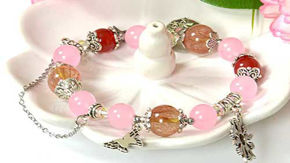
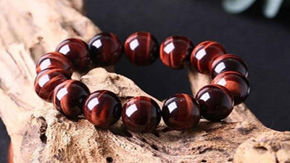

Healing stone meanings are best used as symbolic guides, not guarantees. A stone may be traditionally linked with calm, grounding, love, clarity, courage, or protection, but the best healing jewelry choice also depends on what you will actually wear, how the material is described, and whether the meaning feels honest to you.
Who this guide is for
This guide is for beginners who want one clear place to understand popular healing stone meanings before choosing a bracelet, necklace, pendant, mala, or first healing jewelry piece. It is also useful if you want to compare stones by broad symbolic themes without getting lost in exaggerated claims.
How this guide was prepared
This article was rebuilt as the main stones and meanings guide for the Tittac healing jewelry cluster. It uses broad, claim-safe symbolic language, keeps definitions practical, and links deeper questions about intention, stone authenticity, treatments, and care to their proper guides.
Quick Answer
Healing stones and crystal meanings are symbolic associations people use when choosing healing jewelry. Amethyst is often linked with calm and reflection, rose quartz with love and gentleness, black tourmaline with grounding and boundaries, citrine with brightness, jade with harmony and cultural meaning, and tiger’s eye with courage and steady confidence. These meanings are not fixed rules or medical facts. The best stone is the one whose meaning, look, comfort, and material disclosure all make sense for you.
Important note: This guide discusses healing jewelry in a symbolic, spiritual, cultural, and mindfulness-oriented context. Stones, crystals, and jewelry should not be treated as medical treatment, diagnosis, therapy, or a guaranteed way to change health, love, money, luck, protection, or emotional outcomes.
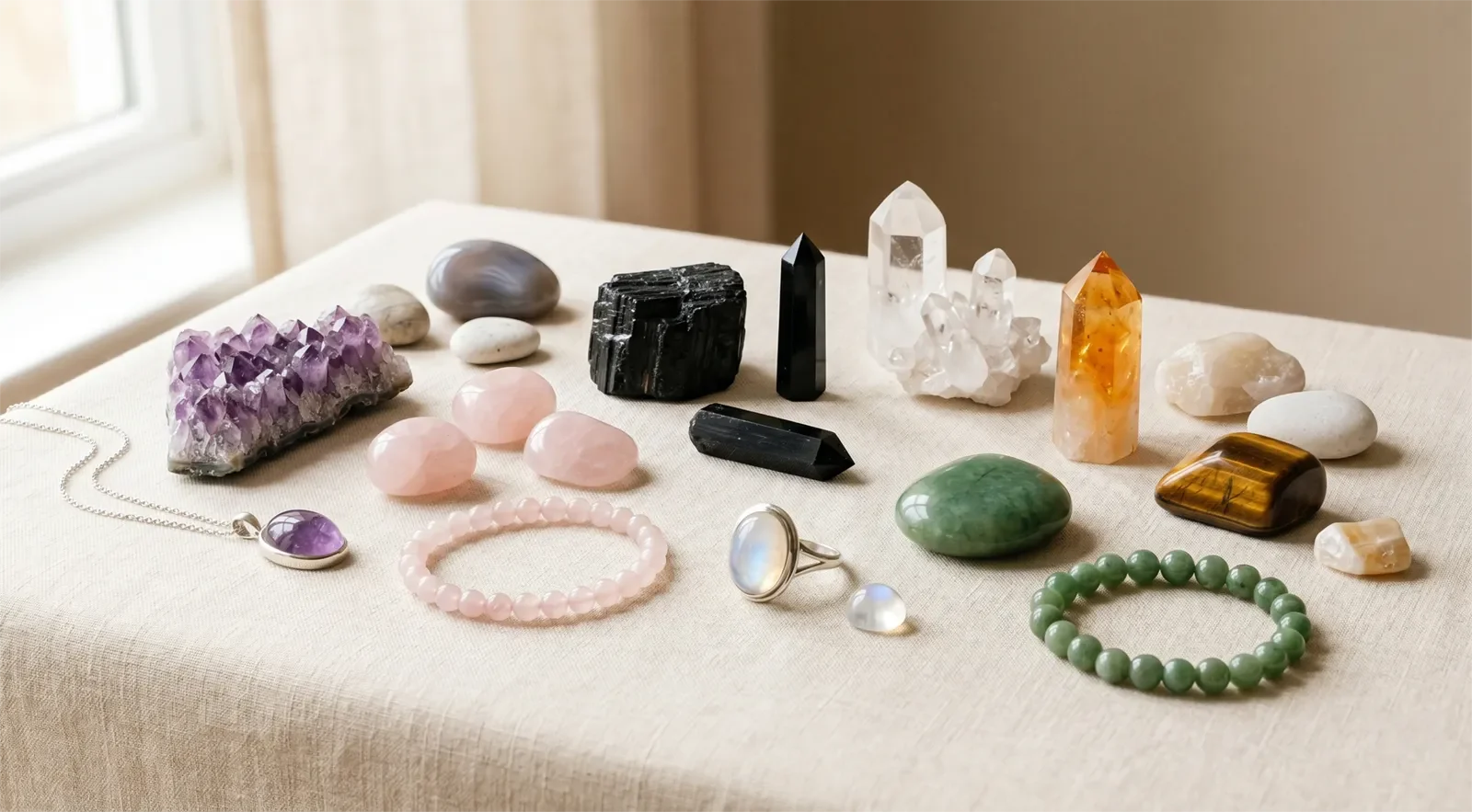
Table of Contents
How to read stone meanings responsibly
A useful way to read healing stone meanings is to treat them as a language of symbolism. A stone may represent calm, grounding, clarity, love, confidence, or protection, but those themes are not guaranteed effects. They help people choose with more intention; they do not replace judgment, professional care, or honest material information.
Crystal meanings often come from a mix of color associations, cultural traditions, spiritual language, historical use, and personal interpretation. That is why two people may choose the same stone for different reasons. One person may wear rose quartz as a reminder of compassion. Another may simply love its soft color and gentle look.
The best use of stone meanings is practical: they help you narrow your choices, understand what a piece may represent, and avoid buying randomly. They should work together with comfort, style, durability, and clear product disclosure.
If your main question is which stone fits a theme such as calm, focus, confidence, love, or protection, continue with Stones by Intention. This guide stays broader so it can serve as the main healing stone meanings index.
How to choose a healing stone
For most beginners, choosing a healing stone becomes easier when you answer three questions first.
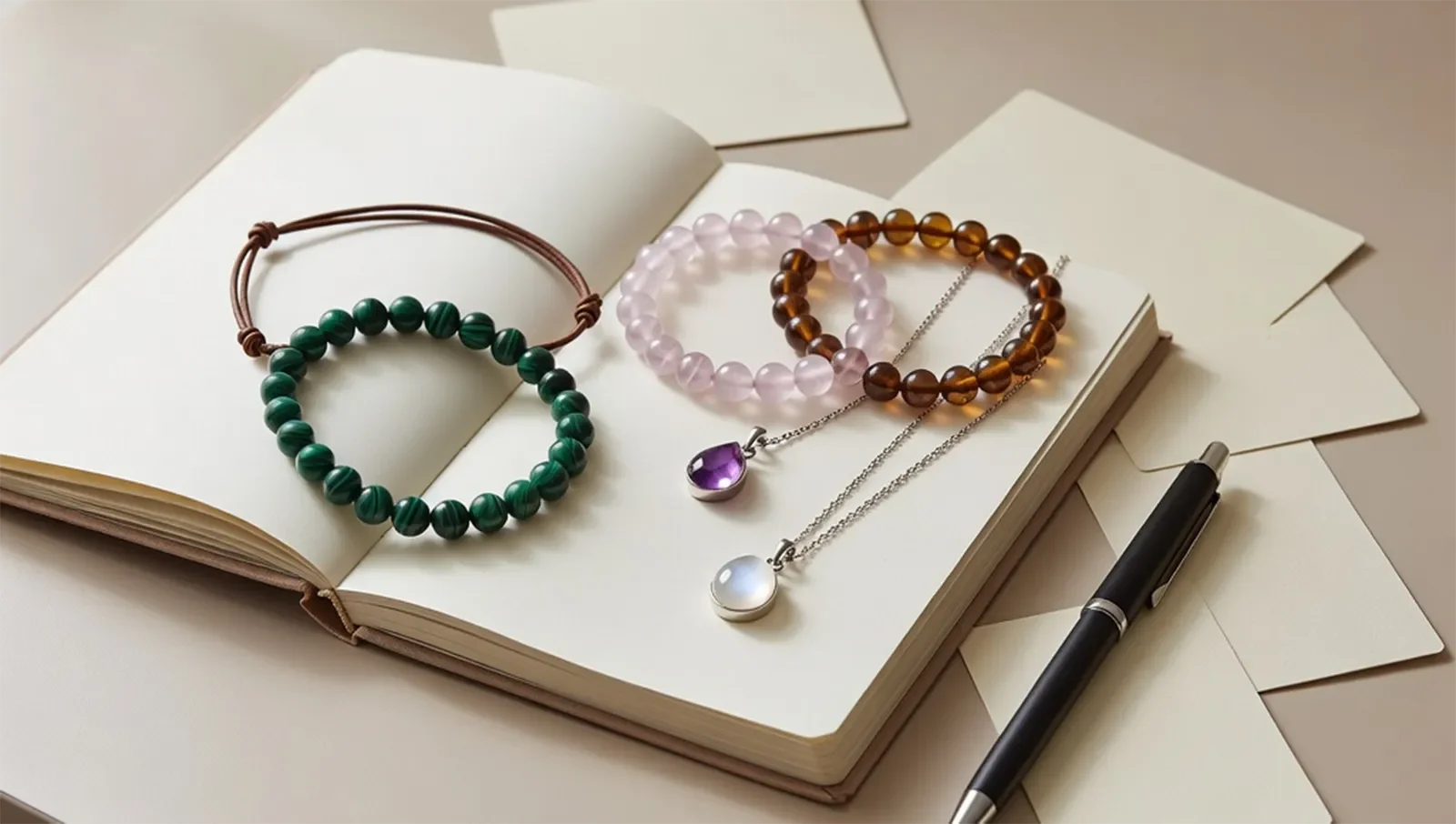
- What do you want the jewelry to represent? Start with a simple theme such as calm, clarity, confidence, grounding, love, protection, or renewal.
- Will you actually enjoy wearing it? Color, bead size, weight, finish, shape, and daily style matter more than many people expect.
- Is the material clearly described? The listing should explain what the stone is, whether it is natural, treated, synthetic, stabilized, dyed, or imitation when relevant.
If you are new to healing jewelry, one stone is enough. One clear meaning, one wearable piece, and one honest product description are a better start than buying many stones at once without understanding them.
You can also begin with a focused guide if one stone already stands out to you. Common first choices include Amethyst Meaning, Rose Quartz Meaning, and Black Tourmaline Meaning.
Quick stone meaning table
This table gives a simple starting point. Meanings are broad symbolic themes, not promises.
| Stone | Common symbolic themes | Often chosen by people who want |
|---|---|---|
| Amethyst | Calm, reflection, clarity | A gentle, familiar beginner stone |
| Rose Quartz | Love, compassion, softness | A reminder of care, openness, or emotional gentleness |
| Black Tourmaline | Grounding, boundaries, protection symbolism | A darker stone with a steady, protective feel |
| Clear Quartz | Clarity, focus, simplicity | A clean, versatile stone that pairs easily with other pieces |
| Citrine | Brightness, optimism, abundance themes | A warm, uplifting visual tone |
| Jade | Harmony, balance, cultural meaning | A stone with deeper cultural and material importance |
| Tiger’s Eye | Courage, focus, steady confidence | A bold, earthy stone with easy-to-understand symbolism |
| Moonstone | Softness, reflection, new beginnings | A lighter, more delicate feeling piece |
Popular healing stones A–Z
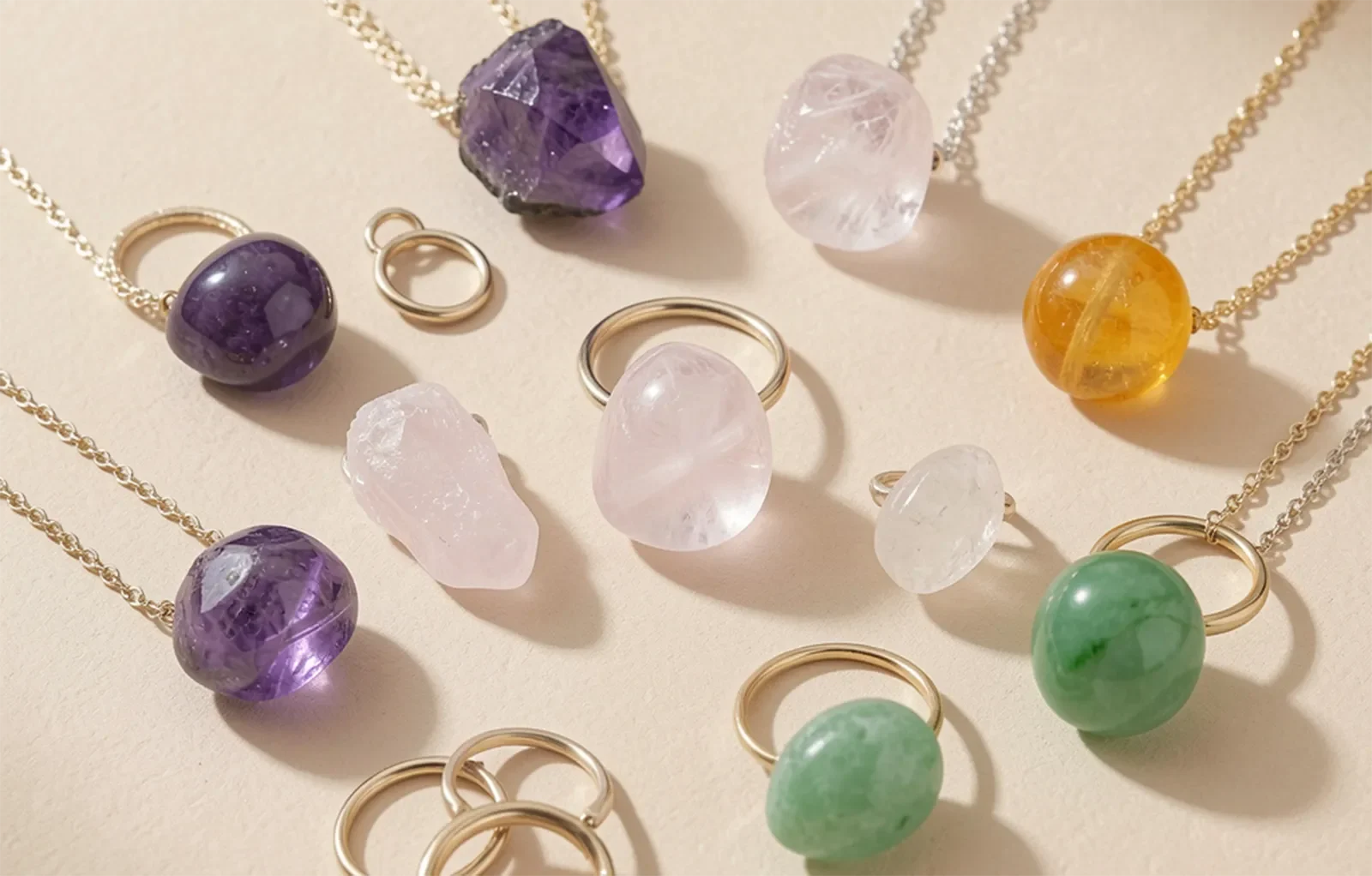
This is a practical A–Z overview of popular healing stones, not a full encyclopedia entry for every crystal. Each description is intentionally brief so this guide can stay useful as a broad index and link to deeper pages where needed.
A
Agate: Often chosen for balance, steadiness, and a grounded everyday feel. Many people also like agate for its natural bands, patterns, and wide color range.
Amazonite: Commonly linked with soothing energy, communication, and emotional balance. Its soft blue-green color gives it a calm and approachable look.
Amethyst: Traditionally associated with calm, reflection, and clarity. It is one of the most familiar beginner stones because the meaning is easy to understand and the purple color is widely recognized. Read more at Amethyst Meaning.
Aventurine: Often chosen for growth, optimism, and fresh-start symbolism, especially in green varieties.
B
Black Tourmaline: Commonly linked with grounding and protection symbolism. Many people wear it as a reminder of boundaries, steadiness, and personal space. Learn more at Black Tourmaline Meaning.
Bloodstone: Often associated with resilience, steadiness, and strength-oriented symbolism. Its darker tones give it a more grounded visual presence.
C
Carnelian: Frequently connected with confidence, motivation, creativity, and momentum. Its warm orange-red color shapes much of its symbolic personality.
Citrine: Commonly linked with positivity, brightness, confidence, and abundance themes. It is often chosen by people who want a warmer, more upbeat piece.
Clear Quartz: Often viewed as a versatile stone that symbolizes clarity, focus, and simplicity. Many beginners like clear quartz because it feels clean, flexible, and easy to pair with other jewelry.
F
Fluorite: Often chosen for order, focus, and mental clarity themes. Multi-toned fluorite can also appeal to people who want a stone with visual movement and variety.
G
Garnet: Commonly linked with depth, devotion, vitality, and commitment. It often feels classic, rich, and less trend-driven than many modern crystal choices.
J
Jade: Traditionally associated with harmony, balance, protection symbolism, and good fortune themes in many cultural contexts. Jade is also a stone where terminology and disclosure matter because the market includes different jade types, treatments, and lookalikes. For cultural context, read Jade in East Asian Culture.
Jasper: Often chosen for steadiness, support, and earthy symbolism. Different jasper varieties can look very different while still sharing a grounded overall feel.
L
Labradorite: Commonly linked with intuition, transition, mystery, and inner change. Many people are first drawn to labradorite because of its shifting flash and moodier appearance.
Lapis Lazuli: Often associated with wisdom, truth, and self-expression. Its deep blue color strongly shapes the way people interpret it.
M
Moonstone: Frequently chosen for softness, reflection, feminine symbolism, and new-beginning themes. It appeals to people who want a lighter, more delicate feeling stone.
O
Obsidian: Commonly linked with grounding, protection symbolism, and directness. Its dark, glossy look gives it a strong visual presence.
R
Rose Quartz: Traditionally associated with love, compassion, gentleness, and emotional softness. Many people choose it as a reminder of care, openness, and self-kindness. Read more at Rose Quartz Meaning.
S
Smoky Quartz: Often chosen for grounding, release, and a calmer, more understated presence.
Sodalite: Commonly linked with logic, communication, and clear thinking. It is often seen as a more structured blue stone compared with softer or more romantic options.
Sunstone: Often associated with warmth, optimism, confidence, and personal brightness. Its name and appearance both shape its symbolic appeal.
T
Tiger’s Eye: Frequently connected with courage, focus, and steady confidence. It is a common beginner choice because both the look and meaning are easy to understand.
Turquoise: Traditionally linked with protection, expression, and cultural significance in many contexts. It is also a stone where disclosure matters because the market includes natural, treated, stabilized, reconstructed, and imitation materials.
Buying basics and material disclosure
Even when you are shopping mainly for symbolic meaning, material honesty still matters. A stone may still be the right choice if it is treated, stabilized, dyed, synthetic, or lab-created, but that information should be presented clearly.
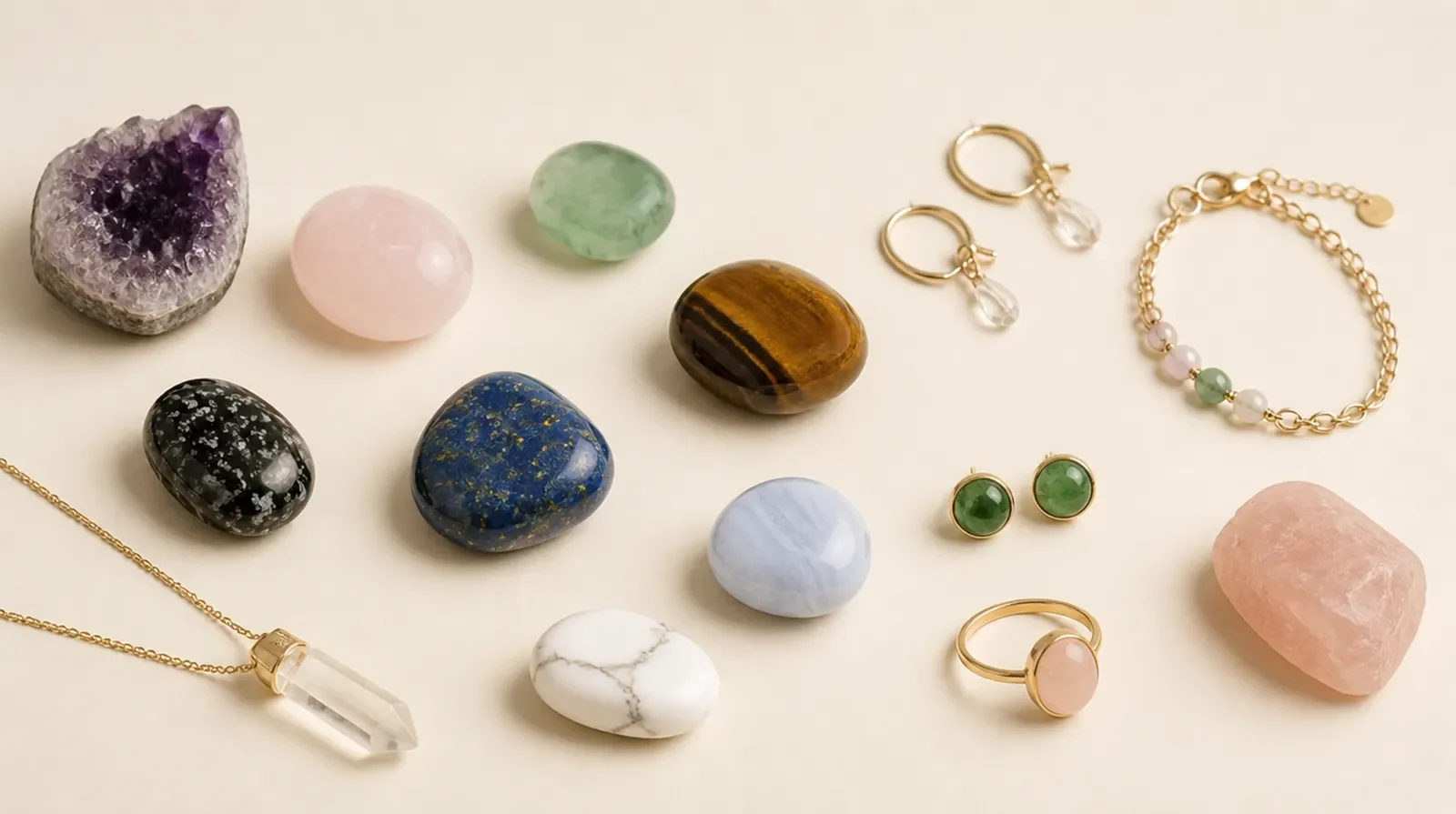
This is where many beginners get confused. Natural does not automatically mean better for every buyer. Synthetic does not automatically mean worthless. Treated does not automatically mean bad. The real issue is whether the seller explains the material clearly so you know what you are buying.
Use these deeper guides when you are ready:
- Gemstone Treatments 101 for treatment and disclosure basics.
- Natural vs. Synthetic Stones for how those categories differ when shopping.
- Common Materials in Healing Jewelry & Their Meanings for a broader look at stones, metals, woods, seeds, charms, and construction.
At the buying stage, avoid choosing based only on dramatic claims. Look for clear naming, honest disclosure, a design you genuinely like, and a meaning that feels appropriate for your life.
Care notes and next steps
Different stones can have different care needs. Some stones are harder and easier for regular wear. Others may be softer, more porous, more sensitive to water, or more affected by sunlight, fragrance, sweat, and chemicals.
For a broad rule, treat healing jewelry as jewelry first. Store it carefully, avoid unnecessary impact, remove delicate pieces before water-heavy activities, and pay attention to metal, cord, clasp, and bead construction—not only the stone itself.
Physical care is also different from symbolic cleansing. Physical care protects the material from damage. Symbolic cleansing is a personal or spiritual practice some people use to reset intention or meaning. For the full explanation, read How to Cleanse & Care for Healing Jewelry.
Bottom line: The best beginner stone is rarely the most dramatic one. It is the one whose meaning feels clear, whose look you genuinely like, and whose material description you can trust.
Frequently Asked Questions
What are healing stone meanings?
Healing stone meanings are symbolic associations connected to stones and crystals. They may relate to calm, grounding, love, clarity, confidence, protection, or renewal, but they should not be treated as guaranteed effects or medical facts.
What is the best beginner healing stone?
There is no single best stone for everyone. Many beginners start with amethyst, rose quartz, clear quartz, black tourmaline, or tiger’s eye because the meanings are familiar and easy to understand. The better choice is the stone you will actually wear and understand.
Can I choose a stone by color?
Yes. Color is one reason people feel drawn to certain stones. Purple may feel reflective, pink may feel gentle, black may feel grounding, and yellow may feel bright. Still, color should be considered together with stone name, disclosure, comfort, and style.
Are natural stones better than synthetic stones?
Not always. Natural stones may be preferred for origin and traditional appeal, while synthetic or treated stones may be more affordable, consistent, or available. What matters is honest disclosure and whether the material fits your expectations.
How many healing stones should I start with?
One is enough for most beginners. Starting with one clear stone, one intention, and one wearable piece is usually more helpful than buying many pieces at once without understanding them.
Can healing stones replace medical or professional care?
No. Healing stones and healing jewelry should not replace medical diagnosis, treatment, therapy, medication, financial advice, or other professional support. They are best treated as symbolic, personal, spiritual, or mindfulness-oriented objects.
What matters most when buying healing stone jewelry?
The most important factors are clear stone naming, honest material disclosure, comfortable design, good construction, and a meaning that fits what you want the piece to represent.
Need help choosing your first stone?
If you are choosing healing jewelry and feel unsure where to start, Tittac can help you compare stone meanings, material descriptions, and everyday wearability so you can choose a piece with clarity instead of pressure.