
AI in a massage chair usually does not mean the chair is thinking like a person. In most cases, it means the chair uses body scan data, sensors, preset logic, or saved preferences to make the massage easier to start and more fitted to the user.
If you have been comparing premium massage chairs, you have probably noticed that “AI” shows up everywhere. The label can sound more advanced than the feature itself, so the real question is simple: what does the chair actually measure, adjust, remember, or recommend when you use it at home?
Who this guide is for: Shoppers who see AI language on massage chair product pages and want to know what is real, what is useful, and what is mostly a label.
How this guide was prepared: This article was prepared by reviewing how manufacturers and manuals describe AI massage features, body data, and automatic programs, then translating those claims into practical home-use terms.
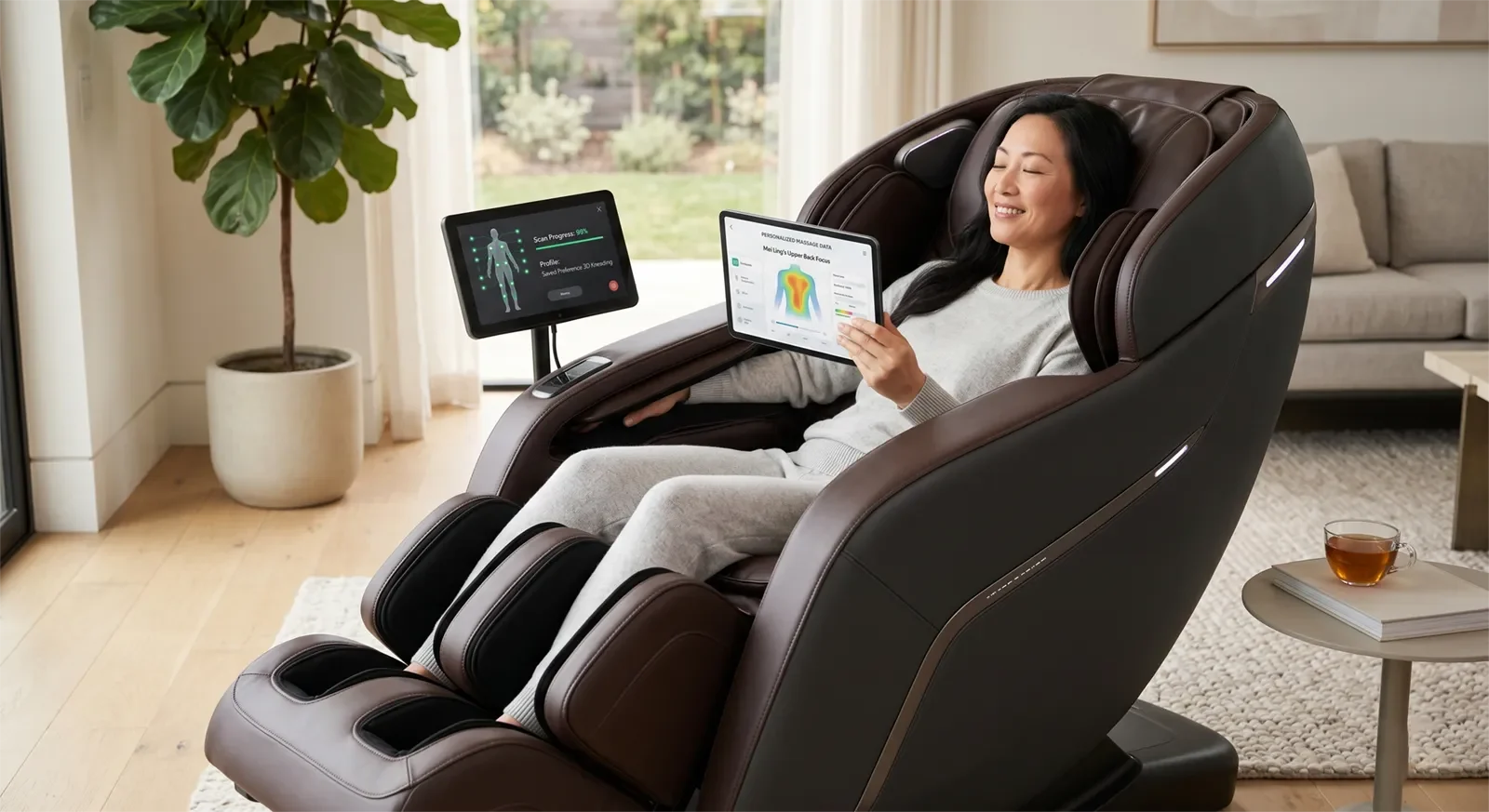
Table of Contents
- Quick Answer
- What “AI” usually means in a massage chair
- What auto programs are actually doing
- How body scan fits into the AI story
- What useful AI features feel like in real use
- What is real, what is useful, and what is mostly branding?
- What AI does not tell you
- When AI features tend to matter most
- How to think about AI without getting lost in the hype
- Frequently Asked Questions
- Related Guides
Quick Answer
In a massage chair, “AI” usually means the chair is using body scan data, sensors, preset program logic, or automatic adjustments to personalize the session. In real use, that often shows up as automatic shoulder detection, backline mapping, pressure adjustment, recommended programs, or saved user preferences.
What matters most is not the AI label itself, but what the chair actually changes for you. A useful AI feature can make the massage feel more fitted, more convenient, or more consistent from session to session. But many AI claims are still built on structured automation rather than true open-ended intelligence, so the smartest approach is to ask what the chair is really measuring, adjusting, or remembering.
What “AI” usually means in a massage chair
In plain terms, AI in massage chairs usually refers to adaptive automation. That means the chair collects some type of user information, then uses built-in logic to adjust the massage program, pressure, timing, or recommendations.
Depending on the chair, that may include:
- detecting shoulder position
- mapping the line of the back
- adjusting pressure or depth based on body shape
- recommending programs based on user input or detected tension
- remembering saved user settings for future sessions
So when brands say “AI,” they are usually describing some combination of sensors, auto-detection, rules-based adjustment, and preset program logic. That can be helpful. It just should not be mistaken for unlimited intelligence.
What auto programs are actually doing
Auto programs are one of the most practical parts of this topic because they are where many shoppers actually experience the AI claim.
Preset routines with adaptive adjustments
Most auto programs start with a preset structure. That means the chair already has a defined routine such as relaxation, stretch, recovery, neck-and-shoulders, or full body. The “smart” part usually comes from how the chair adjusts that preset to your body scan, detected position, or selected preferences.
In real use, that may mean the chair changes:
- where the rollers start and stop
- how high the massage reaches
- how deep or strong the rollers feel in different zones
- how long the routine spends on certain areas
- which stored sequence it recommends first
That is why AI massage chairs often feel more convenient: the chair is doing more of the setup work automatically instead of making you adjust everything manually.
What they usually do not do
Auto programs are still structured. They are not inventing a massage from scratch every time in a human way. In most cases, they are selecting, adapting, or fine-tuning from a defined set of options. That is still useful, but it is more grounded than the marketing language sometimes suggests.
How body scan fits into the AI story
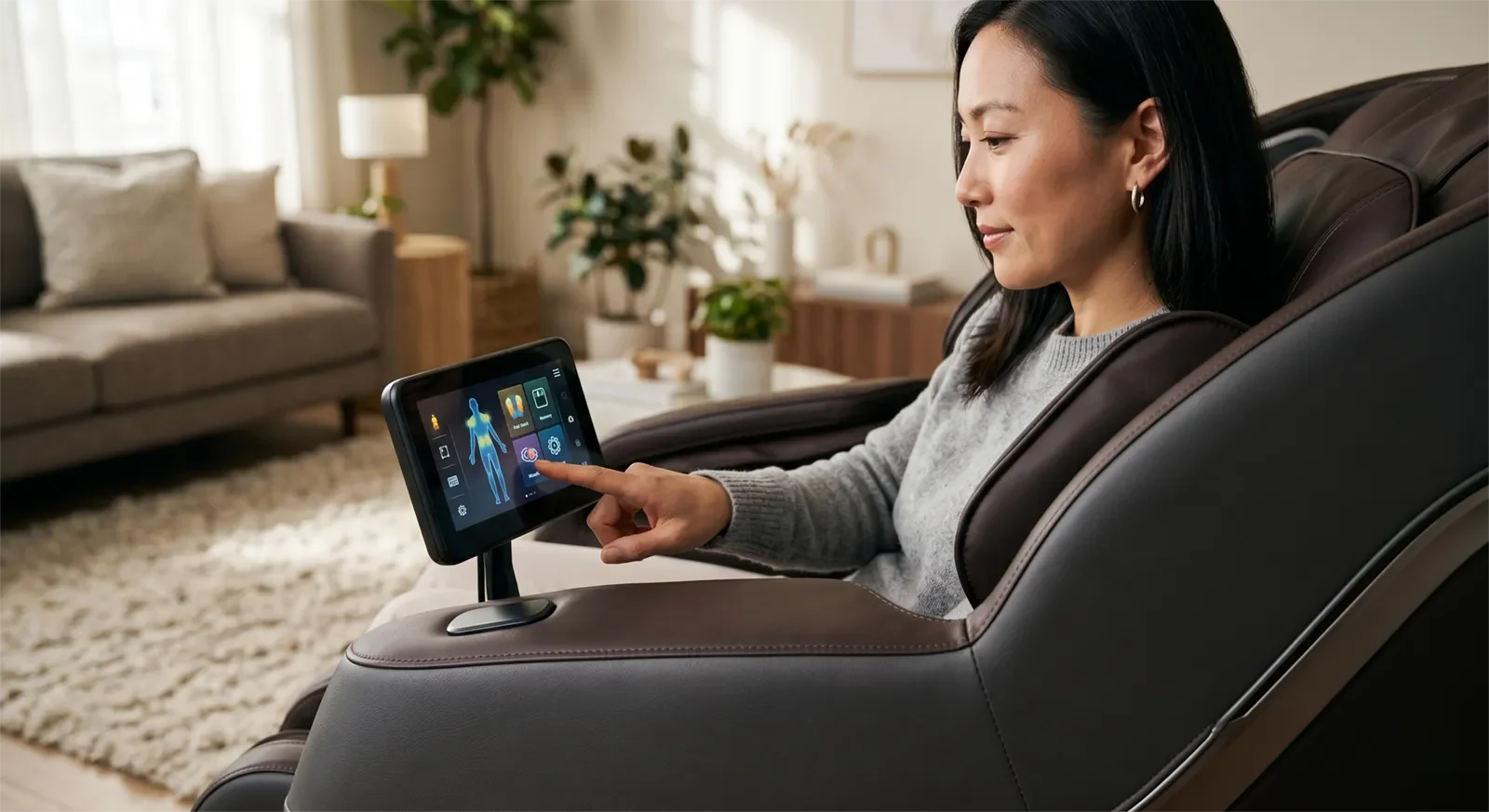
Body scan often gets mentioned together with AI because it is one of the main ways the chair collects information before the session begins. But body scan is not the same thing as AI.
Body scan usually focuses on mapping your shoulders, backline, and position so the rollers hit the right places more accurately. This page only covers body scan as one input that AI-style auto programs may use.
If you want the dedicated explanation of how shoulder mapping and fit accuracy work, read massage chair body scan technology explained.
What useful AI features feel like in real use
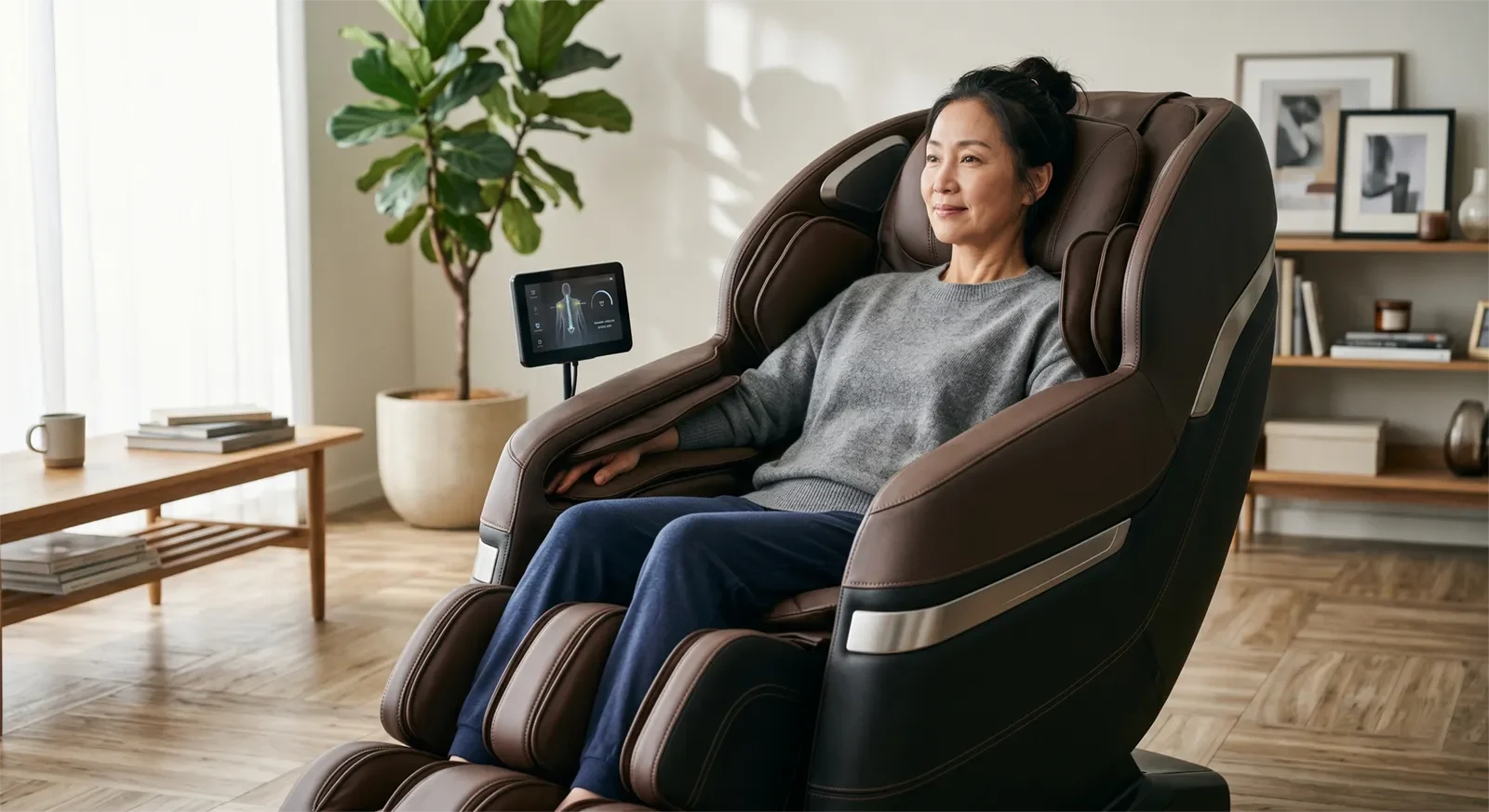
The best way to judge AI features is not by the label, but by the difference you notice while using the chair.
1. Less setup friction
A useful AI-style system can reduce the amount of manual adjustment you have to do before the massage starts. Instead of choosing every detail yourself, the chair may scan, position, and begin with a more fitted starting point.
2. Better session-to-session consistency
If the chair remembers your preferred recline angle, pressure settings, or favorite routine, the experience can feel more consistent and easier to repeat. That convenience is often more valuable than the AI label itself.
3. More personalized automatic routines
Some chairs use body scan data or program logic to change how a preset routine behaves. In real use, that can make the session feel more tailored, even when you are still using an automatic program rather than a manual mode.
4. Better recommendations, not magic
Some AI-labeled chairs suggest a course based on detected fatigue, posture, user history, or selected goals. That can be helpful, but it is still better understood as guided automation than as a chair that truly understands everything about your body.
What is real, what is useful, and what is mostly branding?
Usually real
- automatic shoulder detection
- backline scanning
- program recommendations
- saved user memory profiles
- automatic adjustment of pressure, pace, or position within preset limits
Usually useful
- faster setup
- better fit from one session to the next
- less manual tweaking
- easier use for households with multiple users
Often mostly branding
The broadest claims are usually the least helpful. Phrases that make AI sound like a complete replacement for chair fit, roller quality, or thoughtful product design should be taken carefully. A chair can use AI language and still depend heavily on its track design, roller mechanism, programs, and overall build to feel good in real use.
What AI does not tell you
This is where shoppers sometimes over-read the feature list. AI does not automatically tell you:
- how deep the rollers can massage
- how natural the massage rhythm feels
- how the dual-mechanism system works
- whether the chair is the right value for your budget
For example, roller motion and realism belong more to the 2D, 3D, and 4D discussion. If you want to understand that part better, see our guide to 2D vs 3D vs 4D massage chairs.
Likewise, a duo mechanism is a separate topic. It explains how two massage mechanisms can divide the work across different parts of the body. That is not the same thing as AI labeling, even if a brand markets both together. For that topic, read duo massage chairs explained.
When AI features tend to matter most
AI-style features usually matter most for shoppers who care about ease, convenience, and personalization without constant manual input.
You are more likely to notice the value if you:
- want the chair to do more of the setup automatically
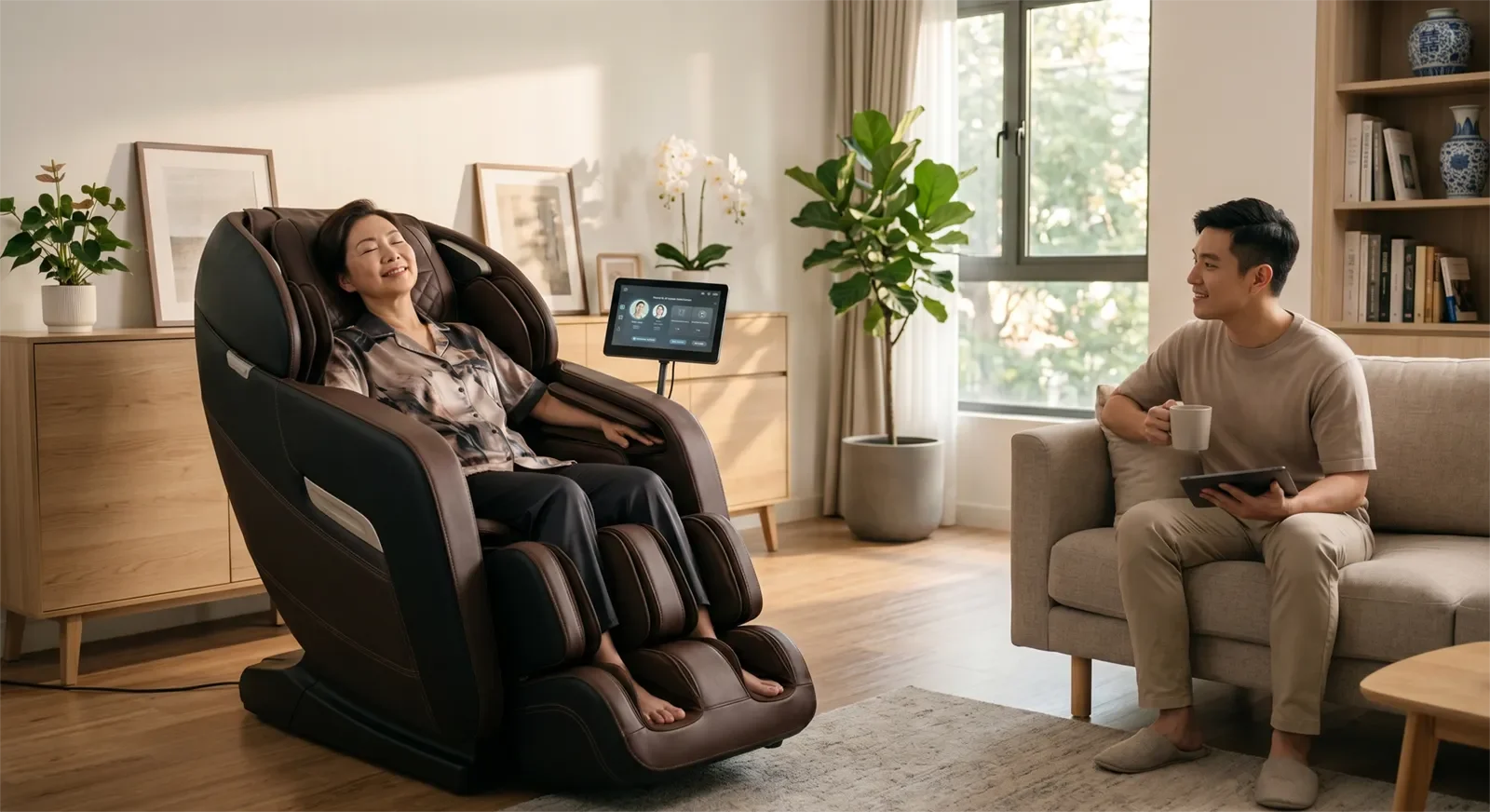
- share the chair with other family members
- prefer quick start-and-go sessions
- care about remembered settings and guided program selection
You may care less if you mostly plan to use manual controls and prefer to set everything yourself.
How to think about AI without getting lost in the hype
The safest way to evaluate AI massage chair claims is to ask a few simple questions:
- What is the chair actually measuring?
- What does it actually adjust automatically?
- Does it remember anything useful for future sessions?
- Does the feature reduce setup friction in a meaningful way?
If a product page cannot answer those questions clearly, then the AI label may be doing more marketing work than practical work.
If you are comparing premium chairs after learning the technology, our Best 4D Massage Chairs guide can help you place AI features next to roller feel, body scan, and real-world comfort. If you want the broader buying framework first, read how to choose the best massage chair for your home.
Frequently Asked Questions
What does AI mean in a massage chair?
In most cases, it means the chair uses body scan data, sensors, saved preferences, or preset logic to automatically adjust parts of the massage. It usually refers to adaptive automation, not human-like intelligence.
Are AI massage chairs actually useful?
They can be, especially if they reduce setup time, improve automatic fit, remember your preferences, or make auto programs feel more tailored. The value depends on what the chair actually changes, not just the AI label.
Is body scan the same thing as AI in a massage chair?
No. Body scan is one input that some AI-style systems use. It mainly maps shoulder position and backline so the massage can be placed more accurately. For the full body-scan topic, see our body scan explainer.
Does AI mean the chair has a duo mechanism or a better massage engine?
No. Those are separate features. AI may influence program behavior or automatic adjustment, but it does not automatically tell you how the massage mechanism is built. For that topic, see our duo mechanism guide.