
The best massage chairs for petite and short users are the ones that fit a smaller body correctly before they try to impress you with features. For shorter users, shoulder alignment, seat depth, foot and calf reach, and massage intensity matter more than a long list of premium settings.
Who this guide is for: Shorter, petite, or smaller-framed shoppers who worry that a massage chair may feel too deep, too long, too aggressive, or misaligned around the shoulders, neck, calves, or feet.
How this guide was prepared: This guide focuses on petite-user fit factors such as shoulder mapping, neck reach, seat depth, leg extension, foot and calf placement, body scan usefulness, and ease of adjustment. The goal is to help shorter buyers judge real fit before getting pulled into broad feature comparisons.
For petite and short users, a massage chair can look premium and still feel wrong. If the shoulders do not line up, the seat feels too deep, or the footrest extends beyond where your feet naturally rest, the massage may feel less accurate than it should.
This page stays focused on body fit for shorter users. For a broader buying framework, start with how to choose the best massage chair for your home. For this guide, the main job is narrower: help petite buyers understand what to check before choosing a chair.
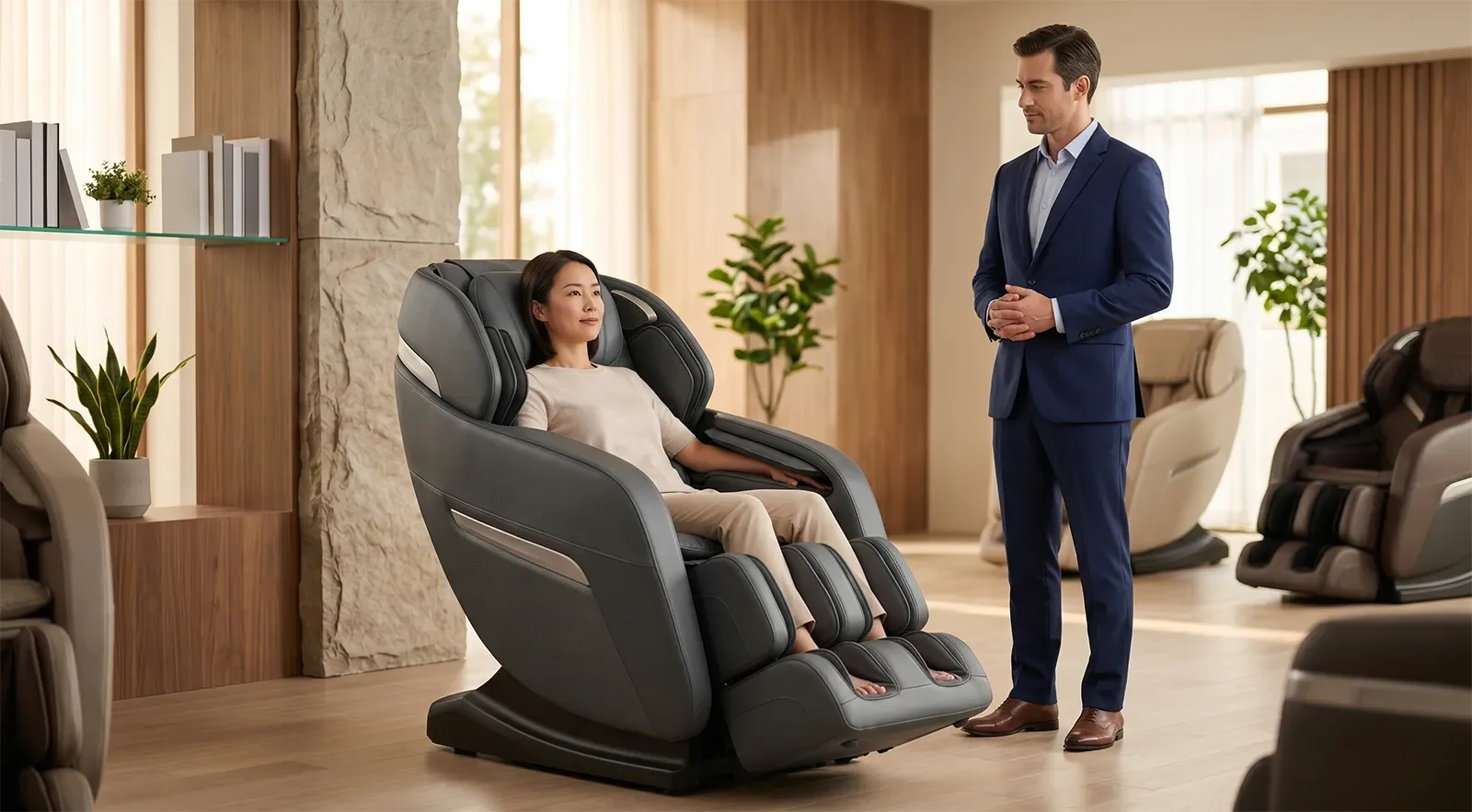
Table of Contents
- Why Petite Fit Should Come First
- Start With Shoulder Alignment
- Check Neck Reach Separately
- Why Seat Depth Matters
- Foot and Calf Reach
- Avoid Massage That Feels Too Aggressive
- Body Scan Helps, But It Cannot Fix Everything
- How Petite Buyers Should Build a Shortlist
- Frequently Asked Questions
- Related Guides
Why Petite Fit Should Come First
Petite shoppers should not start by asking which massage chair has the most technology. The better first question is whether the chair fits your body in the right places.
Many shorter users do not dislike massage chairs. They dislike chairs that are built around a larger body frame. When the massage points land too high, the seat feels too deep, or the leg section does not match your lower body, the chair can feel oversized even if the design looks impressive.
A good petite-friendly massage chair should help you relax into the chair naturally. You should not have to keep shifting your body just to make the rollers, airbags, or foot section land correctly.
Start With Shoulder Alignment
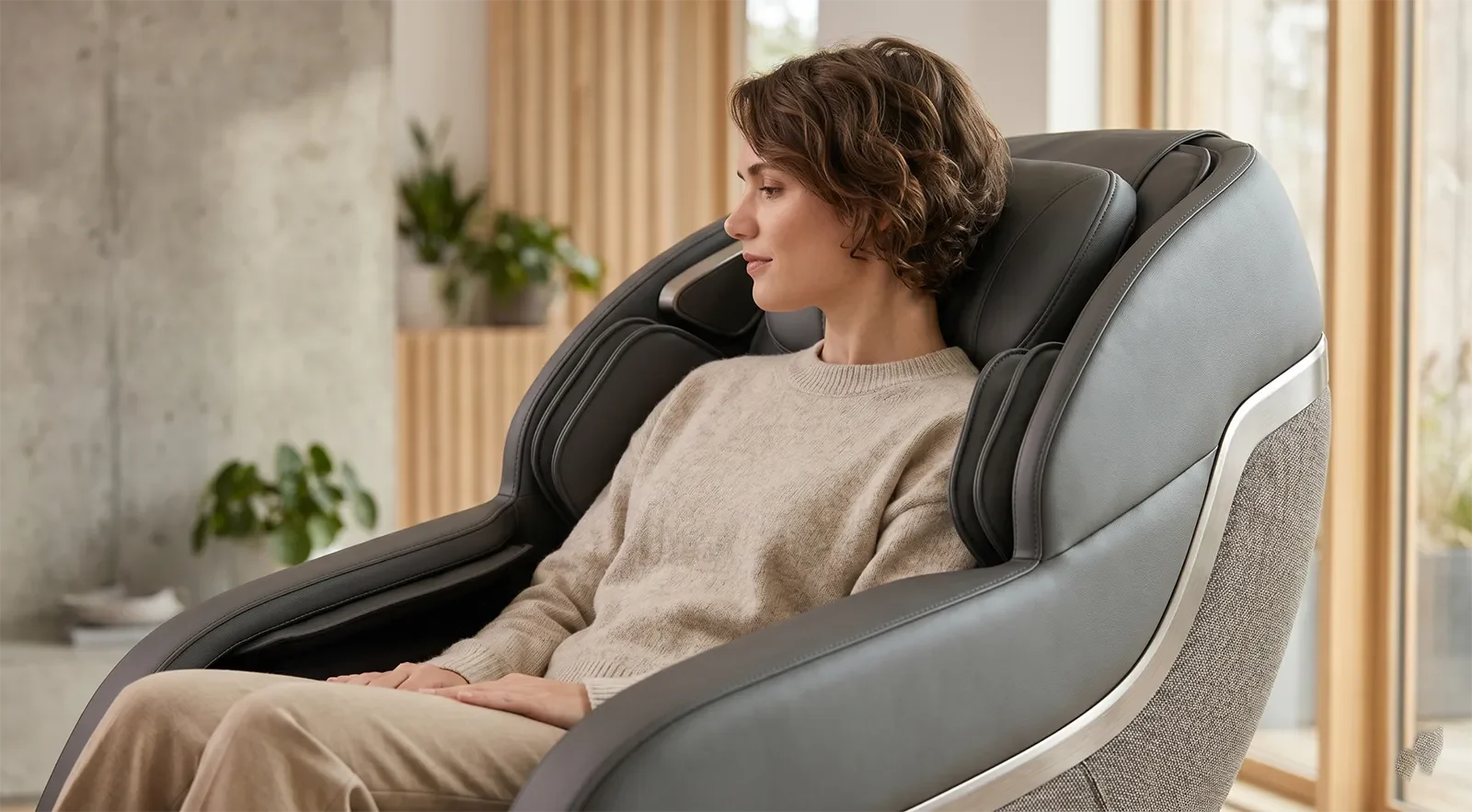
Shoulder alignment is one of the most important fit checks for short and petite users. If the upper massage zone sits too high, the chair may miss the shoulder area or press in a way that feels awkward.
Signs the shoulder fit may be wrong
- The massage feels like it is working above your shoulders instead of on them.
- You feel pressure too high across the upper back.
- You keep sliding or adjusting your body to make the chair feel accurate.
- The neck and shoulder area never feels fully settled.
This is why shoulder mapping matters. A chair that can better identify shoulder position may feel more natural for shorter users, especially when more than one person in the family will use the same chair.
Check Neck Reach Separately
Neck reach should be judged separately from general back coverage. A chair can feel active through the back but still miss the neck area for a shorter user.
For petite buyers, this detail matters because the neck and upper shoulder area is often where misalignment becomes most noticeable. If the rollers or massage head sit too high, the chair may feel like it is working near the right area but not quite where you need it.
When testing or comparing chairs, pay attention to whether the neck massage feels natural without forcing your posture. If you have to lift yourself, lean oddly, or sit in a position that does not feel relaxed, the fit may not be right.
Why Seat Depth Matters
Seat depth can change the entire experience for shorter users. If the seat is too deep, your back may not settle naturally against the chair, and your legs may not rest comfortably in the lower section.
Signs the seat may be too deep
- You feel like you are sitting “inside” the chair instead of comfortably supported by it.
- Your lower back does not settle naturally into position.
- Your knees, calves, or feet feel slightly stretched forward.
- The massage only feels right when you keep adjusting your posture.
Good seat depth helps the rest of the chair work better. When you sit in the right position naturally, shoulder alignment, back massage, calf placement, and foot rollers are easier to judge.
Foot and Calf Reach
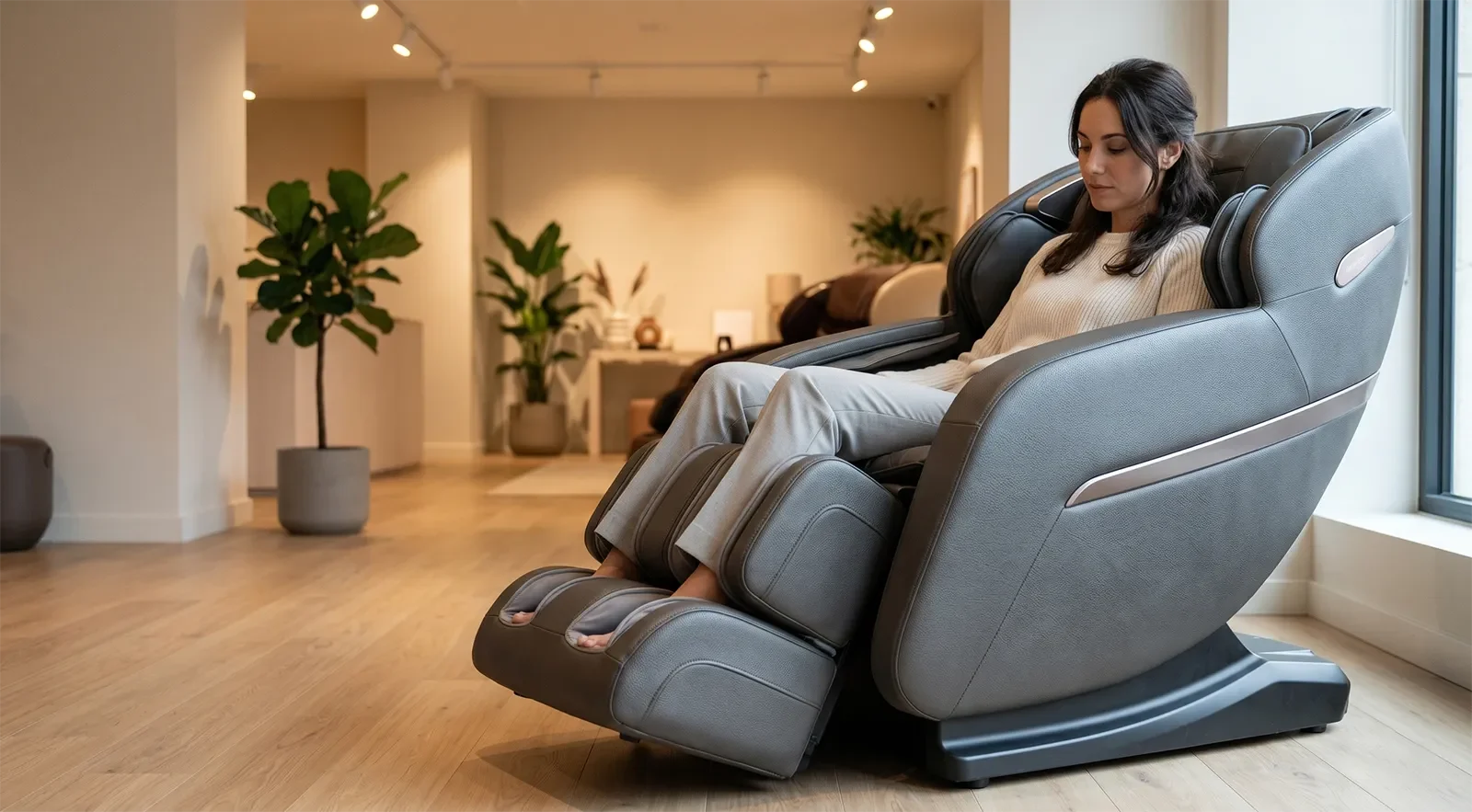
For petite and short users, the lower-body section can be just as important as the backrest. If the leg section is too long, your calves may not sit in the intended massage zone and your feet may not rest correctly on the rollers.
| Fit Area | What Petite Users Should Check |
|---|---|
| Shoulders | The upper massage zone should line up with your actual shoulder position. |
| Neck | The chair should reach the neck naturally without overshooting. |
| Seat depth | You should sit back comfortably without feeling stretched into position. |
| Calves | Your lower legs should rest in the intended compression or massage area. |
| Feet | Your feet should land naturally on the footrest or rollers. |
| Adjustment | The chair should be easy to fine-tune without constant trial and error. |
If the foot or calf area feels too long, do not dismiss it as a small issue. For shorter users, lower-body mismatch can make the chair feel less comfortable every time you use it.
Avoid Massage That Feels Too Aggressive
Petite users should also pay attention to massage intensity. A chair that feels strong and impressive to one person may feel too sharp, too deep, or too concentrated for a smaller frame.
This does not mean petite users should only choose gentle chairs. It means adjustability matters. Look for a chair that lets you soften intensity, choose calmer programs, adjust air compression, or avoid overly aggressive sessions when needed.
Helpful comfort checks
- Can the massage intensity be lowered easily?
- Do the auto programs include gentler options?
- Can air compression be adjusted or reduced?
- Does the chair feel relaxing after several minutes, not just impressive at first?
- Does the pressure feel controlled rather than sharp?
If you are sensitive to strong pressure, have health concerns, or are buying for an older family member, also review the massage chair health and safety guide before choosing a model.
Body Scan Helps, But It Cannot Fix Everything
Body scan can be useful for petite users because it helps the chair locate the user’s shoulder area and adjust the massage path more intelligently. For shorter buyers, that can make the chair feel more accurate than a model with very limited adjustment.
But body scan should not be treated as magic. It may improve alignment, but it cannot fully fix a chair that is physically too deep, too long, too wide, or too aggressive for your frame.
Use body scan as a supporting fit tool, not as the only reason to buy. For a deeper explanation, read massage chair body scan technology explained.

How Petite Buyers Should Build a Shortlist
Use fit as the first filter. Once the chair fits your body well, then the feature comparison becomes more useful.
- Check shoulder alignment first. The massage should not land too high.
- Test neck reach separately. Do not assume back coverage means good neck fit.
- Notice seat depth. You should feel naturally supported, not stretched into the chair.
- Check calf and foot placement. Your legs and feet should land in the intended massage zones.
- Test intensity control. The chair should not feel too aggressive for your body size.
- Look at adjustment simplicity. A good chair should be easy to fine-tune at home.
- Compare premium features last. Features only matter if the chair already fits well.
If you are comparing higher-end chairs, keep the same logic. A premium massage chair in the luxury $7,000 to $15,000 range should not just feel powerful. It should feel accurate, adjustable, and comfortable for the person using it.
What Petite Users Should Avoid
- A chair that feels too deep even before reclining.
- A shoulder massage that lands above your actual shoulder area.
- A footrest that your feet do not reach comfortably.
- Programs that feel too strong with no easy way to soften them.
- Buying only because the chair has more features than another model.
- Assuming body scan can fix a chair that does not physically fit your frame.
For shorter users, the right massage chair should feel natural without too much effort. If the chair only works when you constantly adjust yourself, it may not be the right fit.
When a Petite-Friendly Chair Is Worth Paying More For
A petite-friendly chair may be worth paying more for when it offers better body alignment, smoother adjustment, more comfortable intensity control, a better leg and foot fit, and stronger long-term support.
That does not mean shorter buyers should automatically choose the most expensive model. It means the value should come from fit and comfort, not just technology claims. If two chairs look similar on paper, the one that fits your shoulders, seat position, calves, and feet better will usually be the smarter choice.
Once the fit is right, then warranty, service, and ownership support become important. For that part of the decision, see massage chair warranty and in-home service.
Frequently Asked Questions
What makes a massage chair good for petite and short users?
A good massage chair for petite users should fit the shoulders, neck, seat depth, calves, and feet correctly. It should also offer enough adjustment so the massage does not feel too high, too long, or too aggressive.
Why does shoulder alignment matter so much?
If the shoulder position is wrong, the upper massage may land too high or miss the target area. For shorter users, even a small mismatch can make the chair feel less natural.
Can body scan fix a chair that feels too large?
Not completely. Body scan can help improve alignment, but it cannot fully correct a chair that is physically too deep, too long, or poorly matched to a smaller frame.
Should petite users avoid strong massage chairs?
Not always. Petite users do not need to avoid strong chairs completely, but they should look for good intensity control, gentler programs, and easy adjustment. The massage should feel controlled, not harsh.
Is seat depth important for short users?
Yes. If the seat is too deep, your body may not settle into the chair naturally. That can affect shoulder alignment, lower-back support, calf placement, and foot reach.
Should I test foot and calf fit before buying?
Yes. For shorter users, foot and calf reach can make a major difference. Your calves and feet should rest naturally in the intended massage areas instead of feeling stretched or misplaced.
If petite fit is your main concern, compare massage chairs by shoulder alignment, seat depth, foot and calf reach, and intensity control before comparing broad feature lists. For help choosing a chair that fits a shorter frame comfortably, contact Tittac or visit the showroom for a fit-focused recommendation.