
If you are choosing between JPMedics Kumo and Osaki Maestro LE 2.0, the real decision is Japanese-crafted feel versus feature-rich 4D customization. Choose Kumo if you want a crafted-in-Japan JPMedics chair with a refined massage feel, heated 4D rollers, advanced scanning, heated knee therapy, and strong air compression. Choose Maestro LE 2.0 if you want more adjustment control, app/tablet convenience, calf massage, and a highly customizable Osaki 4D experience.
Who This Guide Is For
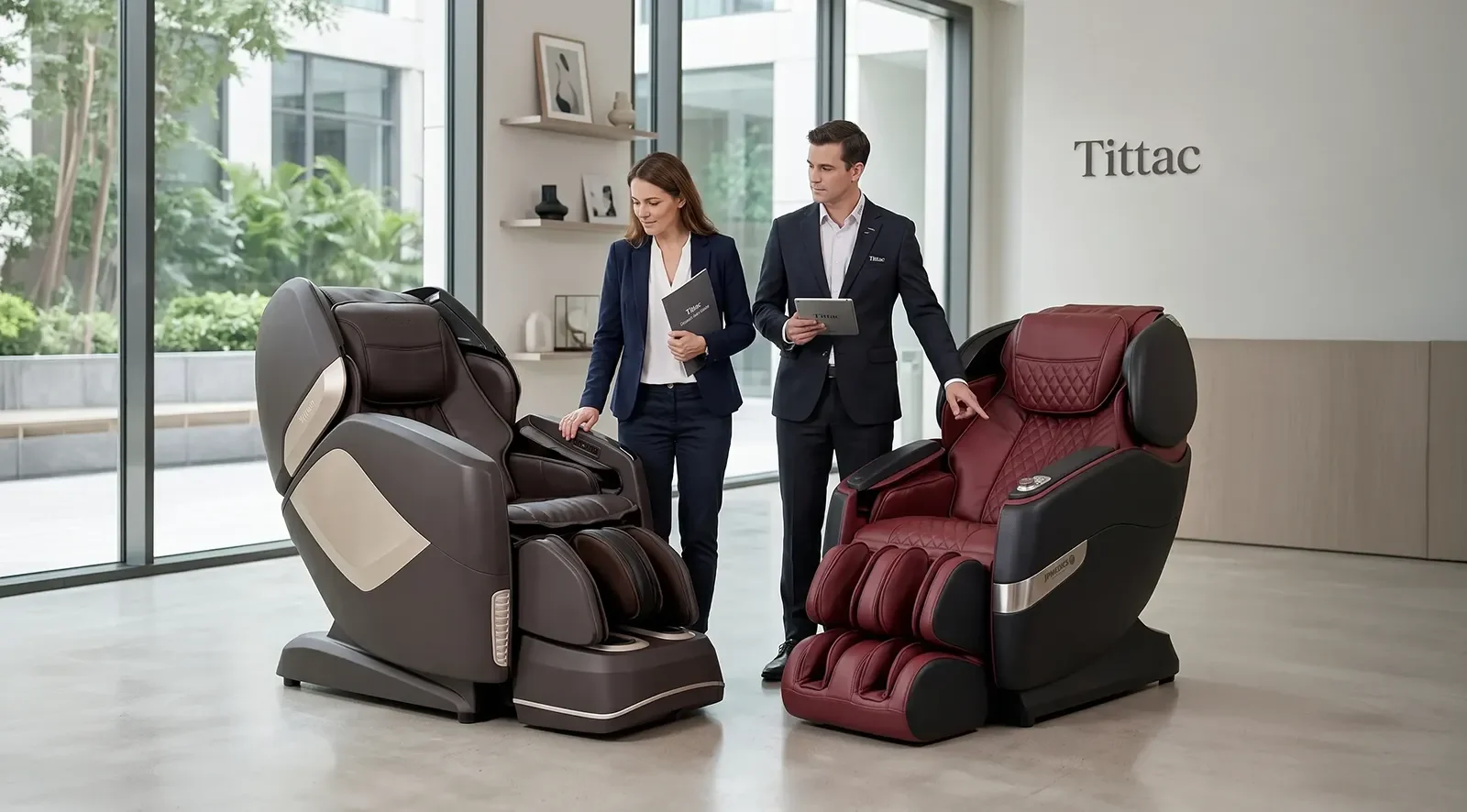
This guide is for shoppers comparing JPMedics Kumo and Osaki OS-Pro Maestro LE 2.0. Both are premium massage chairs, but they are built for different kinds of buyers.
Kumo is for customers who value Japanese craftsmanship, trust, heated roller comfort, body-aware scanning, and a more refined massage feel. Maestro LE 2.0 is for customers who want more 4D adjustment, more control options, app and touchscreen convenience, and a feature-rich massage chair experience.
How This Guide Was Prepared
This comparison focuses on the features that affect everyday use: massage feel, 4D adjustment, track design, body coverage, heat, calf comfort, air compression, controls, and buyer fit. Kumo and Maestro LE 2.0 are both strong chairs, but they should not be judged by the same standard. Kumo is the Japanese/JPMedics crafted-feel choice. Maestro LE 2.0 is the Osaki customization and convenience choice.
Quick Comparison Table
| Model | Best For | Massage System | Track | Controls | Key Strength |
|---|---|---|---|---|---|
| JPMedics Kumo | Buyers who want Japanese-crafted feel and trust | 4D heated rollers | 44-inch L-Track | Voice activation | Crafted in Japan, advanced scanning sensor, heated knee therapy, 64 airbags |
| Osaki Maestro LE 2.0 | Buyers who want more 4D adjustment and tech convenience | Upgraded 4D mechanism | L/S Track | App control, touchscreen tablet, wireless charger | 8 levels of 4D adjustment, 5 strength settings, 5 intensity levels, 5 speed options |
The simple answer: Kumo is the better fit if your priority is Japanese-crafted trust and a refined massage feel. Maestro LE 2.0 is the better fit if you want more ways to adjust the massage and prefer a modern Osaki chair with app control, touchscreen tablet convenience, calf massage, and wireless charging.
Kumo Overview: Japanese-Crafted Comfort and Trust
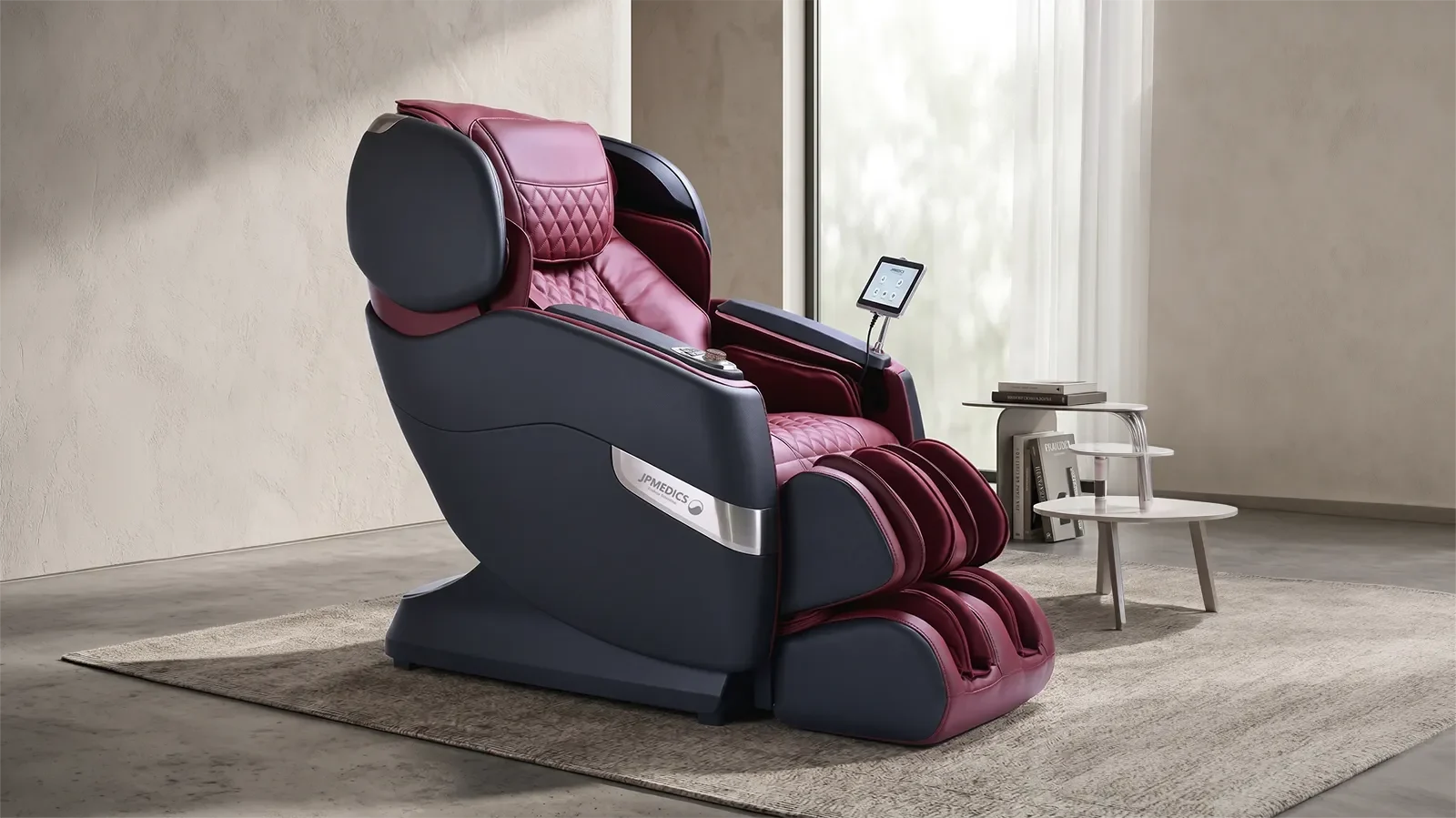
The JPMedics Kumo is built for buyers who want a premium Japanese-positioned massage chair with a more refined, controlled feel. Its appeal is not just the number of features. It is the way those features support a calmer, more polished massage experience.
Kumo is crafted in Japan and includes a 44-inch L-Track, 4D heated rollers, an advanced scanning sensor, heated knee therapy, 64 airbags, and voice activation. These features make it a strong choice for customers who value Japanese craftsmanship, body-aware scanning, heat comfort, and air compression coverage.
Kumo is especially suitable for buyers who do not want a chair that feels overly complicated. It gives you premium comfort features, but its identity stays clear: Japanese-crafted feel, trusted construction, and a massage experience focused on refinement.
Maestro LE 2.0 Overview: Feature-Rich 4D Customization
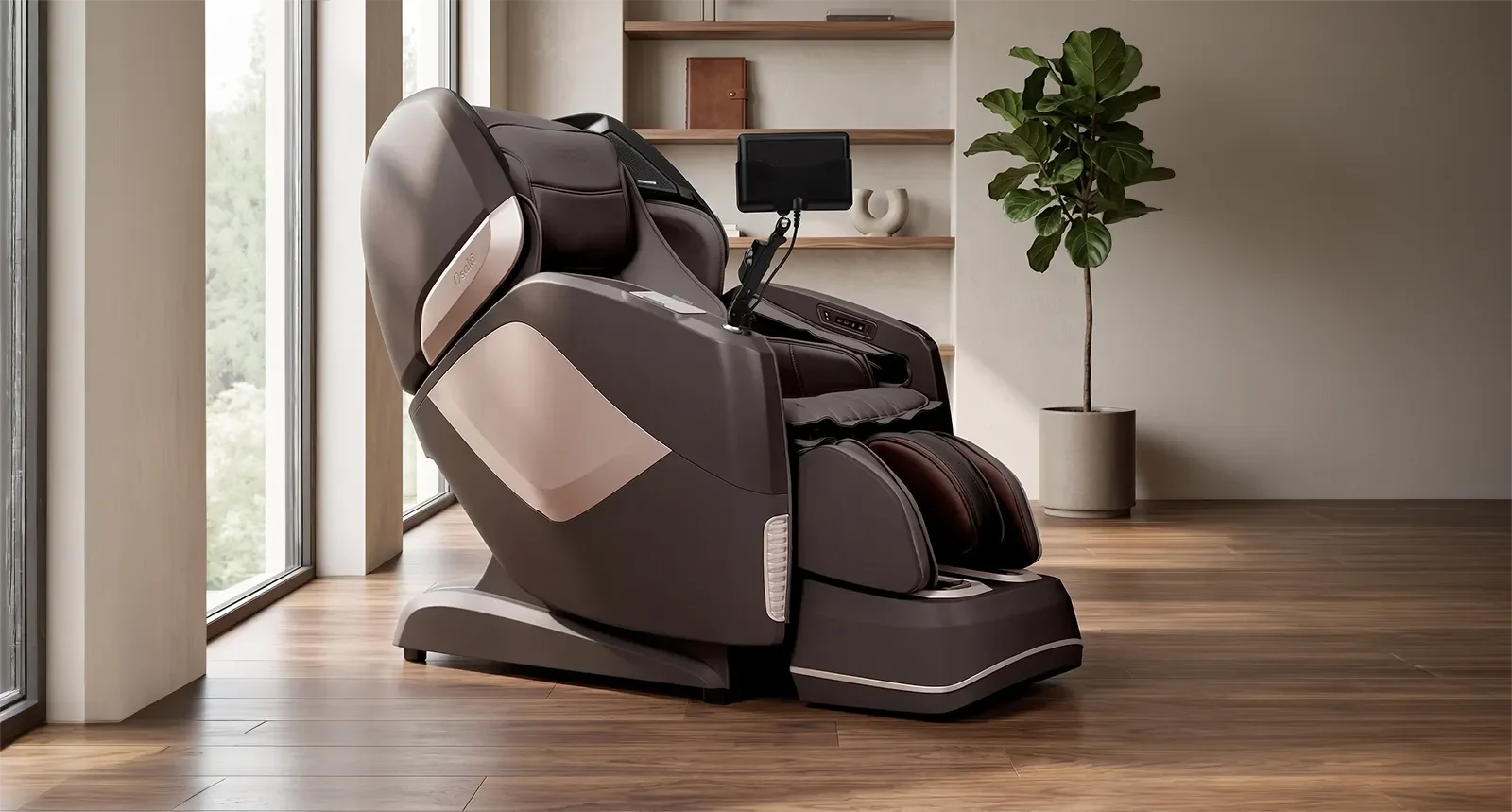
The Osaki OS-Pro Maestro LE 2.0 is a different kind of premium chair. It is not the Japanese-crafted option in this comparison. It is the feature-rich Osaki choice for buyers who want more control and more ways to personalize the massage.
Maestro LE 2.0 includes an upgraded 4D mechanism, 8 levels of 4D adjustment, 5 strength settings, 5 intensity levels, 5 speed options, L/S Track, heated rollers, body scan, calf massage, app control, touchscreen tablet, and wireless charger.
Its strongest buyer is someone who likes customization. If you want to adjust depth, strength, intensity, speed, and control style more actively, Maestro LE 2.0 gives you more tuning options than Kumo.
Japanese-Crafted Feel vs Feature-Rich Customization
This is the main difference between these two chairs. Kumo is about Japanese-crafted feel. Maestro LE 2.0 is about feature-rich customization.
Kumo appeals to buyers who trust the Japanese massage chair category and want the chair to feel refined, steady, and body-aware. Its 4D heated rollers, advanced scanning sensor, heated knee therapy, and 64 airbags support that premium Japanese/JPMedics identity.
Maestro LE 2.0 appeals to buyers who like control. Instead of relying mainly on a refined default feel, it gives you more ways to adjust the massage to your body, mood, and preference.
Neither approach is automatically better. The right choice depends on whether you value crafted feel and trust more, or adjustment range and technology convenience more.
4D Adjustment Comparison
Kumo uses 4D heated rollers. Its massage identity is built around roller depth, warmth, and a smoother Japanese-crafted feel. The heated roller design can make the back massage feel more soothing and natural for buyers who enjoy warmth built directly into the roller experience.
Maestro LE 2.0 has the stronger adjustment story. It offers 8 levels of 4D adjustment, 5 strength settings, 5 intensity levels, and 5 speed options. That gives users more control over how deep, strong, fast, or intense the massage feels.
If you want a premium chair that feels refined without requiring constant adjustment, Kumo may be the better fit. If you want to fine-tune the massage often, Maestro LE 2.0 has the advantage.
Track and Body Coverage
Kumo uses a 44-inch L-Track, helping the rollers travel from the upper back down toward the glutes. This track style supports a fuller back and seat-area massage, which is important for buyers who want coverage beyond the shoulders and mid-back.
Maestro LE 2.0 uses an L/S Track design. Its strength is not only body coverage, but the way that coverage combines with adjustable 4D control, body scan, and multiple strength, speed, and intensity options.
Track type is important, but it should not be judged alone. Shoulder mapping, roller behavior, program design, and how the chair fits your body all affect the final feel. Kumo may appeal more to someone who wants Japanese precision. Maestro LE 2.0 may appeal more to someone who wants adjustable control across the massage path.
Heat and Comfort Features
Kumo has a strong comfort profile because it combines 4D heated rollers with heated knee therapy. This gives it a clear appeal for buyers who care about warmth in both the back and lower body.
Kumo also includes 64 airbags, which gives it strong air compression coverage. If you like the wraparound squeeze-and-release feeling of air massage, this is one of Kumo’s biggest advantages.
Maestro LE 2.0 also includes heated rollers, body scan, and calf massage. Its comfort story is more about combining heat, calf support, and adjustable 4D control into one feature-rich package.
These features are best understood as comfort and relaxation features for home use. They should not be treated as medical diagnosis or treatment tools.
Controls and Ease of Use
Kumo includes voice activation, which can make simple control easier for some family members. This is useful for users who prefer quick commands instead of navigating through a screen or app every time.
Maestro LE 2.0 has the more modern control package. App control, a touchscreen tablet, and a wireless charger make it feel more tech-forward and convenient for buyers who like digital controls.
For older users or customers who prefer fewer decisions, Kumo may feel easier. For users who enjoy adjusting settings, using app controls, and working with a tablet-style interface, Maestro LE 2.0 may feel more natural.
Who Should Choose Kumo?
Choose JPMedics Kumo if you want the Japanese-crafted choice in this comparison. Kumo makes the most sense if you value crafted-in-Japan trust, a refined massage feel, 4D heated rollers, a 44-inch L-Track, advanced scanning, heated knee therapy, 64 airbags, and voice activation.
Kumo is also a strong fit if you want a premium chair that feels polished without requiring too much adjustment. It is for the buyer who cares more about Japanese-crafted feel and long-term confidence than having the longest list of digital controls.
Who Should Choose Maestro LE 2.0?
Choose Osaki Maestro LE 2.0 if you want more customization and a more tech-forward control experience. It is the better fit if you care about 8 levels of 4D adjustment, 5 strength settings, 5 intensity levels, 5 speed options, app control, touchscreen tablet use, calf massage, heated rollers, and wireless charging convenience.
Maestro LE 2.0 is for the buyer who wants to fine-tune the massage instead of relying mostly on the chair’s default feel. It is not the Japanese-crafted choice, but it is the stronger feature-customization choice.
FAQ
Is JPMedics Kumo better than Osaki Maestro LE 2.0?
Kumo is better if you want a crafted-in-Japan JPMedics chair with a refined Japanese massage feel, heated 4D rollers, advanced scanning, heated knee therapy, 64 airbags, and voice activation. Maestro LE 2.0 is better if you want more 4D adjustment levels, app control, touchscreen tablet convenience, calf massage, and broader customization.
Is Maestro LE 2.0 a Japanese massage chair?
No. Maestro LE 2.0 should be understood as an Osaki feature-rich premium chair, not a crafted-in-Japan JPMedics chair. It competes through customization, controls, and convenience features rather than Japanese-crafted positioning.
Which chair has more customization?
Maestro LE 2.0 has more customization. It offers 8 levels of 4D adjustment, 5 strength settings, 5 intensity levels, and 5 speed options, along with app control and a touchscreen tablet.
Which chair has the stronger Japanese-crafted feel?
Kumo has the stronger Japanese-crafted identity because it is a JPMedics chair crafted in Japan. It is better suited for buyers who value Japanese massage chair trust, feel, and refinement.
Which chair is better for heat comfort?
Both chairs include heated roller comfort, but Kumo stands out with 4D heated rollers and heated knee therapy. Maestro LE 2.0 also includes heated rollers and adds stronger customization through its upgraded 4D control system.
Which chair is easier for family use?
Kumo may feel easier for families who prefer a refined chair with voice activation and fewer settings to manage. Maestro LE 2.0 may be better for families who like tablet control, app control, and more ways to personalize each session.
Need Help Choosing Between Kumo and Maestro LE 2.0?
If you want Japanese-crafted feel, Kumo is the cleaner choice. If you want more adjustment, more control options, and a feature-rich Osaki experience, Maestro LE 2.0 may fit you better.
Contact Tittac and tell us your height, massage preference, room size, and whether you care more about Japanese-crafted refinement or 4D customization. We can help you compare both chairs clearly and check current private offers, bundle gifts, and in-store or phone-only promotions.