







What Are Chakras? The 7 Energy Centers & Best Stones for Each
By Thao Nguyen
Who this guide is for: Beginners who want a clear, calm explanation of the chakra system and a practical introduction to how people often pair stones or jewelry with each center.
How this guide was prepared: This guide was refreshed using the existing Tittac page as the base, then tightened with the chakra subcluster’s ownership rules so it stays introductory, practical, and non-medical. We limited claims to symbolic and widely used chakra associations rather than presenting chakras or stones as scientific facts.
What are chakras? In plain English, chakras are traditionally described as seven energy centers that many people use as a symbolic framework for reflection, mindfulness, and personal intention. This framework is commonly used in spiritual or wellness settings rather than as a medical model.
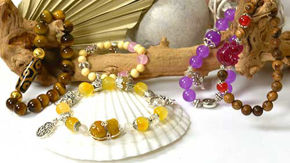
If you are new to chakra jewelry, this page is meant to orient you, not overwhelm you. It explains the seven centers at a high level, shows how people often connect colors and stones to each one, and then points you to deeper guides only where needed. For broader stone symbolism, see Healing Stones & Crystal Meanings. For choosing between a single-focus piece and a full-spectrum piece, see our chakra bracelet guide.
Quick Answer
Chakras are traditionally understood as seven energy centers, each commonly associated with a different theme such as grounding, creativity, confidence, love, expression, insight, or awareness. Many people use chakra jewelry as a symbolic reminder of the quality they want to focus on. You do not need to treat chakras as scientific body parts for the system to feel meaningful as a mindfulness or personal-reflection tool.
Table of Contents
What chakras are in plain English
The word chakra is often translated as “wheel,” and the chakra system is commonly described as a set of seven centers running from the base of the spine to the top of the head. In modern wellness language, people often use this system as a way to think about different human themes: feeling grounded, expressing yourself clearly, opening to compassion, or developing a stronger sense of perspective.
This overview keeps the idea simple on purpose. It is not trying to prove chakras scientifically, and it is not trying to turn the system into an absolute rulebook. For many readers, the value is practical: it gives a gentle structure for reflection, meditation, journaling, color symbolism, or jewelry choices without needing to become overly mystical.
The seven centers
Here is the overview-level map of the seven chakras. Each one has a deeper tradition behind it, but this page stays introductory so you can understand the full system first before going into any single chakra in detail.
| Chakra | Often linked with | Colors people often choose | Introductory stone examples |
|---|---|---|---|
| Root | Grounding, safety, stability | Red, black | Black Tourmaline, Hematite, Red Jasper |
| Sacral | Creativity, emotion, flow | Orange | Carnelian, Orange Calcite, Sunstone |
| Solar Plexus | Confidence, direction, personal power | Yellow | Citrine, Tiger’s Eye, Yellow Jasper |
| Heart | Love, compassion, balance | Green, pink | Rose Quartz, Green Aventurine, Rhodonite |
| Throat | Expression, honesty, communication | Blue | Blue Lace Agate, Aquamarine, Sodalite |
| Third Eye | Insight, perspective, intuition | Indigo | Amethyst, Lapis Lazuli, Fluorite |
| Crown | Awareness, meaning, connection | White, clear, violet | Clear Quartz, Selenite, Amethyst |
These are introductory examples, not fixed rules or guaranteed “best” choices. This parent page is meant to orient you to the system as a whole. If you want to explore one chakra more deeply, it is better to use a dedicated guide than to force all that depth into this overview page.
For the clearest next steps, go directly to the child pages that own those topics: Root Chakra Guide, Heart Chakra Guide, Throat Chakra Guide, and Third Eye Chakra Guide.
How people match stones to chakras
Most people start with symbolism. A stone may be chosen because its color traditionally matches a chakra, because its meaning is often associated with that center, or because the person simply feels drawn to it. Green and pink stones, for example, are often chosen for Heart themes, while blue stones are often chosen for Throat themes.
There is no single mandatory system. Many people use chakra stones as visual or tactile reminders rather than as objects that “do” something on their own. That is why comfort, wearability, and personal meaning matter as much as color charts. If you want a broader stone-by-stone foundation before narrowing to chakras, start with Healing Stones & Crystal Meanings.
How to choose one chakra to focus on
The easiest mistake is trying to work on everything at once. A simpler and more useful approach is to focus on one area that feels relevant in real life right now.
- If you feel scattered or unsettled, many people begin with Root themes. For a deeper introductory page, see the Root Chakra Guide.
- If communication feels blocked or you want to speak more clearly, Throat themes may feel more relevant. The next step is the Throat Chakra Guide.
- If you want to explore compassion, connection, or emotional openness, many people start with Heart themes. That deeper overview belongs in the Heart Chakra Guide.
- If you are drawn to perspective, intuition, or inner clarity, the more focused next step is the Third Eye Chakra Guide.
If your real question is not “Which chakra is this?” but “Should I wear a one-chakra piece or a seven-chakra piece?” that choice belongs on What Is a Chakra Bracelet? A Beginner’s Guide to 7 Chakra Jewelry, which owns the chooser role for this subcluster.
Simple practices
You do not need an elaborate ritual to work with chakra jewelry. Simple, repeatable habits are usually more practical and easier to keep.
- Set one intention: Choose one theme such as steadiness, compassion, or clearer communication.
- Wear or hold one piece consistently: A bracelet, pendant, or small stone is often enough.
- Pair it with one real-world action: Journal for a few minutes, take several slow breaths, or pause before a difficult conversation.
- Notice patterns over time: Ask whether the practice helps you feel more aware, centered, or deliberate in daily life.
Many people use chakra jewelry this way: not as a magic shortcut, but as a personal cue that supports mindfulness and follow-through.
Common myths to avoid
- Myth: You need all seven stones to begin.
Better view: One meaningful piece is often easier to use and understand consistently. - Myth: There is only one correct stone for each chakra.
Better view: Traditional associations exist, but personal comfort and symbolism still matter. - Myth: Chakra work has to be deeply spiritual to be useful.
Better view: Many people use the framework as a mindfulness or reflection tool without adopting a formal spiritual belief system. - Myth: Chakra jewelry should replace practical support or professional care.
Better view: It is better understood as a symbolic companion to reflection, not a substitute for medical, mental health, or other professional care. - Myth: An overview page should answer every detailed chakra question.
Better view: This page is designed to orient you first, then hand off to the right child pages for deeper reading.
Frequently Asked Questions
Are chakras scientific body parts?
No. Chakras are generally understood as part of a traditional spiritual framework, not as anatomical structures recognized in modern medicine. Many people still find the system useful as a symbolic way to reflect on different areas of life.
Do I need seven stones?
No. Many people begin with one stone or one piece of jewelry tied to the theme they want to focus on most. A full seven-stone design is one option, not a requirement.
What if I dislike the recommended color?
That is completely fine. Traditional color associations can be helpful, but they are not rules you must follow. Many people choose a stone because its feel, symbolism, or overall look suits them better.
Can I use chakras without spiritual belief?
Yes. Some people approach chakras spiritually, while others use the system more like a mindfulness prompt or reflective framework. You can engage with it at the level that feels natural to you.
Which jewelry type works best?
The best type is usually the one you will actually wear or use. Bracelets are practical for daily reminders, while pendants may feel more personal for some readers. If you want help choosing between jewelry styles and chakra formats, see our chakra bracelet guide.
How often should chakra jewelry be cleansed?
There is no universal rule. Many people cleanse or reset their jewelry whenever it feels meaningful to do so, such as after an intense period or as part of a regular personal practice. Keep those routines gentle, practical, and suitable for the material of the jewelry.
Disclaimer
This article is for symbolic, spiritual-wellness, and mindfulness-oriented education only. It is not medical treatment or medical advice. Chakra practices and stone jewelry are often used as personal supports for intention and reflection, but they should not be understood as diagnosing, treating, curing, or preventing health conditions.
Related Posts
- What Is a Chakra Bracelet? A Beginner’s Guide to 7 Chakra Jewelry
- Root Chakra Guide
- Heart Chakra Guide
- Healing Stones & Crystal Meanings
If this overview helped you identify the part of the chakra system you want to explore next, follow the path that matches your real question: use Healing Stones & Crystal Meanings for broader stone symbolism, go to the chakra bracelet guide if you are choosing jewelry, or move into a dedicated chakra page if you want to focus on one center in more depth.