
The best massage chairs for tall people are the ones that fit your height before they try to impress you with features. For taller users, shoulder height, neck and trap reach, roller coverage, leg extension, foot placement, seat width, and overall support matter more than a long list of massage programs.
Who this guide is for: Taller shoppers who are worried that a massage chair may feel too short, too narrow, misaligned, or unable to reach the shoulders, neck, calves, or feet correctly.
How this guide was prepared: This guide focuses on tall-user fit factors such as shoulder height, neck and trap reach, roller travel, ottoman extension, calf and foot coverage, seat width, and overall support. The goal is to help taller buyers judge real body fit before comparing broader technology or luxury features.
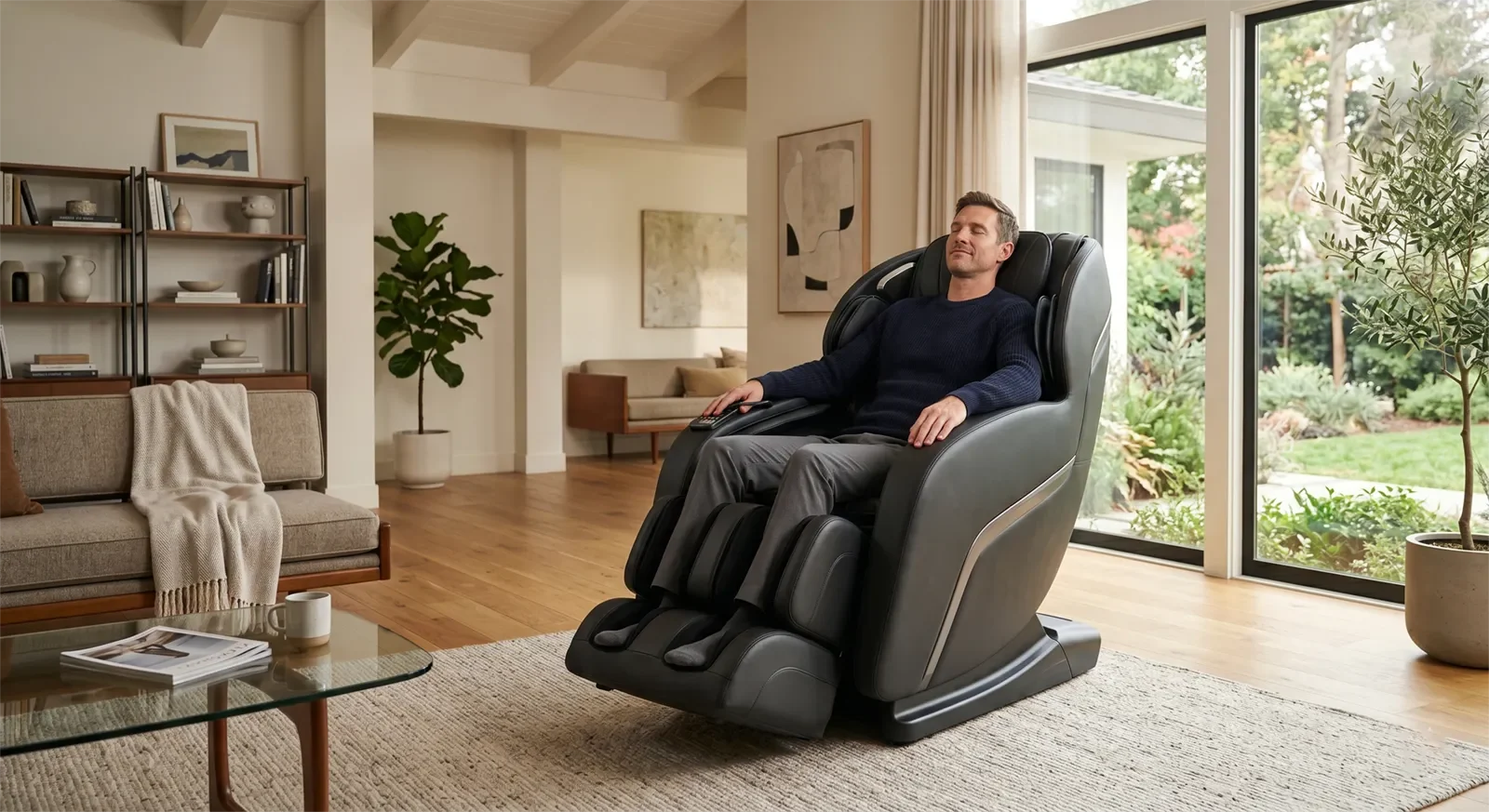
For tall users, a massage chair can sound advanced and still feel wrong. If the shoulder area sits too low, the neck massage stops short, or the leg section cannot extend comfortably, the chair may never feel fully natural no matter how strong the feature list looks.
This guide stays focused on body fit for taller users. For a wider buying framework, start with how to choose the best massage chair for your home. For this article, the main job is narrower: help tall buyers understand what to check before choosing a chair.
Table of Contents
- Why Tall Fit Should Come First
- Start With Shoulder Height
- Check Neck and Trap Reach
- Roller Reach and Upper-Back Coverage
- Ottoman Length and Leg Extension
- Calf and Foot Fit
- Seat Width and Overall Support
- Body Scan Helps, But Fit Still Comes First
- How Tall Buyers Should Build a Shortlist
- Frequently Asked Questions
- Related Guides
Why Tall Fit Should Come First
Tall shoppers should not begin by comparing every massage mode, heating feature, or technology label. The first question is simpler: does the chair physically match your height and proportions?
Many taller users are disappointed by massage chairs because the fit is slightly off. The chair may massage the mid-back well but miss the upper shoulders. The leg section may feel too short. The seat may feel narrow. The footrest may not allow the lower body to relax naturally.
When those fit points are wrong, premium features cannot fully save the experience. A massage chair should meet your body first. Features only matter after the chair lines up correctly.
Start With Shoulder Height
Shoulder height is one of the first things tall buyers should check. If the backrest or roller path does not reach high enough, the massage may land below the shoulders instead of working the upper back, traps, and neck area properly.
Signs the shoulder fit may be wrong
- The massage feels too low across the upper back.
- The shoulder area feels partly missed.
- The neck and trap area does not get enough coverage.
- You feel like you need to slide down or change posture to make the chair work.
- The chair feels comfortable in the lower back but incomplete up top.
For tall users, this is one of the clearest signs that a chair may be too short for the body. It is not just a comfort issue. It changes whether the massage reaches the areas taller users often care about most.
Check Neck and Trap Reach
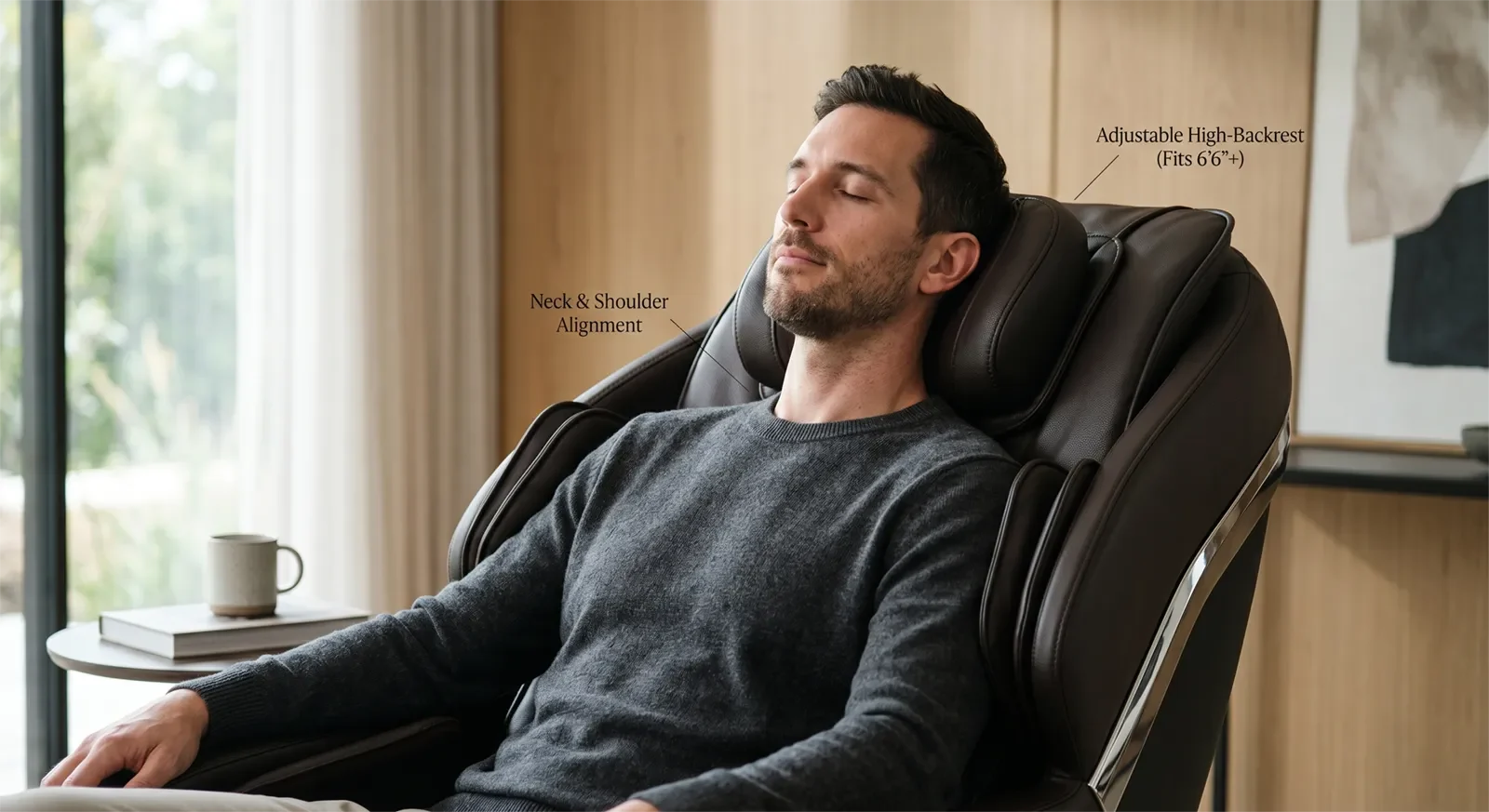
Neck and trap reach should be checked separately from general back coverage. A massage chair can feel active across the back and still fail to reach high enough for a taller person’s neck and upper shoulders.
This is especially important if you carry tension around the upper back, shoulders, or base of the neck. If the chair stops too low, the massage may feel strong but incomplete.
When comparing chairs, pay attention to where the massage actually lands. Do not rely only on claims about full-body massage or long track design. The practical question is whether the chair reaches your body where you need it to reach.
Roller Reach and Upper-Back Coverage
Roller reach matters because tall users often need more usable travel through the upper section of the chair. The chair should not only reach the lower back and hips. It should also provide useful coverage through the upper back and shoulder area.
This does not mean every tall buyer needs the most aggressive massage mechanism. It means the roller path, body scan, and chair shape should work together so the massage does not feel too low or too short.
If you are comparing mechanism types after confirming fit, read 2D vs 3D vs 4D massage chairs. But do not let 3D or 4D language distract you before you know whether the chair fits your height.
Ottoman Length and Leg Extension
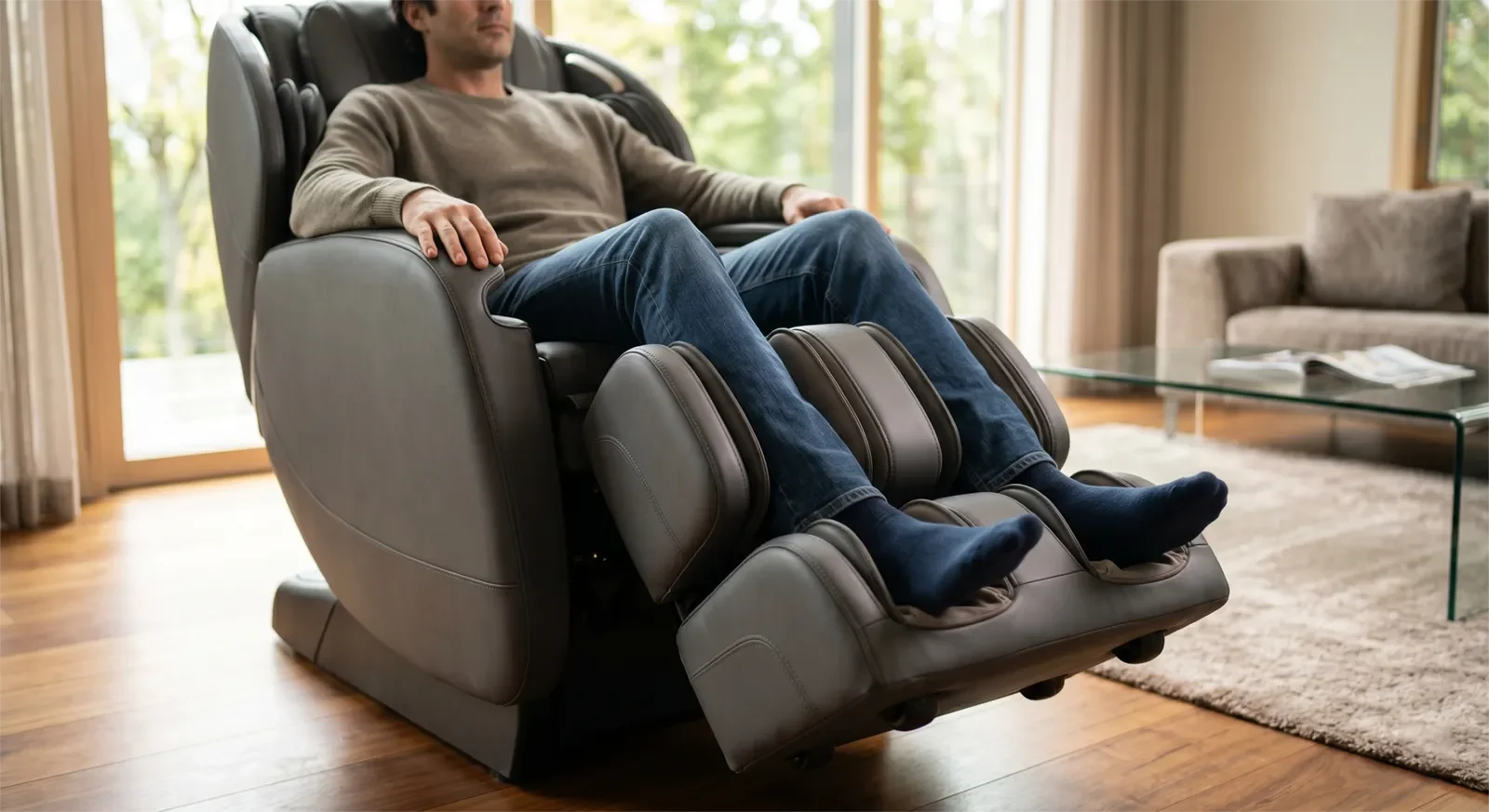
Leg fit is the next major checkpoint. For tall users, the ottoman or leg section needs enough extension so the knees, calves, ankles, and feet can settle naturally.
Signs the ottoman may be too short
- Your knees feel crowded or overly bent.
- Your calves do not sit in the intended massage area.
- Your feet feel pushed forward, cramped, or partly unsupported.
- You cannot relax your legs without adjusting your posture.
- The chair feels like it was built around a shorter user.
Even if the back massage feels good, poor leg extension can make the whole chair feel uncomfortable. A taller buyer should never treat lower-body fit as a small detail.
Calf and Foot Fit
Calf and foot fit can make or break the experience for tall users. If your calves and feet do not land in the correct zones, the lower-body massage may feel weak, misplaced, or uncomfortable.
| Fit Area | What Tall Users Should Check |
|---|---|
| Shoulders | The upper massage zone should reach shoulder level instead of stopping below it. |
| Neck and traps | The chair should reach high enough to feel complete in the upper body. |
| Roller reach | The massage path should provide useful coverage through the upper back. |
| Ottoman length | The leg section should extend enough without crowding the knees. |
| Calves | Your lower legs should sit naturally in the intended massage or compression area. |
| Feet | Your feet should rest comfortably without feeling pushed, cramped, or unsupported. |
| Width | The chair should feel supportive, not narrow or restrictive. |
If several of these areas feel off, the chair may not be a good tall-user fit even if the feature list looks strong.
Seat Width and Overall Support
Tall users do not all have the same build, so width and support should also be part of the decision. A chair can be tall enough in the backrest but still feel narrow through the shoulders, arms, hips, or seat.
Weight capacity matters, but it should not be the only support measure you look at. A chair can technically support your weight and still feel too tight or poorly matched to your frame.
What to notice
- Does the seat feel supportive without squeezing the hips?
- Do the shoulders and arms feel relaxed?
- Does the chair feel stable when reclining?
- Does the lower body feel properly supported?
- Can you stay relaxed through a full session?
For tall buyers comparing premium chairs, this is where real quality matters. A chair in the luxury $7,000 to $15,000 range should feel better aligned, more supportive, and more comfortable for the user’s body — not just more expensive on paper.
Body Scan Helps, But Fit Still Comes First
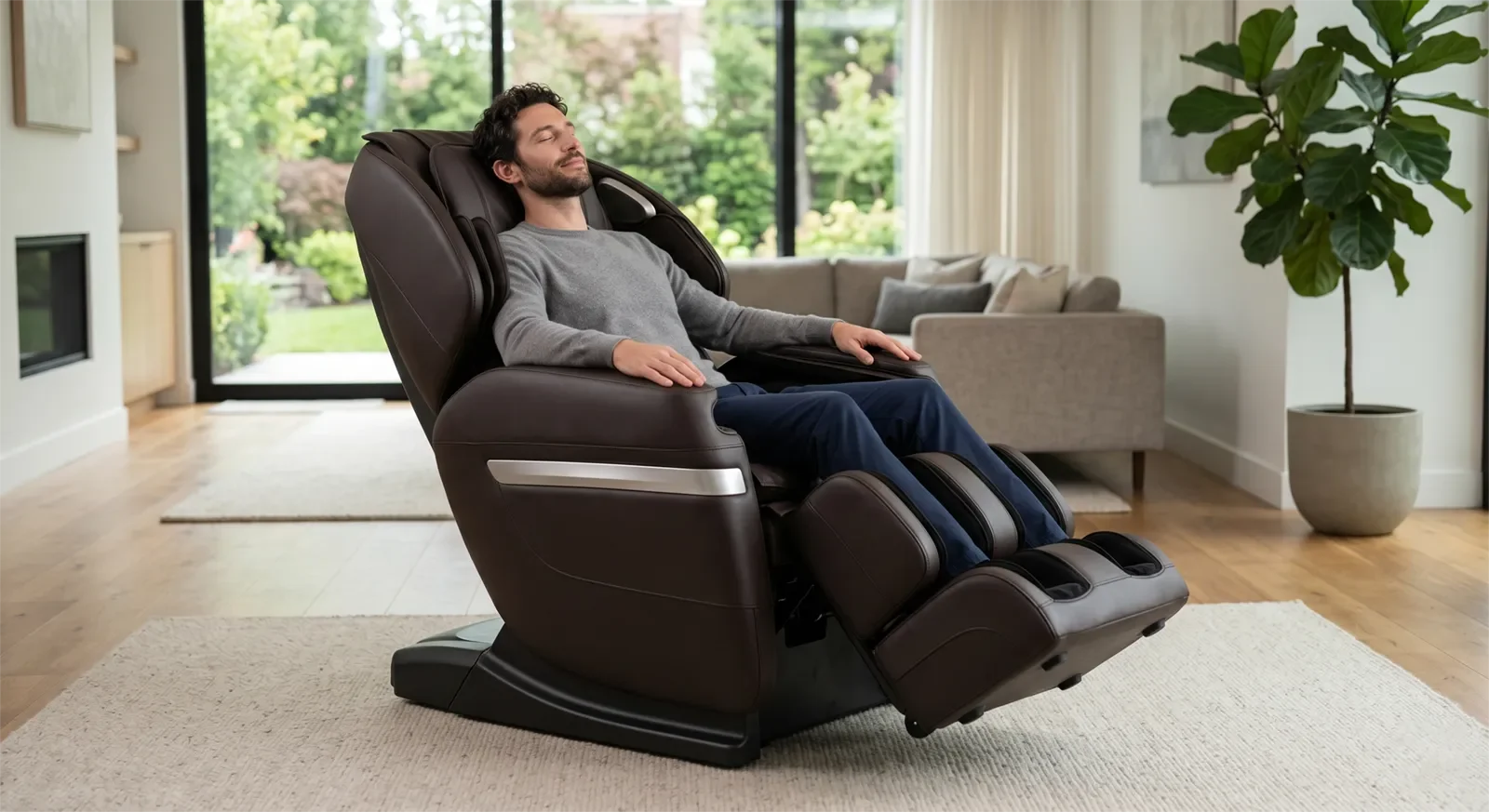
Body scan can help a massage chair locate the user’s shoulder position and adjust the massage path more intelligently. For tall users, that can be useful when the chair has enough physical range to support the body properly.
But body scan cannot rescue a chair that is fundamentally too short, too narrow, or too limited in leg extension. It can refine alignment within the chair’s usable range, but it cannot change the chair’s actual proportions.
Use body scan as a supporting fit tool, not the main reason to buy. For a deeper explanation, read massage chair body scan technology explained.
How Tall Buyers Should Build a Shortlist
Tall buyers should remove poor-fit chairs early. Once the chair fits your height and proportions, then technology, program style, and luxury features become easier to compare.
- Check shoulder height first. The massage should not land too low.
- Test neck and trap reach. Make sure the upper-body coverage feels complete.
- Notice roller coverage. The chair should work the upper back, not only the mid and lower back.
- Test ottoman extension. Your legs should not feel crowded or compressed.
- Check calf and foot placement. Your lower body should land in the intended massage zones.
- Judge width and support. The chair should feel stable, relaxed, and properly sized.
- Compare features last. Advanced features only matter after the chair fits.
This order keeps the decision grounded. The best massage chair for a tall person is not automatically the biggest chair or the most expensive chair. It is the chair that supports the user’s height, reach, and body shape accurately enough to be used comfortably over time.
What Tall Buyers Should Avoid
- A chair where the massage stops below the shoulders.
- A neck massage that never reaches the right area.
- A leg section that leaves the knees crowded or the feet unsupported.
- A seat that feels narrow even if the height range sounds acceptable.
- Choosing 3D or 4D features before confirming fit.
- Assuming body scan can fix a chair that is physically too short.
If the chair only feels right when you adjust your body into an unnatural position, it is probably not the best match. A tall-friendly chair should make relaxation easier, not require constant compensation.
When a Tall-Friendly Chair Is Worth Paying More For
A tall-friendly massage chair may be worth paying more for when the extra value shows up in real fit: better shoulder reach, stronger upper-back coverage, smoother leg extension, more stable support, better width, and a more comfortable full-session experience.
The value should not come only from a longer feature list. For tall users, the real upgrade is a chair that fits the body correctly and remains comfortable after the first few minutes.
Once the fit is right, warranty and service also become important because a premium chair should be supported properly after purchase. If ownership confidence is part of your decision, read massage chair warranty and in-home service.
Frequently Asked Questions
What makes a massage chair good for tall people?
A good massage chair for tall people should reach the shoulders, neck, upper back, calves, and feet correctly. It should also have enough leg extension, seat width, and overall support so the user does not feel cramped or misaligned.
Should tall users check shoulder height first?
Yes. Shoulder height is one of the most important fit checks. If the massage lands too low, the chair may miss the upper shoulders, traps, and neck area where taller users often notice fit problems first.
Can body scan fix a chair that feels too short?
Not completely. Body scan can improve alignment, but it cannot fully fix a chair that is physically too short, too narrow, or limited in leg extension. Fit still has to come first.
Do tall users need 4D massage before checking fit?
No. Tall-user fit should come before 4D or other mechanism comparisons. If the chair does not line up with your shoulders, neck, legs, and feet, deeper massage technology will not fix the main problem.
Why does ottoman length matter for tall people?
Ottoman length affects knee comfort, calf placement, foot reach, and lower-body support. If the leg section is too short, the chair may feel crowded even when the back massage feels acceptable.
Should tall buyers care about width as well as height?
Yes. Height range alone is not enough. A chair can reach high enough but still feel narrow through the seat, shoulders, arms, or hips. Tall buyers should judge overall support, not just backrest height.
Related Guides
- How to Choose the Best Massage Chair for Your Home
- Best Luxury Massage Chairs from $7,000 to $15,000
- Massage Chair Body Scan Technology Explained
- 2D vs 3D vs 4D Massage Chairs
- Best Massage Chairs for Petite and Short Users
If tall-user fit is your main concern, compare chairs by shoulder height, upper-back reach, leg extension, width, and support before comparing broad feature lists. For help choosing a massage chair that fits a taller body comfortably, contact Tittac or visit the showroom for a fit-focused recommendation.