
Để chọn ghế massage tốt nhất cho gia đình, đừng bắt đầu bằng câu hỏi “ghế này có bao nhiêu tính năng?” Hãy bắt đầu bằng câu hỏi đúng hơn: ai sẽ dùng ghế nhiều nhất, cơ thể có hợp với ghế không, nhà có đủ chỗ đặt không, ngân sách có xứng với thời gian sử dụng lâu dài không, và sau khi mua có được hỗ trợ rõ ràng không.
Bài này dành cho: Gia đình đang tìm mua ghế massage để dùng lâu dài tại nhà, đặc biệt là người mua lần đầu đang phân vân giữa ghế massage cao cấp, ghế công nghệ Nhật, ghế Nhật, ghế Trung Quốc và các mức giá khác nhau.
Bài viết được biên soạn dựa trên: Kinh nghiệm tư vấn thực tế cho khách mua ghế massage gia đình, cách đánh giá độ phù hợp cơ thể, không gian đặt ghế, mức đầu tư dài hạn, bảo hành, dịch vụ sau mua và nhu cầu phổ biến của khách Việt khi chọn ghế massage cao cấp.
Một chiếc ghế massage tốt không phải là chiếc ghế có nhiều chức năng nhất trên giấy. Ghế tốt là chiếc ghế người trong nhà muốn ngồi thường xuyên, cảm giác massage hợp cơ thể, thao tác dễ dùng, đặt vào phòng không bị vướng, và đủ bền để bạn thấy khoản đầu tư đó xứng đáng sau nhiều năm.
Với phân khúc ghế massage cao cấp, đặc biệt khoảng $7,000–$15,000, quyết định mua càng không nên dựa vào quảng cáo hoặc danh sách tính năng dài. Ở mức này, bạn nên nhìn vào chất lượng trải nghiệm thật: cơ chế massage có tự nhiên không, lực có đủ sâu nhưng không gắt không, ghế có ôm đúng vai lưng hông chân không, người lớn tuổi có dùng dễ không, và nơi bán có hỗ trợ rõ sau khi giao ghế không.
Mục lục
- Câu trả lời nhanh
- Khung chọn ghế massage đúng cho gia đình
- 1. Chọn theo người dùng chính
- 2. Ưu tiên cảm giác massage thật
- 3. Kiểm tra không gian đặt ghế
- 4. Hiểu đúng ngân sách ghế massage cao cấp
- 5. Ghế Nhật, công nghệ Nhật và ghế Trung Quốc nên hiểu thế nào?
- 6. Tính năng nào thật sự đáng xem?
- 7. Bảo hành và dịch vụ sau mua
- Sai lầm thường gặp khi mua ghế massage
- Cách thử ghế trước khi mua
- Câu hỏi thường gặp
- Bài viết liên quan
Câu trả lời nhanh
Muốn chọn ghế massage tốt nhất cho gia đình, hãy đi theo thứ tự này: xác định người dùng chính, thử cảm giác massage thật, kiểm tra ghế có hợp cơ thể không, đo không gian đặt ghế, chọn ngân sách theo giá trị sử dụng lâu dài, rồi mới so sánh 2D, 3D, 4D, túi khí, nhiệt, kéo giãn, scan cơ thể và các tính năng phụ.
Nếu bạn mua ghế massage cao cấp, đừng chỉ hỏi ghế có phải hàng Nhật hay không. Hãy hỏi rõ hơn: công nghệ massage đến từ đâu, ghế được thiết kế cho kiểu cơ thể nào, lực massage có tự nhiên không, linh kiện và bảo hành ra sao, khi cần hỗ trợ có ai xử lý không, và bạn có được thử ghế thật trước khi quyết định không.
Với nhiều gia đình Việt, ghế Nhật hoặc ghế dùng công nghệ Nhật tạo cảm giác yên tâm vì độ tinh tế, độ bền và sự quen thuộc về chất lượng. Điều đó có giá trị. Nhưng quyết định cuối cùng vẫn nên dựa trên trải nghiệm ngồi thật, độ hợp cơ thể và dịch vụ sau mua, không chỉ dựa trên nhãn xuất xứ.
Khung chọn ghế massage đúng cho gia đình
Trước khi so model, hãy dùng một khung đơn giản hơn. Nếu trả lời rõ được các điểm dưới đây, bạn sẽ tránh được phần lớn sai lầm khi mua ghế massage.
| Điểm cần chốt | Câu hỏi nên hỏi | Vì sao quan trọng |
|---|---|---|
| Người dùng chính | Ai sẽ ngồi ghế nhiều nhất? | Ghế phải hợp với người dùng thường xuyên nhất, không phải chỉ nhìn đẹp hoặc nhiều tính năng. |
| Cảm giác massage | Lực massage có tự nhiên, dễ chịu và đủ sâu không? | Đây là phần tạo giá trị thật mỗi ngày, nhất là ở phân khúc cao cấp. |
| Độ fit cơ thể | Vai, lưng, hông, bắp chân và bàn chân có được ôm đúng không? | Ghế đắt nhưng không fit cơ thể vẫn có thể gây khó chịu hoặc ít được dùng. |
| Không gian | Phòng có đủ chỗ đặt, ngả và đi lại không? | Ghế massage là món đồ lớn, cần hợp với sinh hoạt trong nhà. |
| Ngân sách | Bạn mua để dùng tạm hay đầu tư lâu dài? | Mức giá nên đi theo tần suất sử dụng, độ bền mong muốn và chất lượng hỗ trợ sau mua. |
| Dịch vụ | Bảo hành, giao hàng, lắp đặt và hỗ trợ sau mua có rõ không? | Với ghế massage cao cấp, dịch vụ là một phần của giá trị sản phẩm. |
1. Chọn theo người dùng chính
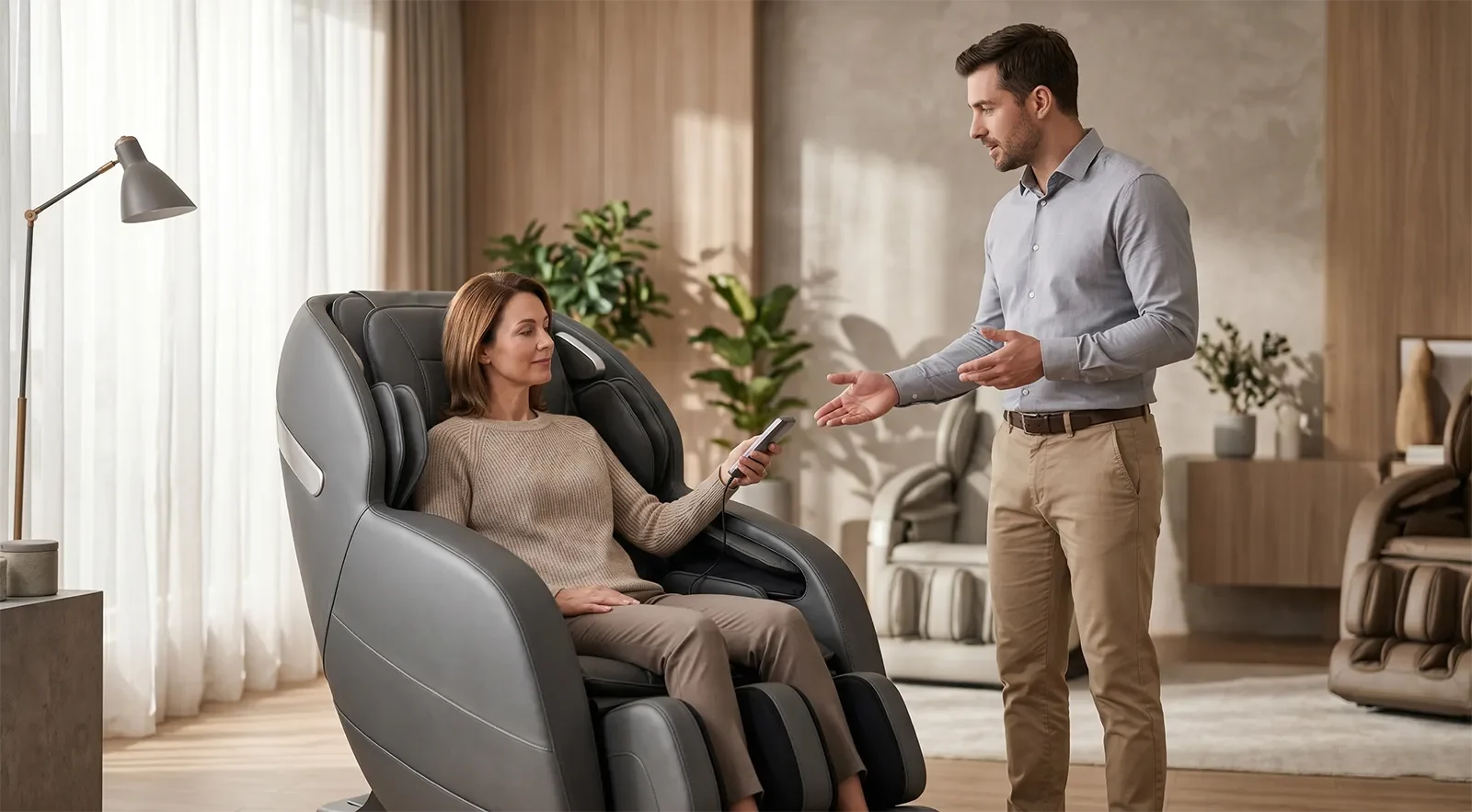
Nếu cả gia đình cùng dùng ghế, bạn vẫn nên chọn theo người dùng chính. Đó có thể là ba mẹ, vợ chồng, người lớn tuổi trong nhà, hoặc người thường bị căng mỏi sau khi làm việc. Một chiếc ghế massage không cần hoàn hảo cho tất cả mọi người, nhưng phải thật sự hợp với người sẽ dùng nhiều nhất.
Đây là điểm nhiều người bỏ qua. Họ mua theo model nổi tiếng, theo quảng cáo, theo mức giảm giá hoặc theo cảm giác “ghế này có vẻ xịn”. Sau vài tuần, ghế ít được dùng vì người chính trong nhà thấy lực quá mạnh, cổ vai không đúng vị trí, chân không vừa, remote khó hiểu hoặc chương trình massage không hợp.
Người lớn tuổi cần dễ dùng hơn là nhiều nút
Nếu ghế mua cho ba mẹ hoặc người lớn tuổi, độ dễ dùng rất quan trọng. Màn hình, remote, chương trình tự động, nút dừng, cách chỉnh lực và cách ra vào ghế phải rõ ràng. Một chiếc ghế có quá nhiều chế độ nhưng người dùng không biết chọn chế độ nào thường không tạo ra trải nghiệm tốt.
Người hay đau mỏi sau làm việc cần cảm giác massage hợp cơ thể
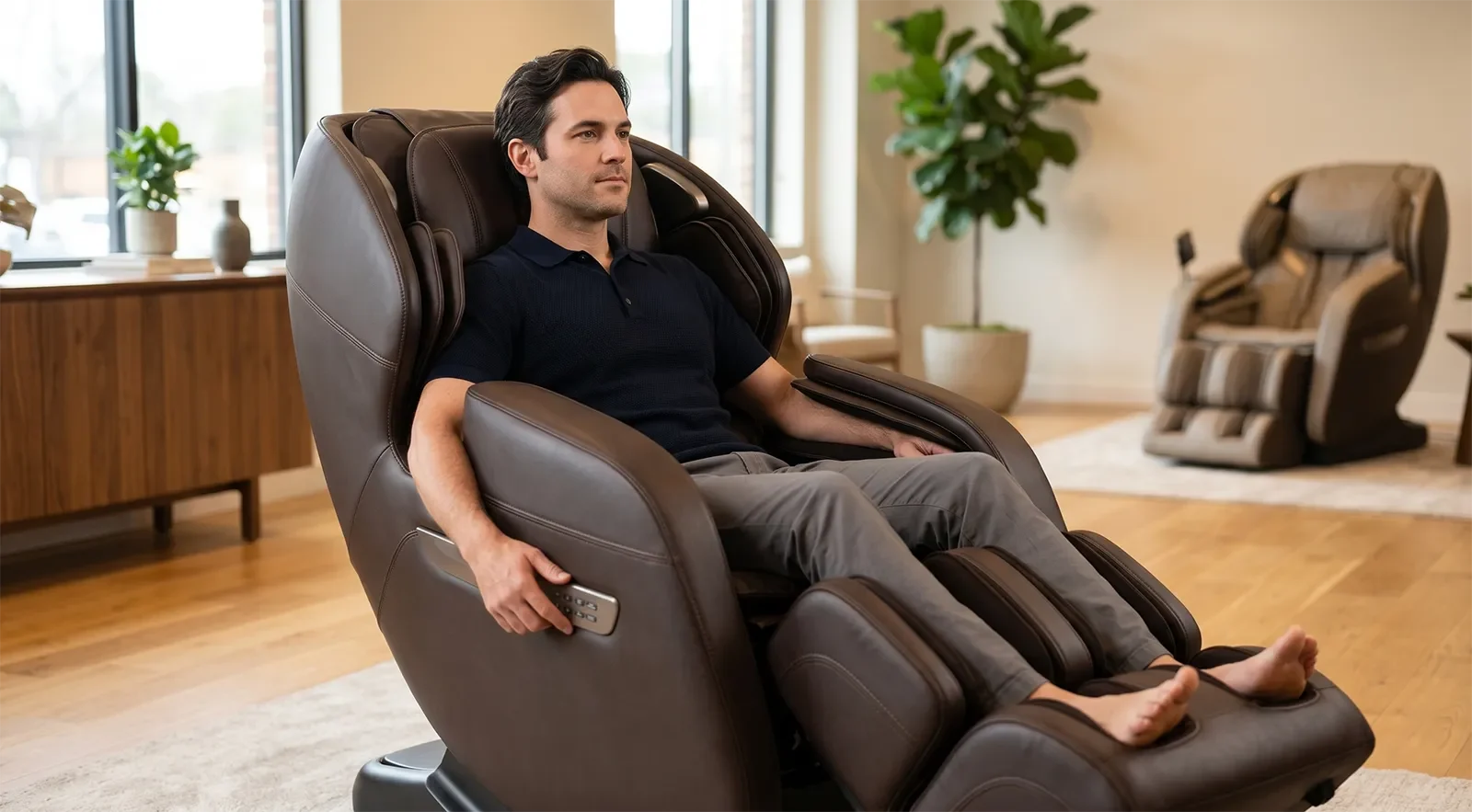
Nếu người dùng chính thường mỏi vai gáy, lưng dưới, hông, bắp chân hoặc bàn chân, hãy thử kỹ các vùng đó. Đừng chỉ ngồi vài phút rồi quyết định. Ghế massage cao cấp nên cho cảm giác được chăm sóc toàn thân, nhưng vẫn cần đúng điểm, đúng lực và không làm người ngồi bị căng lên vì quá mạnh.
Nếu trong nhà có người cao hơn mức trung bình, bạn có thể xem thêm hướng dẫn chọn ghế massage cho người cao để đi sâu vào chiều cao, độ dài ray massage và khả năng ôm cơ thể.
2. Ưu tiên cảm giác massage thật
Ở phân khúc ghế massage cao cấp, cảm giác massage thật quan trọng hơn số lượng tính năng. Một chiếc ghế có thể ghi rất nhiều công nghệ trên brochure, nhưng khi ngồi vào lại cho cảm giác máy móc, gắt, lệch điểm hoặc không tự nhiên. Ngược lại, một chiếc ghế tốt thường làm bạn nhận ra ngay: lực đi đúng hơn, chuyển động mượt hơn, vai lưng được xử lý có chiều sâu hơn, và cơ thể dễ thả lỏng hơn.
Massage sâu không có nghĩa là càng mạnh càng tốt
Nhiều người nghĩ ghế massage mạnh mới tốt. Thực tế, lực mạnh nhưng không đúng điểm dễ làm người dùng khó chịu. Ghế cao cấp nên có lực đủ sâu, nhưng phải kiểm soát tốt. Cảm giác tốt thường là “đúng chỗ, có lực, nhưng không bị đánh quá gắt”.
Chuyển động phải mượt và có nhịp
Một điểm khác biệt lớn giữa ghế thường và ghế cao cấp nằm ở độ mượt của chuyển động. Khi con lăn di chuyển qua cổ, vai, lưng và hông, bạn không nên có cảm giác bị giật, cấn hoặc đẩy sai vị trí. Ghế càng tốt, chuyển động càng giống một bài massage có nhịp, không phải chỉ là máy chạy lên xuống.
Ghế phải giúp người dùng muốn quay lại ngồi tiếp
Đây là tiêu chuẩn rất thực tế. Nếu một chiếc ghế làm người dùng thấy dễ chịu, dễ bấm, dễ thư giãn và muốn dùng lại vào ngày hôm sau, đó là dấu hiệu tốt. Nếu ghế chỉ gây ấn tượng lúc demo nhưng về nhà ít ai muốn ngồi, thì tính năng trên giấy không còn nhiều ý nghĩa.
3. Kiểm tra không gian đặt ghế
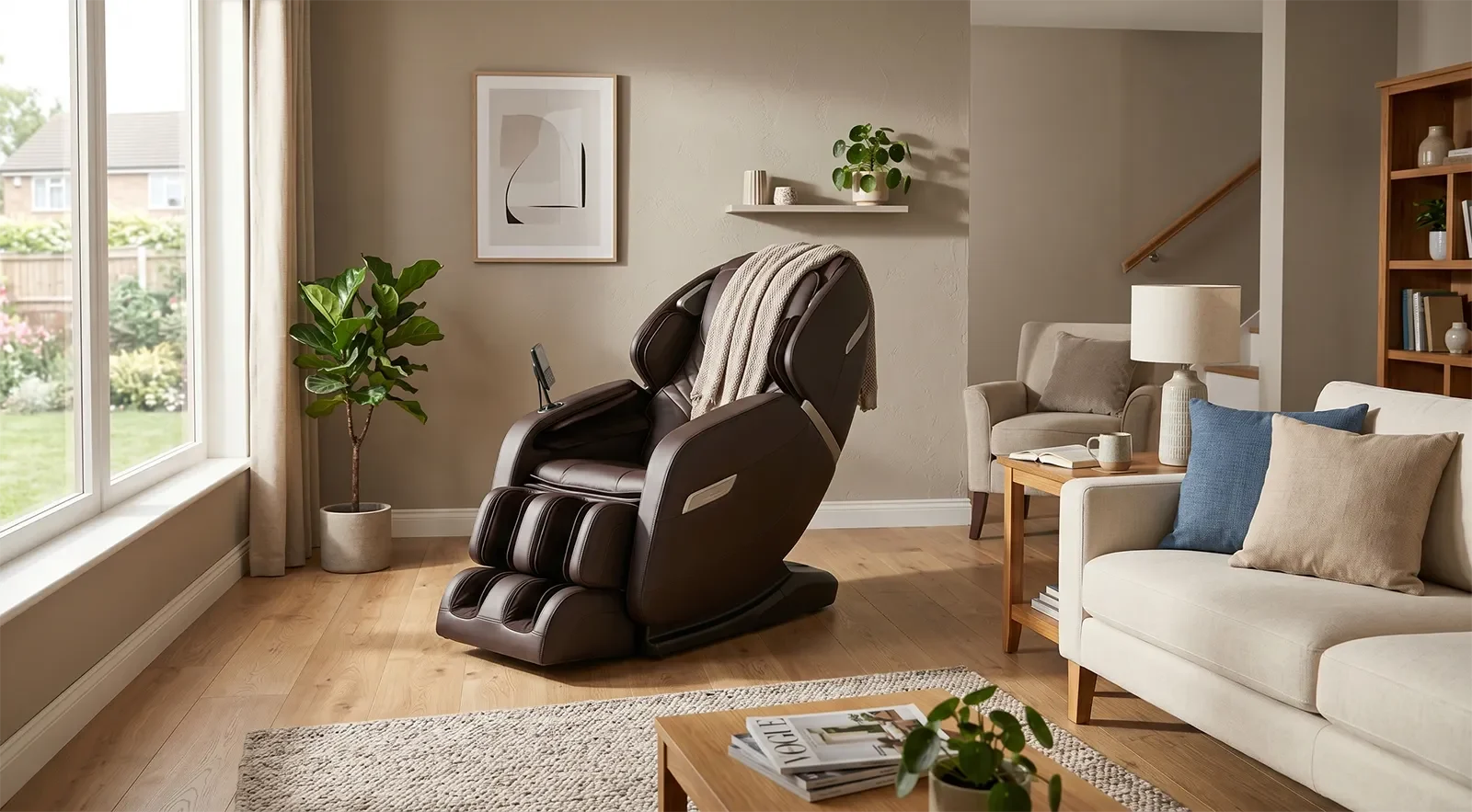
Ghế massage là sản phẩm lớn. Khi đặt trong phòng khách, phòng ngủ hoặc phòng sinh hoạt, bạn không chỉ cần đủ chỗ cho thân ghế. Bạn còn cần chỗ để ghế ngả, chỗ bước ra vào, chỗ mở phần chân, khoảng cách với tường và cảm giác tổng thể của căn phòng sau khi đặt ghế vào.
Nếu nhà nhỏ, căn hộ, phòng ngủ phụ hoặc phòng khách đã có nhiều đồ, hãy ưu tiên kích thước và bố trí trước khi chọn model. Một chiếc ghế rất tốt nhưng làm phòng bị chật, chắn lối đi hoặc khó sử dụng hằng ngày sẽ nhanh chóng trở thành món đồ gây vướng.
Nếu không gian là mối quan tâm lớn nhất, bạn nên đọc thêm hướng dẫn chọn ghế massage cho không gian nhỏ và căn hộ để xem kỹ hơn về kích thước, khoảng cách tường và cách bố trí thực tế.
4. Hiểu đúng ngân sách ghế massage cao cấp
Với ghế massage, giá rẻ nhất không phải lúc nào cũng tiết kiệm nhất. Nếu gia đình dùng ghế thường xuyên, một chiếc ghế cao cấp phù hợp có thể đáng tiền hơn vì cảm giác massage tốt hơn, độ hoàn thiện cao hơn, dễ dùng hơn và tạo sự yên tâm hơn trong nhiều năm.
Tại Tittac, nhóm khách mua ghế massage thường quan tâm nhiều đến ghế massage cao cấp từ $7,000 đến $15,000. Đây không phải là mức giá dành cho người chỉ muốn mua một chiếc ghế cho có. Đây là mức giá phù hợp hơn với gia đình muốn đầu tư một sản phẩm dùng lâu dài, có trải nghiệm massage thật hơn, thiết kế đẹp hơn, hỗ trợ rõ ràng hơn và xứng đáng đặt trong nhà như một món nội thất cao cấp.
Khi nào nên đầu tư lên ghế cao cấp?
Bạn nên cân nhắc ghế massage cao cấp nếu ghế sẽ được dùng nhiều lần mỗi tuần, có nhiều người trong gia đình cùng dùng, bạn muốn cảm giác massage sâu và tự nhiên hơn, hoặc bạn muốn mua một lần cho yên tâm thay vì đổi ghế sau một thời gian ngắn.
Nếu bạn đang phân vân liệu ghế massage $10,000 có đáng mua không, hãy nhìn vào ba điểm chính: cảm giác massage có khác biệt thật không, ghế có hợp cơ thể người dùng chính không, và dịch vụ sau mua có đủ rõ để bạn yên tâm sử dụng lâu dài không.
Khi nào không cần mua quá cao?
Nếu bạn chỉ dùng rất ít, không chắc gia đình có thích dùng ghế massage hay không, hoặc không gian quá hạn chế, bạn có thể chưa cần chọn mẫu đắt nhất. Một quyết định tốt không phải lúc nào cũng là mua ghế cao nhất, mà là mua đúng ghế với nhu cầu thật.
5. Ghế Nhật, công nghệ Nhật và ghế Trung Quốc nên hiểu thế nào?
Với nhiều khách Việt, ghế massage Nhật hoặc ghế dùng công nghệ Nhật thường tạo cảm giác tin tưởng hơn. Điều này dễ hiểu. Người mua thường liên tưởng sản phẩm Nhật với sự bền bỉ, tinh tế, cảm giác massage có kiểm soát và chất lượng lâu dài. Trong phân khúc cao cấp, yếu tố này có thể ảnh hưởng lớn đến quyết định mua.
Tuy nhiên, khi chọn ghế massage, bạn nên phân biệt rõ ba điều: thương hiệu Nhật, công nghệ massage Nhật, và nơi sản xuất thực tế. Không phải sản phẩm nào có chữ “Japan” cũng giống nhau. Cũng không phải ghế sản xuất tại Trung Quốc là kém. Nhiều ghế Trung Quốc cao cấp hiện nay có thiết kế đẹp, nhiều tính năng và mức giá cạnh tranh. Điểm quan trọng là sản phẩm đó được thiết kế theo tiêu chuẩn nào, cảm giác massage thật ra sao, linh kiện và bảo hành thế nào, và nơi bán có hỗ trợ nghiêm túc không.
Nếu đây là điểm bạn đang phân vân, hãy xem thêm bài so sánh ghế massage Nhật và ghế massage Trung Quốc khác nhau thế nào để hiểu rõ hơn trước khi chọn theo xuất xứ.
Nếu bạn thích ghế Nhật hoặc công nghệ Nhật
Hãy ưu tiên cảm giác massage tinh tế, chuyển động mượt, lực vừa sâu vừa kiểm soát tốt, thiết kế dễ dùng và độ tin cậy lâu dài. Với khách mua cho ba mẹ hoặc gia đình Việt, đây thường là hướng chọn an toàn hơn nếu ngân sách cho phép.
Nếu bạn đang xem ghế Trung Quốc cao cấp
Đừng loại bỏ chỉ vì nơi sản xuất. Hãy thử ghế thật, kiểm tra độ hoàn thiện, độ êm của motor, độ chính xác khi massage vai lưng, mức độ dễ dùng, chính sách bảo hành và khả năng hỗ trợ sau mua. Một chiếc ghế Trung Quốc cao cấp vẫn có thể phù hợp nếu trải nghiệm thật tốt và dịch vụ rõ ràng.
Không nên mua chỉ vì nhãn xuất xứ
Xuất xứ giúp bạn sàng lọc ban đầu, nhưng không thay thế được việc ngồi thử. Với ghế massage, cơ thể của bạn mới là tiêu chuẩn cuối cùng. Ghế được đánh giá tốt nhưng không hợp vai, lưng, chân hoặc thói quen sử dụng của gia đình bạn thì vẫn không phải lựa chọn tốt nhất.
6. Tính năng nào thật sự đáng xem?
Tính năng vẫn quan trọng, nhưng chỉ nên được xem sau khi bạn đã biết người dùng chính, không gian, ngân sách và cảm giác massage mong muốn. Đừng để danh sách tính năng làm bạn quên mất mục tiêu thật: chọn một chiếc ghế gia đình sẽ dùng đều và dùng thoải mái.
2D, 3D và 4D
2D, 3D và 4D liên quan đến cách con lăn di chuyển và khả năng tạo chiều sâu khi massage. Với người mua cao cấp, 3D hoặc 4D thường đáng cân nhắc hơn vì có thể cho cảm giác linh hoạt và sâu hơn. Tuy vậy, không phải cứ ghi 4D là chắc chắn hay hơn. Bạn vẫn cần ngồi thử để xem lực và nhịp massage có hợp không.
Nếu muốn hiểu kỹ hơn, hãy xem bài so sánh ghế massage 2D, 3D và 4D.
Body scan và khả năng nhận diện cơ thể
Tính năng quét cơ thể giúp ghế xác định vị trí vai lưng để điều chỉnh bài massage. Nhưng chất lượng scan không giống nhau giữa các mẫu. Khi thử ghế, hãy để ý xem con lăn có đi đúng vai, lưng trên, lưng dưới và hông không. Nếu luôn phải chỉnh lại nhiều, trải nghiệm hằng ngày sẽ kém tiện hơn.
Ray massage SL-track hoặc L-track
Ray massage dài có thể giúp ghế xử lý vùng lưng xuống hông và mông tốt hơn. Nhưng chiều dài ray không phải yếu tố duy nhất. Cách con lăn di chuyển, độ sâu, độ mượt và tư thế ngả cũng ảnh hưởng lớn đến cảm giác thật.
Túi khí, nhiệt, kéo giãn và massage chân
Các tính năng như túi khí, sưởi ấm, kéo giãn cơ thể, massage bắp chân và bàn chân có thể làm trải nghiệm thư giãn hơn. Tuy nhiên, hãy xem chúng như phần bổ sung. Nếu phần massage chính ở cổ, vai, lưng và hông không tốt, các tính năng phụ khó bù lại được.
Chương trình tự động
Với gia đình, chương trình tự động dễ dùng rất quan trọng. Người lớn tuổi hoặc người bận rộn thường không muốn chỉnh từng chi tiết. Một chiếc ghế tốt nên có vài chế độ rõ ràng, dễ chọn, dễ hiểu và cho cảm giác khác nhau thật sự.
7. Bảo hành và dịch vụ sau mua
Ghế massage cao cấp là sản phẩm lớn, có motor, cơ chế con lăn, túi khí, điện tử, phần chân, remote hoặc màn hình điều khiển. Vì vậy, bảo hành và dịch vụ sau mua không phải phần phụ. Đây là một phần quan trọng của quyết định mua.
Trước khi chốt, hãy hỏi rõ: bảo hành bao lâu, phần nào được bảo hành, có hỗ trợ tại nhà không, khi cần sửa thì liên hệ ai, thời gian xử lý dự kiến thế nào, có phí phát sinh nào không, và cửa hàng có đội ngũ thật để hỗ trợ sau khi giao ghế không.
Nếu đang phân vân giữa hai mẫu khá ngang nhau, hãy chọn nơi làm bạn yên tâm hơn sau mua. Ghế massage không giống một món đồ nhỏ có thể dễ dàng đem đi đổi hoặc sửa. Khi ghế đã vào nhà, dịch vụ thật sự quan trọng.
Bạn có thể đọc thêm hướng dẫn về bảo hành ghế massage và dịch vụ tại nhà để biết những điểm nên kiểm tra trước khi quyết định.
Sai lầm thường gặp khi mua ghế massage
1. Mua theo tính năng thay vì cảm giác ngồi thật
Một danh sách tính năng dài có thể làm ghế trông hấp dẫn, nhưng không bảo đảm ghế hợp cơ thể bạn. Với ghế massage, cảm giác ngồi thật luôn quan trọng hơn brochure.
2. Chọn ghế quá lớn so với nhà
Nhiều mẫu ghế cao cấp có kích thước lớn. Nếu không đo trước, ghế có thể chiếm quá nhiều diện tích, chắn lối đi hoặc làm phòng mất cân đối.
3. Mua vì giảm giá mạnh
Giảm giá chỉ có ý nghĩa khi chiếc ghế đó vẫn phù hợp. Một chiếc ghế không hợp cơ thể, khó dùng hoặc không có hỗ trợ rõ ràng thì dù giảm nhiều vẫn có thể là quyết định sai.
4. Không hỏi kỹ về bảo hành
Đừng đợi đến khi có vấn đề mới tìm hiểu bảo hành. Với ghế massage cao cấp, bạn nên hiểu rõ phần này trước khi mua.
5. Nghĩ ghế đắt nhất luôn là tốt nhất
Ghế đắt hơn thường có nhiều điểm tốt hơn, nhưng không phải lúc nào cũng phù hợp hơn. Ghế tốt nhất là ghế hợp với người dùng, không gian, ngân sách và kỳ vọng sử dụng thật của gia đình bạn.
Cách thử ghế trước khi mua
Nếu có thể, hãy thử ghế trực tiếp trước khi mua. Đừng chỉ ngồi một hai phút. Hãy ngồi đủ lâu để cảm nhận cổ vai, lưng, hông, bắp chân và bàn chân. Hãy thử ít nhất một chương trình tự động và vài mức chỉnh lực nếu ghế có hỗ trợ.
- Ngồi như khi dùng ở nhà: Thả lỏng, không gồng người để “chịu” lực massage.
- Kiểm tra vùng vai gáy: Con lăn có đúng vị trí không, có bị cấn hoặc quá cao quá thấp không?
- Kiểm tra lưng dưới và hông: Ghế có xử lý đúng vùng bạn thường mỏi không?
- Thử phần chân: Bắp chân và bàn chân có vừa không, lực có dễ chịu không?
- Thử remote hoặc màn hình: Người lớn tuổi trong nhà có tự dùng được không?
- Hỏi về giao hàng và bảo hành: Đừng chỉ hỏi giá, hãy hỏi cả phần hỗ trợ sau mua.
Nếu bạn đến showroom Tittac, nên chia sẻ rõ ai sẽ dùng ghế nhiều nhất, chiều cao tương đối, phòng đặt ghế rộng hay nhỏ, ngân sách dự kiến và bạn thích cảm giác massage nhẹ, vừa hay sâu. Tư vấn đúng phải bắt đầu từ nhu cầu thật của gia đình, không phải chỉ đẩy mẫu đắt nhất.
Khung quyết định nhanh trước khi chốt
| Nếu ưu tiên của bạn là... | Hãy chú ý nhất đến... | Không nên bị cuốn vào... |
|---|---|---|
| Mua cho ba mẹ | Dễ dùng, lực êm, remote rõ, ra vào ghế an toàn | Quá nhiều chế độ phức tạp |
| Dùng hằng ngày | Cảm giác massage thật, độ bền, bảo hành, sự thoải mái lâu dài | Mua rẻ nhưng ít muốn dùng |
| Nhà nhỏ | Kích thước, khoảng cách ngả, vị trí đặt ghế | Chọn ghế quá lớn chỉ vì nhìn sang |
| Thích hàng Nhật/công nghệ Nhật | Cảm giác tinh tế, độ mượt, độ tin cậy, dịch vụ chính hãng/cửa hàng | Chỉ nhìn chữ “Japan” mà không thử ghế |
| Muốn đầu tư cao cấp | Fit cơ thể, trải nghiệm massage, độ hoàn thiện, hỗ trợ sau mua | So tính năng phụ quá nhiều |
Câu hỏi thường gặp
Gia đình nên chọn ghế massage theo thương hiệu, xuất xứ hay cảm giác ngồi thật?
Nên dùng thương hiệu và xuất xứ để sàng lọc ban đầu, nhưng quyết định cuối cùng vẫn phải dựa trên cảm giác ngồi thật, độ hợp cơ thể và dịch vụ sau mua. Ghế massage là sản phẩm dùng trực tiếp trên cơ thể, nên trải nghiệm thực tế quan trọng hơn lời quảng cáo.
Ghế massage Nhật có đáng mua hơn ghế Trung Quốc không?
Ghế Nhật hoặc ghế dùng công nghệ Nhật thường được nhiều khách Việt tin tưởng vì cảm giác tinh tế và hình ảnh chất lượng lâu dài. Tuy nhiên, không nên chọn chỉ vì xuất xứ. Một số ghế Trung Quốc cao cấp vẫn có thiết kế tốt và nhiều tính năng. Điều quan trọng là ghế có massage tốt thật không, có hợp cơ thể không và bảo hành có rõ không.
Ngân sách $7,000–$15,000 có quá cao cho ghế massage gia đình không?
Không nhất thiết, nếu gia đình dùng ghế thường xuyên và muốn đầu tư lâu dài. Ở mức này, bạn không chỉ trả cho tính năng, mà còn trả cho cảm giác massage tốt hơn, độ hoàn thiện, sự dễ dùng, thiết kế, độ bền kỳ vọng và dịch vụ hỗ trợ sau mua. Nhưng nếu dùng rất ít, bạn không nhất thiết phải chọn mức cao nhất.
Người mua lần đầu có cần hiểu kỹ 2D, 3D và 4D không?
Không cần hiểu quá sâu ngay từ đầu. Bạn chỉ cần biết các công nghệ này ảnh hưởng đến độ sâu và kiểu chuyển động massage. Sau đó hãy thử ghế thật. Nếu muốn đọc kỹ hơn, bạn có thể xem bài so sánh ghế massage 2D, 3D và 4D.
Nhà nhỏ có nên mua ghế massage cao cấp không?
Có thể, nhưng phải đo không gian trước. Hãy kiểm tra kích thước ghế, khoảng cách ngả, lối đi và vị trí đặt trong phòng. Nếu không gian là mối lo chính, hãy xem hướng dẫn chọn ghế massage cho không gian nhỏ và căn hộ.
Có nên mua ghế massage online mà không thử trước không?
Nếu mua ghế giá trị cao, tốt nhất nên thử trực tiếp nếu có thể. Thông số và hình ảnh không thể cho bạn biết ghế có hợp vai, lưng, hông, chân và thói quen sử dụng của gia đình hay không. Nếu không thể thử, hãy hỏi thật kỹ về chính sách đổi trả, bảo hành và hỗ trợ sau mua.
Nếu bạn đang chọn ghế massage cao cấp cho gia đình và muốn tránh mua sai, cách tốt nhất là thử ghế thật, nói rõ nhu cầu sử dụng, không gian đặt ghế và ngân sách dự kiến. Tittac có thể giúp bạn so sánh các lựa chọn phù hợp hơn dựa trên người dùng chính, cảm giác massage mong muốn và mức đầu tư dài hạn của gia đình.
Liên hệ Tittac để được tư vấn theo phòng, ngân sách và kiểu ghế massage phù hợp với gia đình bạn