
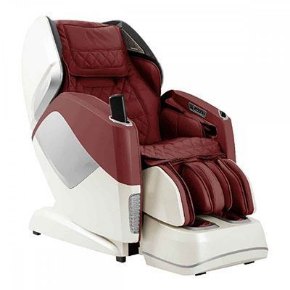





If you are researching massage chairs for sciatica, start with caution. Sciatic-type discomfort is not the same as ordinary back tightness, and a massage chair should be treated as a comfort tool, not a treatment or cure.
Some gentle massage chair settings may feel calming for certain people, especially when tension around the lower back, hips, or glutes is part of the discomfort. But stronger pressure, longer sessions, or direct pressure over a sensitive area can also make symptoms feel sharper or more irritated. This guide explains what may help, what often does not help, and when to stop.
Written by Toan Ho — Tittac editorial team.
Who this guide is for: Readers dealing with sciatic-type discomfort who want realistic, careful guidance before trying or buying a massage chair.
How this guide was prepared: This guide was prepared using cautious wellness guidance, plain-language clinical context, and practical home-user framing to separate comfort support from treatment-style claims.
Quick Answer
A massage chair may help some people with sciatica feel more comfortable for a short period, especially when gentle settings, supportive recline, and low-intensity sessions reduce the sense of tension around the lower back and hips. But it can also make symptoms feel worse if the pressure is too strong, the session is too long, or the irritated area does not respond well to direct massage. Massage chairs for sciatica should be approached cautiously. They are comfort tools, not treatment tools. If symptoms are severe, spreading, worsening, or linked to weakness, numbness, trouble walking, or bladder or bowel changes, stop using the chair and seek medical guidance instead of trying to “massage through” it.
Table of Contents
Why sciatica needs a more cautious approach
Sciatica usually refers to pain or discomfort that follows a nerve-like pattern rather than ordinary muscle tightness alone. For some people, that can mean pain that travels from the lower back or buttock down the leg. Others notice tingling, numbness, burning, or a sharp electric feeling. Because this pattern can be more sensitive than general stiffness, the same chair session that feels good for one person may feel too intense for someone dealing with sciatic-type symptoms.
That is the main reason this page stays cautious. It is not enough to ask whether massage chairs can help. You also have to ask whether the pressure, angle, session length, and body position might irritate symptoms instead of calming them.
If your question is broader than sciatica and you mainly want to understand general back tension, start with how massage chairs may help relieve back pain and muscle tension. This page is narrower because sciatic-type symptoms need a more careful frame.
What may help some people feel more comfortable
Gentle pressure instead of deep pressure
When sciatica is part of the picture, more intensity is not automatically better. Some users feel more comfortable with lighter roller contact and a shorter session because the goal is to reduce the feeling of guarding and tension around the area, not to dig aggressively into it.
Supportive recline that reduces body strain
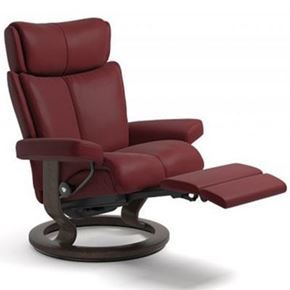
A reclined position may help some people feel less compressed through the lower back and hips. If the chair allows the body to settle more naturally, the session may feel calmer and less irritating. This is one reason some users find reclined programs easier to tolerate than upright, more forceful ones.
If you want the feature explanation itself, read what zero gravity means in a massage chair. Just remember that recline is still a comfort feature, not a medical guarantee.
Short sessions with clear stop points
If a massage chair helps at all, it often helps more as a brief comfort session than as a long one. Starting with a short session makes it easier to notice whether the body feels looser afterward or more irritated later. For sciatic-type discomfort, that delayed response matters.
Warmth that feels soothing rather than intense
Some people find warmth more helpful than roller pressure. Mild warmth may feel settling around the lower back, while aggressive massage does not. But heat design is not one-size-fits-all, which is why it helps to understand the difference between heated rollers and lumbar heat instead of assuming all heat features feel the same.
What often does not help — and may aggravate symptoms
Deep, targeted pressure over a sensitive area
If the lower back, buttock, or upper hip area already feels irritated, strong pressure may be too much. What feels like productive intensity for ordinary muscle tightness can feel sharp, burning, or wrong when a nerve-like pattern is involved.
Long sessions that leave symptoms more active afterward
Sometimes a chair feels acceptable in the moment but the body feels worse 30 minutes later or the next morning. That delayed response matters. If symptoms become more active after a session, that is a sign to back off rather than assume your body just needs time to adjust.
Trying to force relief because the pain seems to come from the lower back
One of the easiest mistakes is treating sciatica like ordinary lower-back tension and using stronger massage to chase relief. That is exactly where people can get into trouble. If your symptoms radiate, tingle, burn, or feel nerve-like, this is no longer just a lower-back feature decision.
Signs a massage chair session may be too much
- The pain feels sharper during the session instead of calmer.
- Tingling, numbness, burning, or leg symptoms increase afterward.
- The area feels more irritated later that day or the next morning.
- You start adjusting your body to escape certain roller paths or pressure points.
- The session feels tolerable only if you keep bracing against it.
- Symptoms travel farther down the leg after the session.
If any of those happen, stop treating the chair like a comfort tool for that moment. Sciatica is one of the clearest cases where stronger can be the wrong lesson.
When to stop and seek medical guidance
A massage chair is not the right next step when symptoms are severe, rapidly worsening, or clearly outside the range of mild comfort experimentation. Stop using the chair and seek medical guidance if you notice significant weakness, increasing numbness, trouble walking normally, symptoms affecting both legs, numbness around the groin or saddle area, or bladder or bowel changes. These are not signals to keep tweaking settings at home.
If you are unsure whether massage-chair use fits your situation at all, go to our health and safety guide when using a massage chair. That page is the right place for broader safety boundaries this article does not try to absorb.
What this page does not own
It does not own general back-pain expectations
If your question is still broad — more like “Can a massage chair help back pain and muscle tension overall?” — start with How Massage Chairs Help Relieve Back Pain and Muscle Tension. That page explains general expectation-setting without focusing on sciatic-type symptoms.
It does not own lower-back feature shopping
If your symptoms are more about lower-back comfort and less about nerve-like irritation, the better next page is Massage Chairs for Lower Back Pain. That page owns track reach, recline, heat, stretch, and fit logic in a more direct feature-focused way.
It does not own full buying guidance
If you are still comparing chair types, fit, service, budget, and home use, read how to choose the best massage chair for your home. Buying a chair for sciatic-type discomfort should not come down to one feature or one marketing claim.
How to try a massage chair more cautiously if sciatica is part of the picture
- Start with the gentlest pressure you would normally consider using.
- Keep the first session short rather than assuming a full program is necessary.
- Pay attention to how you feel later, not only during the session.
- Prioritize supported recline and overall comfort over deep tissue intensity.
- Avoid using strong pressure to chase relief through a sensitive area.
- Stop if symptoms move farther down the leg, feel more electric, or become more active afterward.
If you are new to using a chair or you tend to overdo pressure at first, our guide on how to use a massage chair safely in your first 30 days can help you start more slowly.
Frequently Asked Questions
Can a massage chair help sciatica?
It may help some people feel more comfortable for a short period, but the effect is not universal and it can also aggravate symptoms. The safest framing is comfort support, not treatment.
What kind of massage chair setting is usually least risky to try first?
A short session with gentle pressure and a more supportive reclined position is usually a safer starting point than deep, aggressive programs. The goal is to see whether the body feels calmer, not to force a strong response.
Should I shop by lower-back features if I think I have sciatica?
Only partly. Lower-back features may still matter, but this page should come first because sciatica changes the comfort and safety conversation. If the issue seems more like ordinary lower-back discomfort than nerve irritation, then the lower-back feature page becomes more useful.
When should I stop using a massage chair for sciatica?
Stop if the pain feels sharper, spreads farther, increases numbness or tingling, or leaves you feeling worse afterward. Also stop and seek medical guidance for weakness, trouble walking normally, symptoms affecting both legs, numbness around the groin or saddle area, or bladder or bowel changes.
Is stronger massage better for sciatic-type discomfort?
Usually, stronger is not the safest starting point. Sciatic-type discomfort can be sensitive, and aggressive pressure may irritate symptoms for some people. Start gently, keep sessions short, and judge the response afterward.
Related Guides
- Health & Safety Guide When Using a Massage Chair
- How Massage Chairs Help Relieve Back Pain and Muscle Tension
- Massage Chairs for Lower Back Pain: Features That Matter Most
- How to Use a Massage Chair Safely in Your First 30 Days
- What Is Zero Gravity in a Massage Chair?
Start with safety before features
If sciatic-type symptoms are part of your decision, the smartest next step is to read our health and safety guide when using a massage chair before judging any feature list or comfort claim. If your symptoms are mild and you still want help comparing chair comfort, Tittac can help you think through fit, pressure, recline, and safe expectations before you choose.