






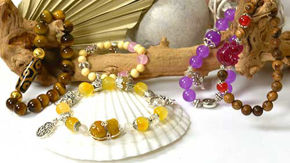
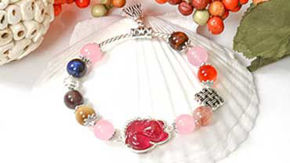


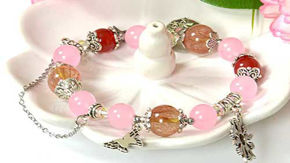

Black tourmaline, obsidian, and hematite are often grouped as “protective stones,” but they do not feel the same in jewelry. Black tourmaline is usually the easiest beginner pick for grounding and boundary symbolism, obsidian feels darker and more intense, and hematite has a polished, weighty, structured look.
Who this guide is for
This guide is for readers comparing black tourmaline, obsidian, and hematite for healing jewelry and wanting a practical way to choose based on symbolism, visual style, feel, and everyday wear.
How this guide was prepared
This article was built as Tittac’s protection-themed stone comparison guide. It keeps protection language symbolic, compares the stones by real buying factors, and links to deeper guides only where they help the reader choose more clearly.
Quick Answer
Choose black tourmaline if you want the simplest beginner-friendly stone for grounding and protection symbolism. Choose obsidian if you want a darker, glossier, more intense visual presence. Choose hematite if you want a polished, metallic, weighty stone that feels structured and modern. None of these stones should be treated as a scientific shield or guaranteed protective tool. They are best understood as symbolic, personal, or mindfulness-oriented choices.
Important note: This guide discusses healing jewelry in a symbolic, spiritual, cultural, and mindfulness-oriented context. Terms such as protection, grounding, and boundary should not be treated as medical treatment, scientific proof, or a guaranteed way to prevent harm, remove bad luck, or change life outcomes.
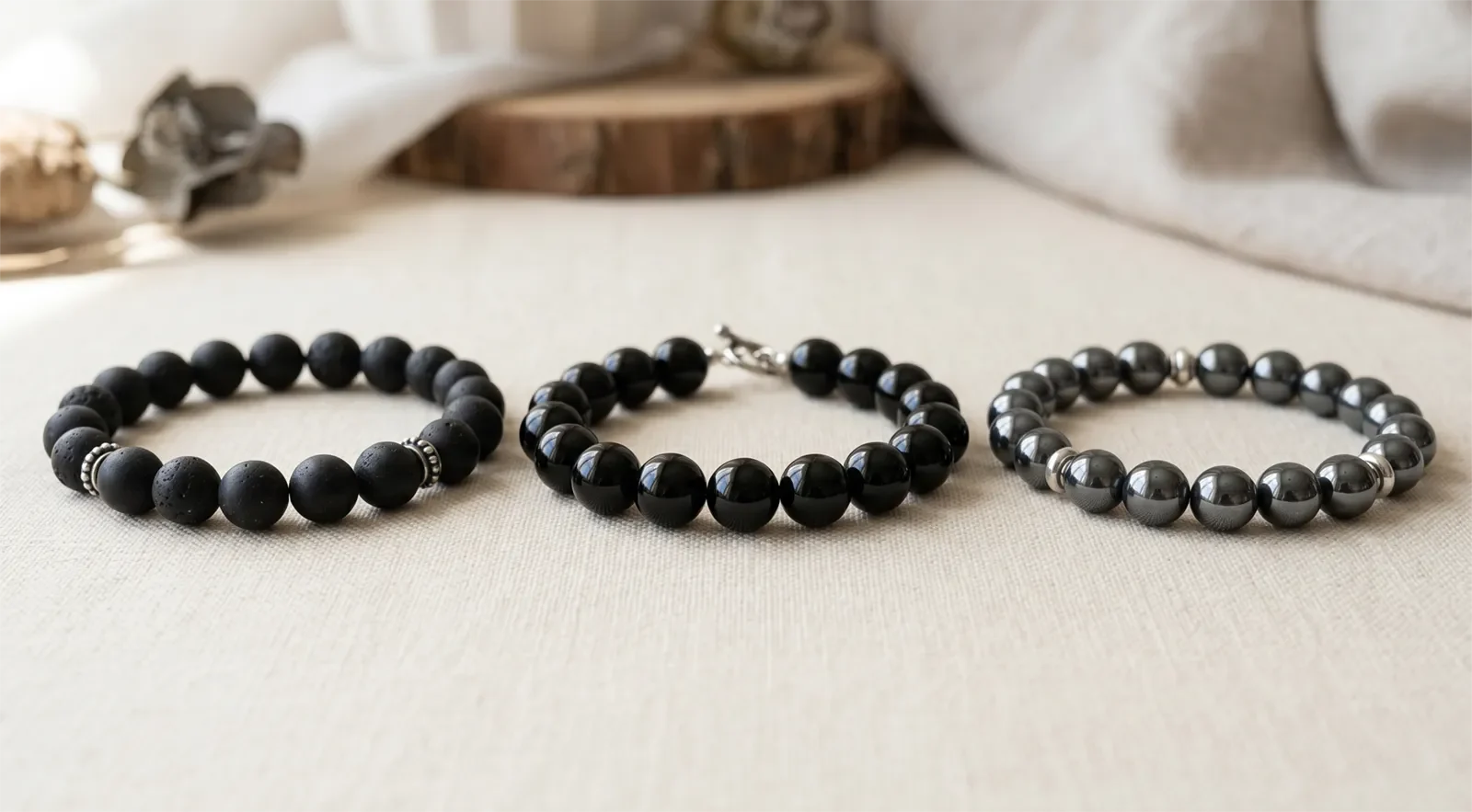
Table of Contents
How this comparison works
This comparison looks at black tourmaline, obsidian, and hematite through a shopper-friendly lens: traditional symbolism, visual tone, jewelry feel, styling use, and practical wearability.
This matters because “protection stone” is often used too broadly. A matte black tourmaline bracelet, a glossy obsidian pendant, and a metallic hematite strand may all sit in the same symbolic family, but they create different moods on the body.
If you want a broader intention-based guide, read Stones by Intention. If you want to compare dark stones by visual tone first, read Stones by Color. If black tourmaline already feels like your strongest match, continue with Black Tourmaline Meaning.
Quick comparison table
| Stone | Common symbolic themes | Visual feel | Best for | Style note |
|---|---|---|---|---|
| Black tourmaline | Grounding, boundaries, protection symbolism, steadiness | Usually matte, textured, earthy, understated | Beginners and daily wear | Easy with casual bracelets and neutral outfits |
| Obsidian | Protection symbolism, directness, truth-facing, intensity | Smooth, dark, glossy, bolder | Readers who want a stronger black stone look | Works well when you want contrast or visual edge |
| Hematite | Grounding, structure, steadiness, anchored presence | Polished, metallic, weighty, clean | Minimalist, modern, or workwear styling | Pairs well with refined and structured outfits |
Black tourmaline
Black tourmaline is often the clearest first pick for readers who want grounding and protection symbolism without making the jewelry feel too dramatic. Many people use it as a symbolic reminder of steadiness, personal boundaries, and staying centered during busy routines.
Visually, black tourmaline often feels matte, textured, or naturally understated. It does not usually have the glossy sharpness of obsidian or the metallic polish of hematite. That makes it appealing if you want a neutral stone that feels grounded rather than flashy.
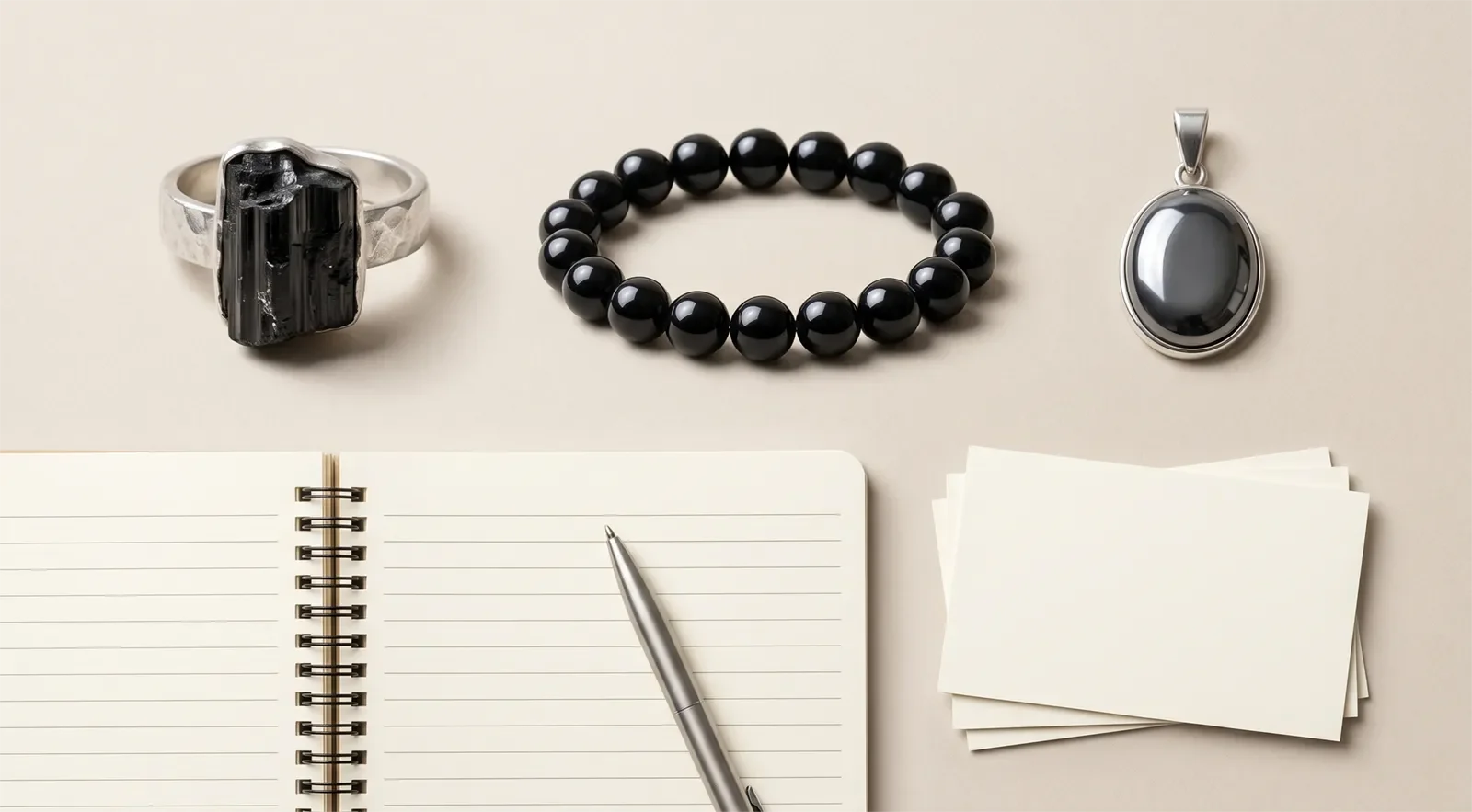
Black tourmaline is also easy to style. Its dark color works well in bracelets, bead strands, pendants, and mixed stacks. If you want one simple protective stone to start with, this is usually the most beginner-friendly choice.
For deeper meaning and use, read Black Tourmaline Meaning.
Obsidian
Obsidian is often chosen by readers who want a darker stone with more visual intensity. Symbolically, it is commonly linked with protection, directness, truth-facing, and a stronger form of groundedness.
Compared with black tourmaline, obsidian often feels sharper and more dramatic. Its smooth, glassy appearance can make it look cleaner, bolder, and more high-contrast in jewelry.
Obsidian can be a strong choice if you like black jewelry but want something with more edge. It works well in pendants, polished beads, and minimalist pieces where the dark surface becomes the main visual statement.
Choose obsidian if you want protection symbolism with a more intense, direct, and visually striking feel.
Hematite
Hematite often appeals to readers who want a stone that feels polished, weighty, and structured. Symbolically, it is commonly associated with grounding, steadiness, and an anchored presence.
Compared with black tourmaline and obsidian, hematite usually feels more metallic and refined. Its smooth finish can look modern, clean, and intentional, especially in bracelets or simple bead designs.
Hematite often feels more substantial in the hand than many other stones, which some buyers like because it reinforces the grounded tone of the piece. It can work especially well for people who prefer minimal jewelry, workwear styling, or a more masculine-leaning look.
Choose hematite if you want a protection-related stone that feels sleek, disciplined, and physically substantial.
Which one should you choose?
Choose black tourmaline if you want the easiest starting point. It is usually the most beginner-friendly of the three because the symbolism is clear, the look is neutral, and the overall tone is grounded without being too bold.
Choose obsidian if you want a stronger black stone with more visual edge. It often suits readers who like darker jewelry, clean contrast, and a more intense symbolic tone.
Choose hematite if you want something polished, weighty, and structured. It often works well with minimalist outfits, everyday workwear, men’s styling, and clean modern jewelry designs.
The best choice is not the stone with the strongest claim attached to it. It is the one whose symbolism, look, weight, and styling feel most natural for your real life.
Wearing and styling these stones
All three stones can work well in everyday healing jewelry, but they create different impressions.
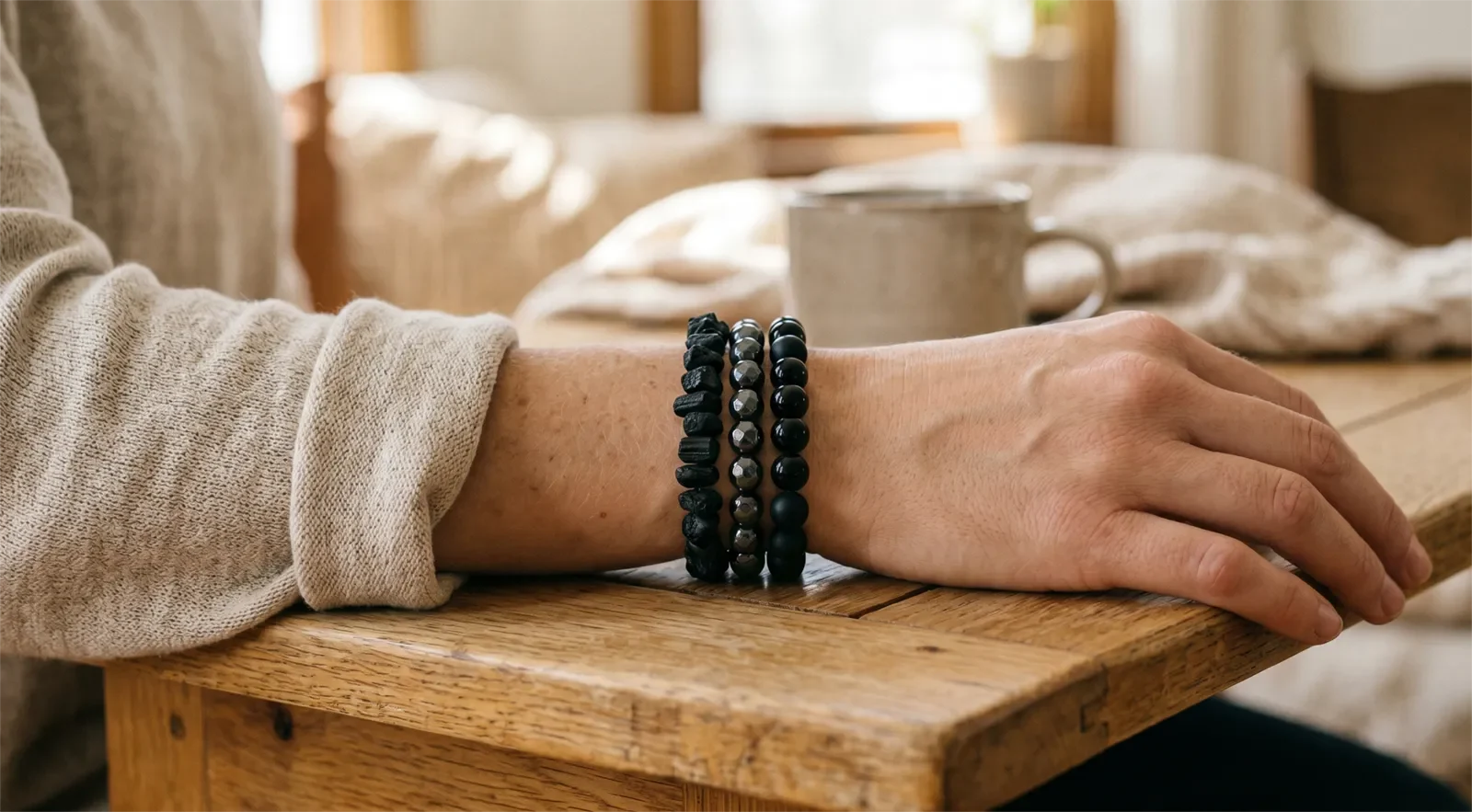
- Black tourmaline feels relaxed, earthy, and easy to wear casually.
- Obsidian feels sharper, darker, and more visually assertive.
- Hematite feels cleaner, more polished, and more structured.
If you are choosing partly for men’s styling, read Men’s Healing Jewelry Style Guide. If you plan to wear more than one bracelet, read How to Stack Healing Bracelets.
Care notes
Care depends on the exact jewelry construction, not only the stone name. A bead bracelet, wire-wrapped pendant, elastic strand, or metal-set piece may all need different handling.
- Store pieces separately when possible to reduce scratching and friction.
- Avoid rough impact with polished or carved stones.
- Keep elastic bracelets away from unnecessary water, oils, and chemicals so the cord lasts longer.
- Pay attention to metal parts such as clasps, spacers, and charms, which may tarnish or wear differently than the stone.
Physical care is different from symbolic cleansing. Physical care protects the material and construction. Symbolic cleansing is a personal or spiritual practice some people use to reset meaning or intention. For the full guide, read How to Cleanse & Care for Healing Jewelry.
Frequently Asked Questions
Which protective stone is best for beginners?
Black tourmaline is often the easiest beginner choice because the symbolism is straightforward, the look is neutral, and the stone usually feels easy to wear in daily life.
Which stone looks the most polished?
Hematite usually looks the most polished because of its metallic finish. Obsidian can also look polished, but it tends to feel darker and glossier rather than metallic and structured.
Which stone feels the heaviest?
Hematite often feels the most weighty in the hand. Some people like that substantial feel because it reinforces the stone’s grounded and structured symbolism.
Are black tourmaline, obsidian, and hematite all protection stones?
They are often grouped that way in symbolic jewelry language, but they do not feel identical. Black tourmaline usually feels earthy, obsidian feels more intense, and hematite feels more polished and structured.
Can these stones actually protect me?
They should not be treated as scientific shields or guaranteed protective tools. In healing jewelry, protection is best understood as symbolic language—a personal reminder of grounding, boundaries, steadiness, or intention.
Which one is easiest to style?
Black tourmaline is often the easiest overall because it is neutral, understated, and simple to wear with casual outfits. Hematite is also easy to style if you prefer a cleaner, more polished look.
Can I wear black tourmaline, obsidian, and hematite together?
Yes, but it usually works best when the stack stays intentional and not too heavy. If you want broader bracelet-combining guidance, read How to Stack Healing Bracelets.
Need help choosing a protection-themed stone?
If you are comparing black tourmaline, obsidian, hematite, or other grounding stones, Tittac can help you choose healing jewelry based on symbolism, material, style, and real everyday wearability—not exaggerated claims.