











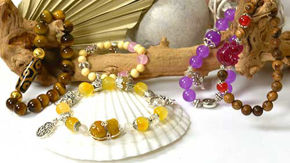
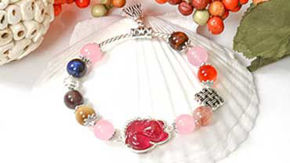


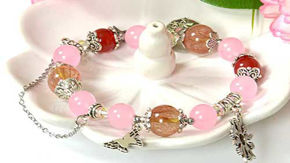
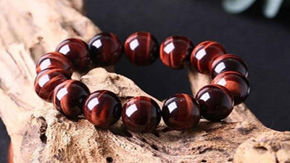

Choosing stones by color is one of the easiest ways to start with healing jewelry. Before you know every stone name, color can help you understand the overall mood of a piece—black for grounding, pink for softness, purple for calm, yellow or gold for confidence, green for balance, and white or clear for clarity.
Who this guide is for
This guide is for beginners who feel drawn to a color first and want a simple way to understand what that color may represent before choosing a specific stone, bracelet, pendant, or healing jewelry piece.
How this guide was prepared
This article was built as Tittac’s color-led beginner guide for healing jewelry. It explains broad symbolic themes by color, keeps claims realistic, and links to deeper stone meaning pages when color alone is not enough.
Quick Answer
Stones by color are useful because color often shapes the first emotional impression of healing jewelry. Black stones are commonly chosen for grounding and protection symbolism, pink stones for love and tenderness, purple stones for calm and reflection, yellow or gold stones for confidence and motivation, green stones for balance and growth, and white or clear stones for clarity and simplicity. These are broad symbolic associations, not fixed rules or guaranteed effects.
Important note: This guide discusses healing jewelry in a symbolic, spiritual, cultural, and mindfulness-oriented context. Stone colors should not be treated as medical treatment, diagnosis, therapy, or a guaranteed way to change health, love, money, luck, protection, or emotional outcomes.
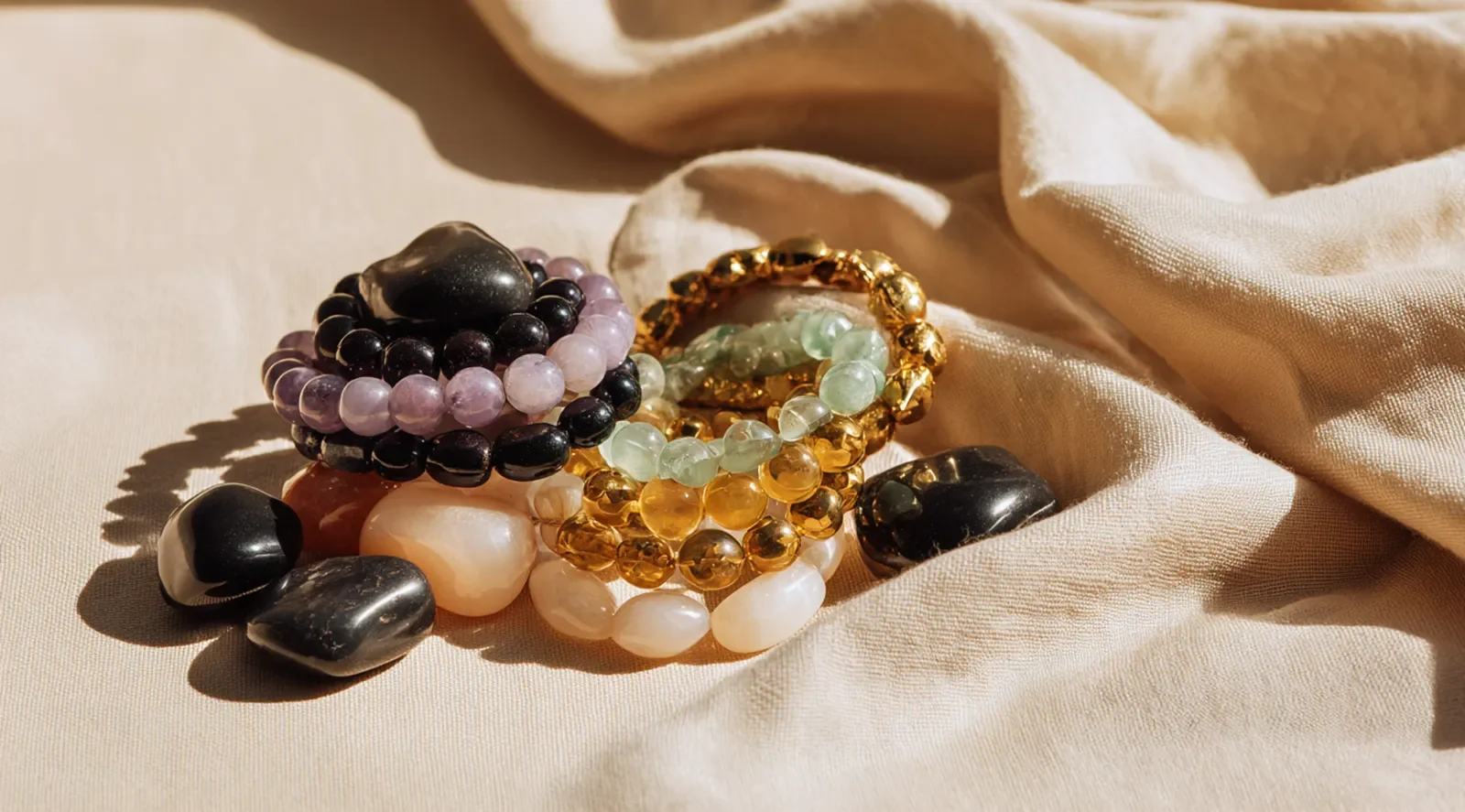
Table of Contents
Why color is a useful beginner framework
Color is often the easiest entry point because it is immediate. Before most people learn the differences between amethyst, rose quartz, jade, tiger’s eye, or black tourmaline, they usually know which colors they are drawn to.
A soft pink stone may feel warm and gentle. A black stone may feel grounded and structured. A clear or white stone may feel clean and simple. A green stone may feel balanced and natural. Color gives beginners a quick way to narrow the field without memorizing every stone at once.
Color does not replace stone-specific meaning. It simply helps you begin. Once a color feels right, the next step is to look at the actual stone, material disclosure, comfort, and whether the piece fits your style.
If you want a full stone index, start with Healing Stones & Crystal Meanings. If you want to choose by symbolic goal instead of color, read Stones by Intention.
Quick color meaning table
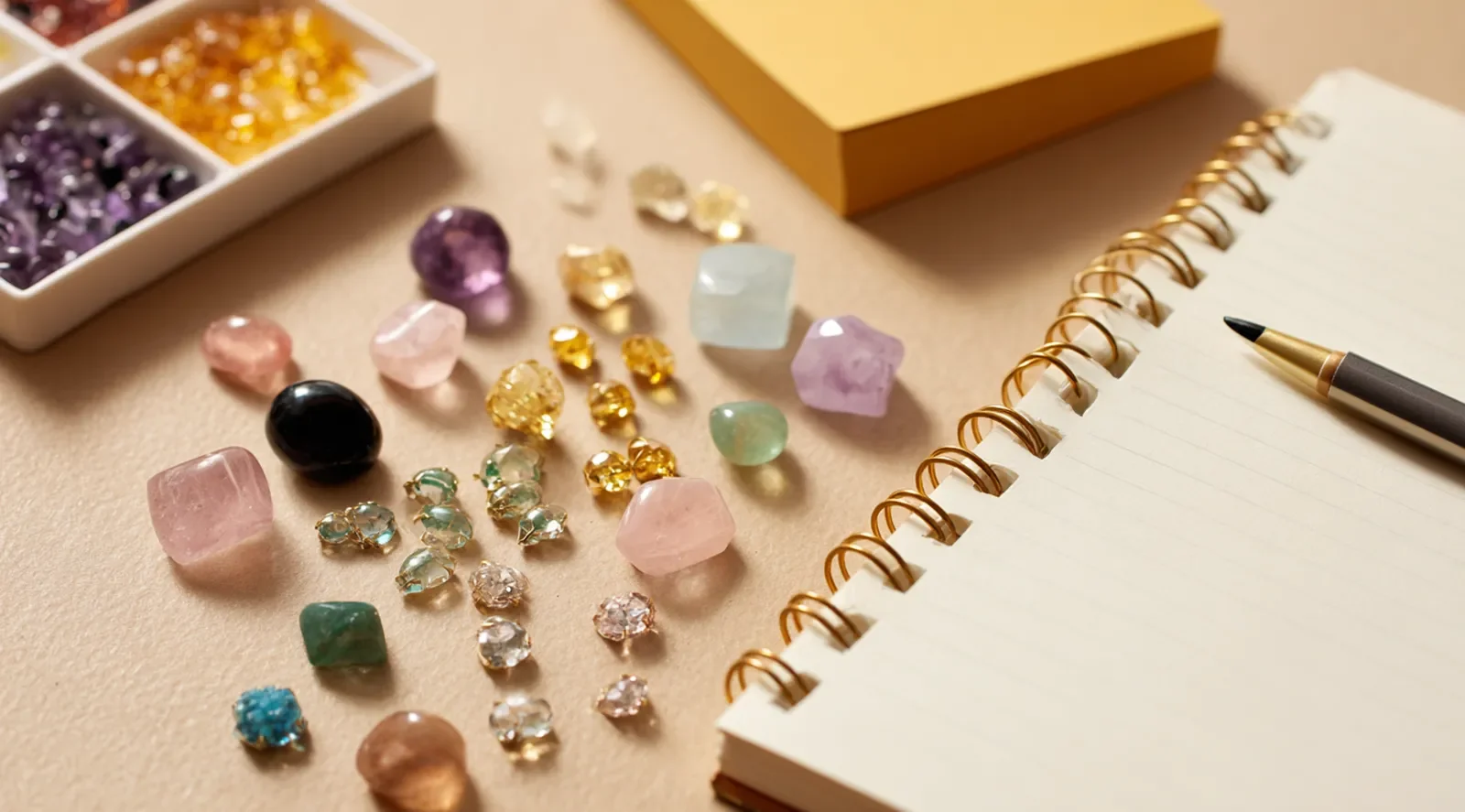
| Color group | Common symbolic themes | Examples |
|---|---|---|
| Black | Grounding, steadiness, protection symbolism | Black tourmaline, obsidian, onyx |
| Pink | Love, tenderness, self-compassion, softness | Rose quartz, pink opal, rhodonite |
| Purple | Calm, reflection, intuition, quiet clarity | Amethyst, lepidolite, purple fluorite |
| Yellow / gold | Confidence, motivation, brightness, optimism | Citrine, tiger’s eye, yellow jasper |
| Green | Balance, renewal, growth, harmony | Jade, aventurine, malachite |
| White / clear | Clarity, simplicity, openness, versatility | Clear quartz, white jade, selenite |
Black stones
Black stones are often chosen for grounding, steadiness, and protection symbolism. In healing jewelry, they tend to feel strong, neutral, and easy to wear with everyday outfits.
Many people are drawn to black stones when they want a piece that feels calm but not delicate. The color gives the jewelry a more structured presence, which can make it feel practical for daily wear.
Black tourmaline is one of the clearest examples. It is commonly associated with grounding, boundaries, and protection symbolism. Obsidian and onyx are also popular dark stones, though each has its own stone-specific meaning and material character.
Here, “protection” should be read as symbolic language, not a guaranteed shield or measurable effect.
Pink stones
Pink stones are traditionally associated with love, tenderness, warmth, and self-compassion. They often appeal to people who want healing jewelry that feels soft, approachable, and emotionally gentle.
Pink is also one of the most giftable color groups because the meaning is easy to understand. A pink stone bracelet or pendant often feels personal without needing a complicated explanation.
Rose quartz is the most familiar pink stone for many beginners. It is commonly chosen as a symbolic reminder of care, openness, and self-kindness.
Purple stones
Purple stones are often chosen for calm, reflection, depth, and quiet clarity. They can feel spiritual or thoughtful without being overly bright or loud.
Many beginners are drawn to purple because it feels expressive but still wearable. In healing jewelry, purple stones often suit people who want a piece that represents reflection, inner quiet, or a more centered emotional tone.
Amethyst is the most common purple stone starting point. It is traditionally associated with calm, clarity, and a more reflective state of mind.
Yellow and gold stones
Yellow and gold stones are commonly linked with confidence, brightness, motivation, and forward movement. They often feel warmer and more outward-facing than black, purple, or clear stones.
These colors can work well for people who want jewelry to feel encouraging, visible, and optimistic. Yellow and gold tones are often chosen when the symbolic theme is momentum, personal confidence, or a fresh start.
Citrine is often chosen for brightness and motivation symbolism. Tiger’s eye can also fit this color family, though it usually feels more grounded and structured than citrine.
Green stones
Green stones are often associated with balance, renewal, growth, and a natural sense of harmony. They sit between calm and vitality, which makes them a useful middle ground for many healing jewelry buyers.
Green can feel softer than black, less romantic than pink, and less bright than yellow. That balance is one reason green stones are often chosen for everyday pieces.
Jade is one of the most important green stones to understand because its meaning is not only visual. In many East Asian contexts, jade carries cultural, historical, and symbolic significance that goes beyond generic crystal language. For more context, read Jade in East Asian Culture.
White and clear stones
White and clear stones are traditionally associated with clarity, openness, simplicity, and versatility. They often appeal to people who want healing jewelry that feels clean, light, and easy to pair with other pieces.
These colors are especially helpful for beginners who do not want a strong emotional or visual theme yet. Clear or white stones can feel neutral, flexible, and less intimidating than bolder colors.
Clear quartz is one of the most familiar examples. It is often linked with clarity, focus, and simplicity. White jade, moonstone, and other light stones may carry different meanings, so stone-specific context still matters after color helps you narrow your choice.
Why color alone is not enough
Color is a helpful first filter, but it should not be the only factor when choosing healing jewelry. Two stones of the same color can have different meanings, textures, hardness levels, treatments, prices, and care needs.
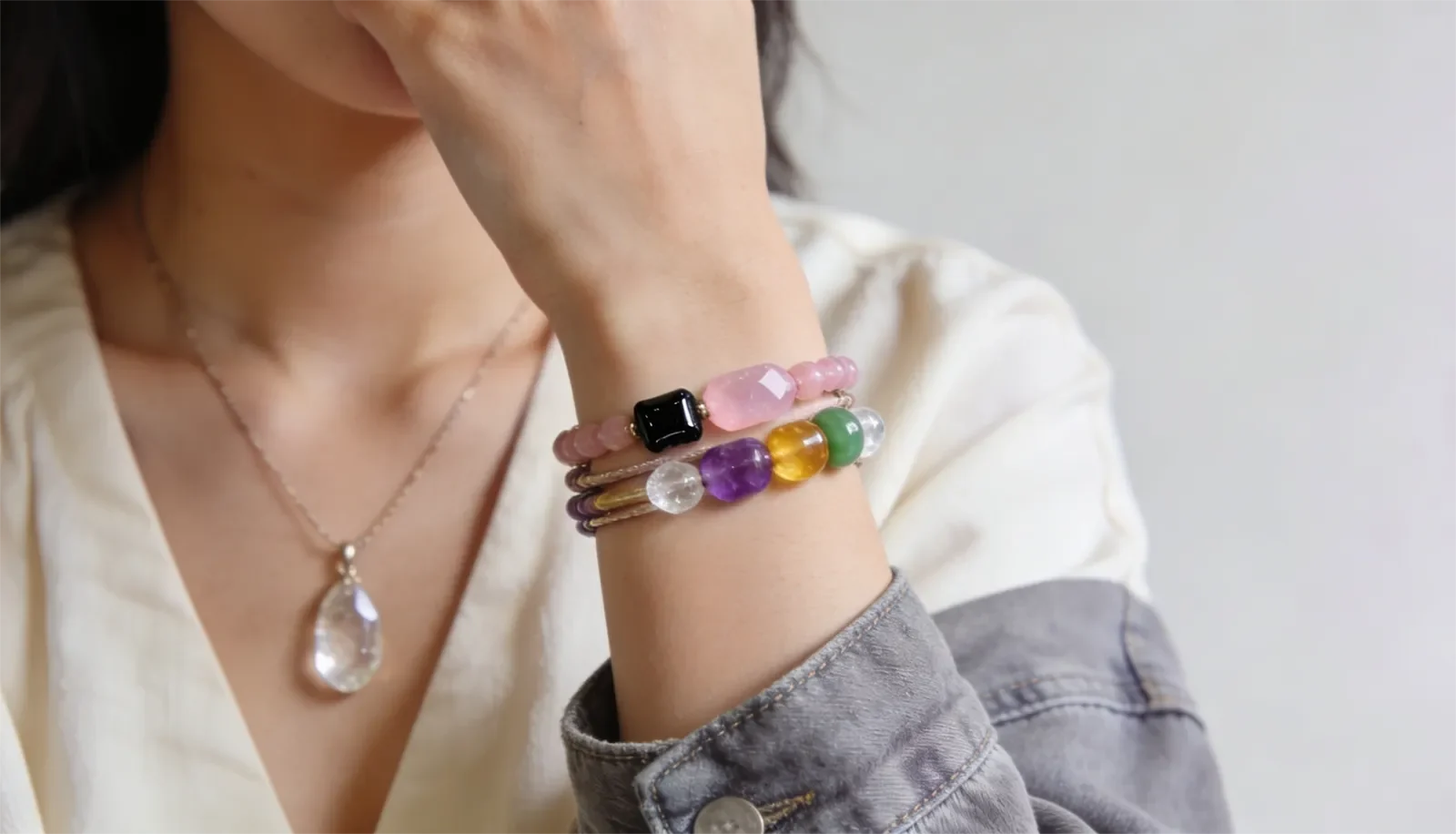
For example, a black tourmaline bracelet and a black onyx bracelet may both feel grounded visually, but they are still different stones. A green jade piece and a green aventurine piece may both feel balanced, but they carry different material and cultural contexts.
Before buying, consider four things together:
- Color: Does the visual tone feel right to you?
- Stone meaning: Does the stone’s symbolic theme match your intention?
- Material disclosure: Is the stone clearly described as natural, treated, synthetic, stabilized, dyed, or imitation when relevant?
- Wearability: Will you actually enjoy wearing the piece in daily life?
For material and disclosure questions, continue with Common Materials in Healing Jewelry & Their Meanings, Natural vs. Synthetic Stones, or Gemstone Treatments 101.
Frequently Asked Questions
Can I choose healing jewelry by color alone?
Yes, color is a useful first step. It helps you narrow the feeling and visual direction of the piece. Before buying, you should still check the stone name, material disclosure, comfort, and care needs.
Does color replace stone-specific meaning?
No. Color gives a broad symbolic direction, but individual stones still have their own meanings, materials, treatments, and care considerations.
Are all black stones the same?
No. Black stones may share broad themes such as grounding or protection symbolism, but black tourmaline, obsidian, and onyx are different materials with different meanings and wear characteristics.
What color stone is best for calm?
Purple stones are often chosen for calm and reflection, with amethyst being the most familiar example. Some people also choose soft pink stones when they want calm to feel more emotional and gentle.
What color stone is best for love?
Pink stones are most commonly associated with love, tenderness, and self-compassion. Rose quartz is the best-known beginner stone in this color family.
Is choosing stones by color the same as choosing by chakras?
Not exactly. Color-based choosing and chakra-based frameworks can overlap, but they are not the same. If you want the chakra framework, read What Are Chakras? 7 Centers.
What if I dislike the color linked with my intention?
Choose what you will actually wear. Symbolic meaning is only useful if the jewelry still feels comfortable, personal, and realistic for your daily life.
Need help choosing by color?
If color is the easiest starting point for you, Tittac can help you compare the look, meaning, material, and everyday wearability of different healing jewelry pieces so you can choose with more clarity and less pressure.