
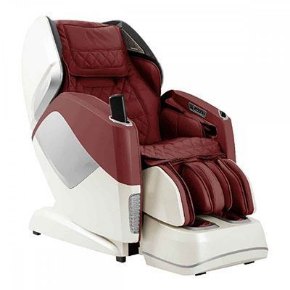




If lower-back comfort is your main reason for shopping, do not start with the chair that claims the most benefits. Start with the features that decide how the chair actually feels on your lower back: track reach, pressure control, recline, heat, stretch, and body fit.
This guide stays focused on feature matching for lower-back comfort. It does not try to explain every kind of back pain, and it does not replace safety guidance or condition-specific caution. The goal is practical: help you understand which massage chair features matter most when your lower back is the area you care about most.
Written by Toan Ho — Tittac editorial team.
Who this guide is for: Shoppers or owners who specifically want to understand what chair features matter most for lower-back comfort.
How this guide was prepared: This guide was prepared using cautious wellness guidance, plain-language clinical context, and practical feature matching to explain lower-back comfort without overpromising results.
Quick Answer
The best massage chair features for lower back pain are usually track reach, adjustable depth or pressure, a supportive recline position, targeted heat, gentle stretch programs, and a fit that matches your body well. These matter more than long feature lists because lower-back comfort often comes down to whether the rollers reach the right area, whether the pressure feels tolerable, and whether the chair lets your back relax instead of brace. A massage chair may support comfort for some people, but no feature guarantees relief for every cause of lower-back pain. If your symptoms feel nerve-like, radiate into the leg, or raise safety concerns, start with safety guidance before choosing based on features alone.
Table of Contents
Why lower-back comfort needs feature matching
Lower-back complaints often make shoppers look for one magic feature, but that usually leads to the wrong buying logic. A chair may have strong rollers, heat, or stretch modes and still feel wrong if the track does not reach the area you care about, the pressure is too aggressive, or the chair simply does not fit your body well.
That is why this page stays practical and feature-centered. It is not a general article about all back pain. For broader expectation-setting, read how massage chairs may help relieve back pain and muscle tension. This page is narrower: it helps you judge which chair features are most likely to affect lower-back comfort.
The features that matter most for lower-back comfort
1. Track reach and lower-back coverage
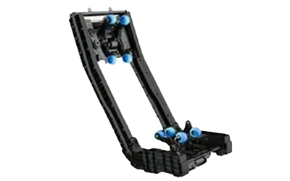
For many shoppers, this is the first feature to check. If the roller path does not reach low enough or does not maintain useful contact through the lower back, the rest of the spec sheet matters less. In plain terms, you want to know whether the chair can work the area where you actually feel tightness, not just the middle of the back.
Track design matters most when your discomfort sits low in the back or blends into the top of the hips. A longer or more continuous track may help the chair maintain better contact through that area, but coverage alone is not enough. The pressure still has to feel appropriate, and the chair still has to fit your body.
For a deeper technology breakdown, read our guide to S-Track vs L-Track vs SL-Track massage chairs.
2. Depth control and pressure adjustability
Lower-back discomfort does not always respond well to stronger pressure. Some people want deeper roller contact because light massage feels too vague. Others need the chair to back off because the lower back feels sensitive or easily irritated. That is why adjustable depth or pressure matters so much.
When a chair lets you change how far the rollers press in, it becomes easier to fine-tune the session instead of accepting one fixed intensity. This is especially useful when your lower back feels tight one day and tender the next. In practical terms, adjustability often matters more than raw power.
3. Recline and zero-gravity positioning
Recline is not just about comfort. It changes how much your back relaxes into the chair and how evenly your body weight is supported during the session. For lower-back users, that can make a noticeable difference because a better reclined position may reduce the feeling that the back is still “holding itself up” while the rollers work.
Zero-gravity-style recline is worth understanding for this reason. It does not automatically make a chair right for everyone, but it may help distribute weight more evenly and make massage pressure feel more manageable through the lower back. For a closer explanation, see what zero gravity means in a massage chair.
4. Lumbar heat and where the warmth actually goes
Heat is one of the most commonly misunderstood lower-back features. Some chairs offer dedicated lumbar heat pads, while others rely on heated rollers or a broader back-heating setup. These are not always the same experience. One may feel more localized and steady, while another may feel more tied to the roller path.
For lower-back shoppers, the practical question is not “Does it have heat?” It is “What kind of heat, and where will I actually feel it?” That is why it helps to compare heated rollers vs lumbar heat before treating heat as one single feature category.
5. Stretch programs that feel supportive, not aggressive
A good stretch program can matter for lower-back comfort because some users feel better when the chair gently lengthens the body rather than only pressing into it. The helpful version usually feels controlled and supportive, with a slow opening effect through the back and hips. The unhelpful version feels too forceful, too sudden, or too generic.
If lower-back tightness is part of why you are shopping, stretch functions may be worth prioritizing. But they are not automatically the top feature for everyone. For some people, a better track, better recline, and better pressure control make more difference than a dramatic stretch mode.
6. Fit, body scanning, and how the chair matches your frame
Even a feature-rich chair can feel wrong if it does not fit your height, torso length, or lower-back shape well. Fit affects whether the rollers land in the right place, whether the recline feels natural, and whether the lower-back area feels supported or awkwardly pressured.
Body scanning can help, but it is not a replacement for overall fit. The more your lower-back comfort depends on precise contact, the more important it becomes that the chair’s shape, roller travel, and seated posture actually work with your body instead of against it.
If you are still comparing chairs broadly, read how to choose the best massage chair for your home before choosing based on a single lower-back feature.
How to prioritize features based on what you actually feel
If your lower back feels compressed after long sitting
Prioritize recline, zero-gravity-style positioning, gentle stretch, and heat. In this pattern, the goal is usually to help the back feel less loaded and less tight, not to chase the deepest roller pressure.
If the chair often feels like it misses the low part of the back
Track reach becomes more important. A chair that works fine for the mid-back may still feel incomplete if your discomfort sits lower and the roller travel stops short of the area you care about most.
If pressure feels too sharp or too inconsistent
Depth control, pressure adjustment, and overall fit should move up your priority list. Lower-back shoppers often blame “bad massage” when the real issue is that the chair cannot be tuned well enough for a sensitive area.
If warmth feels especially soothing
Heat may deserve more weight in your buying decision, but only if you understand how that chair delivers it. This is one of the easiest places for shoppers to assume two chairs are offering the same thing when they are not.
If the chair is for an older adult or sensitive user
Gentle control, ease of entry, simple programs, lower starting intensity, and safe recline behavior matter more than maximum strength. If the chair is for a parent or senior family member, read our guide to massage chairs for seniors before choosing based only on lower-back pressure.
Features that matter less than many shoppers think
- Very long auto-program lists if the lower-back feel is still not right.
- Extra lifestyle features that do not change fit, pressure, or support.
- Maximum intensity on paper if the chair cannot be tuned comfortably.
- Marketing language that sounds therapeutic but does not explain actual feature logic.
- Heat labels that do not clearly explain where the warmth is felt.
When this page should hand off to another guide
This page owns lower-back feature matching only. If your question is broader, more medical, or more condition-specific, move to the correct owner page instead of stretching this one too far.
- If you want general expectation-setting about what massage chairs may or may not help with overall, read How Massage Chairs Help Relieve Back Pain and Muscle Tension.
- If symptoms radiate, burn, tingle, or feel more like nerve irritation, use our more specific guide on massage chairs for sciatica.
- If your main question is whether massage-chair use is appropriate or safe in your situation, review the health and safety guide when using a massage chair before going further.
- If you are still comparing chair categories, features, and home fit, start with how to choose the best massage chair for your home.
Frequently Asked Questions
What track is usually better for lower-back pain?
It depends on where you want the massage to reach and how the chair fits your body. For many lower-back shoppers, track reach matters because a longer or more continuous path may maintain better contact lower in the back and toward the hips. But track type still needs to be matched with pressure control and fit.
Is zero gravity important for lower-back comfort?
It can be. A good recline position may help the back relax more fully into the chair and make the massage feel less compressed or less harsh. It is not the only thing that matters, but for many lower-back users it is a meaningful comfort feature.
Is heat or roller pressure more important for lower-back complaints?
That depends on what you are trying to improve. Some users care most about warmth and relaxation, while others need better roller contact and adjustable depth. In many cases, the better answer is not choosing one over the other, but understanding how the chair combines both.
Should I use this page if my pain goes into my leg?
Not as your main page. If symptoms radiate into the leg or feel numb, tingly, burning, or nerve-like, this lower-back feature guide is no longer the best owner page. Move to the sciatica guide and the safety guide instead of relying on feature matching alone.
Does stronger pressure mean better lower-back relief?
Not necessarily. Stronger pressure may feel helpful for some users, but it can feel too aggressive for others. For lower-back comfort, control usually matters more than maximum intensity.
Related Guides
- How Massage Chairs Help Relieve Back Pain and Muscle Tension
- Massage Chairs for Sciatica: What Helps, What Doesn’t
- Health & Safety Guide When Using a Massage Chair
- S-Track vs L-Track vs SL-Track Massage Chairs
- What Is Zero Gravity in a Massage Chair?
Need help testing lower-back comfort?
If lower-back comfort is your main priority, the best next step is to compare chairs by feel, not just by feature list. Tittac can help you think through track reach, pressure control, recline, heat, and fit based on your body and home setup. Contact Tittac for practical massage chair guidance before you choose.