




Written by Toan Ho — Tittac editorial team.
Who this guide is for: This guide is for home karaoke buyers trying to decide whether a portable karaoke system or a full-size karaoke system is the better fit for their room, routine, and long-term expectations.
How this guide was prepared: This refresh keeps the comparison grounded in real home use — room size, vocal clarity, control, portability, setup effort, and long-term satisfaction — instead of treating “portable” and “full-size” like a simple small-versus-big debate.
Need help choosing the right format for your home? Visit our Garden Grove showroom or contact Tittac for help in English or Vietnamese.
Choosing between a portable karaoke system and a full-size karaoke system sounds simple at first, but it changes almost everything about the way karaoke feels at home. The right choice affects how easy the setup is to use, how naturally vocals sit over the music, how comfortably the room fills, and whether the system still feels satisfying after the first few weekends.
In most homes, this is not really a question of “small versus big.” It is a question of priorities. Portable systems are built around convenience, mobility, and easy setup. Full-size systems are built around stronger room coverage, better control, and a more complete home karaoke experience. If you want the broader buying framework first, start with How to Choose the Best Karaoke System for Your Home.
Quick Answer
Choose a portable karaoke system if you want something easier to move, easier to store, and easier to start for casual singing in smaller or shared spaces. Choose a full-size karaoke system if you want fuller sound, better microphone performance, more control over vocals and music, and a setup that feels stronger and more satisfying over time.
For apartments, bedrooms, and flexible family use, portable is often the smarter fit. For medium to large living rooms, regular weekend singing, or households that care more about vocal clarity and room coverage, full-size usually gives the better long-term result.
Table of Contents
What Really Changes Between Portable and Full-Size
The biggest difference is not just physical size. It is what the system is designed to do well.
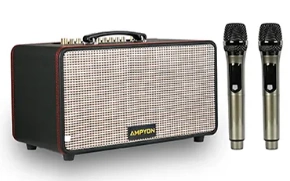
A portable karaoke system is usually built around convenience. It is easier to move, simpler to store, faster to start, and often less intimidating for casual family use. In many homes, that convenience matters more than people expect. A system that takes less effort to use often gets used more often.
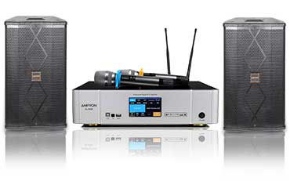
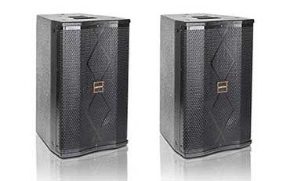
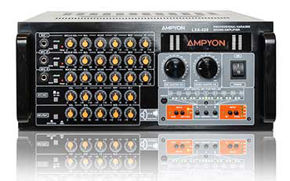
A full-size karaoke system is usually built around performance and control. It tends to provide better room coverage, stronger vocal presence, more usable headroom, and more control over music and microphones. That difference becomes more noticeable when people sing regularly, the room is larger, or the household expects karaoke to feel like a real home entertainment setup instead of an occasional add-on.
| System Type | Main Strength | Best Fit | Main Trade-Off |
|---|---|---|---|
| Portable karaoke system | Convenience, mobility, fast setup | Casual home use, smaller rooms, flexible placement | Usually less control and less room-filling confidence |
| Full-size karaoke system | Stronger sound, better control, better room coverage | Regular singing, medium to large rooms, more serious home karaoke | More space, more setup effort, higher starting commitment |
So the better question is not just “portable or full-size?” It is “portable or full-size for the way I actually sing at home?”
When a Portable Karaoke System Is the Better Choice
Portable systems make the most sense when convenience matters more than maximum performance. They are especially practical in homes where karaoke is part of family fun, not a dedicated hobby that needs a permanent, room-based setup.
Portable is usually the better choice when:
- You sing occasionally rather than every week
- Your room is small or shared with other daily activities
- You want to move the system between rooms
- You want faster setup and less wiring
- You prefer something that feels simple for everyone in the house
- You care more about flexibility than about maximum tuning control
This is why portable systems often work well in apartments, bedrooms, smaller living rooms, and multipurpose spaces. They are also a smart fit for users who do not want to commit to a larger footprint or a more involved setup path.
What portable systems usually do well:
- Start quickly
- Take up less space
- Move more easily
- Feel friendlier for beginners
- Deliver good everyday value for lighter singing habits
Where portable systems may feel limited:
- Less clean headroom in larger rooms
- Less control over vocal and music balance
- More variation in microphone experience from model to model
- Less long-term upgrade flexibility
If you already know portability is the priority, browsing actual portable options is more useful than comparing them against bigger systems in the abstract. A good next step is Portable Karaoke Systems.
When a Full-Size Karaoke System Is the Better Choice
Full-size systems make more sense when karaoke is a regular activity and you want the setup to feel stronger, easier to control, and more satisfying over time. This is where many home users notice the biggest difference in real use, especially once the room gets bigger or the household sings more often.
Full-size is usually the better choice when:
- You use karaoke regularly
- You have a medium or large room to fill
- You care about cleaner vocals and stronger music presence
- You want more control over mic volume, music volume, echo, bass, and treble
- You want a system that feels more stable for family gatherings or parties
- You want better long-term value as your expectations grow
What full-size systems usually do better:
- Stronger room coverage
- More natural vocal presence
- Better music-vocal balance
- More clean output before sounding strained
- Better overall control
- A stronger upgrade path over time
What full-size systems usually ask from you:
- More physical space
- More setup effort
- A higher starting budget
- Less convenience if the system needs to move often
For many regular home users, those trade-offs are worth it because the setup feels more complete, more stable, and easier to enjoy when the room gets lively. If you want to compare complete room-based systems next, go to Karaoke Sets.
Room Size, Microphones, and Everyday Workflow
Room size is one of the most important parts of this decision. A portable system can feel excellent in a small room because it gives you enough output without taking over the space. The same system can feel limited in a bigger family room, especially when several people are singing and the music needs to carry more naturally.
A full-size system may feel ideal in a larger room because it has more clean headroom and stronger overall coverage. But in a very small reflective room, a bigger system can feel oversized if it is poorly placed or chosen only because it looked “safer” on paper. That is why the best answer is not universal. The same system can feel just right in one room and mismatched in another.
Room fit is only part of it. Microphones and daily workflow matter too.
Portable systems usually win on simplicity. If you want something you can start quickly, store easily, or move from room to room, portable makes everyday use easier. That convenience is a real advantage, not a small one.
Full-size systems usually win on completeness. They tend to offer a better structure for regular karaoke use, especially when you want cleaner microphone integration and stronger overall control. If your home karaoke routine revolves around a TV, streaming, and wireless microphones, the setup path matters as much as the speakers. A helpful next read is Karaoke Setup for TV + YouTube + Wireless Microphones.
Microphones matter in both formats. A portable system with weak microphones can feel disappointing even if the speaker is decent, while a full-size system with better microphones often feels easier to sing on from the start. If microphone choice is part of your decision, keep Wireless vs Wired Microphones for Karaoke and UHF vs VHF vs 2.4GHz Microphones in your shortlist.
And once you have the system, control matters just as much as hardware. A setup that sounds good but feels hard to tune often gets used less than one that feels natural. That is why How to Set Mic Volume, Music Volume, Echo, Bass and Treble is such a useful follow-up after the buying decision.
How to Choose the Right One in 60 Seconds
If you want the fastest answer, use this decision guide:
- Start with your room. Small and shared spaces usually lean portable. Medium and large rooms more often justify full-size.
- Be honest about frequency of use. Occasional family fun usually does not need the same system as regular weekend singing.
- Think about your daily setup tolerance. If you want fewer steps and less wiring, portable is often the better fit. If you want stronger control and a more permanent setup, full-size usually makes more sense.
- Decide how important vocal quality is to you. If cleaner vocals and better balance matter a lot, full-size usually has the advantage.
- Buy for the way your household actually sings. Not for the one party a year, and not for the biggest number on the page.
You can simplify that even further:
- Choose portable if your room is small, your setup needs to stay flexible, and your main goal is easy family karaoke without much complexity.
- Choose full-size if your room is medium or large, you sing regularly, and you want stronger sound, better microphones, and more control over the experience.
Another simple way to think about it:
- Portable wins on convenience.
- Full-size wins on performance.
If you are still undecided, the safest buying method is to work backward from your room, your song source, and how often the system will actually be used. That usually makes the right answer much clearer. If room size is still the biggest question, read Best Karaoke System for Small Rooms vs Large Rooms. If power is part of the confusion too, continue with How Many Watts Do I Need for Karaoke?.
Related Reading
- How to Choose the Best Karaoke System for Your Home
- Best Karaoke System for Small Rooms vs Large Rooms
- How Many Watts Do I Need for Karaoke?
- Common Karaoke Problems and How to Fix Them
Frequently Asked Questions
Is a portable karaoke system good enough for home use?
Yes, especially for small rooms, apartments, and casual family karaoke. A portable system is often the best choice when convenience, mobility, and quick setup matter more than maximum room coverage or advanced control. It is not automatically a lesser choice — just a better one for lighter and more flexible home use.
Does a full-size karaoke system always sound better?
Not automatically, but full-size systems usually have the advantage in room coverage, vocal control, and overall headroom. That advantage becomes more obvious in medium and large rooms or when karaoke happens regularly. In a very small room, though, a bigger system is only better if it still fits the space and the way you use it.
Which is better for a small room: portable or full-size?
Portable is often the easier and more practical fit for a small room because it gives you enough output without dominating the space. A full-size setup can still work well, but it should be chosen because it truly matches the room and your habits — not just because it seems more powerful or more serious.
Which is better for parties or regular family singing?
If the room is larger or karaoke happens often, full-size is usually the stronger choice because it feels more stable and more satisfying as volume and energy increase. For lighter, more flexible use, portable can still be a very good fit. The better answer depends on room size, frequency, and how much control you want over the experience.
Conclusion
The best portable karaoke system is not trying to be a full-size system, and the best full-size karaoke system is not trying to be portable. They solve different problems. Portable is usually the smarter answer when convenience, flexibility, and smaller-space use matter most. Full-size is usually the better answer when room coverage, vocal quality, and long-term performance matter more.
That is really the cleanest way to decide: buy for your room, your routine, and the way your household actually sings. Once you stop treating this like a simple size comparison, the right choice usually becomes much easier.
Need Help Choosing Portable or Full-Size?
If you already know your room size, how you play songs, and how often your household actually sings, the next step gets much easier.
Compare complete systems, portable options, and microphones side by side — or contact Tittac for help choosing the right direction for your home.