
Karaoke Technical Guides
March 10, 2026
Learn why karaoke can feel tiring before it feels loud, and how reflections, brightness, and vocal strain create early listening fatigue at home.
March 10, 2026
Learn what perceived loudness means in karaoke and why clarity, balance, and room behavior can matter more than raw numbers alone.
March 10, 2026
Learn why different seats in the same room can hear different karaoke sound, from bass buildup to thinner tone and reduced vocal clarity.
March 09, 2026
Learn what “boxy” sound means in karaoke systems, how it differs from harsh or muddy sound, and why it makes vocals feel trapped or congested.
March 09, 2026
Learn what speaker voicing means in home karaoke and why tonal personality affects vocal comfort, clarity, and home listening feel.
March 07, 2026
Learn why vocals can still feel buried in karaoke even after raising mic volume, and why louder is not always clearer at home.
March 07, 2026
Learn why some karaoke systems sound thin at low volume and why quiet home listening can feel less full than louder playback.
March 07, 2026
Learn what noise floor means in karaoke and why faint hiss or background noise feels more noticeable in quiet home listening.
March 07, 2026
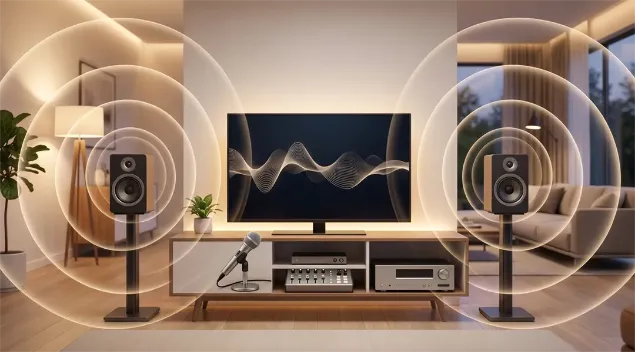
Learn what headroom means in a karaoke system and why it affects how clean, relaxed, and controlled your home setup sounds.
March 01, 2026
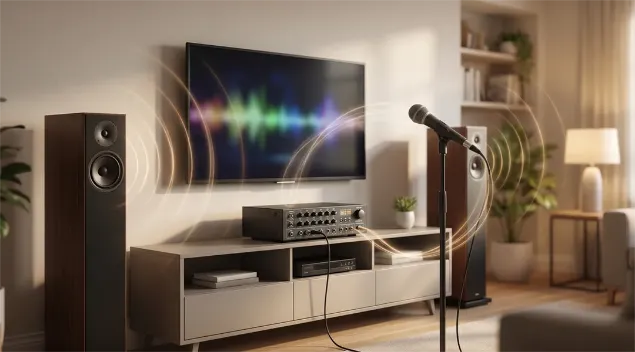
Learn why karaoke feedback starts, what conditions make it easier to trigger, and why the problem is usually a loop, not just one bad setting.
February 24, 2026
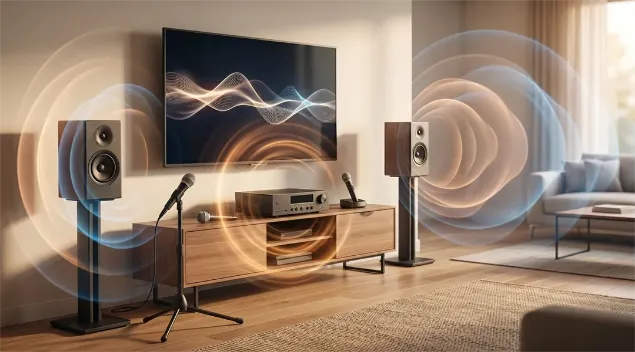
Learn the real difference between dB and watts and why one describes perceived loudness better while the other only tells part of the story.
March 04, 2026
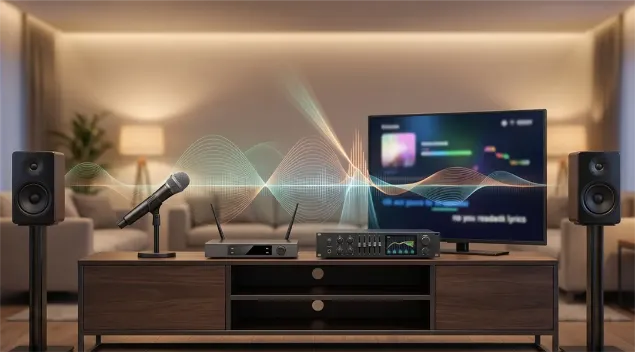
Learn what anti-feedback processing actually does, where it helps, where it falls short, and why it is not a full replacement for better system behavior.